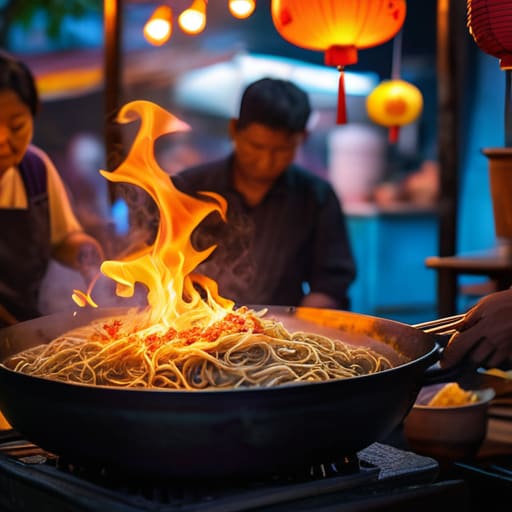
I’ve spent most of my life chasing scents—the sharp tang of fermented chilies, the heavy sweetness of roasting nuts, and the smoky drift of charcoal that pulls you down a narrow side street. There is a specific kind of exhaustion that comes from eating at “recommended” restaurants that feel more like museums than kitchens; they are polished, predictable, and entirely hollow. I’ve always felt that if you want to actually understand a city, you have to stop looking at the menus with gold-leafed borders and start looking for the steam rising from a dented metal cart. Finding the best street food isn’t just about satisfying hunger; it’s about finding the unfiltered heartbeat of a place, tucked away where the locals actually congregate.
In this post, I’m stepping away from the guidebooks to share five specific bites that changed how I see the world. I won’t be giving you a list of famous landmarks or overpriced stalls, but rather the small, messy, and profound culinary moments that define a culture. These five items are my personal roadmap to the authentic flavors that a suitcase can’t hold, but a memory certainly can. Let’s go find them.
Table of Contents
The Steam and Soul of Banh Mi
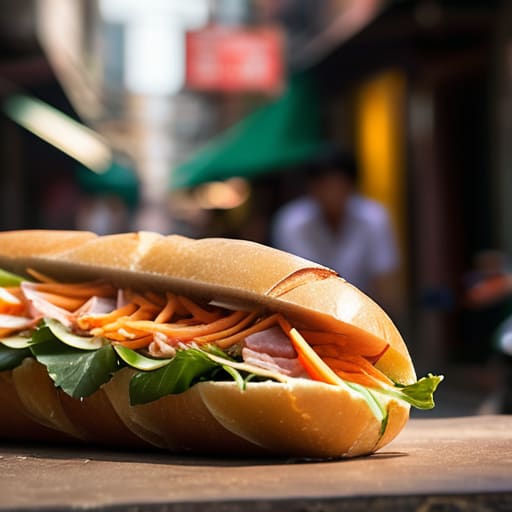
I remember stumbling upon a tiny stall in a humid Saigon alleyway just as the sun was beginning to dip. There was no sign, just a woman with practiced, rhythmic movements slicing through crusty baguettes. The smell was the first thing that hit me—a heady mix of warm yeast and savory pate that felt more like a hug than a scent. It’s a sandwich that demands your full attention, even as you try to navigate the sea of motorbikes around you.
Midnight Magic in a Bowl of Ramen
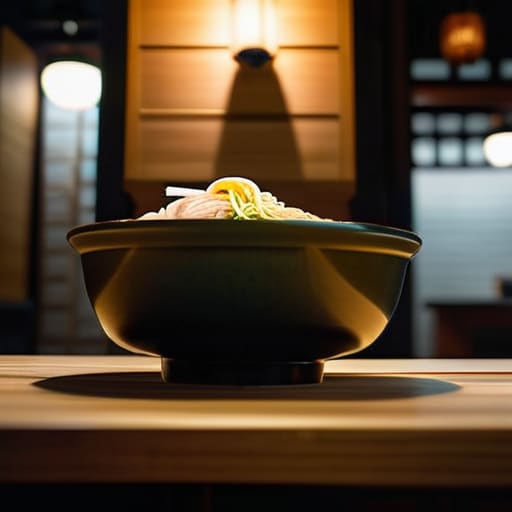
There is a specific kind of loneliness you feel in a foreign city at 2 AM, and honestly, I think it’s one of my favorite feelings. I found myself in a cramped, wood-paneled shop in Tokyo, tucked away from the neon glare of the main streets. The air was thick with the scent of simmering pork bones and toasted sesame, a fragrance so deep it felt like it had been aging for decades. It was the kind of place where the only sound was the rhythmic slurping of locals finding solace in their bowls.
The Spice of the Marrakech Souks
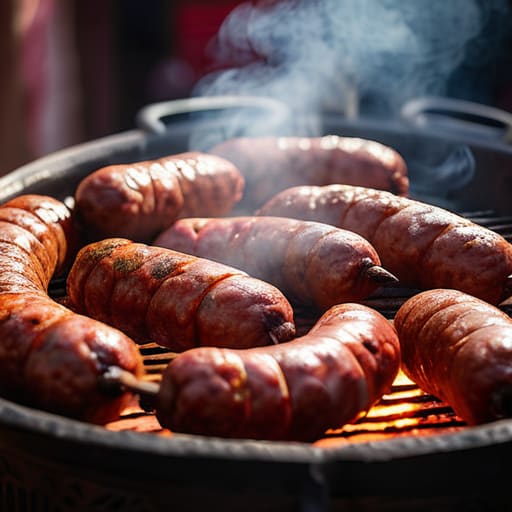
Navigating the Medina in Marrakech is a sensory overload that can leave you feeling completely untethered. My notebook was practically overflowing with descriptions of cumin, saffron, and dried rose petals by the time I reached the food stalls near the square. I settled on a vendor whose stall was nothing more than a charcoal brazier and a mountain of spiced merguez sausages. The smoke hung heavy in the air, weaving through the crowd like a living thing.
Golden Mornings with Arepas
In a small corner of Medellín, I learned that breakfast isn’t just a meal; it’s a communal event. I followed the scent of toasted corn to a small, brightly painted stall where the sound of heavy griddles hitting the heat provided the soundtrack. The arepas were being pressed by hand, the dough smelling sweet and earthy, a scent I’ve since tried to replicate in my own tiny kitchen but always fail to capture.
The Art of the Empanada
While wandering through a bustling market in Buenos Aires, I found myself drawn to a small window where a woman was expertly folding dough into perfect crescents. The air was heavy with the smell of frying oil and seasoned beef, a scent that promised something deeply satisfying. I didn’t need a menu; I just watched the way the locals gathered around, waiting their turn with a sense of quiet, hungry anticipation.
How to Eat Like a Local
Look past the neon signs and polished menus; the most honest flavors are usually found where the locals are lining up on folding stools.
Don’t be afraid of the chaos—the noise, the steam, and the crowded alleys are often the best indicators of a truly authentic kitchen.
Trust your senses, especially your nose, to guide you toward the stalls that actually smell like fresh spices rather than heavy oils.
The Language of the Street
You can learn more about a city’s heartbeat from the scent of charred spices in a narrow alleyway than you ever will from a museum guide; street food isn’t just a quick meal, it’s the most honest conversation a culture has with its people.
Anouk Verhoeven
The Flavor of Real Life
At the end of the day, these five stalls represent more than just a quick bite or a way to satisfy hunger; they are the beating heart of the local rhythm. Whether it was the smoky char of the grilled skewers or that first, unexpected hit of spice from the noodle bowls, each dish tells a story of heritage and survival. We’ve wandered through the narrowest alleys and sat on those uncomfortable plastic stools, but that’s exactly where the magic happens. It’s in those unpolished, chaotic moments—away from the white tablecloths and the curated menus—that you truly begin to understand the soul of a place.
As I pack my notebook and prepare for my next transit, I’m reminded that travel shouldn’t be a checklist of monuments, but a collection of sensory memories. Don’t be afraid to follow your nose into a crowded market or sit beside a stranger in a dim alleyway. The most profound connections often happen when we lower our guard and simply eat what is being shared. So, next time you find yourself in a new city, ignore the glossy guidebooks for a moment. Look for the steam rising from a sidewalk stall and the laughter of locals; that is where you will find the real story waiting to be told.
Frequently Asked Questions
How can I tell if a street food stall is safe to eat at without feeling like I'm being too paranoid?
I used to overthink this, but I’ve learned to trust my senses over my anxiety. Look for the crowds—not the ones with cameras, but the locals grabbing lunch on their break. High turnover means the ingredients are fresh. I also watch the cook: is there a sense of organized chaos, or does it feel neglected? If the stall is busy and the food is being cooked hot right in front of you, you’re usually in good hands.
Are there specific times of day or certain neighborhoods where the best vendors tend to set up?
If you’re looking for the real deal, timing is everything. I’ve learned to avoid the midday lull; the best vendors usually emerge in the late afternoon as the heat breaks, or during the frantic energy of the pre-dawn market hours. Look for the neighborhoods tucked just behind the main thoroughfares—the ones where the locals are actually doing their shopping. If a stall has a crowd of locals and a sense of urgency, you’ve found it.
Do I need to carry a lot of small change, or is it common to pay via mobile apps in these markets?
I’ve learned the hard way that relying solely on my phone is a gamble. While the bigger stalls in cities like Bangkok or Mexico City are increasingly quick with QR codes, the real magic happens at those tiny, family-run carts where the vendor might not even own a smartphone. Always keep a stash of small coins and low-denomination bills tucked in a side pocket of my bag. It saves so much awkwardness when you’re just trying to grab a quick snack.
