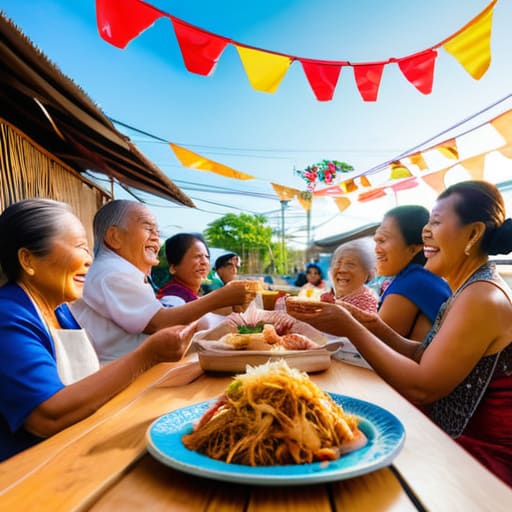
I still have the faint scent of burnt sugar and charcoal clinging to my favorite linen shirt from last month in Cebu. It wasn’t the polished, choreographed parades you see on travel brochures that stayed with me; it was the chaotic, wonderful humidity of a side street where a grandmother was flipping bibingka over glowing coals. To truly understand filipino fiesta culture, you have to move past the bright banners and the loud brass bands and find the quiet, messy magic happening in the backyards and narrow alleys. It’s in the steam rising from a massive pot of adobo and the way a complete stranger will pull out a chair for you without a second thought.
I’m not here to give you a sanitized itinerary or a list of the most “Instagrammable” spots in the archipelago. Instead, I want to take you into the heart of the celebration—the kind that happens on plastic stools and around communal tables. I’ll share what it’s actually like to navigate the overwhelming abundance of a feast and how to find the authentic soul of these celebrations through the food. We’re going to skip the tourist traps and focus on the stories told through shared plates and local flavors.
Table of Contents
The Scent of Traditional Filipino Feast Dishes
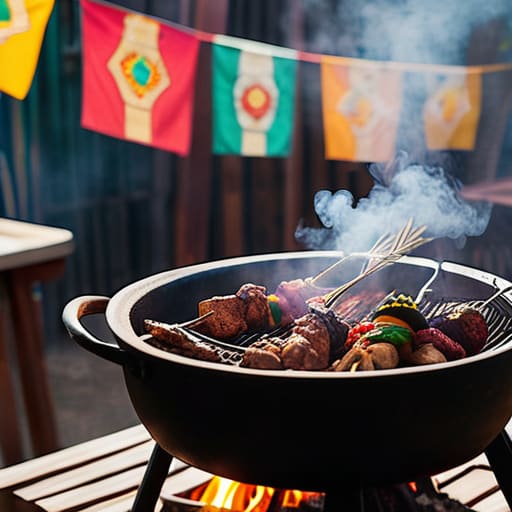
To understand the soul of a fiesta, you have to follow your nose. Long before you see the colorful banners or the chaos of the street dancing performances, the air itself changes. It becomes heavy, warm, and intoxicatingly savory. Walking through a residential neighborhood during patron saint celebrations, I’ve noticed that the scent isn’t just one thing; it’s a layered history. You get the sharp, vinegary tang of adobo simmering in a massive pot, cutting through the sweet, smoky aroma of charcoal-grilled meats wafting from a neighbor’s yard.
It’s in these smells that you truly sense the Bayanihan spirit in festivals. It isn’t just about the food itself, but the sheer scale of it. I remember sitting near a communal kitchen in Cebu, watching hands move in a rhythmic blur—chopping, stirring, and seasoning—as families prepared traditional Filipino feast dishes for anyone who might wander by. There is no such thing as a “private” meal during these times. The aroma of garlic rice and slow-cooked stew acts as an unspoken invitation, a fragrant signal that everyone is welcome at the table.
The Bayanihan Spirit in Festivals and Shared Plates
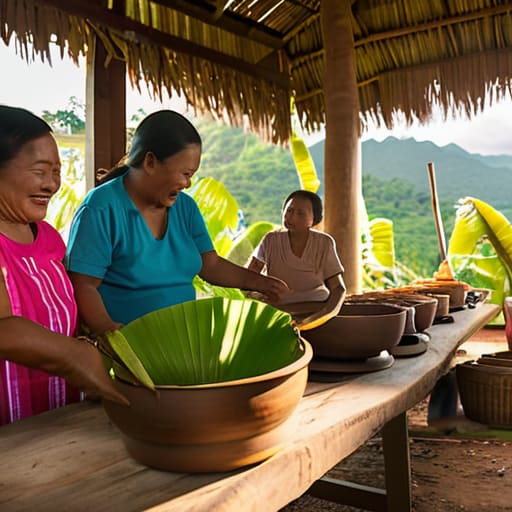
It’s easy to get caught up in the spectacle of the street dancing performances or the bright colors of the decorations, but for me, the real magic happens in the quiet coordination behind the scenes. There is this concept called Bayanihan—the spirit of communal unity—that transforms a simple neighborhood gathering into something much deeper. I watched a group of neighbors in a small Cebuano village spend three days prepping ingredients for a single afternoon, not because they were asked to, but because the feast belonged to everyone. It’s a collective effort where no one is a stranger and no one is left hungry.
This Bayanihan spirit in festivals is most visible in the way homes are thrown open to anyone passing by. I’ve sat at tables where I was a complete outsider, yet I was treated with such intense fiesta hospitality customs that I felt like a long-lost relative. It isn’t just about the food on the table; it’s about the shared responsibility of making sure the community feels whole. In these moments, the feast becomes a vessel for connection, proving that a meal is never just a meal—it’s a way of belonging.
How to Navigate a Fiesta Without Feeling Like a Tourist
- Follow the smell, not the signs. If a street looks too polished or has a menu in five different languages, keep walking. The real magic happens in the narrow alleys where the scent of vinegar and garlic is thick enough to taste.
- Embrace the plastic stool culture. You’ll find the most honest conversations—and the best portions—when you sit on a low stool at a makeshift table in a crowded residential street rather than at a seated restaurant.
- Learn the rhythm of “Salo-Salo.” A fiesta isn’t a solo dining experience; it’s a communal one. If someone offers you a plate, take it. Even if you’re shy, accepting food is the fastest way to move from being an observer to being a guest.
- Watch the hands, not just the plates. Pay attention to how people serve each other—the way a neighbor reaches over to top up your rice or how the elders are served first. It’s a silent language of respect that tells you more than any guidebook ever could.
- Pack light, but leave room for leftovers. Between the heavy stews and the endless trays of sweets, you’ll likely find yourself gifted a small container of something delicious to take with you. It’s the local way of saying, “don’t forget us.”
Beyond the Parade: What the Fiesta Really Teaches Us
A fiesta isn’t just a date on a calendar; it’s a sensory map of a community, where the true history of a town is told through the specific spices in a neighbor’s kitchen rather than a textbook.
The magic lies in the “Bayanihan” spirit—that unspoken rule where the heavy lifting of preparing a feast is shared by everyone, proving that food is the ultimate glue for social connection.
To truly experience a Filipino celebration, you have to look past the bright decorations and find the quiet, messy, and beautiful moments of people sitting together on plastic stools, sharing a meal that feels like home.
## More Than Just a Feast
“A fiesta isn’t really about the spectacle or the colorful banners draped over the streets; it’s found in the way a stranger is pulled toward a table, the steam rising from a communal pot, and that unspoken understanding that there is always, always enough room for one more plate.”
Anouk Verhoeven
More Than Just a Meal
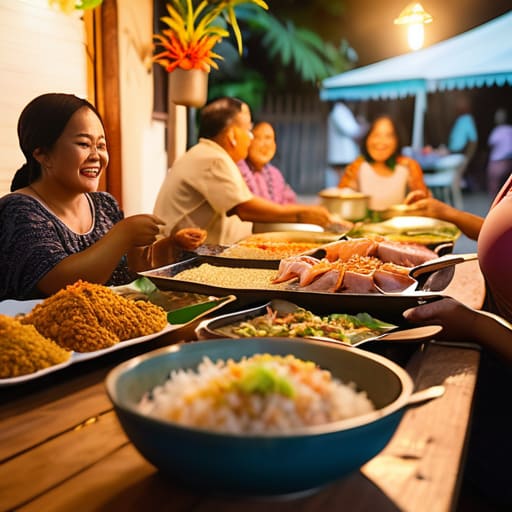
Looking back at the chaos of the markets and the warmth of those shared tables, it’s clear that a fiesta is never just about the food itself. It’s the way the scent of garlic rice lingers in the humid air, the way a stranger becomes a friend over a shared bowl of sinigang, and the underlying spirit of bayanihan that turns a simple meal into a communal lifeline. Whether it’s the meticulous preparation of a slow-roasted lechon or the effortless way neighbors come together to set up long tables on a narrow street, these traditions are the connective tissue of Filipino life.
If there is one thing my notebooks and my travels have taught me, it’s that you don’t need a formal invitation to experience the soul of a place. You just need to be willing to sit down, lean into the noise, and let the flavors tell you their story. The next time you find yourself in a new corner of the world, don’t look for the polished restaurants or the curated tours. Instead, follow the smoke from a backyard grill or the laughter spilling out of a crowded kitchen. That is where the real magic happens, and that is where you will truly find yourself.
Frequently Asked Questions
If I'm traveling during a fiesta, how can I tell the difference between a public parade meant for tourists and a neighborhood celebration where I can actually pull up a chair?
Look for the noise that isn’t choreographed. If there’s a massive stage and a polished emcee, you’re likely watching a spectacle. But if you see long tables being set up on a residential sidewalk, or a group of neighbors arguing playfully over a charcoal grill, follow that. The real magic happens where the music is a bit too loud for the neighbors and the plates are passed around without asking. That’s your invitation.
Are there specific regional dishes I should look for if I want to experience a fiesta outside of the usual Luzon-centric celebrations?
If you’re heading south, skip the Manila crowds and look for Humba in the Visayas—it’s a rich, sweet-savory pork dish that feels like a warm hug. In Mindanao, keep an eye out for Pyanggang, a blackened chicken dish that uses burnt coconut to create this incredible, smoky depth. These aren’t just recipes; they’re the flavors of the landscape, and they tell a much more intimate story than any parade ever could.
Since so much of the food is communal, what is the etiquette for joining a table or accepting a plate in a local household?
In a Filipino home, food isn’t just a meal; it’s an invitation. If you’re invited to sit, don’t be shy—the “kain tayo” (let’s eat) is genuine. Wait for the eldest to start, but never turn down a second helping; refusing can feel like refusing their hospitality. If it’s a boodle fight, use your hands. It’s messy, but that’s the point. It’s about breaking down barriers, one handful of rice at a time.
