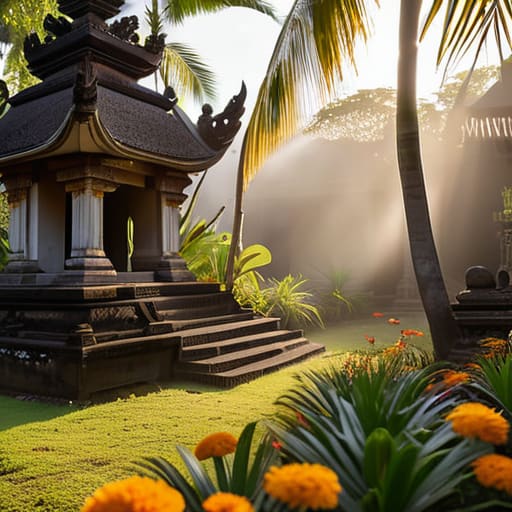
I was sitting on a low, plastic stool at a roadside warung in Ubud, my notebook open and my skin tacky from the humidity, when the smell of burnt sandalwood and crushed frangipani hit me. It wasn’t the curated, “spiritual” experience you see in glossy travel brochures; it was thick, smoky, and lived-in. I watched a woman carefully place a small palm-leaf basket—a canang sari—on the pavement, her movements so rhythmic they felt like a heartbeat. This is the reality of balinese hinduism: it isn’t a philosophy you study in a textbook or a performance for tourists, but a constant, breathing dialogue between the people and the divine that happens right in the middle of the chaos.
I’m not here to give you a dry lecture on theology or a list of temples to check off your bucket list. Instead, I want to pull back the curtain on how these rituals actually shape the rhythm of daily life, from the food shared during ceremonies to the quiet respect found in the smallest village alleys. My goal is to help you see past the spectacle and find the genuine soul of the island through the lens of its most sacred, everyday traditions.
Table of Contents
- Canang Sari Offerings Small Acts of Devotion on Every Corner
- Tri Hita Karana Philosophy the Harmony Found in Everyday Life
- Small Gestures of Respect: How to Move Through Bali Without Breaking the Flow
- The Heart of the Island: What I’ve Learned
- ## More Than Just Ritual
- More Than Just Rituals
- Frequently Asked Questions
Canang Sari Offerings Small Acts of Devotion on Every Corner
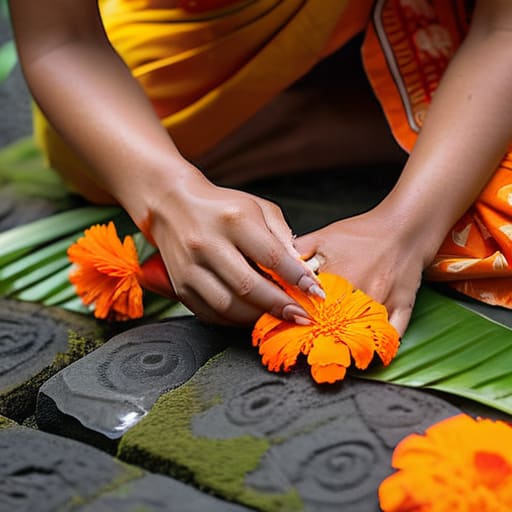
Every morning, before the heat of the day settles over the island, I find myself stepping carefully around small, intricate squares of palm leaf scattered across the stone paths. These are the canang sari offerings, and to the unobservant, they might look like mere debris. But to me, they are a vibrant, fragrant map of daily devotion. I watched a woman in a faded batik sarong meticulously arrange bright marigolds and white jasmine into a tiny vessel, her movements rhythmic and practiced. It isn’t just about the aesthetics; it is a physical manifestation of the tri hita karana philosophy—the delicate, constant effort to maintain harmony between humans, nature, and the divine.
There is a specific scent that accompanies these moments: a heady mix of burning sandalwood incense and the damp, sweet aroma of crushed frangipani. As I sat on a low bench near a village shrine, I realized these offerings aren’t reserved for grand ceremonies at a temple like Pura Besakih. Instead, they are found in the most mundane places—on a car dashboard, a doorstep, or a small kitchen altar. It is a quiet, unpretentious way of staying connected to the spiritual world amidst the chaos of everyday life.
Tri Hita Karana Philosophy the Harmony Found in Everyday Life
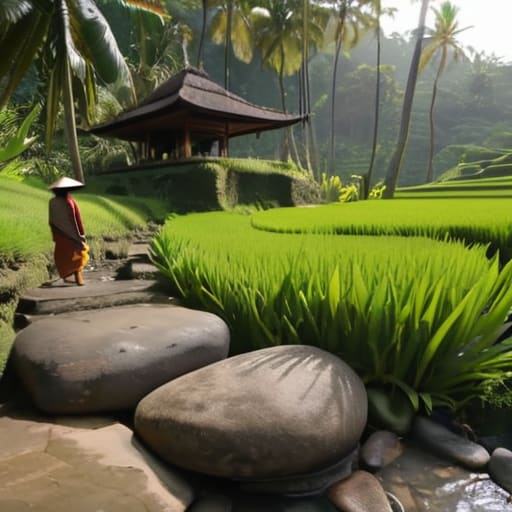
It took me a few weeks of wandering through the terraced rice fields of Ubud to truly grasp the weight of the tri hita karana philosophy. It isn’t something you just read about in a guidebook; it’s something you feel in the rhythm of the island. To the Balinese, life is a delicate balancing act between three pillars: the connection to the divine, the bond between humans, and our relationship with the natural world. I noticed it most clearly while sitting by a small stream, watching a local farmer tend to his crops with a quiet, almost meditative reverence.
This isn’t just abstract spirituality; it is a practical way of existing. You see it in how the community comes together to maintain a temple or how they treat the land that feeds them. There is a profound sense that nothing exists in isolation. Even the smallest purification rituals bali practitioners perform in their home shrines are part of this larger effort to maintain cosmic equilibrium. It’s a beautiful, grounding reminder that harmony is a practice, something we have to actively cultivate every single day through our actions and our intentions.
Small Gestures of Respect: How to Move Through Bali Without Breaking the Flow
- Watch your step on the pavement. When you see a canang sari—those tiny, colorful palm-leaf baskets—resting on the ground or a doorstep, try not to step on them. They aren’t just decorations; they are active prayers, and accidentally crushing one feels a bit like stepping on someone’s whispered intention.
- Dress for the temple, not just the heat. If you find yourself drawn to a local shrine, keep a sarong and a sash in your bag. It’s more than just a rule; covering your shoulders and legs is a way of signaling that you recognize the sanctity of the space you’re entering.
- Silence is a form of participation. When you pass a ceremony in progress, resist the urge to rush through or shout to a friend. Slow your pace, lower your voice, and just observe. There is a specific, heavy kind of peace in those moments that you can only feel if you’re willing to be still.
- Ask before you click. I know the impulse to grab my Leica the second the light hits a procession just right, but always check if the locals are comfortable with your photography. A small nod or a quick gesture of permission goes a long way in maintaining the dignity of their ritual.
- Look for the “why” behind the “what.” Instead of just seeing a parade of color, try to notice the rhythm of the bells or the way the smoke from the incense curls. Understanding that these aren’t performances for tourists, but essential threads in the fabric of daily life, changes how you experience the island entirely.
The Heart of the Island: What I’ve Learned
Balinese Hinduism isn’t something tucked away in a temple; it’s a living, breathing rhythm found in the small offerings on the sidewalk and the way people greet the morning.
True connection comes from observing the balance between the divine, the community, and the natural world—a harmony that shapes everything from their rituals to their recipes.
To truly understand Bali, you have to look past the grand ceremonies and notice the quiet, repetitive acts of devotion that weave the sacred into the fabric of the everyday.
## More Than Just Ritual
“To understand Bali, you have to look past the grand ceremonies and notice the quiet rhythm of a single petal being placed on a small palm-leaf tray; it’s in these tiny, fragrant moments of devotion that the true pulse of the island reveals itself.”
Anouk Verhoeven
More Than Just Rituals
As I pack my notebook away, I realize that Balinese Hinduism isn’t something you simply observe from a distance like a museum exhibit; it is a living, breathing rhythm that dictates the pace of the island. From the meticulous arrangement of Canang Sari on a sun-warmed doorstep to the profound, invisible threads of Tri Hita Karana that bind people to their land and their neighbors, every gesture carries a weight of intention. It is a faith that doesn’t just live in temples, but in the way a vendor greets the morning or how a family shares a meal. Understanding these layers has changed how I see this place—it’s not just a destination, but a constant, beautiful dialogue between the divine and the daily.
If there is one thing I’ve learned from sitting in these quiet corners, it’s that we often look for the “extraordinary” in travel, when the real magic is found in the sacredness of the ordinary. You don’t need to be a scholar to feel the pulse of Bali; you just need to slow down, breathe in the scent of jasmine and clove, and allow yourself to witness the devotion in the small things. I hope that when you find yourself here, you look past the postcard views and seek the quiet rituals that make this island feel so deeply, vibrantly alive.
Frequently Asked Questions
How do these daily rituals change during the major temple festivals like Galungan or Nyepi?
When the big festivals hit, the quiet rhythm of the island shifts into something much more vibrant. During Galungan, the streets transform; every house is draped in penjor—those towering bamboo poles—and the air feels heavy with the scent of fresh flowers and celebration. Then there’s Nyepi, which is the complete opposite. The island goes silent. No lights, no noise, no travel. It’s a profound, collective breath that makes you realize how much we rely on that shared stillness.
Is there a way for travelers to respect these sacred spaces without feeling like we are intruding on private worship?
It’s a question I’ve asked myself countless times, usually while clutching my camera and feeling like a bit of an interloper. The key is observation over participation. I try to treat temples like a quiet library—move softly, keep the volume down, and always check if a sarong is required before stepping onto sacred ground. If you approach with genuine curiosity rather than just looking for a “shot,” the locals usually sense that respect.
Beyond the offerings and temples, how does this belief system influence the way Balinese people approach their food and local ingredients?
It’s in the way a vendor selects their produce. In Bali, food isn’t just fuel; it’s an extension of Tri Hita Karana. I’ve noticed how much care goes into the balance of flavors—spices like galangal and turmeric aren’t just for taste, but for harmony. Even a simple market stall feels intentional, as if every ingredient is chosen to respect the connection between the land, the divine, and the community sharing the meal.
