Category: Culture

  • The Cultural Significance of the South African Braai

    The Cultural Significance of the South African Braai

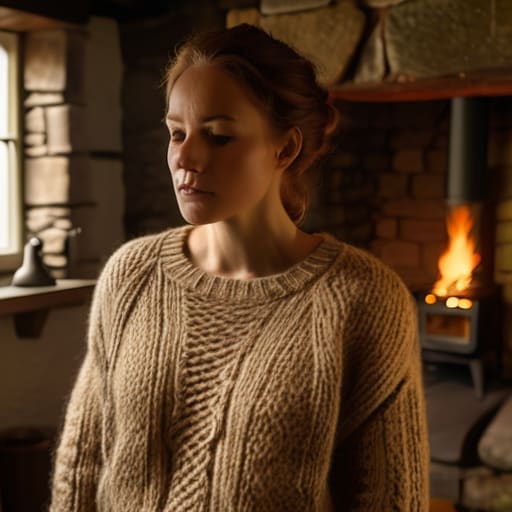
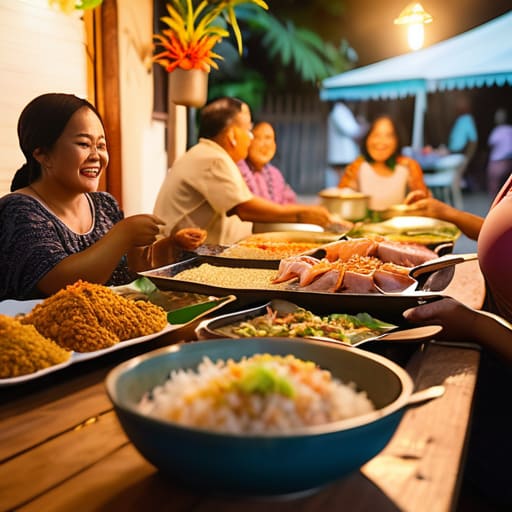
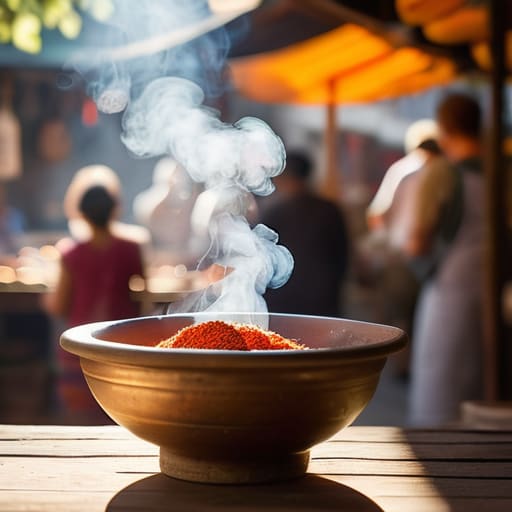
    I can still smell it if I close my eyes: that heavy, intoxicating mix of woodsmoke, salt, and sun-warmed earth that clings to your skin long after the sun has gone down. I remember sitting on a low plastic chair in a dusty backyard outside of Stellenbosch, watching a man move with practiced, quiet grace around a pile of glowing embers. There were no fancy sous-vide machines or expensive kitchen gadgets in sight—just a cast-iron grid, some local spices, and the rhythmic crackle of kameeldoring wood. That was my first real introduction to the south african braai, and it taught me more about hospitality than any five-star dining experience ever could. It wasn’t about the spectacle; it was about the unhurried ritual of waiting for the coals to be just right.

    I’m not here to give you a sanitized, tourist-friendly version of how to cook over a fire. Instead, I want to pull back the curtain on what makes this tradition actually work. I’ll share the honest, unpolished essentials—from choosing the right wood to the social etiquette that you won’t find in a guidebook—so you can move past the hype and find the true heart of the flame.

    Table of Contents

    Charcoal vs Wood Braai Choosing the Scent of Home

    Charcoal vs Wood Braai Choosing the Scent of Home

    If you ask any local, you’ll quickly realize that the debate over charcoal vs wood braai isn’t just about convenience; it’s about the very soul of the fire. When I first sat around a pit in the Karoo, I realized that charcoal is the choice for the impatient or the urbanite—it’s predictable, clean, and provides a steady heat that’s perfect for quick searing. But there is a certain efficiency to it that lacks the poetry of the alternative.

    For me, nothing compares to the ritual of using hard wood. There is a specific, intoxicating aroma that clings to your clothes and hair when you cook over glowing embers of kameeldoring or sekelbos. It’s a slow, meditative process that dictates the pace of the entire evening. This patience is deeply woven into the south african social culture; you don’t just “cook” a meal, you inhabit the space around the flames. The wood doesn’t just heat the meat; it seasons the air, turning a simple dinner into a sensory memory that stays with you long after the embers have cooled.

    Braai Meat Types and the Art of South African Outdoor Cooking

    Braai Meat Types and the Art of South African Outdoor Cooking.

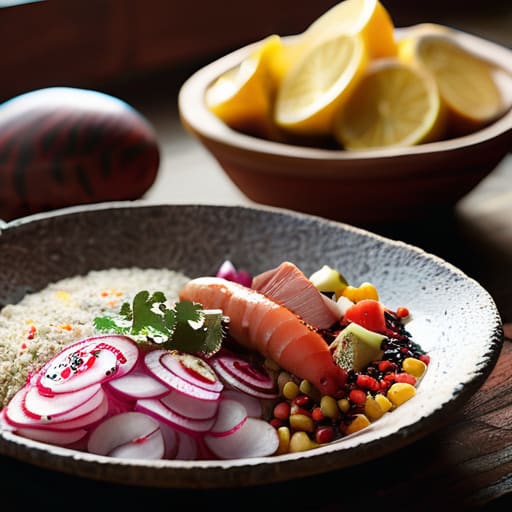
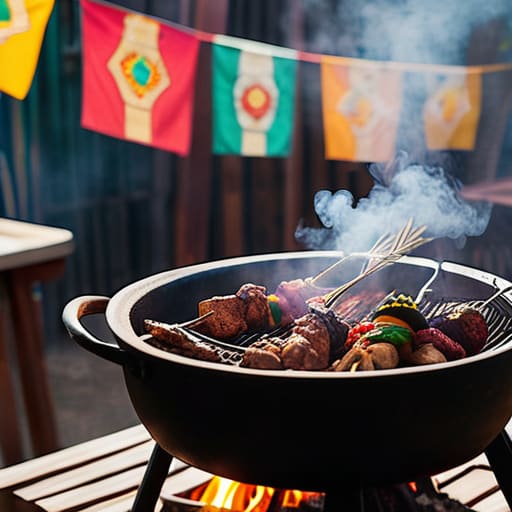
    When you finally get close enough to the heat, the sheer variety of braai meat types can feel a bit overwhelming if you aren’t prepared. It isn’t just about throwing whatever is in the fridge onto the grid; there is a specific rhythm to it. You’ll see thick, marbled steaks being seasoned heavily with coarse salt, alongside boerewors—that iconic, spiced farmer’s sausage that curls beautifully as it hits the coals. There is something deeply primal about watching a lamb chop sizzle while the fat drips into the embers, creating that specific scent I always try to capture in my notebook.

    But the meat is only half the story of south african outdoor cooking. To truly understand the meal, you have to look at what’s happening on the periphery. A real spread is anchored by traditional braai sides like pap en sous (a stiff maize porridge) or a tangy, creamy potato salad that cuts through the richness of the grilled proteins. It’s this balance of heavy, smoky flavors and bright, acidic accompaniments that makes the experience feel complete. It’s less of a meal and more of a sensory ritual shared among friends.

    The Unwritten Rules: Small Details That Make the Difference

    • Don’t rush the coals. A real braai isn’t about immediate gratification; it’s about patience. Wait until the embers are glowing a soft, even orange before you even think about touching the meat. If there are still dancing flames, you’re just going to scorch the outside and leave the middle raw.
    • Respect the hierarchy of the grill. In a true South African gathering, the person at the fire—the braaimaster—is a sacred role. It’s not just about cooking; it’s about timing the sides, the meat, and the conversation so everything hits the table at once.
    • Salt is your best friend, but use it early. I’ve learned that seasoning your meat well before it hits the heat allows those flavors to actually penetrate the fibers. A simple, coarse sea salt is often all you need to let the quality of the local beef or lamb speak for itself.
    • Keep the sides simple and seasonal. You don’t need a complex menu to impress. A crisp green salad, some garlic bread, or even just a bowl of sliced seasonal fruit is enough to balance out the heavy, smoky richness of the grilled meat.
    • Embrace the “braai side” conversation. The food is the centerpiece, but the magic happens in the gaps between bites. Never treat the braai as a chore to be finished quickly; treat it as the slow, rhythmic heartbeat of the afternoon.

    The Heart of the Braai

    It’s never just about the meat; the true magic lies in the slow, unhurried ritual of gathering around the fire with people you love.

    Mastering the flame is a sensory experience, where the choice between wood and charcoal dictates the entire mood and scent of the evening.

    To eat like a local, look past the fancy cuts and embrace the simplicity of well-seasoned, smoke-kissed food shared in a backyard setting.

    More Than Just a Meal

    Braai ritual is More Than Just a Meal.

    “You haven’t truly tasted South Africa until you’ve stood in the hazy, salt-tinged smoke of a backyard fire, realizing that a braai isn’t just about the meat on the grid—it’s the rhythmic heartbeat of the people gathered around it.”

    Anouk Verhoeven

    More Than Just a Meal

    At the end of the day, mastering the braai isn’t about following a strict recipe or having the most expensive cuts of meat. It’s about understanding that the ritual—from choosing the right hardwood for that specific scent to the patient wait for the coals to turn grey—is what defines the experience. Whether you’re experimenting with different marinades or sticking to the classic simplicity of salt and pepper, the goal is to honor the process. It’s a delicate balance of heat, timing, and intuition that transforms a simple outdoor cookout into something much deeper than just a way to satisfy hunger.

    As I sit here, notebook in hand, jotting down the scent of woodsmoke clinging to my sweater, I’m reminded why I travel in the first place. We don’t go to new places just to see monuments; we go to find the heartbeat of a community. In South Africa, that heartbeat is rhythmic, steady, and fueled by fire. A braai is a reminder that the best connections happen when we slow down, step away from the polished dining rooms, and gather around the embers. It’s in these smoky, unscripted moments that we truly begin to taste the soul of a culture.

    Frequently Asked Questions

    What are the essential side dishes, like pap or chakalaka, that turn a simple cookout into a proper feast?

    You can’t just have meat; you need the sides to balance the smoke. For me, it’s all about the textures. A warm, creamy bowl of pap is the ultimate comfort, especially when you top it with a spicy, vegetable-heavy chakalaka to cut through the richness of the meat. I also love a simple, tangy tomato and onion salad—it’s nothing fancy, just fresh, bright, and exactly what a heavy braai needs.

    How do I know when the coals are actually ready to cook without burning the meat?

    I’ve spent too many afternoons hovering over a grill, watching meat char too quickly because I was too impatient. My rule of thumb? Look for the glow. You aren’t looking for roaring flames; you want a steady, shimmering bed of grey ash covering bright orange coals. If you can hold your hand about six inches above the heat for only a few seconds before it’s too hot, you’ve hit that sweet spot.

    Is there a specific etiquette or social "unwritten rule" I should follow when I'm invited to someone's backyard braai?

    If you’re invited to a braai, the most important thing to remember is that you aren’t just a guest; you’re part of a communal rhythm. Never show up empty-handed—a bottle of wine or something for the fire is standard. Most importantly, don’t hover over the braai master like a critic. Let them work their magic. The real etiquette is found in the conversation and the shared plates, not in being the loudest person at the table.

  • Life and Culture in the Nepalaese Himalayas

    Life and Culture in the Nepalaese Himalayas

    The smell of woodsmoke and fermented radish always hits me before I even see the village. I remember sitting on a damp stone step in a small hamlet outside Manang, my fingers numb from the altitude, watching an elderly woman meticulously sort dried lentils by the light of a single butter lamp. Most people travel to the Himalayas thinking they are chasing grand vistas or spiritual enlightenment, but they often miss the actual heartbeat of nepal mountain culture. It isn’t found in the glossy trekking brochures or the high-altitude luxury lodges; it’s in the quiet, rhythmic labor of daily life and the steam rising from a communal pot of dal bhat.

    I’m not here to sell you on a curated, sanitized version of the mountains. Instead, I want to pull back the curtain on what it actually feels like to live—not just visit—in these high-altitude communities. I’ll be sharing the stories I’ve gathered from small kitchen tables and dusty trails, focusing on the authentic connections that happen when you stop rushing toward the next peak. This is about the food, the hospitality, and the unvarnished reality of life above the clouds.

    Table of Contents

    Sherpa Heritage and History More Than Just Climbing

    Sherpa Heritage and History More Than Just Climbing

    When people think of the Sherpa, their minds immediately drift to the summit of Everest or the adrenaline of high-altitude expeditions. But sitting in a small, smoke-scented kitchen in Khumjung, you realize that their identity isn’t defined by the peaks they help others conquer, but by the deep roots they’ve planted in the soil. To understand Sherpa heritage and history, you have to look past the climbing gear and toward the prayer flags fluttering against the wind. Their lineage is a beautiful, complex tapestry woven from centuries of migration and a profound spiritual connection to the land.

    Life here is shaped by the rhythms of Tibetan Buddhism in Nepal, which dictates everything from the architecture of the stone houses to the way a neighbor greets another. It isn’t just a religion; it’s a way of navigating a landscape that can be as unforgiving as it is beautiful. I’ve noticed how their mountain village customs prioritize a quiet, collective resilience—a necessity for anyone mastering a high altitude lifestyle. It’s in these small, unhurried moments, like watching a grandmother grind barley for tsampa, that you see the true strength of their history.

    Mountain Village Customs Found in a Steaming Cup of Tea

    Mountain Village Customs Found in a Steaming Cup of Tea

    In the high-altitude villages of the Solu-Khumbu, tea isn’t just a beverage; it’s a social contract. I remember sitting in a dim, smoke-filled kitchen in Namche, my fingers numbed by the wind, as a local woman handed me a wooden bowl of yak butter tea. The scent was heavy—salty, fatty, and earthy—a stark contrast to the crisp, thin air outside. This isn’t the delicate green tea you find in a city cafe; it’s a survival tool. For the various Himalayan ethnic groups navigating this terrain, the ritual of pouring tea is a way to slow down and acknowledge one another.

    As you sip, you notice the small, quiet ways Tibetan Buddhism in Nepal weaves into the domestic rhythm. A prayer wheel turns in the corner, and the steam from the pot seems to carry the silent intentions of the household. These mountain village customs aren’t performed for an audience; they are simply the fabric of a high-altitude lifestyle. To sit there, wrapped in a wool blanket and sharing a salty brew, is to realize that the most profound connections aren’t found at the summit, but in the warmth of a shared cup.

    How to move through the mountains with intention

    • Leave the itinerary behind and follow your nose; the most meaningful cultural exchanges happen when you wander into a village kitchen simply because the scent of toasted barley or simmering dal is too inviting to ignore.
    • Learn the rhythm of the tea; in the mountains, a cup of tea isn’t just a caffeine fix, it’s a social contract, so never rush your drink—sit, observe, and let the conversation unfold at its own pace.
    • Pack a small, meaningful gift that doesn’t feel like charity; instead of mass-produced trinkets, I’ve found that sharing high-quality tea leaves or a unique spice from your home country can open doors (and hearts) far more effectively.
    • Respect the sacred silence of the trails; when you pass a mani wall or a prayer flag, slow your pace and offer a quiet nod rather than rushing past with a camera lens clicking—the mountains demand a certain level of reverence.
    • Listen more than you speak; my anthropology background taught me that the best stories aren’t found in guidebooks, but in the quiet pauses between a local’s sentences as they describe their connection to the land.

    The Heartbeat of the Highlands

    Understanding Nepal means looking past the summit of Everest and instead focusing on the resilience and deep-rooted traditions of the people who call these slopes home.

    The true essence of mountain life isn’t found in a guidebook, but in the small, intentional rituals of hospitality—like the warmth of a shared cup of tea in a remote village.

    To connect with the culture, you have to slow down and listen to the stories told through food, heritage, and the quiet rhythms of everyday survival in the high altitudes.

    The Language of the Hearth

    “In the high Himalayas, culture isn’t something you find in a museum; it’s something you taste in the salt of a shared broth and feel in the quiet rhythm of a mountain kitchen, where every meal is a slow, deliberate act of survival and community.”

    Anouk Verhoeven

    Beyond the Horizon

    Himalayan village life Beyond the Horizon.

    As I pack my notebook away, the scent of juniper smoke still clinging to my jacket, I realize that Nepal is so much more than a backdrop for high-altitude conquest. It is a delicate tapestry woven from the resilience of the Sherpa people, the quiet rituals found in a shared cup of butter tea, and the deep-rooted traditions that pulse through every mountain village. To understand this landscape, you have to look past the summits and instead look toward the hearths—the places where history isn’t just remembered, but actively lived through every meal and every shared story. It is in these small, unscripted moments that the true heartbeat of the Himalayas reveals itself.

    If there is one thing my travels have taught me, it’s that we often search for greatness in the grandest views, when we should be looking for it in the simplest connections. The mountains don’t demand your awe; they invite your presence. So, when you finally find yourself navigating those winding, dusty trails, I urge you to slow down. Don’t just chase the peak; sit with the locals, listen to the rhythm of the village, and let the culture soak into your skin like the mountain mist. Because in the end, we don’t travel to see new landscapes, but to find new ways of belonging to the world.

    Frequently Asked Questions

    How can I visit these remote mountain villages without accidentally disrupting their daily rhythms or sacred traditions?

    The best thing you can do is slow down. When you arrive, don’t rush to snap photos; instead, sit, observe, and let the village rhythm find you. Always ask before pointing a lens at someone, and if you’re invited into a home, follow their lead—even if it means sitting on the floor or eating with your hands. Respect the silence of the prayer flags and the sanctity of the local shrines. Being a guest means listening more than you speak.

    Are there specific seasonal festivals in the high Himalayas that offer a glimpse into local spiritual life?

    If you time your trek right, the festivals are breathtaking. In the high valleys, the Losar celebrations mark the Tibetan New Year, turning entire villages into a kaleidoscope of prayer flags and ritual dances. But for me, nothing beats the masked dances during Mani Rimdu. Watching the monks move through the incense-heavy air is transformative; it’s not a performance for tourists, but a raw, rhythmic pulse of devotion that stays with you long after the drums fade.

    Beyond the tea houses, what are some of the most authentic ways to experience local mountain cuisine during a trek?

    To really taste the mountains, you have to look past the menus. I always try to find the small, family-run homestays where the kitchen is the heart of the house. There’s nothing quite like sitting on a floor mat while a local grandmother prepares dal bhat over a wood-burning stove. If you see a small group gathering around a communal pot in a village square, ask if you can join. That’s where the real magic happens.

  • Major Thai Festivals and Their Meanings

    Major Thai Festivals and Their Meanings

    I still remember sitting on a plastic stool in a Chiang Mai alleyway, my notebook damp from the humidity, trying to ignore the chaos of a nearby procession. While the guidebooks were busy screaming about the “must-see” spectacles and the massive, choreographed parades that cost a fortune to attend, I was actually focused on the scent of charred lemongrass and jasmine garlands wafting from a nearby stall. Most people approach thai festivals as if they are checking items off a tourist bucket list, chasing the loudest fireworks or the most Instagrammable light displays. But if you only follow the crowds, you’ll miss the very thing that makes these celebrations matter: the quiet, communal pulse that happens in the spaces between the big events.

    I’m not here to give you a polished itinerary of the most expensive VIP viewing areas. Instead, I want to show you how to find the heartbeat of these traditions through the food, the people, and the small, unscripted moments. My goal is to guide you toward the authentic soul of these celebrations, focusing on the local markets and backstreet gatherings where the real stories are actually told.

    Table of Contents

    The Spiritual Meaning of Thai Ceremonies and Shared Meals

    The Spiritual Meaning of Thai Ceremonies and Shared Meals.

    It’s easy to get caught up in the spectacle of the water fights or the glow of a thousand floating lanterns, but if you sit still long enough, you realize these aren’t just parties. There is a profound spiritual meaning of Thai ceremonies that hums beneath the surface of every celebration. I remember sitting on a worn wooden stool in a Chiang Mai temple during a recent lunar cycle, watching an elderly woman carefully arrange jasmine garlands. She wasn’t performing for a crowd; she was participating in a quiet, rhythmic connection to her ancestors.

    Many of the traditional Thai holidays are anchored to the cycles of the moon, dictating when we gather to give thanks or let go of the past. Whether it’s the cleansing intent behind the cultural significance of Songkran or the meditative release found during Loy Krathong, these moments are about more than just ritual. They are about the communal act of renewal. When you share a meal during these times, you aren’t just eating; you are participating in a sacred exchange of hospitality that has remained unchanged for generations.

    Navigating the Thai Lunar Calendar Celebrations.

    Trying to pin down a specific date for travel can feel like a moving target here. Unlike the fixed Gregorian calendar we’re used to, many of the most profound thai lunar calendar celebrations shift with the cycles of the moon. I’ve learned the hard way that if you’re looking for the best time to visit Thailand for festivals, you can’t just look at a standard calendar; you have to look at the sky. It’s a rhythmic, breathing way of marking time that dictates when the rice is harvested and when the temples come alive with offerings.

    I remember sitting on a low wooden stool in a small village in Chiang Mai, watching the moon swell toward fullness. It was just days before the Loy Krathong festivities began. There is a certain quiet anticipation that settles over the country during these lunar transitions. You feel it in the way the market vendors prepare different seasonal sweets or how the scent of jasmine becomes more heavy in the evening air. It isn’t just about the spectacle; it’s about aligning your own pace with the natural world.

    A Few Things I’ve Learned Before Getting Lost in the Crowd

    • Pack light, but pack smart. If you’re heading into a festival, leave the heavy camera gear in the hotel. I’ve found that a single roll of film and a small crossbody bag allow me to move through crowded markets without feeling like a walking obstacle.
    • Follow the steam, not the signs. When the main festival streets get too overwhelming, look for the narrow alleys where the smoke from charcoal grills is thickest. That’s usually where the real food—and the real locals—are hiding.
    • Respect the quiet moments. It’s easy to get swept up in the noise of a parade, but some of the most profound parts of a ceremony happen in the stillness of a temple courtyard. Take a breath, step back, and just observe before you start snapping photos.
    • Learn the “thank you” in the local dialect. A small, sincere gesture goes a long way when you’re sitting on a plastic stool in a cramped stall, sharing a space with people who have lived there their whole lives.
    • Don’t try to see it all. The temptation to check every single temple or parade off a list is real, but you’ll miss the soul of the place if you’re constantly rushing. Pick one celebration, find a good spot to sit, and let the rhythm of the day find you.

    Finding the Heart of the Celebration

    Look past the spectacle; the true spirit of a Thai festival isn’t found in the grand processions, but in the quiet, shared moments around a steaming bowl of street food or a communal table in a back alley.

    Use the lunar calendar as your guide to timing, but let your curiosity lead you toward the local markets where the seasonal ingredients and traditional scents tell the real story of the season.

    Approach every ceremony with an open palate and an observant eye, understanding that in Thailand, food is the most honest language of connection between people and their traditions.

    The Heartbeat of the Celebration

    “If you want to truly understand a Thai festival, stop looking at the stage and start looking at the steam rising from a shared bowl of noodles in a crowded alleyway; that’s where the real ritual lives, in the quiet, messy, delicious connection between people.”

    Anouk Verhoeven

    Finding Your Own Rhythm

    Finding Your Own Rhythm in Thai festivals.

    Looking back at the cycle of these celebrations, it’s clear that a Thai festival is never just about the spectacle of the parade or the brightness of the lanterns. It’s a complex tapestry woven from deep spiritual devotion, the precision of the lunar calendar, and—most importantly—the communal act of breaking bread. Whether you are navigating the rhythmic rituals of a temple ceremony or simply finding a seat on a plastic stool during a street festival, you are participating in a living history. These moments remind us that traditions aren’t museum pieces; they are vibrant, breathing connections that bind a community together through shared flavors and sacred traditions.

    If you decide to travel through Thailand during these times, my advice is to leave your rigid itinerary at the hotel. Don’t just chase the most photographed landmarks; instead, follow the scent of jasmine and frying garlic into the side streets. Let the chaos of a crowded market or the quiet hush of a candlelit shrine guide you. When you stop trying to “see” everything and start allowing yourself to actually feel the pulse of the place, that is when the real magic happens. Travel isn’t about checking a festival off a list—it’s about finding home in a place you’ve never been before.

    Frequently Asked Questions

    How can I find the smaller, more intimate community celebrations if I want to avoid the massive crowds of the main festivals?

    To find those quieter moments, you have to look past the official tourism calendars. I usually skip the main city squares and head toward the smaller sois or village temples on the outskirts. Ask the local shopkeepers or the person running the noodle stall if there’s a neighborhood celebration coming up. Often, the most beautiful rituals happen in a temple courtyard or a shared alleyway, where the focus is on community, not crowds.

    Are there specific etiquette rules I should follow when being invited to join a local family's meal during a religious ceremony?

    It’s a huge honor to be invited, so don’t panic. First, wait for the eldest person to start eating before you pick up your spoon. If you’re offered something on a communal plate, use the serving spoon rather than your own. And a small tip from my notebook: always keep your feet tucked away from the table or toward the floor; pointing your soles at someone or a shrine is a big no-no.

    Which festivals are best for someone who wants to focus more on the local food markets and seasonal ingredients rather than the large-scale parades?

    If you want to skip the spectacle and head straight for the stalls, look toward the Songkran period or the smaller regional harvest festivals. During Songkran, even away from the water fights, the markets overflow with seasonal mangoes and jasmine-scented treats. But for me, the real magic is during the Loi Krathong season in smaller towns; the local night markets become a sensory overload of grilled river fish and seasonal sweets that feel much more intimate than any parade.

  • Embracing the Mediterranean Lifestyle

    Embracing the Mediterranean Lifestyle

    I was sitting in a cramped, overpriced bistro in Santorini last summer, staring at a “Mediterranean Bowl” that looked more like a sad, deconstructed salad from a high-end supermarket than actual food. It was expensive, sterile, and completely missed the point of what a true mediterranean lifestyle actually feels like. To me, that bowl wasn’t culture; it was just marketing in a plastic container. We’ve been sold this idea that living this way requires expensive superfoods and aesthetic, minimalist plating, but that’s a lie that ignores the grit and the soul of the real thing.

    I’m not here to give you a list of trendy ingredients or a checklist for your Instagram feed. Instead, I want to take you into the narrow, sun-baked alleyways where the real magic happens—the kind of places where the food is seasonal because it’s all there is, and the pace of life is dictated by the sun rather than a clock. I promise to share the honest, unpolished truth about how to find that connection through small, quiet moments and the simple, messy joy of eating what the earth actually provides.

    Table of Contents

    Blue Zones Longevity Secrets Found in Small Village Kitchens

    Blue Zones Longevity Secrets Found in Small Village Kitchens

    Last month, while tucked away in a tiny, sun-bleached village on the edge of Crete, I realized that the real blue zones longevity secrets aren’t found in a wellness retreat or a boutique gym. They are hidden in the rhythmic, almost meditative way an elderly woman handles a handful of wild greens. There is no rushing here. Watching her prep a meal, I saw how much stress reduction through slow living is baked into the very act of chopping vegetables or waiting for olive oil to warm in a heavy pan. It’s a quiet, deliberate pace that feels like a rebellion against everything I left behind in my city life.

    In these kitchens, the food is inseparable from the people. I sat at a scarred wooden table where the conversation flowed as easily as the local wine, witnessing firsthand how social connection and wellness are fueled by the simple act of breaking bread together. It isn’t just about the nutrients on the plate; it’s about the shared stories and the way a meal becomes a communal anchor. Here, eating is a way of belonging.

    Seasonal Mediterranean Ingredients and the Art of Mindful Eating Practices

    I’ve learned that the rhythm of a meal is dictated by the calendar, not a grocery store aisle. In the small coastal towns I frequent, you don’t see tomatoes in the middle of winter; instead, you see the heavy, earthy scents of roasted root vegetables and bitter greens. This reliance on seasonal Mediterranean ingredients isn’t just about flavor—though, believe me, a sun-ripened peach in August is incomparable—it’s about a fundamental respect for the land’s natural cycles. When you eat what is currently thriving, you aren’t just consuming nutrients; you are participating in a local rhythm that feels deeply grounding.

    Beyond the ingredients themselves, there is a quiet discipline in how these foods are consumed. It isn’t about counting calories, but rather about mindful eating practices that turn a simple lunch into a sensory experience. I often sit in these cramped, sun-drenched cafes and watch how people linger. They aren’t scrolling through phones; they are tasting, smelling, and actually chewing. This intentionality creates a sense of stress reduction through slow living, transforming the act of nourishment into a way to recalibrate the soul.

    Small Rituals for a More Intentional Table

    Small Rituals for a More Intentional Table
    • Stop treating lunch like a chore to be checked off a list. In most of the villages I’ve visited, the midday meal is a hard boundary—a time to sit, breathe, and actually taste the olive oil on your bread rather than swallowing it while staring at a screen.
    • Shop with your nose, not just your eyes. I’ve learned that the best way to embrace the local rhythm is to skip the supermarket aisles and head to the morning markets. When you buy a tomato that actually smells like sun and soil, you’re participating in a much older, slower cycle of life.
    • Embrace the “messy” social aspect of eating. A Mediterranean table isn’t about perfect plating or quiet conversation; it’s about the loud, overlapping stories and the shared plates that force you to reach across the table and connect with the person sitting next to you.
    • Let the seasons dictate your grocery list, not your cravings. There is a certain grounding peace that comes from eating what is actually available. When you eat what the earth is offering right now, you stop fighting the calendar and start moving with it.
    • Keep it simple and let the ingredients speak. You don’t need complex recipes or expensive gadgets to eat well. Most of the most profound meals I’ve experienced involved just three or four high-quality components—a crust of sourdough, a handful of salty olives, and a drizzle of something golden.

    What I’ve Learned from the Table

    Real health isn’t found in a supplement bottle; it’s in the slow, rhythmic way a village prepares its vegetables and the community that gathers to eat them.

    To eat like the Mediterranean, you have to stop chasing convenience and start following the seasons—learning to crave what is fresh and local rather than what is easy.

    The most important ingredient in any meal isn’t a spice, but the time we take to actually sit down, put our phones away, and connect with the people across from us.

    More Than Just a Menu

    Mediterranean lifestyle: More Than Just a Menu.

    “The Mediterranean lifestyle isn’t a set of dietary rules you follow; it’s the slow, intentional rhythm of a life lived around a table, where the most important ingredient is always the time we take to actually sit and be present with one another.”

    Anouk Verhoeven

    More Than Just a Menu

    As I sit here in this tiny, sun-faded cafe, looking over my notes, it’s clear that the Mediterranean way of life isn’t some rigid set of dietary rules you can find in a wellness magazine. It’s a delicate, beautiful weave of intentionality and connection. We’ve looked at how the longevity of the Blue Zones isn’t just about the olive oil, but the community around the table, and how the rhythm of the seasons dictates what ends up in the basket. To live this way is to reject the rush of modern life in favor of slow, seasonal, and deeply human rhythms.

    Ultimately, I’ve learned through my travels that you don’t need to move to a coastal village to find this magic. You can find the soul of the Mediterranean in the way you choose to shop at your local market, or in the decision to put your phone away and actually taste your food. It’s about reclaiming those quiet, everyday moments that make life feel substantial. So, next time you sit down to eat, I hope you don’t just fuel your body, but nourish your spirit by being truly present in the kitchen.

    Frequently Asked Questions

    How can I recreate that slow, Mediterranean way of eating when I'm stuck in a fast-paced city with limited access to fresh markets?

    It’s a struggle I feel every time I land in a concrete jungle. When the local market is just a sterile supermarket, I lean into ritual. I buy one beautiful, seasonal thing—a bunch of heirloom carrots or a ripe peach—and make it the center of my meal. I turn off my phone, light a candle, and actually taste the food. It’s about creating a micro-sanctuary of slowness, even if it’s just at my tiny kitchen table.

    Is the Mediterranean lifestyle more about the specific ingredients on the plate, or is the social connection during meals actually the more important part?

    Honestly? It’s a bit of a trick question. If I only focused on the olive oil and the tomatoes, I’d be missing the heartbeat of it all. The ingredients are the foundation, sure, but they’re just the medium. The real magic—the part that actually sticks to your ribs—is the slow, messy, loud connection that happens across the table. You can eat the finest produce in the world, but without the shared laughter, it’s just fuel.

    Beyond the food, what are some small, everyday habits from these coastal cultures that I can actually integrate into a modern, busy routine?

    It’s easy to think these habits require a villa in Crete, but they’re actually quite small. I’ve started practicing la pausa—even if it’s just ten minutes without my phone, just sitting with a coffee. I also try to prioritize “social eating,” even if it’s just a quick dinner with a friend rather than eating over my laptop. It’s about slowing down the friction of modern life through small, intentional pauses.

  • The Daily Life of Mongolian Nomads

    The Daily Life of Mongolian Nomads

    The smell of fermented mare’s milk—sharp, tangy, and unapologetically heavy—is something no glossy travel brochure can ever truly prepare you for. I remember sitting on a low wooden stool in a ger near the Orkhon Valley, my fingers numb from the wind, watching a grandmother stir a massive pot of mutton fat. Most people approach the idea of mongolian nomadic life through a lens of romanticized, sweeping landscapes, but they miss the visceral reality of it: the grit of dust in your teeth, the constant rhythm of livestock, and the profound, quiet weight of a kitchen that functions as the entire world.

    I’m not here to sell you on a sanitized, “Instagrammable” version of the steppe. Instead, I want to take you past the curated tour groups and into the actual mechanics of how these families live, eat, and endure. We’re going to look at the real stories found in the steam of a shared bowl of suutei tsai and the seasonal shifts that dictate every movement. This is about understanding the deep connection between the land and the plate, stripped of the hype.

    Table of Contents

    Ger Tent Living Finding Home in a Moving World

    Ger Tent Living Finding Home in a Moving World

    There is a specific kind of rhythm to life inside a ger that you can’t quite grasp until you’ve spent a night listening to the wind whip against the felt walls. It isn’t just about shelter; it’s about a highly sophisticated form of steppe ecosystem adaptation. Everything within these circular walls has a purpose and a place. As I sat near the central stove, watching the smoke curl toward the skylight, I realized that ger tent living is less about “roughing it” and more about a profound, intentional connection to the immediate environment.

    The layout itself reflects the deeply ingrained nomadic family structure, where the placement of objects and the division of space signal respect and order. There is no clutter here—only what is necessary for survival and comfort. Moving from one camp to the next according to seasonal migration patterns means you learn to value lightness. You don’t own things; you steward them. In the quiet moments between chores, you realize that home isn’t a fixed coordinate on a map, but a shared warmth that moves with you across the horizon.

    Seasonal Migration Patterns and the Steppe Ecosystem Adaptation

    Seasonal Migration Patterns and the Steppe Ecosystem Adaptation.

    Moving across the steppe isn’t just about travel; it’s a rhythmic, necessary dance with the land. I remember watching a family pack their belongings at dawn, the air biting and crisp, as they prepared for their next move. This isn’t a random trek, but a sophisticated system of seasonal migration patterns designed to ensure the grass is never overgrazed and the animals stay healthy. They move with the seasons, chasing the moisture and the freshest shoots, a delicate balance that has been perfected over centuries.

    It’s a masterclass in steppe ecosystem adaptation. Every move is calculated based on the health of the soil and the needs of the herd. As I sat with a local herder, he explained how their entire way of life is dictated by the subtle shifts in wind and grass color. This isn’t just survival; it’s a deep, intuitive understanding of pastoralism in Central Asia. To them, the landscape isn’t a static map, but a living, breathing entity that tells them exactly where to go next to keep the cycle of life turning.

    Lessons from the Steppe: How to Navigate a World in Motion

    • Pack for the reality of the wind, not the dream of the landscape. I learned quickly that a beautiful view means nothing if your layers aren’t functional; in the steppe, the weather doesn’t just change, it shifts its entire mood in minutes.
    • Learn the etiquette of the tea bowl. When you’re invited into a ger, the ritual of receiving suutei tsai is more than just a snack—it’s a silent language of respect and hospitality that bridges the gap between stranger and guest.
    • Follow the rhythm of the herd, not your watch. Time in nomadic life isn’t measured by minutes, but by the needs of the animals and the position of the sun; if you try to rush a process that relies on nature, you’ll only end up frustrated.
    • Keep your senses sharp and your notebook ready. The true essence of the nomadic experience isn’t found in a guidebook, but in the specific scent of woodsmoke clinging to wool or the way the air tastes right before a summer storm hits the plains.
    • Embrace the beauty of the temporary. There is a profound, quiet lesson in owning only what you can carry; it forces you to focus on the quality of your connections and the immediate sensory experience of the place you are currently inhabiting.

    The Lessons the Steppe Leaves Behind

    True connection isn’t found in a guidebook, but in the willingness to sit on a worn rug and share a bowl of suutei tsai with someone whose language you don’t speak.

    Resilience isn’t about conquering the landscape; it’s about learning the rhythm of the seasons and moving in harmony with the land rather than against it.

    There is a profound, quiet beauty in minimalism—when your entire world can be packed into a few wooden crates, you realize how little you actually need to feel at home.

    The Rhythm of the Steppe

    The Rhythm of the Steppe nomadic life.

    You don’t just observe the nomadic life here; you feel it in the way the wind shifts against the felt of your ger and the way a simple bowl of salty milk tea becomes a silent, sacred pact between strangers.

    Anouk Verhoeven

    The Rhythm of the Steppe

    As I sit here, looking over my notes and the slightly smudged photos from my time in the countryside, I realize that nomadic life isn’t just about the logistics of moving or the science of the seasons. It is a delicate, constant negotiation with the land itself. From the architectural ingenuity of the ger to the deep, ancestral knowledge required to navigate the shifting pastures, every aspect of this lifestyle is built on resilience and respect. We often think of “home” as a fixed point on a map, but for the people I met, home is a living, breathing entity that moves with the wind and the needs of the herd. It is a way of existing that prioritizes connection over accumulation.

    Leaving the steppe feels like waking up from a dream that was much more real than my daily life in the city. It has reminded me that we don’t need much to be whole; we just need to be in sync with our surroundings. Whether you are traveling halfway across the world or simply walking through your own local market, I hope you take a moment to listen to the quiet stories being told by the people around you. There is a profound beauty in realizing that the most meaningful way to live is to remain deeply, unapologetically present in the world as it unfolds.

    Frequently Asked Questions

    How do nomadic families manage to keep their food supplies fresh while moving between different grazing lands?

    It’s a constant dance with preservation. Since there are no refrigerators out here, everything revolves around traditional methods like drying and fermenting. I watched a family hang strips of borts—air-dried beef—from the roof of their ger; it’s lightweight and lasts months. They also rely heavily on dairy, turning milk into hard, shelf-stable cheeses like aaruul. It’s not just about survival, though; it’s a rhythmic way of working with the land’s natural cycles.

    What kind of traditional dishes are most common during the long, harsh winter months in a ger?

    When the wind starts howling against the felt walls, the menu shifts toward survival and warmth. It’s all about calorie-dense, soul-warming staples. You’ll mostly see heavy mutton stews and buuz—those thick, steamed dumplings packed with fatty meat that melt in your mouth. There’s also khuushuur, fried dough that provides that much-needed energy. Everything is centered around animal fats and salt, designed to keep your internal fire burning through the sub-zero nights.

    How does the younger generation balance modern technology and education with the demands of a nomadic lifestyle?

    It’s a delicate, often surprising dance. I sat with a young herder near Terelj who was skillfully checking a solar-powered battery pack before tending to his goats. They’re finding ways to bridge the gap—using satellite internet for schoolwork or managing livestock via smartphone apps. It isn’t about replacing tradition, but layering it. They aren’t choosing between the steppe and the digital world; they’re learning to navigate both simultaneously.

  • The Diverse Influences in Israeli Cuisine

    The Diverse Influences in Israeli Cuisine

    I still remember the smell of the Mahane Yehuda market in Jerusalem—a heavy, intoxicating mix of toasted cumin, bruised mint, and the sharp tang of pickled turnips. I was sitting on a plastic crate, my notebook open, trying to capture that specific scent of sun-warmed stone and spices that seems to cling to everything there. Most people arrive in Israel expecting a curated, high-end culinary tour, but they quickly realize that the true essence of israeli cuisine isn’t found in a white-tablecloth restaurant with a view. It’s found in the chaos of a crowded alleyway, where the steam from a vendor’s pot tells a story far more interesting than any menu ever could.

    I’m not here to give you a list of the most “Instagrammable” spots or the overpriced hummus joints that cater to the crowds. Instead, I want to take you into the quiet, unpolished corners of the kitchen. We’re going to look past the hype to find the real flavors—the ones that connect the history of the land to the hands of the people cooking it. My goal is to help you navigate the streets like a local, finding the authentic soul of the food through the people who make it every single day.

    Table of Contents

    Tracing the Levantine Food Culture in Sun Drenched Alleyways

    Tracing the Levantine Food Culture in Sun Drenched Alleyways

    Walking through the narrow, winding streets of Jaffa, I find myself following my nose rather than a map. There is a specific kind of magic in these alleyways where the air is thick with the scent of toasted cumin and warm za’atar. It’s here, away from the polished dining rooms, that you truly feel the pulse of Levantine food culture. You see it in the way an elderly woman meticulously piles mounds of bright sumac onto a wooden tray, or how the steam from a nearby vendor’s cart seems to weave through the stone arches.

    I often find that the most profound lessons in anthropology aren’t found in books, but in the shared rhythm of a crowded market stall. As I sit on a low plastic stool, watching locals navigate the morning rush, I’m reminded that these flavors are a living map of history. The heavy Mediterranean diet influence isn’t just a health trend here; it is a way of life, dictated by what is fresh, what is seasonal, and what has been passed down through generations of hands that know exactly how much lemon a salad needs.

    Finding the Mediterranean Diet Influence in Local Gardens

    Finding the Mediterranean Diet Influence in Local Gardens.

    I’ve always found that the most honest way to understand a place is to look at what’s growing just beyond its concrete edges. While the city markets are loud and exhilarating, I find a different kind of clarity in the small, patchworked gardens tucked between residential blocks. Here, the Mediterranean diet influence isn’t just a health trend; it’s a living, breathing rhythm. You see it in the way the sunlight hits the silver-green leaves of olive trees and how the scent of bruised mint lingers in the humid air.

    These quiet spaces act as the lungs of the community, where the connection to the land remains tactile and unpretentious. It’s in these modest plots that the foundation of Middle Eastern culinary traditions is quietly maintained. I often spend my afternoons watching neighbors tend to heirloom tomatoes or sprigs of za’atar, realizing that the complex flavors we seek in high-end restaurants actually begin with this simple, stubborn relationship to the soil. It’s a reminder that even in a rapidly modernizing landscape, the most profound flavors are often the ones that require nothing more than sun, water, and a bit of patience.

    How to eat like a local (and skip the tourist menus)

    • Follow the scent of za’atar, not the neon signs. The best food isn’t found in places with English-only menus; it’s in the stalls where the spice sacks are open and the air is thick with the smell of toasted sesame and sumac.
    • Embrace the art of the communal table. In Israel, eating is rarely a solitary act. Look for the spots where people are sharing large plates of mezze and passing around pita; that’s where the real energy—and the best flavors—live.
    • Don’t fear the breakfast rush. If you want to see the rhythm of a city, head to a local cafe early. There is something deeply grounding about watching the morning unfold over a plate of steaming shakshuka and a strong coffee.
    • Seek out the seasonal, not the imported. Since I travel for ingredients, I’ve learned that the magic happens when you eat what’s currently growing in the local markets. If a vendor is shouting about a specific type of tomato or herb, listen to them.
    • Let your senses lead the way. I always keep my notebook handy for the smells, but your nose is your best guide. If a narrow alleyway smells like slow-roasted lamb or fresh sourdough, follow it. Those quiet, unassuming corners are usually where the best stories are told.

    Lessons from the Israeli Table

    Look past the polished menus; the most authentic flavors are usually found in the steam of a crowded market stall or a family-run kitchen where the recipes aren’t written down, just remembered.

    Understand that Israeli food isn’t a single monolith, but a beautiful, messy collision of Levantine traditions, Mediterranean freshness, and the deep, complex layers of diaspora history.

    To truly taste a place, you have to slow down and follow the ingredients—from the soil of a local garden to the seasonal produce that dictates what ends up on a plate.

    The Language of the Table

    “Israeli cuisine isn’t just a list of ingredients; it’s a messy, beautiful conversation between different histories, all happening simultaneously over a shared plate of za’atar and warm bread.”

    Anouk Verhoeven

    The Flavor of Connection

    Israeli cuisine: The Flavor of Connection.

    Looking back on these winding streets and sun-soaked gardens, it becomes clear that Israeli cuisine isn’t just a collection of recipes; it is a living, breathing map of migration and survival. From the heavy, spice-laden influences of the Levant that pulse through the markets to the bright, herbaceous simplicity of the Mediterranean gardens, every bite tells a story of someone finding home in a new land. We’ve seen how the food transcends mere sustenance, acting as a vibrant bridge between ancient traditions and the chaotic, beautiful energy of modern life. To eat here is to witness a constant, delicious negotiation between the past and the present.

    As I pack my notebook away and prepare for my next destination, I’m reminded that the most profound travel experiences rarely happen behind a velvet rope or a polished menu. Instead, they happen in the steam rising from a shared plate or the quiet nod of a vendor who knows exactly which spice makes a dish sing. I hope that when you find yourself in these crowded alleys, you look past the bright signs and seek out the quiet, honest kitchens. Because in the end, we don’t just travel to see new landscapes; we travel to taste the soul of the people who inhabit them.

    Frequently Asked Questions

    How does the food change when you move from the coastal cities to the more traditional neighborhoods in the north?

    As you head north, the air changes, and so does the plate. In the coastal cities, everything feels light—citrus, salt, and fresh catches. But once you drift into the northern neighborhoods, the flavors deepen. It’s less about the breezy Mediterranean vibe and more about the heavy, aromatic influence of the mountains. You’ll find more za’atar, earthy lentils, and slow-cooked stews that feel like a warm hug from a grandmother you never met.

    Beyond the famous street foods, what are the subtle spices that define a home-cooked Israeli meal?

    It’s rarely the loud, obvious flavors that stick with me; it’s the quiet ones. When I sit in a family kitchen, it’s the earthy warmth of cumin or the citrusy hum of sumac that feels like home. Then there’s za’atar—not just the blend, but that specific, wild scent of hyssop. These spices don’t shout; they weave through a slow-cooked stew or a simple salad, grounding everything in a way that feels deeply ancestral.

    Is it possible to find the authentic flavors of the local markets without getting caught in the usual tourist crowds?

    It’s actually my favorite way to travel. To find the real flavors, you have to ditch the midday rush and head to the markets at sunrise. That’s when the vendors are setting up, the air is cool, and the scent of fresh za’atar is most potent. Look for the stalls where the locals are congregating, not the ones with English menus. If there’s a line of grandmothers, you’ve found the right spot.

  • Traditional Thai Wellness and Holistic Practices

    Traditional Thai Wellness and Holistic Practices

    I was sitting on a plastic stool in a narrow Chiang Mai alleyway, the air thick with the scent of bruised lemongrass and damp earth, when I realized I’d been looking at it all wrong. Most travel brochures try to sell you a polished, air-conditioned version of thai wellness—one that involves white linen robes and overpriced, silent retreats that feel more like a sterile hospital than a healing ritual. But as the steam from a nearby herbal compress hit my face, I realized the real magic isn’t found in a five-star lobby; it’s in the unfiltered, sensory chaos of a local community bath or the rhythmic, bruising pressure of a massage practiced by someone who has been doing it since they were ten.

    I’m not here to give you a curated list of luxury spas that cost more than my monthly rent. Instead, I want to take you into the backstreets to find the authentic heartbeat of how people actually care for their bodies and spirits here. I’ll share the stories of the small, steam-filled corners of the country where tradition isn’t a commodity, but a way of life. This is my guide to finding the real, unvarnished side of healing through connection, scent, and soul.

    Table of Contents

    Traditional Thai Medicine Practices Found in Village Markets

    Traditional Thai Medicine Practices Found in Village Markets

    Walking through the damp, narrow aisles of a local village market, you won’t find polished signage or scented candles. Instead, you’ll find elderly women sitting on low wooden stools, surrounded by bundles of dried roots and bruised lemongrass. This is where traditional Thai medicine practices actually live—not in a textbook, but in the rhythmic chopping of herbs and the pungent, earthy scent of fresh turmeric. I spent an hour yesterday just watching a vendor prepare a bitter tonic for a neighbor; there is a profound sense of community in these exchanges that no luxury clinic can replicate.

    The air here feels heavy with the history of natural healing in Southeast Asia. You see it in the way healers select specific leaves to brew tea, often catering to someone’s specific ailment with a quiet, intuitive precision. It isn’t about a standardized prescription; it’s about a deep, ancestral understanding of how the body responds to the seasons and the soil. To me, these markets are more than just places to buy ingredients; they are living pharmacies that keep the soul of the village intact.

    The Quiet Benefits of Thai Massage Therapy

    The Quiet Benefits of Thai Massage Therapy

    I remember sitting on a low wooden stool in a small studio in Chiang Mai, the air thick with the scent of lemongrass and something deeper—something earthy. There were no scented candles or soft instrumental playlists here; just the rhythmic, intentional movements of a practitioner who seemed to read my body like a map. Unlike the clinical stretches you might find in a Western gym, the benefits of thai massage therapy lie in this profound connection between breath and pressure. It isn’t just about loosening tight muscles; it’s a slow, meditative dialogue that forces you to actually inhabit your own skin.

    As the practitioner worked through the tension in my shoulders, I realized this wasn’t just a physical treatment, but a lesson in mindfulness and thai spirituality. There is a quiet, almost sacred patience in the way the energy is moved through the body. You aren’t just being “fixed”; you are being recalibrated. In a world that constantly demands we move faster, these sessions offer a rare, grounding stillness that stays with you long after you’ve stepped back out into the humid chaos of the street.

    Small Rituals for Staying Grounded While You Wander

    • Don’t just look for the fancy spas; look for the local herbal steam baths. There’s something incredibly grounding about sitting in a small, humid room filled with the scent of lemongrass and kaffir lime leaves—it’s a sensory reset that no luxury resort can replicate.
    • Carry a reusable water bottle, but treat hydration like an art form. Instead of reaching for plastic, look for local coconut water from a roadside vendor. It’s the most natural way to replenish what the heat takes from you.
    • Listen to your body’s rhythm rather than your itinerary. If a morning in a bustling market feels too overwhelming, retreat to a quiet temple garden for twenty minutes. Wellness in Thailand is often about finding that pocket of stillness amidst the chaos.
    • Eat with the seasons. Much of Thai wellness is baked into the ingredients—bitter herbs for digestion, spicy chilies to clear the sinuses, and cooling cucumbers for the heat. Let your meals dictate how you feel, rather than forcing a rigid diet.
    • Practice the art of “slow walking” through the markets. Instead of rushing to the next landmark, take a moment to notice the scents and the textures. It’s easy to get “travel fatigue,” but staying present in the small, sensory details keeps you from feeling like just another spectator.

    Lessons from the Slow Path to Wellness

    True healing isn’t found in a polished resort brochure, but in the sensory, unhurried rhythms of local markets and community traditions.

    To experience Thai wellness authentically, you have to look past the luxury spas and find the quiet, functional rituals that locals use to stay grounded.

    Understanding a culture’s approach to health requires an observant eye and a willingness to step off the beaten path and into the steam-filled corners of everyday life.

    Beyond the Spa Menu

    “Real wellness in Thailand isn’t something you book through a polished hotel concierge; it’s the scent of crushed lemongrass in a humid morning market and the way a local healer understands your exhaustion before you even say a word.”

    Anouk Verhoeven

    More Than Just a Ritual

    Thai wellness: More Than Just a Ritual.

    As I sit here in a small cafe, watching the steam rise from my tea, I realize that wellness in Thailand isn’t something you can simply book through a glossy hotel brochure. It’s woven into the very fabric of the streets, from the pungent, healing scents of the herbal stalls in the village markets to the rhythmic, grounding pressure of a massage that feels more like a conversation than a treatment. We’ve looked at how these traditions bridge the gap between physical health and spiritual balance, proving that true restoration often happens in the most unpretentious spaces. It is a reminder that healing isn’t always about high-end amenities; often, it’s about reconnecting with the elements that have sustained these communities for centuries.

    If you find yourself traveling through these parts, I encourage you to look past the polished wellness retreats. Let yourself get a little lost in the back alleys, follow the scent of lemongrass, and listen to the quiet wisdom of the locals. The real magic of Thailand isn’t found in a curated spa menu, but in those unscripted moments of stillness that occur when you finally slow down enough to notice them. Travel is meant to change us, and sometimes, the most profound way to find yourself is to let a culture show you how to simply be present.

    Frequently Asked Questions

    How can I tell the difference between a legitimate traditional massage and the more commercialized versions meant for tourists?

    It’s easy to get lost in the neon signs of the main streets, but look for the places where the rhythm feels different. A legitimate practitioner won’t be rushing you through a menu of “packages.” Instead, look for a space that smells of lemongrass and camphor rather than heavy synthetic oils, and where the practitioners are locals chatting quietly between sessions. If it feels more like a spa and less like a clinic, you’ve likely found the commercial version.

    Are there specific seasonal herbs or ingredients I should look for in local markets if I want to try traditional wellness at home?

    If you’re looking to bring a bit of that market magic home, keep an eye out for lemongrass and galangal. They’re staples here, not just for flavor, but for their warming, digestive properties. During the rainy season, I always hunt for fresh turmeric; its earthy, pungent scent is unmistakable. Even a simple ginger tea, steeped with a bruised stalk of lemongrass, can feel like a quiet ritual of healing in your own kitchen.

    Is it possible to experience these healing rituals without booking an expensive, high-end wellness retreat?

    Absolutely. In fact, I’d argue you miss the soul of it if you stay behind the gates of a luxury resort. The most profound healing I’ve found doesn’t happen in a marble-floored spa, but in a plastic chair on a humid street corner. Look for the local massage schools or family-run studios tucked behind fruit stalls. They’re affordable, unpretentious, and far more connected to the actual rhythm of Thai life.

  • The Traditions of German Beer Culture

    The Traditions of German Beer Culture

    I was sitting in a crowded, overpriced courtyard in Munich last October, surrounded by people snapping photos of massive, foam-topped steins as if they were museum artifacts, when it hit me. We’ve been sold this polished, postcard version of german beer culture that feels more like a theme park attraction than a way of life. If you’re looking for the kitschy lederhosen performances and the tourist-trap menus that charge ten euros for a mediocre lager, you’re in the right place. But if you actually want to understand why a single glass of Helles can feel like a communal ritual, you have to look past the heavy brass ornaments and the loud, staged cheers.

    I’m not here to give you a history lesson or a list of the most famous breweries you can find on a Google search. Instead, I want to take you into the dim, wood-paneled corners of the local Wirtshaus—the places where the air smells of damp coats and roasted malt, and where the locals actually live. I promise to share the quiet, unpolished truths about finding a seat at the right table and understanding the unspoken etiquette that makes a drink feel like a connection to the land.

    Table of Contents

    The Reinheitsgebot Purity Law and Its Quiet Legacy

    The Reinheitsgebot Purity Law and Its Quiet Legacy.

    It’s easy to look at the Reinheitsgebot purity law as just another dry piece of legislation, but if you sit long enough in a dim, wood-paneled tavern, you realize it’s something much more intimate. Established back in 1516, this mandate—restricting ingredients to just water, barley, and hops—wasn’t just about quality control; it was a way of protecting the community. For me, studying the craft brewing traditions in Germany feels less like a history lesson and more like tracing the DNA of the people themselves. There is a profound, quiet dignity in a recipe that refuses to hide behind artificial additives or complex syrups.

    When I’m wandering through smaller towns, I notice how this law has shaped the very rhythm of the day. It’s why the flavors here feel so honest and unadorned. You don’t find the neon-colored concoctions you might see elsewhere; instead, you find a deep respect for the raw materials. This commitment to simplicity is the backbone of german beer styles and history, creating a standard that has survived centuries of change. It’s a reminder that sometimes, the most powerful way to preserve a culture is simply to refuse to compromise on what makes it real.

    Tracing German Beer Styles and History Through Local Sips

    Tracing German Beer Styles and History Through Local Sips.

    While the purity law provides the framework, the true soul of the country is found in the sheer variety of flavors that have evolved in isolation across different regions. I remember sitting in a tiny, dimly lit tavern in Lower Saxony, realizing that the heavy, malty flavors of a northern Dunkel are worlds apart from the crisp, floral notes of a Pilsner you’d find in the west. Studying german beer styles and history isn’t just about dates on a timeline; it’s about understanding how the local water and the specific temperament of a village shaped what ended up in the glass.

    As I move south, the landscape shifts again. In Bavaria, the experience becomes more communal, centered around the rhythmic clinking of heavy glass in traditional bavarian beer halls. There is a specific kind of magic in watching a seasoned regular navigate a crowded table with practiced ease. It’s not just about the liquid; it’s about these deep-rooted craft brewing traditions in germany that turn a simple drink into a shared ritual. Every sip tells a story of a specific valley or a particular family recipe passed down through generations.

    How to Drink Like a Local (And Avoid the Tourist Traps)

    • Skip the massive, neon-lit beer halls in the city centers if you want a real connection. Instead, look for the Wirtshaus—those dim, wood-paneled neighborhood spots where the menu is handwritten and the regulars have been sitting in the same corner for thirty years.
    • Don’t be afraid to ask what’s “on tap” rather than just pointing at a menu. In many regions, the best beer isn’t a brand name you’ll find in an airport; it’s the seasonal brew the local brewery just delivered that morning.
    • Learn the unspoken etiquette of the Prost. When you clink glasses, always make eye contact. It feels a bit intense at first, but it’s a small, grounding gesture of respect that acknowledges the person sitting across from you.
    • Embrace the food pairings without overthinking them. You don’t need a white tablecloth; a heavy Hefeweizen is practically begging for a salty pretzel or a plate of hearty schnitzel to balance the flavors.
    • Follow the scent of the season. Just like I track down the best markets for seasonal produce, keep an eye out for regional specialties—like the darker, malty brews that emerge when the air gets crisp, or the lighter, refreshing styles for a summer afternoon.

    Beyond the Glass: What to Remember

    Don’t let the history books intimidate you; the real soul of German beer isn’t found in a museum, but in the unwritten social rules of a local Wirtshaus.

    Look past the mass-produced labels and seek out the regional styles—whether it’s a crisp Pilsner or a cloudy Hefeweizen—to truly taste the geography of a place.

    Remember that beer is more than just a drink here; it’s a communal anchor that turns a room full of strangers into a shared moment of connection.

    More Than Just a Drink

    German beer: More Than Just a Drink.

    You realize quickly that in Germany, a beer isn’t just a beverage you order to pass the time; it’s a social anchor, a reason to sit in the same wooden chair for three hours, and a quiet way of saying, ‘I am here, and I am part of this moment.’

    Anouk Verhoeven

    More Than Just a Drink

    Looking back at everything we’ve covered, it’s clear that German beer is so much more than just a beverage governed by strict purity laws or a list of regional styles. It is a living, breathing map of the country’s history, etched into the glass of every Pilsner and Hefeweizen. From the rigid discipline of the Reinheitsgebot to the unspoken social rituals found in a crowded Bavarian Wirtshaus, beer acts as a thread that weaves through the fabric of daily life. It’s a way for people to pause, connect, and honor a tradition that has survived centuries of change, proving that sometimes the most profound cultural lessons are found at the bottom of a simple glass.

    As I pack my notebook and prepare for my next destination, I find myself thinking about how these small, liquid moments shape our understanding of the world. You don’t need a guidebook to find the soul of a place; you just need to follow the scent of malt and the sound of laughter spilling out of a local tavern. My advice? Next time you find yourself in a new city, skip the flashy bars and seek out the dim, wood-paneled corners where the locals gather. It is in those quiet, unscripted moments that you truly begin to taste the heart of a culture.

    Frequently Asked Questions

    If I want to avoid the touristy beer halls, how can I tell if a local Wirtshaus is actually a neighborhood spot or just a trap for travelers?

    Look for the lack of a laminated menu in English. If you see a chalkboard with handwritten specials or a crowd of people who aren’t holding cameras, you’re on the right track. I always check the lighting—real neighborhood spots usually have that dim, lived-in warmth rather than bright, sterile lights. If the menu is mostly pictures of food, turn around. A true Wirtshaus should feel like someone’s extended living room.

    Beyond the famous styles, are there specific regional beers I should look for if I'm traveling through the smaller, more rural towns?

    If you find yourself drifting away from the big cities, look for the small, unbranded bottles. In the north, seek out a crisp Norddeutsches Pils. If you wander into the Bavarian countryside, skip the mass-produced stuff and ask for a local Helles or a cloudy Weissbier from a village brewery. I’ve always found that the best stories—and the most honest flavors—are tucked away in these regional gems that tourists usually overlook.

    How much does the local food pairing actually matter when I'm sitting down at a traditional beer garden?

    It matters more than you’d think, but not in the way a fancy Michelin-starred pairing does. In a beer garden, it’s about balance rather than complexity. If you’re sipping a crisp Helles, a salty pretzel or a sharp Obatzda cheese cuts through the malt perfectly. It’s about how the salt and fat ground the bitterness of the hops. Don’t overthink it—just look for what feels honest and local.

  • The Artistry of Peruvian Textiles

    The Artistry of Peruvian Textiles

    I can still smell the damp wool and the sharp, earthy scent of cochineal dye that clung to my jacket after a morning spent in the Chinchero market. I remember sitting on a low stone wall, watching an elderly woman’s fingers move with a rhythmic, almost meditative speed, pulling life out of raw alpaca fleece. Most people think finding authentic peruvian textiles means browsing the brightly lit, overpriced boutiques in Cusco that smell more like lavender sachets than tradition. But those polished shelves are often just a glossy facade that strips the soul away from the craft, leaving you with mass-produced imitations that have nothing to do with the hands that made them.

    I’m not here to give you a curated list of luxury gift shops or tell you which souvenir looks best on an Instagram feed. Instead, I want to take you into the dusty corners and the quiet, communal weaving circles where the real stories are kept. I’ll share what to look for in a weave, how to spot the difference between genuine hand-spun yarn and factory fluff, and how to actually connect with the artisans behind the loom.

    Table of Contents

    Tracing Inca Textile History Through Every Stitch

    Tracing Inca Textile History Through Every Stitch

    Sitting in a small courtyard in Cusco, I watched a weaver work with a rhythm that felt almost meditative. It wasn’t just about making a cloth; it felt like she was reading a map. To understand Inca textile history, you have to look past the finished product and focus on the intent behind each thread. For the Inca, textiles were a language—a way to communicate status, lineage, and even spiritual connections to the mountains. Every geometric pattern isn’t just decoration; it’s a piece of andean textile symbolism that has survived centuries of change.

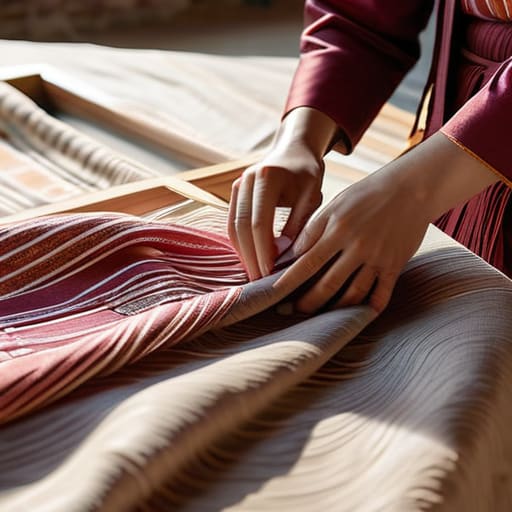
    The complexity of the craft is staggering when you see it up close. I spent an afternoon observing the backstrap loom weaving process, where the weaver uses her own body weight to maintain tension on the threads. There is no machine to smooth out the imperfections, only the steady, practiced hands of someone who has learned this from their mother and grandmother. Using natural dye techniques derived from crushed insects and mountain plants, they breathe color into the fibers, ensuring that the connection to the earth remains as vibrant as the history itself.

    The Quiet Magic of Traditional Alpaca Wool Weaving

    The Quiet Magic of Traditional Alpaca Wool Weaving

    I spent a Tuesday afternoon tucked away in a small stone cottage near Chinchero, the air smelling faintly of woodsmoke and damp earth. There, I watched a woman named Elena guide a thread through a weathered wooden frame, her movements so rhythmic they felt like breathing. This wasn’t the polished, fast-paced production you see in souvenir shops; this was the slow, meditative backstrap loom weaving process that has remained unchanged for generations. There is a profound stillness in watching someone transform raw fleece into something structural and beautiful, one deliberate movement at a time.

    As she worked, she explained how they achieve their deep ochres and soft terracottas using natural dye techniques in Peru, pulling color from crushed insects and mountain minerals. It’s a fragile, beautiful alchemy. You realize quickly that these patterns aren’t just decorative; they are a language. Every geometric shape and color shift carries a specific weight of andean textile symbolism, acting as a visual shorthand for the community’s relationship with the land. In these quiet moments, the fabric stops being an object and starts feeling like a living history.

    Beyond the Souvenir Shop: How to Find the Real Stories

    • Look for the hands, not just the product. When you’re browsing a market, try to find the weavers actually working at their looms. There is a profound difference between a mass-produced blanket and one where you can see the rhythm of the weaver’s movements.
    • Follow the scent of the dye. Real, traditional textiles often carry the faint, earthy aroma of natural ingredients—indigo, cochineal, or even local herbs. If a fabric smells overly chemical or “new,” it’s likely been treated with synthetic dyes rather than the traditional methods I look for.
    • Ask about the symbols. Every geometric pattern and color choice in a Peruvian weave is a language of its own. Don’t be afraid to ask a vendor what a specific motif represents; often, these patterns are a way of documenting local flora, fauna, or even family lineages.
    • Prioritize the texture over the price tag. I always carry my notebook to jot down tactile observations. A genuine piece of hand-spun alpaca or cotton has a specific, slightly irregular weight and warmth that no factory-made imitation can replicate.
    • Seek out the community cooperatives. Instead of the large stalls near the main plazas, head toward the smaller, community-run centers. This is where your money goes directly back to the artisans, ensuring that these ancient techniques remain a living part of their culture rather than just a relic for tourists.

    More Than Just Fabric: What to Carry Home

    Look past the bright colors and seek out the stories; the real value of a textile lies in the specific techniques and local symbols that connect a weaver to their specific community.

    Prioritize the hands that make them; choosing authentic, hand-loomed pieces over mass-produced souvenirs directly supports the survival of ancient Andean traditions.

    Feel the weight of the history; understanding the difference between natural alpaca fibers and synthetic blends helps you appreciate the slow, intentional rhythm of traditional craftsmanship.

    More Than Just Patterns

    When you run your fingers over a hand-woven textile in the Andes, you aren’t just touching wool; you’re touching a language of knots and dyes that has been whispered from mother to daughter for centuries, long before we ever thought to map these mountains.

    Anouk Verhoeven

    More Than Just Fabric

    Hand-woven Andean textiles: More Than Just Fabric.

    As I sit here in a small café in Cusco, the scent of roasted corn and damp earth drifting through the window, I realize that these textiles are so much more than mere souvenirs. We’ve traced the lines from the ancient Inca mastery to the rhythmic, meditative work of the alpaca weavers, seeing how each thread acts as a living archive of a community’s identity. Whether it’s the specific geometry of a pattern or the natural dyes pulled from mountain shrubs, these pieces carry the weight of history and the warmth of the hands that made them. To hold a hand-woven shawl is to hold a piece of a lineage that refuses to be silenced by the rush of the modern world.

    If you find yourself wandering through the high Andes, I urge you to look past the bright, mass-produced trinkets at the edge of the plazas. Instead, seek out the quiet corners where the real work happens—the small workshops and the communal looms. When you buy a textile directly from a weaver, you aren’t just purchasing a garment; you are participating in the preservation of a soul. It is a way of saying that their stories, their time, and their incredible artistry still matter. Travel is often about what we see, but I’ve learned that the most profound connections are found in what we choose to carry home.

    Frequently Asked Questions

    How can I tell if I'm actually buying authentic hand-woven pieces rather than factory-made imitations sold in the tourist markets?

    I’ve learned this the hard way, usually by feeling a bit cheated after a long day of walking. Look at the edges—factory pieces are often too perfect, too symmetrical. Real hand-woven textiles have tiny, beautiful irregularities. Run your fingers over the weave; you should feel the slight tension changes where the weaver’s hands moved. Also, check the scent. Authentic wool has a faint, earthy smell, not that sharp, chemical tang of synthetic dyes.

    Are there specific regions or villages in Peru that are known for particular patterns or weaving styles?

    If you’re looking for the heartbeat of specific styles, you have to head to the Sacred Valley. In Chinchero, the weavers use these incredible, intricate geometric patterns that feel almost mathematical. Then there’s Taquile on Lake Titicaca—their knitting is legendary and carries a completely different social language. I’ve found that the further you wander from Cusco, the more the patterns change, shifting from bright, bold symbols to more muted, earthy storytelling.

    How should I care for alpaca wool textiles to make sure they last as long as the stories they carry?

    Treating these pieces with intention is part of the ritual. I’ve learned that alpaca thrives on gentleness; avoid the agitation of a washing machine. Instead, opt for a cool soak in a mild, pH-neutral soap, then lay it flat on a towel to dry away from direct sunlight. If it’s just a little dusty, a quick airing out in the fresh breeze does wonders. It’s about slowing down, much like the weaving itself.

  • The Tradition of Thai Silk Weaving

    The Tradition of Thai Silk Weaving

    The air in the small village workshop was thick with the scent of damp earth and boiled mulberry leaves, a sharp contrast to the sterile, air-conditioned boutiques in Bangkok. I sat on a low stool, my knees aching slightly, watching an elderly woman’s hands move with a rhythmic, almost hypnotic precision. There was no polished showroom here, just the steady, wooden clack-clack of the loom and the raw, beautiful imperfection of the threads. It was in this humid, quiet corner of Thailand that I realized most people completely misunderstand the soul of thai silk weaving; they see it as a luxury commodity to be bought in a gift shop, rather than a living, breathing connection to the land.

    I’m not here to sell you on the high-end glamour or the overpriced tourist souvenirs that lack any real character. Instead, I want to take you behind the scenes of the actual process—from the way the cocoons are harvested to the subtle nuances of the natural dyes. My goal is to help you recognize the difference between mass-produced imitations and the genuine, storied textiles that carry the heartbeat of a community.

    Table of Contents

    The Quiet Rhythm of Traditional Silk Loom Techniques

    The Quiet Rhythm of Traditional Silk Loom Techniques

    The rhythm of the village isn’t set by a clock, but by the rhythmic clack-clack-clack of wooden shuttles flying back and forth. Sitting on the floor of a small, open-air workshop, I watched a weaver navigate the complexities of traditional silk loom techniques with an ease that felt almost hypnotic. There is no mechanical precision here, only the intentional, slightly imperfect movements of a person who knows exactly how much tension a single thread can hold. It’s a slow dance between the maker and the machine, where every pass of the shuttle adds a layer of soul to the fabric.

    As the afternoon sun shifted, casting long shadows across the floor, I noticed how the light caught the subtle irregularities in the thread. This is where you truly recognize authentic thai silk quality—in those tiny, human variations that a factory could never replicate. Unlike the mass-produced rolls in the city markets, these pieces carry the weight of the hours spent hunched over the loom. It’s not just about making cloth; it’s about the patient, steady pulse of a craft that refuses to be rushed by the modern world.

    Scent of the Forest Natural Silk Dyeing Processes

    Scent of the Forest Natural Silk Dyeing Processes.

    The air in the dyeing shed was thick, heavy with a damp, earthy sweetness that immediately made me reach for my notebook. It wasn’t the sterile, chemical smell of a factory, but something alive. I watched as a woman submerged bundles of raw thread into a steaming vat of indigo, the liquid looking almost black until it hit the oxygen and bloomed into a deep, celestial blue. These natural silk dyeing processes are less about following a recipe and more about listening to the ingredients—the bark of a tree, the crushed shells of insects, or the bruised petals of wildflowers.

    There is a certain patience required here that feels almost meditative. You can’t rush the sun or the fermentation of a dye bath; you simply have to wait for the colors to settle. As the silk dried on lines stretched between bamboo poles, the shifting light revealed the subtle, imperfect gradients that define authentic thai silk quality. It’s in these slight variations, these tiny departures from perfection, where the true soul of the craft resides.

    Beyond the Surface: How to Truly Appreciate the Silk You Find

    • Look for the “imperfections.” When you’re running your fingers over a piece of hand-loomed silk, don’t look for machine-like precision. Instead, look for the slight, beautiful variations in the weave—those are the fingerprints of the weaver, the proof that a human hand, not a motor, guided the thread.
    • Follow the scent of the dye. If you have the chance to visit a workshop, breathe in. Real, traditional silk should carry the earthy, botanical scent of the forest—indigo, turmeric, or bark—rather than the sharp, sterile sting of synthetic chemicals.
    • Ask about the “story of the thread.” Instead of asking for a price, ask the artisan how long it took to spin the silk or where the dye ingredients were gathered. You’ll find that the most meaningful pieces aren’t just textiles; they are seasonal records of a specific time and place.
    • Seek out the village, not the showroom. The most incredible silk isn’t found in the polished boutiques of Bangkok, but in the dusty, sun-drenched courtyards of rural provinces. It’s in these quiet spaces where the rhythm of the loom actually dictates the pace of life.
    • Check the weight and the drape. Authentic, hand-woven silk has a soul to it; it possesses a certain weight and a way of catching the light that mass-produced fabric simply can’t mimic. It should feel like a living thing, responsive to the movement of your body.

    What the Silk Leaves Behind

    The true value of a piece of silk isn’t in its sheen, but in the rhythmic, human imperfections that tell the story of the hands that made it.

    To understand the fabric, you have to understand the landscape; the colors aren’t just pigments, they are the literal essence of the local forests and roots.

    Preserving these traditions isn’t about keeping them frozen in time, but about honoring the slow, intentional pace of life that modern industry has forgotten.

    The Pulse of the Loom

    “There is a specific kind of silence that exists in a weaver’s workshop—not a lack of sound, but a rhythmic, breathing stillness where every tug of the thread feels like a conversation between the hands and the heritage they carry.”

    Anouk Verhoeven

    More Than Just Fabric

    Silk weaving is More Than Just Fabric.

    As I packed my notebook away, the scent of crushed indigo and damp earth still clinging to my clothes, I realized that silk weaving is so much more than a craft; it is a sensory map of the region. From the rhythmic, hypnotic thud of the wooden looms to the way the natural dyes transform the silk into something that feels alive, every step is a testament to patience. We’ve seen how the intricate techniques and the deep connection to the forest floor create a textile that carries the very essence of the landscape. It isn’t just about the finished garment, but the quiet, intentional labor that goes into every single thread.

    Leaving the village, I felt a profound sense of gratitude for these small, preserved pockets of history. In a world that feels increasingly fast and disposable, there is something deeply grounding about a tradition that refuses to be rushed. When you hold a piece of hand-woven Thai silk, you aren’t just holding fabric; you are holding a story, a lineage, and a way of life. I hope that the next time you find yourself traveling, you look past the polished souvenir shops and seek out these authentic, breathing connections. After all, the truest soul of a place is often found in the things made by hand.

    Frequently Asked Questions

    How can I tell the difference between authentic hand-woven silk and the mass-produced imitations often found in the bigger markets?

    I always look for the “beautiful imperfections.” Mass-produced silk is almost too perfect, unnervingly smooth and uniform. Real, hand-woven silk has a subtle, irregular texture—a slight bump or a tiny variation in the weave that tells you a human hand was guiding the shuttle. I also love to run my fingers over it; authentic silk feels alive, with a soft, organic weight, whereas the imitations often feel strangely cold or overly slick.

    Is it possible to find these smaller weaving villages without a guide, or are they tucked too far away from the main travel routes?

    It’s definitely possible, but you’ll need to trade your GPS for a bit of intuition. Most of these villages aren’t “hidden” so much as they are just… quiet. If you skip the tour buses and take a local songthaew further into the provinces, you’ll find them. Just look for the narrow roads where the air smells faintly of mulberry leaves. Don’t be afraid to get a little lost; that’s usually where the real magic happens.

    What should I look for in a piece of silk to know if the natural dyes used are truly sustainable and safe for my skin?

    I’ve learned the hard way that “natural” is often used as a marketing buzzword. When I’m inspecting a scarf, I look for those beautiful, slightly imperfect color variations—nature isn’t uniform. If the color looks suspiciously neon or flat, it’s likely synthetic. I also gently rub a white cloth against the fabric; if any pigment transfers, the dye hasn’t been properly set. Most importantly, I always ask about the mordant. If they can’t explain how they fix the color, I walk away.