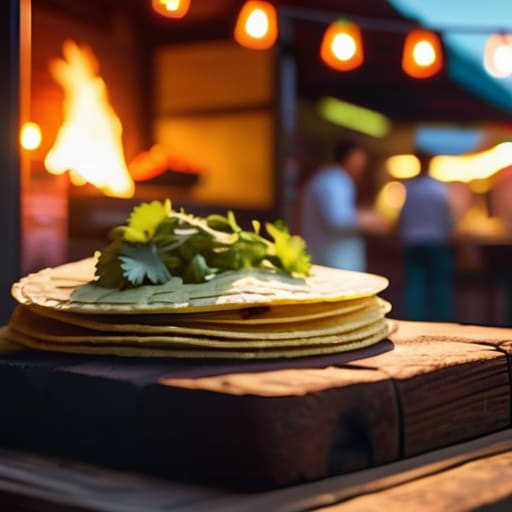
I was standing on a humid corner in Oaxaca last July, my notebook tucked into my pocket, when the scent of charred corn and rendered pork fat hit me so hard it felt like a physical weight. It wasn’t the polished, deconstructed version you see in those high-end fusion restaurants in London or New York; it was the raw, beautiful chaos of a vendor working a small, soot-stained comal. To me, that is the only way to truly experience mexican street food. There is a specific, rhythmic magic in the way a woman flips a tortilla while simultaneously dodging a passing motorbike, all while keeping a steady eye on the salsa that is just spicy enough to make your eyes water.
I’m not here to give you a list of “must-visit” spots that have been sanitized for Instagram travelers. Instead, I want to take you into the narrow alleys and the crowded evening markets where the real stories are told through flavor. I’ll be sharing the kind of unfiltered, sensory guidance you can only get from someone who prefers the sound of a sizzling griddle to the quiet of a white-tablecloth dining room. We’re going to skip the tourist traps and find the soul of the city, one paper plate at a time.
Table of Contents
The Quiet Magic of Authentic Corn Tortillas
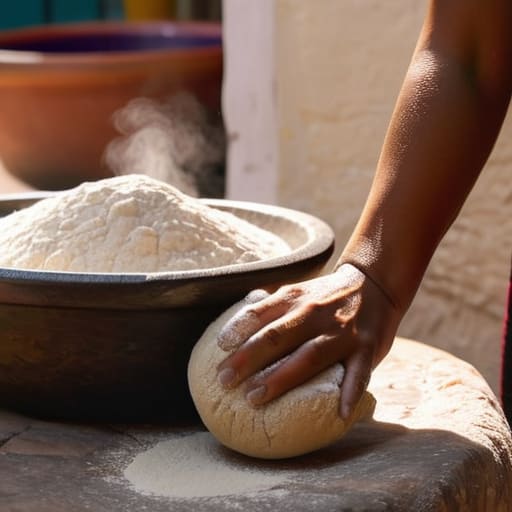
I remember sitting on a plastic stool in a tiny corner of Oaxaca, watching a woman with flour-dusted hands work a heavy stone press. There is a specific, rhythmic sound to it—a soft thud-press, thud-press—that feels more like a heartbeat than a cooking technique. These aren’t the dry, supermarket discs we’ve grown used to; these are authentic corn tortillas, warm and slightly pliable, smelling deeply of toasted earth and sun.
When you peel one away from the hot comal, you realize that the tortilla isn’t just a vessel for toppings; it is the foundation of the entire meal. It carries the weight of history and the nuance of the soil. In many ways, this simple staple is the most honest expression of mexican food culture. You don’t need a white tablecloth or a complex menu to understand this. You just need to taste that slight, nutty sweetness of nixtamalized corn, paired perhaps with a smear of smoky salsa, and suddenly, the connection between the land and the plate becomes undeniably clear.
Uncovering Regional Mexican Delicacies Beyond the Menu
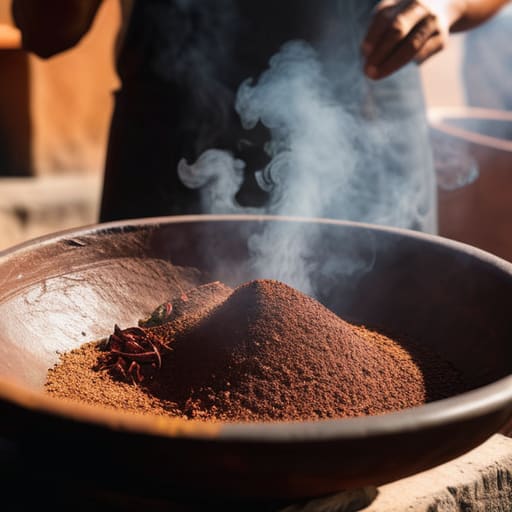
To truly understand the depth of Mexican food culture, you have to stop looking for the items that have been translated for tourists and start looking for what the locals are queuing for. I’ve found that the most profound discoveries happen when you follow the scent of woodsmoke or a specific, pungent spice that isn’t listed on any English-language guide. In the smaller, dustier corners of Oaxaca, for instance, it isn’t just about the heat; it’s about the complex, smoky layers of a rarely-seen mole or the specific way a certain insect is toasted to perfection.
These regional delicacies often defy simple categorization. One afternoon I might find myself tucked into a plastic chair in a coastal town, learning the nuances of various traditional salsa varieties that change from one street corner to the next. It’s a constant lesson in geography through taste. You realize that what is considered a staple in one state might be a prized specialty in another. To find these treasures, you have to be willing to get a little lost and trust your senses more than a guidebook.
How to Eat Like a Local (Without the Tourist Anxiety)
- Follow the crowd, but look for the regulars. If you see a group of construction workers or office staff huddled around a single stall during lunch, get in line. They aren’t just there for a quick bite; they’re there because the salsa is consistent and the masa is fresh.
- Don’t be afraid of the “secret” salsas. Most street vendors have a jar of salsa that looks deceptively mild but packs a punch. Ask them, “¿Pica mucho?” (Is it very spicy?) and listen to their eyes, not just their words.
- Watch the hands, not just the food. I always look for the rhythm of the vendor—the way they handle the knife, the speed of the press, and most importantly, the cleanliness of their workspace. A busy, organized stall is usually a sign of high turnover and fresh ingredients.
- Embrace the paper bag lifestyle. Some of the best meals I’ve ever had didn’t come with a plate or silverware, just a grease-stained napkin and a small paper tray. If the food is meant to be eaten standing up on a street corner, don’t fight it; lean into the chaos.
- Trust your nose over your guidebook. I keep my notebook handy for a reason. If a market corner smells deeply of toasted chilies, lime, and simmering pork, that’s your compass. The best flavors don’t need a marketing budget; they broadcast themselves through the air.
Lessons from the Sidewalk
Look past the glossy menus and neon signs; the most profound cultural stories are usually found in the steam of a roadside stall or the hands of a vendor who has been perfecting one single recipe for decades.
Don’t be afraid of the unfamiliar ingredients or the crowded, noisy corners of a market—the real soul of a place is often found in the flavors that challenge your palate and push you out of your comfort zone.
Food is the most direct link to a region’s history, so treat every meal not just as sustenance, but as a way to listen to the quiet, everyday rhythms of the people who live there.
The Language of the Street
You can learn more about a city’s heartbeat from the rhythm of a masa press in a crowded alleyway than you ever will from a curated guidebook; it’s in those steam-filled corners, where the scent of charred chilies meets the morning air, that a culture truly speaks to you.
Anouk Verhoeven
The Heartbeat of the Street
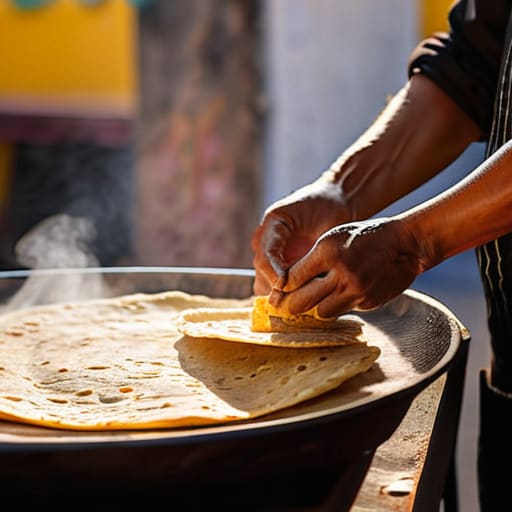
When you strip away the neon signs and the polished menus of the tourist districts, you realize that Mexican street food isn’t just about a quick meal; it’s a complex, beautiful tapestry of history. From the rhythmic pat-pat of hands shaping fresh corn tortillas to the unexpected heat of a regional salsa you can’t quite name, every bite tells a story of lineage and land. It’s in these unscripted culinary moments—the shared space of a crowded sidewalk or the steam rising from a vendor’s cart—where the true essence of the culture resides. To eat this way is to engage in a deeply human ritual that transcends language.
So, the next time you find yourself in a new city, I urge you to put down the guidebook and follow your senses instead. Look for the places where the locals are queuing, listen for the sizzle of the comal, and don’t be afraid to wander into the narrow alleys where the smells are most intense. Traveling isn’t about checking landmarks off a list; it’s about finding the soul of a place in the most unassuming corners. Let the street food be your guide, and I promise you, you’ll find that the most profound connections are often made over a simple paper plate.
Frequently Asked Questions
How do I know if a street stall is actually safe to eat from without feeling like I'm taking a huge risk?
I used to worry about this constantly, but I’ve learned to trust my senses more than a guidebook. Look for the crowd—specifically the locals, not the tour groups. If a stall has a high turnover, the ingredients aren’t sitting around. I also watch the hands; if the vendor is handling money and food with the same glove, I move on. If the salsa looks vibrant and the heat is high, you’re usually in good hands.
Are there certain times of day or specific neighborhoods where the best food vendors tend to pop up?
It’s all about the rhythm of the street. If you’re looking for that breakfast magic, head to the residential neighborhoods around 7:00 AM—look for the steam rising from a corner stall; that’s where the workers grab their tamales. For the real soul of the city, wait for dusk. As the sun dips, the neighborhoods transform, and the best vendors set up near transit hubs or plazas, turning quiet sidewalks into bustling, delicious labyrinths.
I struggle with spice levels—how can I navigate these markets and still taste the real flavors without burning my mouth off?
I completely get it. My palate isn’t built for constant fire, either. My trick is to look for the “salsa verde” made with tomatillos rather than dried chilies; it usually offers a bright, tangy acidity rather than a punch to the throat. Also, always ask for the salsa on the side. Most vendors are happy to oblige, and it lets you control the heat while still letting those complex, earthy spices shine through.
