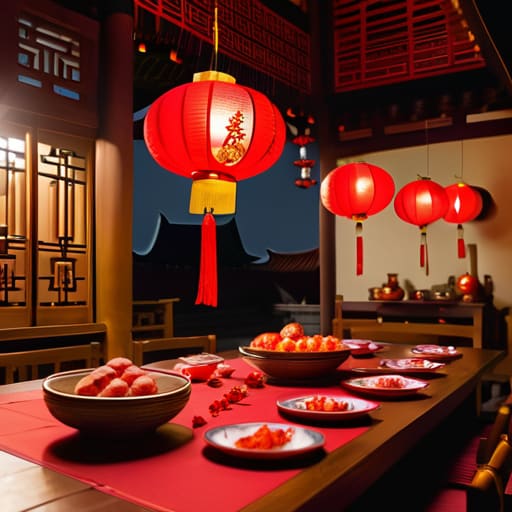
I can still smell it if I close my eyes: the heavy, sweet scent of incense clashing with the sharp, stinging aroma of frying garlic and ginger from a neighbor’s kitchen. I was huddled on a plastic stool in a narrow alleyway in Guangzhou, my notebook tucked under my arm, watching an elderly woman meticulously pleat dumplings by the light of a single bulb. Most travel guides will try to sell you on the massive, choreographed dragon dances and the neon-lit spectacles of Chinese Lunar New Year, but that’s not where the soul of the holiday lives. The real magic isn’t found in the ticketed parades; it’s in the quiet, chaotic intimacy of a family kitchen or a crowded market stall at dawn.
I’m not here to give you a sanitized itinerary or a list of expensive gift ideas that feel more like obligations than traditions. Instead, I want to take you past the tourist traps and into the heart of the celebration. I’ll be sharing the stories I’ve gathered from the steam-filled backstreets—the specific dishes that actually matter, the etiquette that keeps you from being “that” traveler, and how to find the authentic pulse of the festivities through the food.
Table of Contents
The Lunar Calendar Significance in Everyday Life
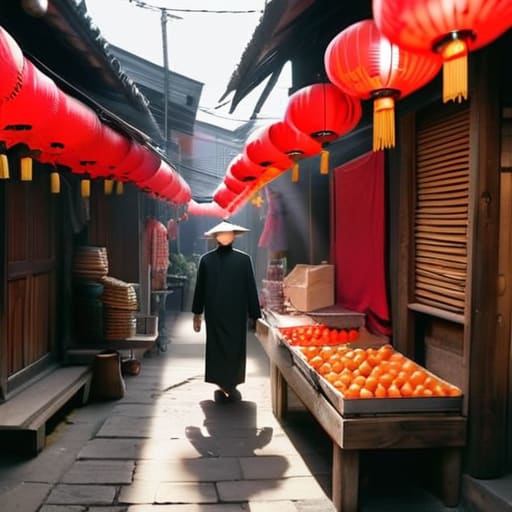
It’s easy to get caught up in the spectacle, but for the people I’ve met in the narrow lanes of Chengdu or the bustling markets of Taipei, the shift in the lunar calendar is something much more rhythmic and felt. It isn’t just a date on a screen; it’s a collective exhale. There is a profound lunar calendar significance to this timing that dictates everything from when families reunite to the very ingredients appearing in the stalls. You can feel the season shifting in the air, a sense of preparation that moves through the streets like a slow tide.
I often find myself watching how people interact with the space around them during this time. It isn’t just about the noise; it’s about the intentionality. You’ll see families meticulously hanging spring festival decorations in their doorways, not just for aesthetics, but as a way to invite luck into the home. There is a quiet, almost sacred ritual in the way the symbolism of red and gold is woven into the fabric of daily life—from the small envelopes passed between hands to the way a shopkeeper arranges their display. It’s a visual language of hope that everyone seems to speak fluently.
Decoding the Zodiac Animal Meanings in Local Markets
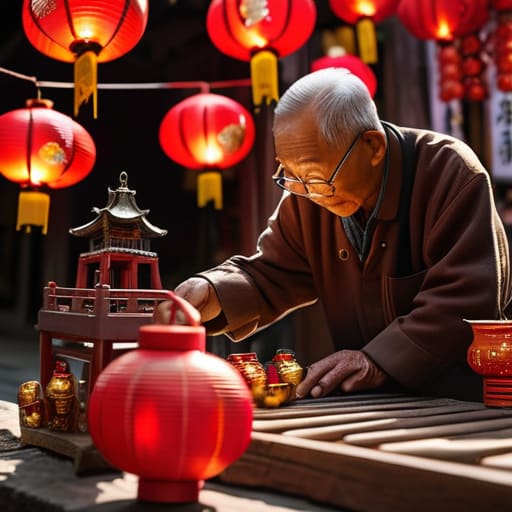
Walking through a narrow market lane during this season, you quickly realize that the zodiac isn’t just a concept in a book; it’s a living, breathing presence in every stall. I spent an hour yesterday watching an elderly vendor arrange small, hand-painted figurines, each one representing a different year in the cycle. It’s fascinating how the zodiac animal meanings shift the entire mood of the market depending on the year. If it’s the Year of the Dragon, there’s a certain fierce, vibrant energy in the air, whereas a Year of the Rabbit feels much more soft and communal.
You see it most clearly in the way people choose their gifts and even their snacks. I noticed a group of teenagers debating which trinkets to buy, looking for specific symbols to bring them luck for the coming months. It’s not just about superstition; it’s about a shared language of hope. Amidst the chaos of spring festival decorations hanging from every eave, these little animal icons act as a bridge between the ancient calendar and the modern, bustling streets. It’s these tiny, intentional details that make the season feel so deeply personal.
How to Navigate the Chaos (and Find the Magic)
- Forget the shiny malls; if you want to see the real preparation, head to the wet markets two days before the New Year. The air is thick with the scent of dried tangerine peels and fresh ginger, and it’s where you’ll see families haggling over the best fish—a symbol of abundance that you just can’t replicate in a supermarket.
- Don’t be afraid of the noise. The firecrackers and loud music aren’t just for show; they’re meant to ward off bad luck. Instead of retreating to your hotel to escape the racket, lean into it. Find a small corner, grab a tea, and just watch how the sound seems to wake the entire city up.
- Learn the “language” of the red envelopes. While it might seem like a simple exchange of money, it’s a deeply tactile gesture of luck and continuity. If you’re invited into a home, receiving one is a quiet, beautiful moment of connection—just remember to handle them with both hands as a sign of respect.
- Follow the scent of frying oil and steamed dough. The best Lunar New Year meals aren’t found in restaurants with English menus; they are found in the steam-filled alleys where locals are queuing for dumplings or rice cakes. If a stall looks crowded and slightly chaotic, you’ve likely found the heart of the celebration.
- Embrace the “empty” moments. Between the massive family feasts and the loud festivities, there is a specific kind of stillness that settles over a city once the celebrations peak. Use that time to sit in a quiet park or a small cafe and just observe. That’s when you’ll see the real, unscripted side of the holiday.
Finding the Pulse of the New Year
Skip the glossy souvenir shops and head straight to the wet markets; that’s where the true spirit of the festival lives, through the scent of fresh ginger, the vibrant red of seasonal fruits, and the chaotic energy of families prepping for reunion feasts.
Look beyond the zodiac decorations to understand how the lunar cycle dictates the rhythm of local life, influencing everything from the ingredients available at your neighborhood stall to the way people connect with their heritage.
The real magic isn’t in the grand celebrations, but in the small, sensory details—the steam rising from a dumpling basket or the specific way a vendor arranges citrus—that turn a seasonal holiday into a deep, shared cultural experience.
Beyond the Red Envelopes
“You can see the whole rhythm of the year shift in a single afternoon; it’s not just about the fireworks or the parades, but the way the air in the market changes, heavy with the scent of dried tangerine peel and the quiet, frantic energy of families making sure their tables are ready for the reunion.”
Anouk Verhoeven
Beyond the Red Envelopes
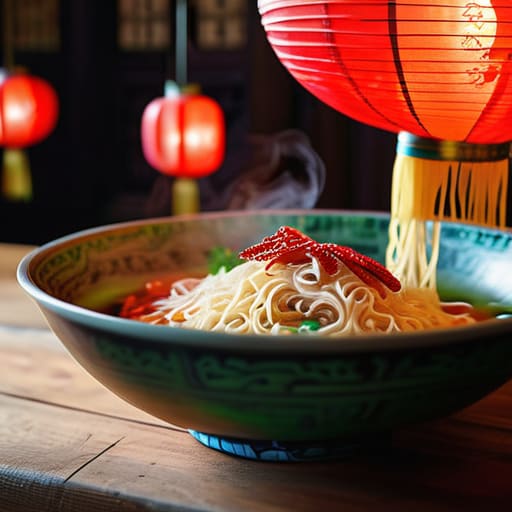
When you strip away the spectacle, Chinese Lunar New Year isn’t just about the fireworks or the massive parades you see on the news. It’s found in the rhythm of the lunar calendar that dictates when families gather, the symbolic meaning tucked into every zodiac charm sold in a crowded stall, and the way a single bowl of noodles can represent a wish for longevity. It is a complex, beautiful tapestry of intentionality and tradition that connects the past to the present through the simple act of eating together and honoring the cycles of the earth.
As I pack my bags for my next destination, I find myself thinking about how these celebrations remind us to slow down. We spend so much of our lives rushing through the “now,” but the Lunar New Year asks us to look at the bigger picture—to honor our roots while stepping into a new cycle with hope. Whether you are sitting in a bustling night market in Taipei or just sharing a meal in your own kitchen, try to find that quiet sense of connection. After all, the most profound cultural shifts don’t happen on a stage; they happen around the table, one shared bite at a time.
Frequently Asked Questions
If I’m visiting a local market during the festivities, what are the specific seasonal foods I should look for to avoid the typical tourist menus?
Skip the polished displays in the main aisles. Instead, look for the stalls where the steam is thickest and the vendors are moving fast. I always hunt for Niangao—that sticky, sweet rice cake that symbolizes climbing higher in life—and bundles of long, uncut noodles for longevity. If you see small, handmade dumplings or bright red citrus being sold in simple crates, grab them. That’s where the real flavor, and the real tradition, lives.
How can I tell the difference between the grand, commercial celebrations and the more intimate, family-focused traditions happening in the neighborhoods?
Look for the sensory shift. The commercial side is loud, bright, and smells like new plastic and mass-produced trinkets in the main plazas. But if you want the real stuff, turn down the side streets. Follow the scent of braised pork and incense. You’ll know you’ve found the heart of it when the noise of the crowds fades into the rhythmic clack-clack of mahjong tiles and the quiet, focused steam of a neighbor’s kitchen.
Are there any specific etiquette tips or "unspoken rules" I should keep in mind when dining with locals or visiting small family-run stalls during the New Year?
If you find yourself tucked into a crowded family stall, remember that the rhythm of the meal is everything. Don’t be the first to rush; wait for the elders to pick up their chopsticks first. It’s a small gesture, but it shows you’re paying attention. Also, if you’re sharing plates, use the serving spoons rather than your own—it’s about respect and communal flow. Most importantly, just lean in, smile, and let the food do the talking.
