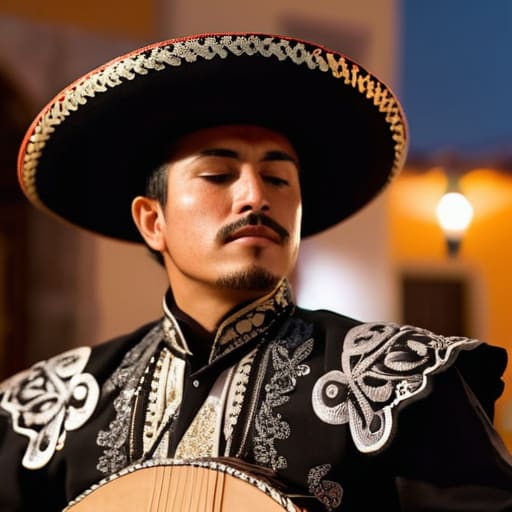
I can still smell the roasted corn and damp pavement of that tiny plaza in Jalisco, a scent that always seems to trigger the sudden, brassy swell of trumpets. I wasn’t sitting at a polished table in a tourist-heavy restaurant; I was perched on a plastic stool, my notebook tucked under my arm, watching an old man weep quietly while a group of musicians played. It was in that unscripted moment that I realized mexican mariachi music isn’t a background soundtrack for a staged dinner show—it is a living, breathing vessel for the country’s collective heartbreak and joy.
I’m not here to give you a dry history lesson or a list of the most expensive venues to visit. Instead, I want to pull back the curtain on what this music actually means to the people who live alongside it every day. I’ll share how to find those authentic, unpolished performances that happen in the corners of markets and neighborhood squares, far away from the gift shops. My goal is to help you listen past the melody to find the true soul of the song.
Table of Contents
Tracing the Roots Through the History of Mariachi Ensembles
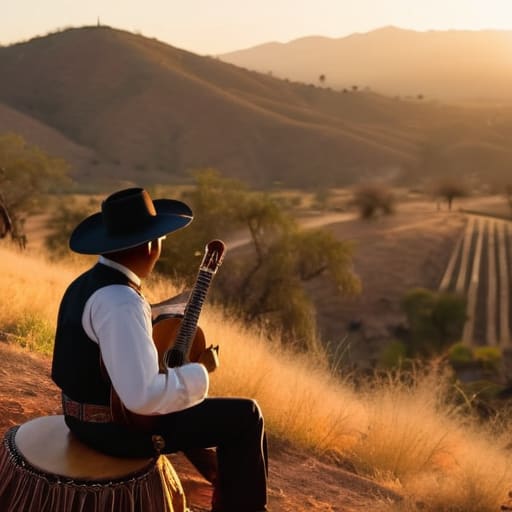
To understand the music, you have to look past the glittering charro suits and see the landscape of Jalisco. The history of mariachi ensembles isn’t a polished timeline found in textbooks; it’s a messy, beautiful evolution of rural life. It started with strings and voices in the countryside, deeply rooted in the son jalisciense musical style that defined the region. Back then, it wasn’t about a stage or a spotlight—it was about community, played on simple instruments that could travel from one ranch to the next.
As I sat in a small cantina last week, watching a group tune their instruments, I realized how much the technical core has remained unchanged. You can’t have that signature sound without the specific interplay of the vihuela and guitarrón roles. The guitarrón provides that deep, rhythmic heartbeat that you feel in your chest, while the vihuela adds the bright, percussive texture. It’s a delicate balance of tradition and grit, a sonic map of how Mexican heritage transitioned from the quiet fields to the vibrant, pulsing heart of the plaza.
The Soulful Pulse of the Son Jalisciense Musical Style
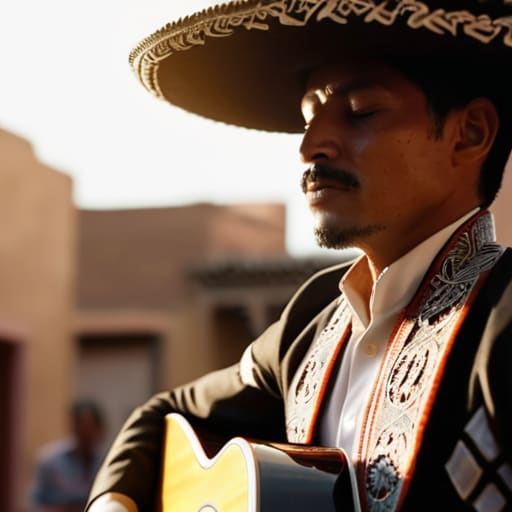
To truly understand the rhythm of Jalisco, you have to stop listening to the polished, cinematic versions of these songs and start feeling the syncopation of the son jalisciense musical style. It’s a restless, driving energy that feels less like a formal concert and more like a heartbeat. I remember sitting on a low wooden stool in a dusty plaza, watching how the musicians didn’t just play the notes, but seemed to collide with them. There is a specific, frantic joy in the way the melody dances around the beat, a rhythmic tension that demands you move, even if you’re just tapping a toe against the cobblestones.
This complexity relies heavily on the interplay of traditional mariachi instrumentation. You can’t have that driving pulse without the rhythmic backbone provided by the vihuela and guitarrón roles. While the violins and trumpets provide the soaring emotional peaks, it’s the deep, percussive thrum of the guitarrón that anchors the soul of the piece. It’s a delicate, heavy balance—the high, bright strumming of the vihuela cutting through the air like sunlight, while the bass keeps everything grounded in the earth.
How to Listen Beyond the Surface
- Skip the big, polished plaza shows designed for postcards. If you want to feel the actual vibration of the music, look for a small cantina where the musicians are playing for people who are actually drinking and singing along.
- Listen for the tension between the instruments. It’s not just a wall of sound; pay attention to how the trumpet pierces through the warmth of the violins, or how the guitarrón provides that deep, rhythmic heartbeat that you feel in your chest before you even hear it.
- Don’t be afraid to embrace the “Grito.” That sudden, soulful shout you hear during a song isn’t just noise—it’s a raw, emotional release. When you hear it, don’t just observe it; try to understand the feeling of longing or joy behind it.
- Watch the hands, not just the faces. There is a specific, practiced grace in how a player handles a vihuela or a guitarron. Watching the physical connection between the musician and their instrument tells you more about the tradition than any history book ever could.
- Follow the scent of the surroundings. In my experience, the best mariachi performances happen when the air is thick with the smell of roasted chilies and lime. If the setting feels lived-in and slightly chaotic, you’re probably in the right place to hear something honest.
What the Music Taught Me
Mariachi is far more than a performance for tourists; it is a living, breathing lineage that connects modern Mexico to its complex colonial and indigenous roots.
The true magic of the genre lies in the rhythmic heartbeat of the son jalisciense, a style that demands both technical precision and raw, unbridled emotion.
To truly hear the music, you have to step away from the bright lights of the plazas and look for the ensembles playing in the quiet, smoke-filled corners of local life.
The Sound of a Shared Memory
“To me, mariachi isn’t just a performance you watch from a distance; it’s a visceral, living thing that fills the gaps between people, turning a crowded, smoky plaza into a shared moment of collective memory.”
Anouk Verhoeven
More Than Just a Melody
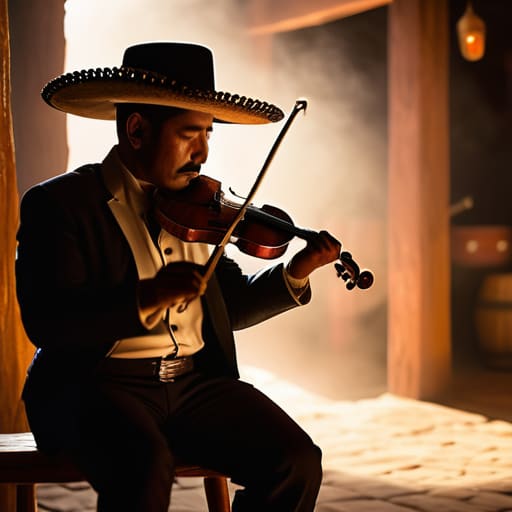
Looking back at how far this music has traveled, it’s clear that mariachi is so much more than a collection of instruments or a specific tempo. We’ve traced its journey from the rural heartlands of Jalisco to the global stage, seeing how the rhythmic complexity of the son jalisciense provides the very foundation for its emotional weight. It isn’t just about the polished brass or the sharp sting of the vihuela; it is about a history of resilience and a cultural identity that refuses to be silenced. Whether it’s a grand plaza performance or a small, dimly lit cantina, the music serves as a living archive of the Mexican spirit, bridging the gap between the past and the present.
As I sit here in this small cafe, the distant sound of a trumpet drifting through the air, I’m reminded that the best way to experience a culture is to simply listen. Don’t just look for the bright costumes or the staged spectacles meant for travelers. Instead, seek out those moments where the music feels unfiltered and raw, where it’s being played for a celebration, a mourning, or just a Tuesday afternoon. When you allow yourself to move to that pulse, you aren’t just a spectator anymore; you are finally starting to understand the true heartbeat of the place.
Frequently Asked Questions
Where can I find the most authentic mariachi performances that aren't just staged for tourists?
If you want to skip the staged plaza shows, head to the cantinas in Guadalajara or the smaller, family-run neighborhood bars in Mexico City. Look for places where the music starts late and the room feels thick with conversation. I usually find the best performances in these dimly lit corners, where the musicians aren’t playing for a crowd of cameras, but for the regulars who treat every song like a shared, sacred memory.
How do the different instruments, like the vihuela and guitarrón, actually change the texture of the sound?
It’s all about the layers. To me, it sounds like a conversation. The vihuela provides this bright, rhythmic snap—it’s the heartbeat that keeps everything driving forward. Then, the guitarrón steps in, not just as a bass, but as this deep, woody anchor that fills the gaps. Without that heavy, resonant pull from the guitarrón, the music would feel thin; together, they create a texture that feels both sharp and incredibly grounded.
Are there specific occasions or rituals where certain mariachi songs are traditionally played?
It’s rarely just background noise; it’s almost always a ritual. I’ve sat in small plazas where the music shifts entirely depending on the moment. You’ll hear the bittersweet swell of Las Mañanitas at a sunrise birthday, or the dramatic, heavy strings of a ranchera when someone is celebrating a profound loss or a hard-won triumph. In Mexico, the music isn’t just played; it’s summoned to mark the milestones that actually matter.
