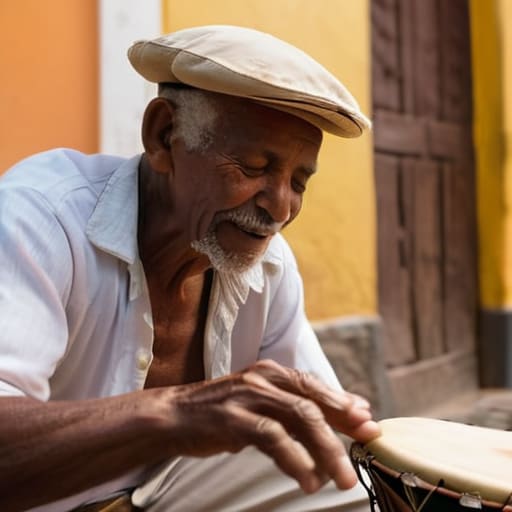
I remember sitting in a dimly lit corner of a tiny boteco in Rio, the air thick with the scent of fried pastéis and salt spray, when the percussion finally hit me. It wasn’t the polished, choreographed spectacle you see in the massive, televised Carnival parades; it was something much more raw and rhythmic. You can try to study the history of brazilian samba roots in a quiet library or through a glossy travel brochure, but those things feel sterile and hollow. The real story isn’t found in a textbook—it’s in the sweat and the shared pulse of a neighborhood gathering where the music feels less like a performance and more like a heartbeat.
I’m not here to give you a sanitized, tourist-friendly lecture on musicology. Instead, I want to take you past the bright lights and the expensive VIP tents to find where this rhythm actually lives. I’ll be sharing the honest, unvarnished truth about how these sounds evolved from the struggle and spirit of the streets into the soul of a nation. My goal is to help you recognize the authentic heartbeat of the music, stripped of the hype, so you can experience the culture exactly as it was meant to be felt.
Table of Contents
Samba De Roda Origins Where the Circle Begins
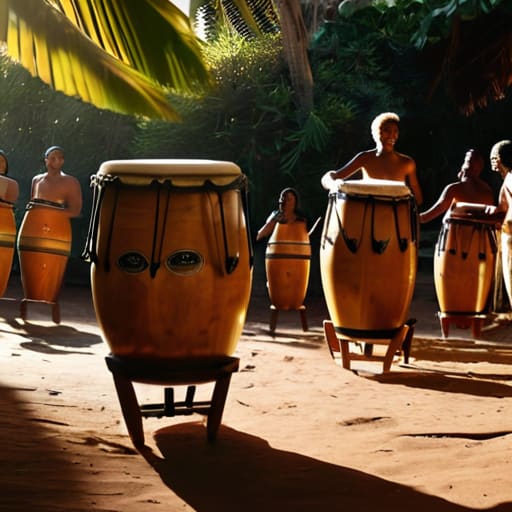
To understand where the music truly breathes, you have to look past the neon lights of the big parades and head toward the coast of Bahia. This is where the samba de roda origins are etched into the very soil. It wasn’t born in a studio or a formal stage; it began in the communal circles of enslaved people, where the rhythm became a vital, rhythmic lifeline. There is a profound, heavy beauty in how the impact of slavery on brazilian music transformed pain into a shared, percussive language of survival and resistance.
In these circles, the music isn’t something you just listen to—it’s something you inhabit. I remember sitting near a small group in a village outside Salvador, watching the way the dancers moved in a tight, rhythmic loop. The sound is driven by traditional percussion instruments like the pandeiro and the agogô, creating a heartbeat that feels ancient. It’s a raw, circular energy that predates the polished spectacle of the modern era, reminding you that before the world knew the glitz of the big festivals, the soul of the music was found in the simple, sacred act of gathering in a circle.
The Impact of Slavery on Brazilian Music and Spirit
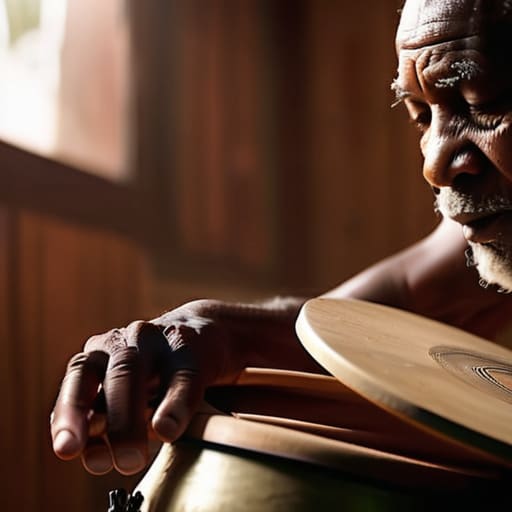
It’s impossible to talk about the pulse of this music without acknowledging the heavy, often painful weight of its history. Samba wasn’t born in a vacuum of leisure; it was forged in the crucible of survival. When I sit in these small, dimly lit community centers, I’m reminded that the impact of slavery on Brazilian music isn’t just a historical footnote—it is the very marrow of the sound. The rhythms were a way to reclaim a sense of self when everything else had been stripped away. It was a way to communicate, to mourn, and, most importantly, to remain human.
You can hear that resilience in the way the beat hits your chest. The evolution of samba rhythms is a map of displacement and reassembly, tracing how West African traditions were carried across the Atlantic and reshaped by the harsh realities of colonial Brazil. It’s in the call-and-response of the voices and the specific, driving tension of the percussion. This music didn’t just emerge; it persisted, turning the tools of labor into instruments of liberation.
Beyond the Stage: How to Listen for the Real Samba
- Skip the flashy Rio carnivals for a moment and look for the rodas. The true heartbeat of samba isn’t a choreographed spectacle; it’s a circle of people in a small community space, where the music feels less like a performance and more like a conversation.
- Listen for the percussion, but pay attention to the silence between the beats. Real samba has a breathing quality to it. If you’re sitting in a local bar, try to notice how the rhythm settles into the room, almost like the humidity in the air.
- Follow the food to find the rhythm. In many neighborhoods, the music and the kitchen are inseparable. If you see a small gathering centered around a communal pot of feijoada, you’re likely in the right place to hear the songs that have been passed down through generations.
- Don’t be afraid of the “unpolished” sounds. The soul of samba lives in the slightly out-of-tune cavaquinho or the heavy, rhythmic stomp of feet on a wooden floor. The perfection you find in a studio recording is nothing compared to the raw, honest grit of a street session.
- Watch the hands, not just the instruments. There is a specific kind of storytelling in the way a percussionist moves. To understand the roots, you have to observe how the music is physically felt by the people playing it—it’s a full-body connection to their history.
What the Rhythm Really Teaches Us
Samba isn’t just a genre of music; it’s a survival mechanism born from the resilience of people who used rhythm to reclaim their humanity in the face of oppression.
To truly understand the roots of the dance, you have to look past the polished stages and find the “roda”—the circle where community and shared history become a living, breathing thing.
The soul of Brazilian culture is inseparable from its history of struggle, meaning every drumbeat carries the weight and the triumph of those who came before us.
The Flavor of Resistance
You can’t truly grasp the roots of samba by looking at a stage; you have to feel it in the way a community gathers around a single pot of food, turning the heavy weight of history into a rhythm that refuses to be silenced.
Anouk Verhoeven
The Heartbeat That Never Stops
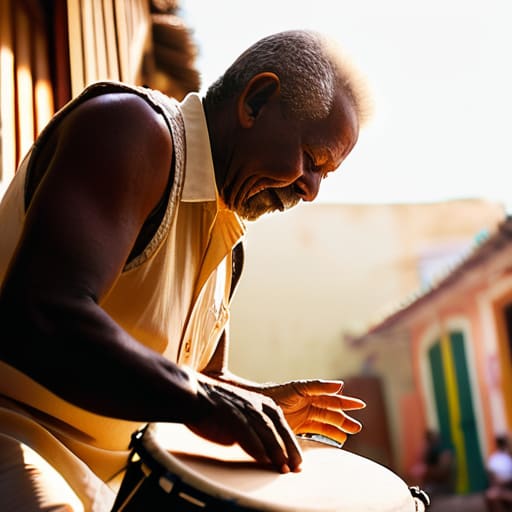
Looking back at how we got here, it’s clear that samba isn’t just a genre of music; it’s a survival tactic. From the sacred, rhythmic circles of Samba de Roda to the profound, heavy history of the African diaspora, every beat carries the weight of a struggle for identity. We’ve traced how these sounds traveled from the coastal shores into the urban sprawl, transforming from a whispered act of resistance into the very pulse of a nation. It is a complex tapestry woven from both deep sorrow and an unshakeable will to live, proving that music can be both a sanctuary and a revolution.
As I sit here in this little corner café, listening to a distant drum kit echoing through the narrow street, I’m reminded that you can’t truly study samba in a library. You have to feel it in the humidity of the air and the way the floorboards vibrate under your feet. To understand the roots of Brazil, you have to listen to the stories that aren’t written in history books, but are instead sung in the streets and shared over a communal meal. Samba is a living, breathing thing, and as long as there is a rhythm to follow, the story will never end.
Frequently Asked Questions
How did the transition from private, religious circles to the public streets of Rio change the actual sound of the music?
When the music moved from those intimate, sacred circles into the open air of Rio’s streets, the sound had to grow. It couldn’t just be a whisper anymore; it had to compete with the roar of the city. The percussion became more driving, more layered, designed to carry through the heat and the crowd. It shifted from a private ritual into a communal heartbeat—louder, more rhythmic, and unapologetically meant to be shared.
Is there a specific way to tell the difference between the older, more traditional styles and the polished samba we hear on the radio today?
It’s all in the grit. When I’m sitting in a small bar in Rio, the traditional samba—the samba de raiz—feels heavy and earthy. It’s unpolished; you can hear the slight scrape of the pandeiro and the imperfections in the voices. Modern radio samba is beautiful, sure, but it’s smoothed out, almost clinical. To find the real thing, look for the music that sounds like it’s breathing, slightly messy and deeply communal.
Are there certain ingredients or communal meals that are traditionally served during these music gatherings?
You can’t separate the rhythm from the ritual of eating. In these circles, food is communal, often centered around acarajé—those crispy, deep-fried black-eyed pea fritters seasoned with enough dendê oil to make your heart race. I’ve sat in small Bahian kitchens where the scent of coconut milk and spicy peppers hangs heavy in the air, serving as the perfect fuel for a long night of singing. It’s not just a meal; it’s the sustenance of the soul.
