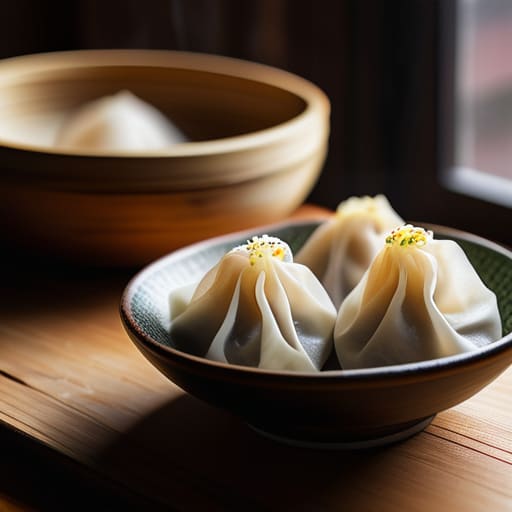
I still remember sitting on a low plastic stool in a narrow alleyway in Taipei, the air thick with the scent of toasted sesame and damp pavement. I wasn’t looking for a Michelin star; I was watching a woman whose hands moved with a rhythmic, almost hypnotic speed, folding pleats into dough that looked far too simple to be so magical. That was my first real lesson in oriental dumpling making: it isn’t about the precision of a culinary school textbook, but about the soul of the ingredients and the intuition in your fingertips.
I’m not here to sell you on expensive, specialized kits or tell you that you need a masterclass to get it right. Instead, I want to strip away the intimidation and share what I’ve actually learned from the street stalls and family kitchens I’ve visited over the years. We’re going to focus on the honest, messy, and incredibly rewarding reality of the process. My goal is to help you find that same connection to the food, moving past the recipe and into the quiet rhythm of creating something truly wonderful from scratch.
Table of Contents
A Homemade Dumpling Dough Recipe for Quiet Mornings
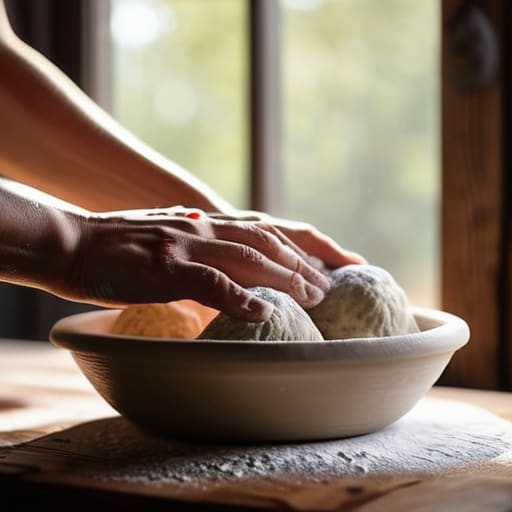
There is something incredibly meditative about the tactile nature of flour and water. On these slow, quiet mornings, I find that a simple homemade dumpling dough recipe is less about precision and more about the rhythm of the work. You don’t need a scale or a laboratory setting; just a mound of high-protein flour, a pinch of sea salt, and enough warm water to bring it all together. As I knead the dough on my small wooden table, I think about how this exact same motion has been performed in thousands of different kitchens for centuries.
The goal isn’t a perfect, factory-stamped circle, but a dough that feels alive under your palms. Once you’ve worked it until it’s smooth and elastic, let it rest—this is the part most people rush, but patience is where the texture is won. A well-rested dough is supple and forgiving, making it much easier to roll out into those thin, translucent skins that characterize the best street food. It’s a humble process, but it sets the stage for everything that follows.
Finding Balance in Meat and Vegetable Dumpling Ratios
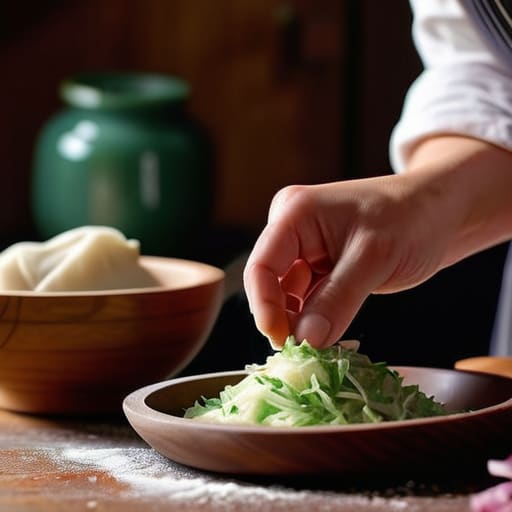
Once you’ve mastered that simple dough, the real puzzle begins: the filling. I used to think more meat meant a better dumpling, but I was wrong. After spending weeks observing cooks in small, humid kitchens in Yunnan, I realized that the secret lies in the tension between textures. If you lean too heavily on pork, the dumpling becomes a dense, heavy weight in your stomach. But if you go too far into the greens, you lose that satisfying, savory richness. Finding the right meat and vegetable dumpling ratios is less about a strict math equation and more about listening to the ingredients.
I usually aim for a sixty-forty split—sixty percent protein to provide that essential juice, and forty percent finely minced aromatics and greens to provide lightness. A bit of Napa cabbage or even some earthy shiitake mushrooms can transform a heavy filling into something that feels bright and intentional. It’s all about the balance of moisture; you want the vegetables to release just enough liquid to mingle with the fats, creating a natural broth inside the wrapper. When you finally bite in, it shouldn’t just be a mouthful of meat, but a harmonious collision of flavors.
Small Rituals for the Perfect Fold
- Don’t rush the resting period; letting your dough sit for at least thirty minutes isn’t just a suggestion, it’s what gives it that necessary elasticity to hold your filling without tearing.
- Keep your workspace damp, not soaked. A little bit of water on your fingertips helps seal those pleats, but too much will turn your beautiful little parcels into a gummy mess.
- Listen to the sizzle. When you’re pan-frying, you’re looking for that specific sound of the bottoms crisping up in a thin layer of oil—it’s the difference between a soggy dumpling and one with a golden, crunchy base.
- Trust your hands over a recipe when it comes to the filling; if the mixture feels too loose, add a touch more finely minced cabbage or even a bit more starch to bind it all together.
- The secret to that professional, translucent look is all in the thickness of the wrapper; aim for edges that are slightly thinner than the center so the dumpling doesn’t feel like a heavy dough ball once it’s steamed.
Small Lessons from the Steam
The Rhythm of the Fold
“There’s a specific kind of meditation in the repetitive motion of pleating dough; it’s not just about making a meal, it’s about slowing down enough to actually taste the history tucked inside each little parcel.”
Anouk Verhoeven
The Beauty in the Imperfect Fold
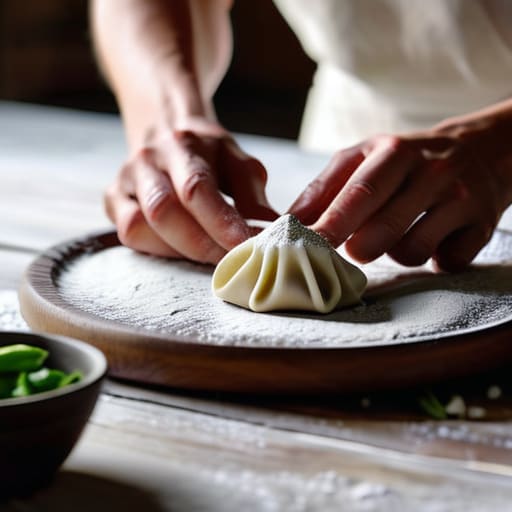
At the end of the day, making dumplings isn’t about achieving some sort of culinary perfection that you’d see in a glossy magazine. It’s about the rhythm of the process—from the way the flour feels between your fingers during those quiet morning prep sessions to the careful calibration of meat and greens to find that perfect, juicy balance. Whether your pleats are symmetrical or a bit wonky and uneven, the essence remains the same. You’ve taken raw, simple ingredients and transformed them into something that carries the weight of tradition and the warmth of a home-cooked meal. It’s a lesson in patience, taught one little fold at a time.
As I sit here in this small, sun-drenched kitchen, watching the steam rise from the bamboo basket, I’m reminded of why I travel in the first place. It isn’t for the landmarks, but for these small, tactile connections to the people around us. Making dumplings is an act of presence; it forces you to slow down and actually be in the moment. So, don’t worry if your first batch looks a little messy. Just grab a bowl, find a good rhythm, and remember that the best stories are often found in the simplest of gestures.
Frequently Asked Questions
How do I keep the wrappers from drying out and cracking while I'm busy folding the rest of the batch?
I’ve definitely been there—standing over a pile of dough, feeling the clock tick while the edges start to turn brittle. My trick is simple: keep a damp, clean kitchen towel draped over your workspace. If you’re working in batches, tuck the unused dough or finished wrappers under a slightly moist cloth or even a small lid. It keeps that essential moisture in, so you aren’t fighting a losing battle against the air.
Is there a trick to getting that perfect, thin skin without the dough tearing when it hits the boiling water?
It’s the question I get asked most, usually while I’m covered in flour in someone’s tiny kitchen. Honestly, the secret isn’t a magic ingredient; it’s all about the rest. Let your dough sit for at least thirty minutes—it relaxes the gluten so it stretches without snapping. And when you’re rolling, work from the center outward to keep the edges thinner than the middle. That way, you get that delicate, translucent skin that holds perfectly.
Can I freeze these right after making them, or should I cook them all before they go into the freezer?
Honestly, don’t bother cooking them first. If you’ve spent the morning meticulously folding those little pockets of joy, you want to preserve that freshness. Just lay them out on a tray in the freezer for a bit so they don’t stick together, then toss them into a bag. When the craving hits on a rainy Tuesday, you can steam or pan-fry them straight from frozen. It’s like having a little piece of the market in your freezer.
