I remember staying in a tiny, drafty guesthouse in coastal Portugal last autumn, where the air smelled faintly of salt and dried rosemary. There was no designer lighting or overpriced silk bedding, yet that room became my ultimate bedroom sanctuary simply because it felt honest. I’ve spent years moving between transient spaces, and I’ve realized that we often get so distracted by the polished, Pinterest-perfect versions of rest that we forget what actually makes a room feel safe. We don’t need a curated showroom; we need a space that breathes with us.
In this post, I’m stripping away the expensive fluff and the “wellness” industry nonsense to talk about what truly matters. I want to share the practical, sensory-driven ways I build a sense of home, no matter how temporary the setting might be. We’ll focus on intentional simplicity—from the weight of a linen throw to the way light hits a corner at dusk. My promise to you is no-nonsense, experience-based advice on creating a space that doesn’t just look beautiful, but actually helps you feel grounded at the end of a long day.
Table of Contents
Mindful Bedroom Design for the Quiet Soul

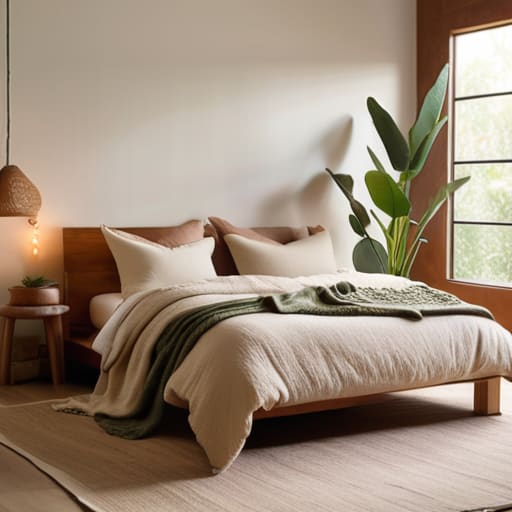
When I’m moving between temporary apartments, I’ve realized that creating a sense of calm isn’t about expensive furniture; it’s about how the space interacts with your senses. I tend to lean toward minimalist bedroom styling, stripping away the visual noise that accumulates in our daily lives. My rule is simple: if an object doesn’t serve a functional purpose or bring a genuine sense of peace, it doesn’t belong near my pillow. I look for textures that invite touch—a heavy linen duvet or a worn cotton throw—because the tactile experience is just as important as the visual one.
To truly master sleep environment optimization, I focus on the subtle details that most people overlook. I always keep a small ceramic bowl on my nightstand for my jewelry, and I make sure the lighting is soft and amber-toned rather than harsh and blue. Incorporating a few intentional sensory bedroom elements, like the faint scent of cedar or the weight of a well-loved book, helps signal to my brain that the day is officially over. It’s about building a space that feels less like a room and more like a deep, quiet exhale.
Curating Soothing Bedroom Aesthetics With Intent

When I’m moving between Airbnbs or small boutique stays, I’ve realized that what actually makes a room feel safe isn’t the expensive furniture, but the intentionality of the textures. I tend to lean toward minimalist bedroom styling because visual clutter feels like mental noise. I look for linen sheets that have that slightly lived-in, rumpled look and heavy cotton throws that offer a sense of weight. It’s about creating a tactile landscape that tells your nervous system it’s okay to finally let go.
I’ve also learned that soothing bedroom aesthetics aren’t just about the color palette—though a soft, desaturated sage or a warm oat can do wonders. It’s about the way light interacts with the space. I always try to avoid that harsh, overhead “big light” in favor of small, amber-toned lamps that mimic the glow of a sunset. By focusing on these subtle sensory bedroom elements, you turn a mere sleeping area into a restorative sleep space that feels deeply personal, regardless of how temporary your stay might be.
Small Rituals for a Restful Space
- I’ve learned that a cluttered nightstand is just mental noise in physical form; I keep mine stripped back to just a ceramic carafe of water and the book I’m currently reading.
- There is something deeply grounding about the weight of natural fibers, so I always prioritize linen or heavy cotton sheets that feel lived-in rather than stiff and synthetic.
- Lighting is everything when the sun goes down, which is why I’ve ditched the harsh overhead lights in favor of a few low-wattage amber lamps that mimic the soft glow of a sunset.
- Since I tend to travel a lot, I’ve realized that scent is the fastest way to trick my brain into feeling “at home,” so I keep a small tin of dried lavender or a specific beeswax candle to signal to my senses that it’s time to wind down.
- I try to keep my technology tucked away in a drawer; a bedroom shouldn’t feel like an office or a social media feed, but rather a quiet corner where the digital world can’t reach you.
Small Rituals for a Restful Space
Treat your bedroom like a sensory archive, choosing textures and scents—like a linen spray or a heavy cotton throw—that signal to your brain it’s time to slow down.
Curate your bedside surface with intention, keeping only the things that ground you, like a well-worn notebook or a single ceramic mug, to avoid mental clutter.
Prioritize the quiet details of light and shadow, using soft, warm lamps instead of harsh overheads to mimic the gentle transition of a coastal sunset.
The Soul of the Space
“A bedroom shouldn’t just be a place where you sleep; it should feel like the exhale after a long day of wandering—a quiet, tactile refuge where the chaos of the world finally settles into the scent of clean linen and soft light.”
Anouk Verhoeven
Finding Your Way Home
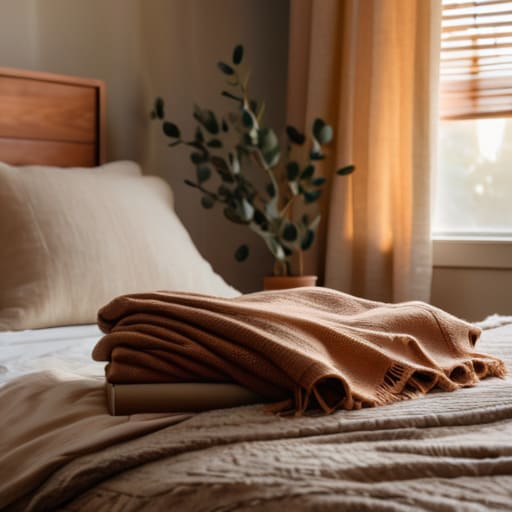
At the end of the day, building a bedroom sanctuary isn’t about following a strict interior design manual or buying every linen set that catches your eye on Instagram. It’s about the intentionality we bring to the space—choosing textures that ground us, colors that quiet the mind, and a layout that respects our need for stillness. Whether you are focusing on mindful design or simply curating a collection of objects that hold personal meaning, the goal remains the same: to create a physical boundary between the chaos of the world and the rhythm of your own breath.
As I move from city to city, staying in everything from cramped hostels to airy apartments, I’ve learned that a sanctuary isn’t always a permanent place; sometimes, it’s a feeling you carry with you. It’s the way a specific scent or the weight of a familiar quilt can instantly signal to your nervous system that you are safe. I hope you find that same sense of uninterrupted peace in your own corner of the world. After all, we spend so much of our lives rushing toward the next destination; we deserve a space that finally allows us to just be.
Frequently Asked Questions
How do I create a sense of calm in a bedroom that's also my workspace?
It’s a tough balance, especially when my laptop becomes as permanent a fixture as my pillow. I’ve learned that visual boundaries are everything. I try to use a small, textured linen screen or even just a heavy ceramic tray to “tuck away” my work at the end of the day. When the screen is down, the office is closed. It’s about reclaiming the space for rest, one tactile ritual at a time.
Are there specific natural scents or textures that actually help with grounding after a long day of travel?
I’ve learned the hard way that after a week of recycled airplane air and hotel lobbies, I need sensory anchors. For me, it’s all about heavy, tactile linen—something that feels substantial against my skin. As for scent, I steer clear of anything synthetic. I keep a small vial of cedarwood or vetiver in my bag; those earthy, damp-forest notes immediately pull me back to earth when my head is still spinning from a new time zone.
How can I maintain a minimalist, sanctuary-like feel when I'm constantly moving between different living spaces?
I’ve learned that you can’t pack a sense of peace, but you can pack the triggers for it. For me, it’s about a “sensory kit.” I carry a specific linen spray, a lightweight travel candle, and my favorite worn-in pillowcase. When I arrive in a new, sterile rental, those familiar scents and textures immediately ground me. It’s not about the furniture; it’s about bringing your own atmosphere in your suitcase.
