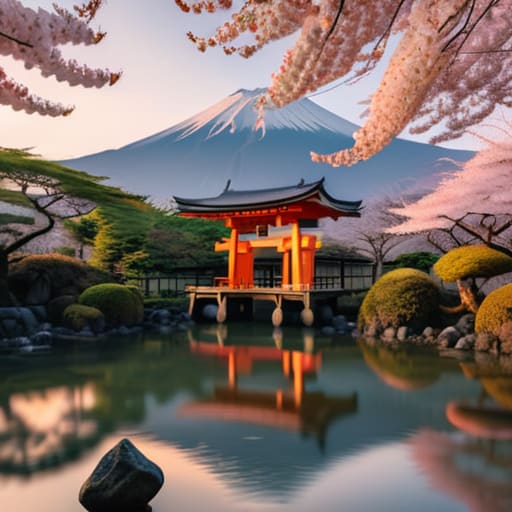
I still remember standing in a cramped, steam-heavy alleyway in Osaka, my notebook tucked into my pocket, trying to ignore the drizzle. I wasn’t looking for the Michelin-starred temples or the polished perfection you see in glossy brochures; I was chasing the scent of charred leeks and dashi drifting from a wooden stall no bigger than a closet. It’s in these tiny, unglamorous corners that you actually begin to grasp the rhythm of japanese culture, far away from the neon-soaked distractions of the main tourist drags. Most people travel to Japan to see the landmarks, but I’ve learned that you don’t truly see a place until you’ve sat on a plastic stool and shared a meal with a stranger.
I’m not here to give you a sanitized lecture on etiquette or a list of the most expensive sights in Tokyo. Instead, I want to take you into the real heartbeat of the country—the quiet, sensory details found in neighborhood markets and family-run eateries. My promise to you is simple: no hype, no tourist traps, just honest stories about how food and tradition weave together to create the soul of the everyday.
Table of Contents
Zen Buddhism Influence on Japan and Quiet Mornings
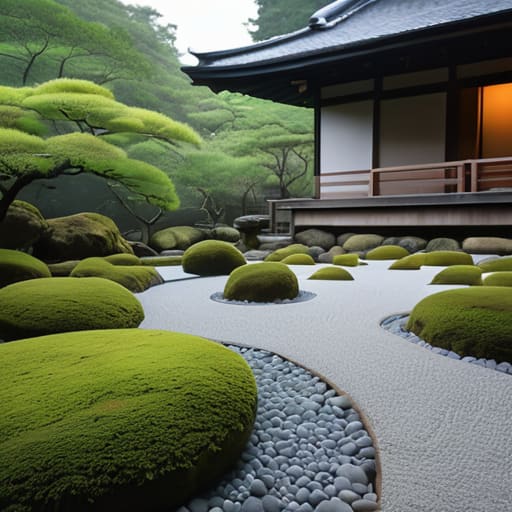
There is a specific kind of stillness that settles over a Kyoto temple garden just before the rest of the world wakes up. It isn’t just the absence of noise; it’s a deliberate, heavy quiet that feels almost tangible. I remember sitting on a wooden veranda last autumn, watching the mist cling to the moss, and realizing how deeply the Zen Buddhism influence on Japan permeates even the simplest movements. It’s in the way a monk sweeps a stone path or how a single drop of water falls into a basin. Everything feels intentional, stripped of the unnecessary clutter that usually fills my brain when I’m staring at a laptop screen.
This mindfulness isn’t just for monks, though; it trickles down into the very fabric of daily life and cultural values in Japan. You see it in the way a shopkeeper bows or the careful, rhythmic preparation of a morning meal. There is a profound respect for the “now” that makes even a simple cup of matcha feel like a sacred act. For me, these quiet mornings are a reminder that beauty doesn’t always need to shout to be felt.
The History of Japanese Traditions Found in Local Markets
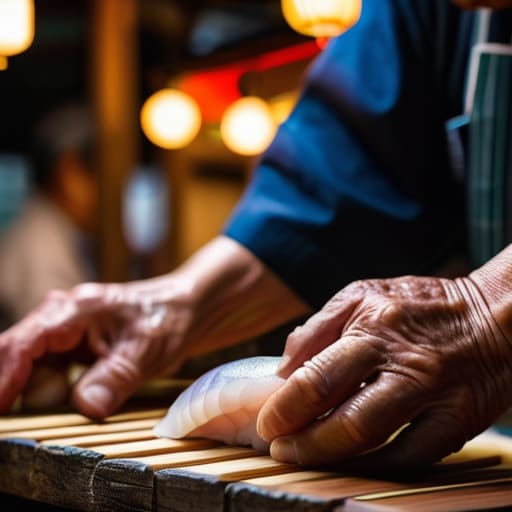
Walking through a market like Tsukiji or Nishiki isn’t just a sensory overload; it’s like reading a living textbook of the history of japanese traditions. You can see it in the way a vendor carefully wraps a single piece of seasonal fish, or the deliberate, rhythmic way they slice sashimi. These aren’t just commercial transactions; they are echoes of a long-standing respect for the ingredients and the seasons. Every stall feels like a small, breathing monument to a way of life that refuses to be rushed by the modern world.
As I move between the stalls, I’m constantly reminded of how deeply cultural values in japan are woven into these daily exchanges. There is a subtle, unspoken choreography to the chaos—a way people navigate the narrow aisles that reflects a broader understanding of japanese social norms and customs. It’s in the slight bow of a head when receiving change or the quiet way people wait their turn. To the untrained eye, it’s just a busy morning, but to me, it’s a beautiful, rhythmic display of a society built on mutual respect and quiet intention.
How to Move Through Japan Without Feeling Like a Spectator
- Slow down your pace. It’s tempting to rush from one shrine to the next to check them off a list, but the real magic happens when you sit on a wooden bench near a temple and just watch the light change. Give yourself permission to be still.
- Follow the steam, not the signs. The best meals I’ve ever had weren’t in places with English menus or bright lights; they were in tiny, curtained-off stalls where the only sound was the rhythmic chopping of vegetables and the low hum of local conversation.
- Learn the language of the table. You don’t need to be fluent, but knowing a simple “itadakimasu” before you eat shows a level of respect for the ingredients and the cook that opens doors—and hearts—in ways a guidebook never could.
- Respect the quiet spaces. Whether you’re on a crowded subway or in a silent tea house, there is an unspoken social contract in Japan regarding noise and personal space. Observing these small boundaries is the quickest way to feel like a guest rather than an intruder.
- Carry a physical notebook. Digital maps are great for navigation, but there is something about the tactile act of sketching a market stall or jotting down the scent of roasted tea that helps you actually process the sensory overload of a new culture.
What the Kitchens Teach Us
Real culture isn’t found in the polished gift shops of Kyoto, but in the rhythmic, quiet precision of a local chef preparing a single seasonal dish.
To truly understand the Japanese concept of mindfulness, stop looking at temples and start watching how a market vendor handles a single piece of seasonal fish.
Travel is less about checking off landmarks and more about the sensory connections—the smell of toasted sesame or the steam from a street stall—that make a place feel alive.
The Language of the Table
“You can learn more about the soul of Japan from the way a chef handles a single piece of seasonal fish than you ever could from a guidebook; it’s a quiet, disciplined respect for the ingredient that tells you everything you need to know about their way of life.”
Anouk Verhoeven
The Flavor of Connection
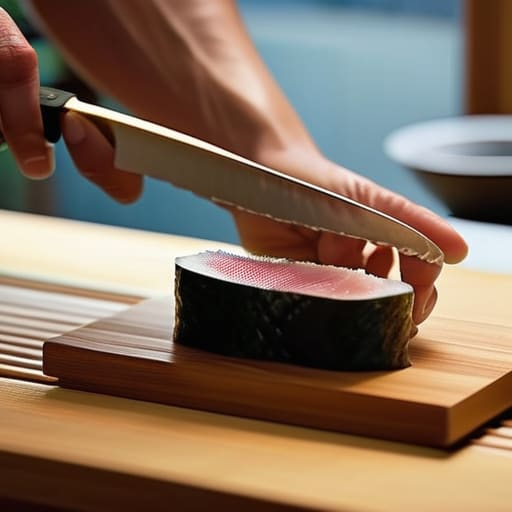
Looking back at everything we’ve explored, it’s clear that Japan isn’t just a collection of shrines or high-tech gadgets; it is a delicate balance of stillness and sensory overload. From the meditative quiet of a Zen morning to the chaotic, wonderful hum of a local fish market, there is a profound thread of intentionality running through it all. We’ve seen how the history of the land is preserved not just in textbooks, but in the way a chef handles a knife and the respect shown to every seasonal ingredient. To truly understand this culture, you have to look past the polished surface and find the soul of the everyday.
As I pack my notebook and prepare for my next destination, I’m reminded that travel shouldn’t be about checking boxes on a list. It’s about those small, unscripted moments—the steam from a bowl of miso, the scent of cedar in a temple garden, or the polite nod of a stranger in a narrow alleyway. My hope is that when you find yourself navigating these streets, you don’t just look at the landmarks, but you listen to the stories being told in the kitchens and the corners. Because in the end, we don’t just travel to see new places; we travel to find new ways of being.
Frequently Asked Questions
How can I find these small, authentic eateries without feeling like I'm intruding on a local's private ritual?
It’s a delicate balance, isn’t it? I always tell myself: I am a guest, not a ghost. To avoid feeling like an intruder, look for the places where the rhythm feels natural—the tiny izakayas where salarymen exhale after work or the morning stalls where neighbors trade news. Put the camera away first. Sit, observe, and let the space settle around you. If you approach with curiosity rather than a checklist, the locals usually welcome you into their ritual.
Are there specific seasonal ingredients I should look out for to truly understand the rhythm of Japanese cooking?
To really feel the pulse of the seasons, you have to look for shun—the peak moment of an ingredient. In spring, it’s all about the bitter, bright notes of takenoko (bamboo shoots) or wild mountain vegetables. By autumn, the air changes, and you’ll find everything centered around earthy matsutake mushrooms and fatty Sanma fish. Following these tiny, fleeting windows is how you stop just eating, and start actually experiencing the rhythm of the country.
Beyond the famous temples, where can I experience the quiet, everyday side of Japanese life that isn't shaped for tourists?
To find that rhythm, you have to step away from the shrines and look for the shotengai—those narrow, local shopping streets. I spent a morning last autumn in a small neighborhood in Osaka, just watching elderly women haggle over seasonal daikon and the smell of toasted sesame drifting from a tiny bakery. It’s in these unpolished spaces, and the quiet ritual of a neighborhood kissaten, where you actually feel the pulse of the city.
