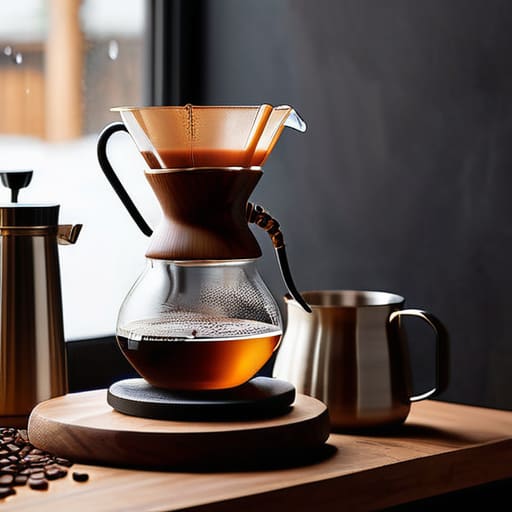
I remember sitting on a rickety wooden stool in a sun-drenched alleyway in Hanoi, watching an old man brew coffee over a tiny, charcoal-fired stove. There was no $500 grinder in sight, no digital scale measuring to the milligram, and certainly no complicated manual. Yet, that single, slow drip captured the essence of the street more clearly than any high-end espresso machine I’ve encountered in a sterile boutique cafe. We’ve been sold this idea that finding the best coffee brewing methods requires a laboratory-grade setup and a mountain of expensive gadgets, but that’s just marketing noise.
I’m not here to give you a technical manual or a list of products to buy. Instead, I want to strip away the pretension and talk about how you can actually taste the story behind your beans, whether you’re in a tiny rental apartment or a bustling market stall. I’m going to share the few, reliable ways I use to make a decent cup while living out of a suitcase, focusing on flavor and simplicity over hype. Let’s find what actually works for your morning ritual.
Table of Contents
The Art of Manual vs Automatic Brewing in Local Kitchens
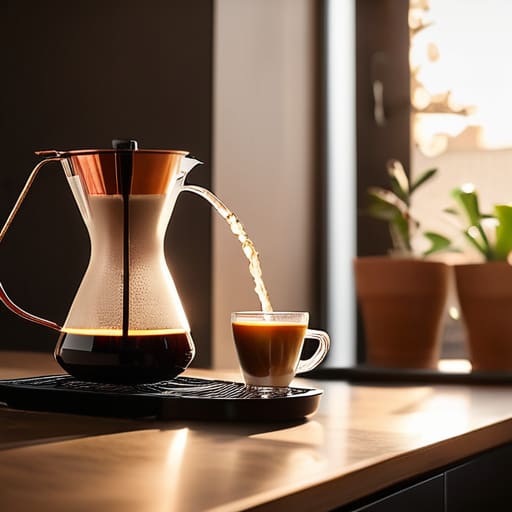
In the small, sun-drenched kitchens I’ve stumbled into from Hanoi to Lisbon, there is a palpable tension between the convenience of a machine and the slow intention of a hand-poured cup. I’ve often watched locals navigate this divide; in some places, a sleek, high-end espresso machine is the centerpiece of social life, while in others, the ritual is much more tactile. When we look at manual vs automatic brewing, it isn’t just about the technology—it’s about the rhythm of the morning. An automatic machine offers a predictable, efficient start, but it can sometimes feel a bit detached from the environment.
On the other hand, there is something deeply grounding about using manual tools. When I sit in a cramped cafe using a simple pour-over, I am hyper-aware of the sensory details: the specific scent of the beans as they hit the water and the careful way the barista manages the coffee extraction techniques. You can feel the human element in every drip. It’s a slower way to live, perhaps, but it forces you to actually notice the nuances of the brew rather than just consuming caffeine as a utility.
Mastering Coffee Extraction Techniques for Authentic Flavor
When I’m sitting in a sun-drenched kitchen in Lisbon or a cramped apartment in Tokyo, I’ve realized that getting the flavor right isn’t about expensive gadgets; it’s about understanding the science of the bean. To truly master different coffee extraction techniques, you have to stop looking at the machine and start looking at the water and the grounds. It’s a delicate dance. If your water is too hot, you’ll end up with a cup that tastes like burnt ash; if it’s too cool, the coffee will feel thin and uninspiring.
I’ve learned through countless mornings of trial and error that the ideal coffee grind size is the secret bridge between a mediocre cup and something transcendent. A coarse grind is perfect for the slow, meditative soak of a French press, while a finer, sand-like texture is essential if you’re trying to pull a concentrated shot. It’s about finding that sweet spot where the acidity and sweetness balance out, rather than fighting against each other. For me, it’s less about following a rigid brewing temperature guide and more about learning to trust your senses as the aroma begins to change.
Small Rituals for a Better Cup
- Stop chasing the most expensive gear; the best coffee I’ve ever had was made in a battered French press in a tiny apartment in Lyon. Focus on the rhythm of the pour rather than the price tag of the machine.
- Water is more than just a solvent; it’s the foundation. If you’re traveling, try to use filtered water whenever possible—the heavy mineral content in some old city pipes can completely mask those delicate floral notes you’re looking for.
- Respect the grind, but keep it simple. If you can, invest in a small manual hand grinder. There’s something meditative about the sound of the beans breaking down, and it ensures your coffee doesn’t taste stale before you’ve even hit the streets.
- Watch your temperature like a hawk. Boiling water is a common mistake that scorches the beans; aim for that sweet spot just off the boil to keep the flavors bright and the bitterness at bay.
- Don’t rush the bloom. Whether you’re using a V60 or a simple pour-over, giving those grounds a few seconds to breathe and release their gases is the difference between a flat cup and one that truly sings.
The Heart of the Brew
It’s less about the expensive machinery and more about the intention; whether it’s a precision pour-over or a rugged stovetop moka pot, the method should reflect the rhythm of the place you’re in.
Don’t fear the technicalities of extraction, but don’t let them overshadow the sensory experience—the smell of the grounds and the warmth of the cup are what actually connect you to the moment.
To truly taste a culture, look past the standardized espresso machines of global chains and seek out the local, manual rituals that turn a simple caffeine fix into a shared piece of history.
Beyond the Machine
“I’ve learned that a high-tech espresso machine can produce a perfect shot, but it’s the slow, intentional rhythm of a hand-poured brew in a sun-drenched kitchen that actually lets you taste the history of the soil.”
Anouk Verhoeven
Beyond the Perfect Pour
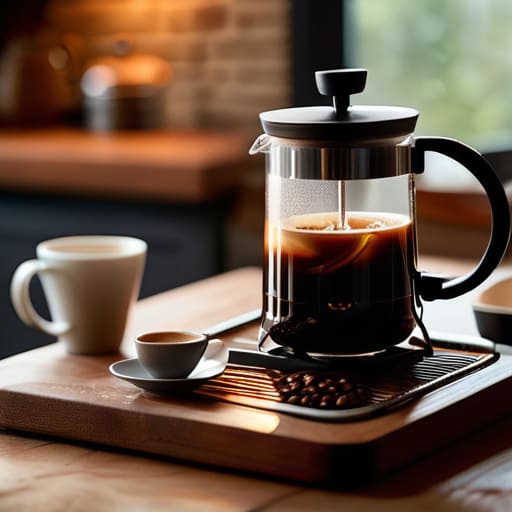
At the end of the day, whether you find yourself reaching for a precision pour-over to highlight those delicate floral notes or opting for the heavy, comforting weight of a French press, the method is simply a tool. We’ve looked at how the mechanical efficiency of an automatic machine compares to the tactile, intentional rhythm of manual brewing, and how the science of extraction dictates the soul of your cup. But remember, the “best” method isn’t found in a textbook or a high-end gadget catalog; it’s the one that respects the beans and the specific moment you are living in. It’s about finding that sweet spot where technique meets your own personal ritual.
As I pack my bag for my next destination, I often find myself wondering what the morning light will look like through the steam of a stranger’s kitchen. I’ve learned that you don’t need a laboratory-grade setup to experience something profound. Sometimes, the most soul-stirring cup of coffee is the one brewed in a chipped ceramic pot on a small stove in a city you’ve never visited before. So, stop chasing the perfect metrics and start chasing the connection. Let the coffee be your anchor, a quiet way to ground yourself in a new place, one slow, intentional sip at a time.
Frequently Asked Questions
How do I know if the local beans I've found at a market are actually suitable for the brewing method I have at home?
It’s a bit of a guessing game, isn’t it? When I’m digging through a market stall, I look for two things: the roast date and the texture. If the beans look oily and dark, they’re likely better for a French press where you want that heavy body. For my pour-overs, I hunt for lighter, matte beans that smell more like dried fruit than chocolate. If they smell stale, leave them behind—your morning ritual deserves better.
Is it possible to replicate that specific, heavy-bodied taste of street-side coffee using a standard pour-over setup?
It’s a tough one, because that street-side magic usually comes from a heavy, almost syrupy body that a standard pour-over tends to clean up too much. But you can get close. If you want that grit and weight, try a coarser grind and a slightly higher coffee-to-water ratio. I’ve found that letting the bloom sit a little longer helps pull out those deeper, more primal notes that make a street stall coffee feel so grounding.
When I'm traveling light, which minimal brewing tool is worth the extra weight in my bag for getting a decent cup?
If you’re living out of a suitcase like I am, every gram counts. I used to carry a bulky French press, but I eventually swapped it for an AeroPress. It’s virtually indestructible, fits in the side pocket of my backpack, and—most importantly—it’s incredibly forgiving. Whether you’re using questionable tap water in a hostel or local beans from a village market, it consistently pulls out those bright, clean notes without the mess.
