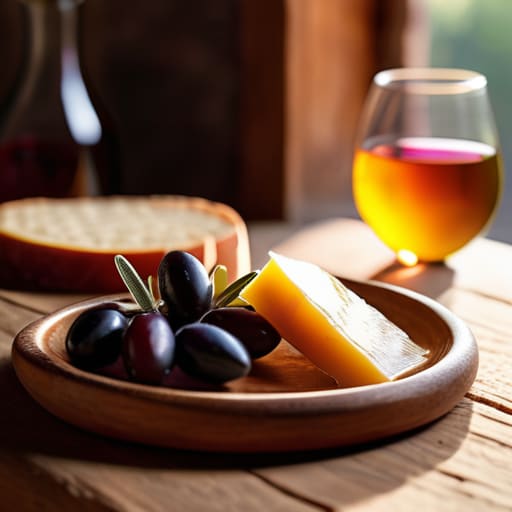
I can still smell the sharp, vinegary sting of pickled peppers and the heavy scent of fried calamari clinging to my denim jacket from that rainy Tuesday in Seville. I was tucked into a corner of a bar so small my elbows brushed a stranger’s, watching the way a single plate of patatas bravas could spark a conversation between two people who didn’t speak a word of the same language. It’s in these cramped, noisy spaces that you actually encounter the heart of tapas traditions, far away from the polished, overpriced “tasting menus” designed specifically to drain a tourist’s wallet.
I’m not here to give you a curated list of the most Instagrammable spots in Madrid. Instead, I want to pull back the curtain on how eating actually works in these streets. I’ll show you how to navigate the unwritten rules of the bar counter, how to spot a real neighborhood haunt from a mile away, and why the best meals often come on a small ceramic plate rather than a silver platter. Consider this your guide to finding the real soul of the kitchen, one shared bite at a time.
Table of Contents
Spanish Culinary Culture in a Shared Small Plate
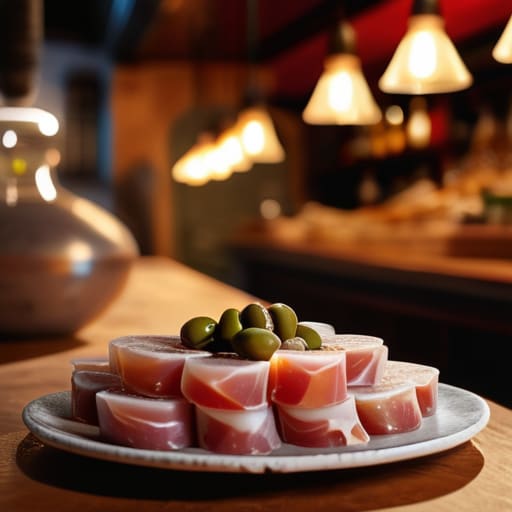
There is a specific kind of electricity in a Spanish bar around 9:00 PM. It isn’t the polished, curated energy of a fine-dining establishment; it’s the chaotic, beautiful hum of social eating customs in Spain unfolding in real time. You’ll see friends leaning over marble counters, their elbows brushing against strangers, all united by the ritual of the small plate. It’s rarely about a single, heavy meal. Instead, it’s a continuous stream of movement—a glass of vermouth here, a plate of Manchego there, and a constant flow of conversation that never seems to hit a pause button.
I’ve learned that navigating this landscape requires a bit of intuition. You might find yourself caught in the subtle debate of tapas vs pinchos, realizing that while one is a snack served on a small plate, the other is often a more substantial, bread-based creation perched on a napkin. Whether you are sampling regional tapas specialties like salt-cured anchovies in the south or creamy cheeses in the north, the goal is always the same: to eat small, move often, and let the food be the bridge between you and the person sitting on the stool next to you.
Tapas vs Pinchos Decoding the Local Language of Flavor
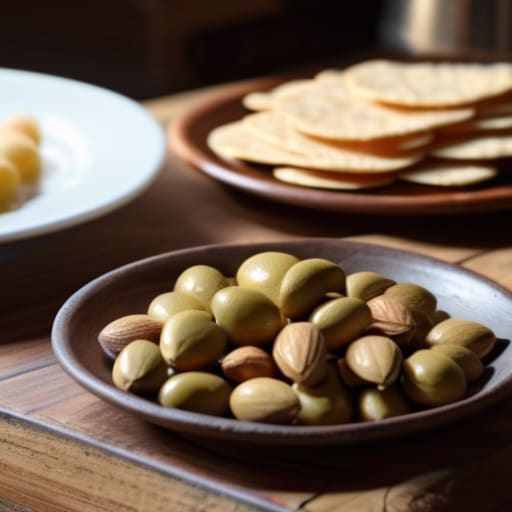
If you’ve spent any time wandering through the narrow, cobblestone streets of San Sebastián, you’ve likely realized that the terminology can get a little blurry. People often use the terms interchangeably, but if you want to navigate the local scene like a regular, it’s worth noting the distinction. While tapas vs pinchos might seem like a pedantic debate to a tourist, it’s actually a window into how different regions approach their food. Tapas are generally small portions—think a bowl of Marcona almonds or a slice of tortilla—served to accompany a drink. They are the heartbeat of social eating customs in Spain, meant to be shared casually while standing near the bar.
Pinchos, on the other hand, feel a bit more substantial and architectural. Usually found in the north, these are often small slices of bread topped with something exquisite, held together by a toothpick. There is a certain ritual to it; you grab what looks good, and at the end of the night, the server counts your sticks to determine the bill. It’s less about a formal meal and more about the joy of the hunt through a crowded, lively tavern.
How to Eat Like You Actually Belong There
- Don’t be afraid of the noise. In the best tapas bars, the air is thick with clinking glasses and overlapping conversations; if it feels too quiet or polished, you’ve probably wandered into a tourist trap.
- Follow the movement, not the menu. If you see a group of locals standing shoulder-to-shoulder at a narrow wooden counter, join them. That’s where the freshest ingredients—and the best stories—are usually hiding.
- Master the art of the “ronda.” Instead of sitting down for one massive meal, treat your evening like a slow wander. Grab one small plate and a drink at one spot, then move to the next. It’s the only way to truly taste the neighborhood.
- Keep your eyes on the bar, not the table. Some of the most iconic tapas are served right on the counter, meant to be eaten standing up with your hands. It keeps the energy high and the experience tactile.
- Learn the rhythm of the hour. There’s a specific, beautiful chaos that happens right at the transition from afternoon to evening; that’s when the kitchens are most alive and the energy of the street is at its peak.
The Heart of the Tapas Experience
Forget the concept of a formal meal; tapas are about the rhythm of the street, moving from one dim-lit corner to the next as the evening unfolds.
Don’t let the terminology intimidate you—knowing the subtle difference between a tapa and a pincho is just a way to better navigate the local landscape.
The true soul of Spanish dining isn’t found in a guidebook, but in the shared plates and loud conversations that happen when you step away from the tourist tracks.
The Ritual of the Shared Plate
“Tapas aren’t just small portions of food; they are a way of slowing down. It’s that specific, beautiful chaos of a crowded bar where the scent of toasted garlic meets the sound of clinking glasses, reminding you that the best way to truly meet a city is to sit down and share its flavors, one bite at a time.”
Anouk Verhoeven
The Last Bite
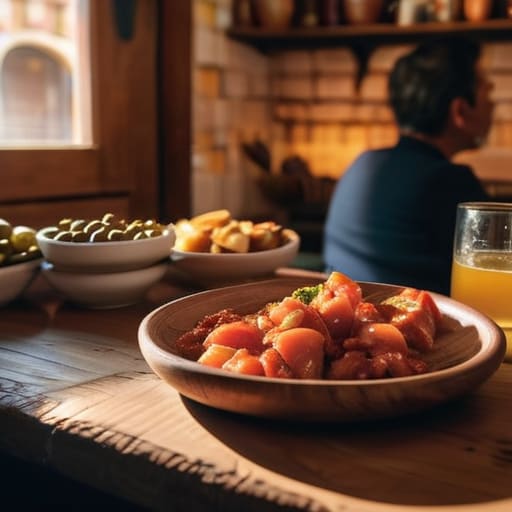
At the end of the day, navigating the world of tapas isn’t about memorizing a list of regional specialties or perfectly distinguishing a pincho from a tapa. It’s about understanding that these small plates are actually vessels for connection. Whether you are standing shoulder-to-shoulder in a crowded Seville bar or sitting quietly at a wooden counter in San Sebastián, you are participating in a ritual that prioritizes the shared experience over the individual meal. It is a way of eating that demands you slow down, look around, and embrace the beautiful chaos of a communal table.
As I pack my notebook and prepare for my next flight, I’m reminded that the most profound travel stories rarely happen at the landmarks. They happen in the salt on your fingers after a plate of fried anchovies and the low hum of conversation in a dimly lit corner. Don’t be afraid to wander down that narrow, unlit alleyway or sit at the bar where no one speaks your language. If you follow the scent of toasted garlic and warm bread, you’ll find it: the true heartbeat of a culture is almost always found in the small, delicious moments we share with strangers.
Frequently Asked Questions
If I'm traveling through different regions, how do the tapas traditions change between the north and the south of Spain?
It’s a world of difference. Down south, in places like Seville, tapas are a social heartbeat—you’re often standing in a crowded, sun-drenched bar, sharing a plate of fried fish or salty olives while navigating the heat. But head north to the Basque Country, and it becomes more about the pincho. It’s more structured, often more experimental, and centered around those incredible little crusty bread bites that define the coastal spirit.
Is there a specific etiquette I should follow when ordering tapas in a crowded, local bar to avoid being disrespectful?
Honestly, the best way to show respect is to lean into the chaos. Don’t expect a formal waiter to hover; in these crowded spots, you often order at the bar. Catch the bartender’s eye, keep your gestures small, and try not to hog the counter. Most importantly, don’t be precious about space. If you’re squeezing in next to a local, a quick nod is all you need. Just flow with the rhythm of the room.
How do I know if a place is a genuine local spot versus a tourist trap when it comes to the tapas menu?
Look for the signs that don’t require a translation app. If the menu is a glossy, laminated sheet with photos of every dish, keep walking. I always look for the places where the tables are crowded, the lighting is a bit dim, and the menu is scrawled on a chalkboard in messy handwriting. If you hear more Spanish than English, and the waiters aren’t hovering, you’ve likely found something real.
