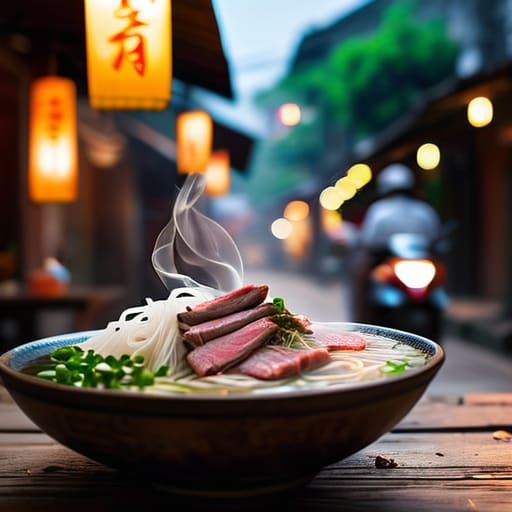
I still remember the humidity of Hanoi pressing against my skin, that heavy, electric stillness that only settles right before a monsoon. I was sitting on a stool so low my knees were nearly touching my chin, tucked into a corner of a narrow alleyway that didn’t appear on any Google Map. The air was thick with the scent of charred pork, fermented fish sauce, and the sharp, citrusy sting of lime. That was the moment I realized that searching for the “best” street food vietnam has nothing to do with star ratings or polished websites; it’s about following the steam rising from a dented aluminum pot in a place where the locals are congregating.
I’m not here to give you a curated list of “must-visit” spots that have been hijacked by influencers and overpriced menus. Instead, I want to take you into the side streets and the quiet, early-morning markets where the real stories are told. My goal is to share the honest, unvarnished truth about what to eat, how to navigate the chaos, and how to find those small, soulful kitchens that make traveling feel like actually living.
Table of Contents
The Best Street Food in Hanois Quietest Alleys
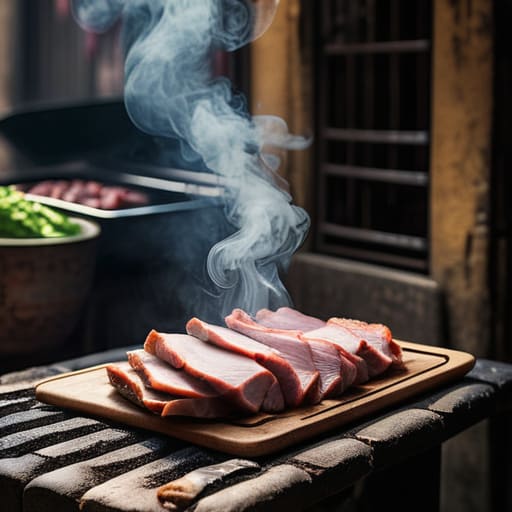
To find the real magic in Hanoi, you have to lose your sense of direction. I spent a Tuesday afternoon wandering away from the frantic energy of the Old Quarter, ducking into narrow passageways where the sunlight barely hits the pavement. It was in one of these shadowed, labyrinthine alleys that I found a tiny stall, no larger than a walk-in closet, serving nothing but Bún chả. There was no sign, just the intoxicating scent of pork grilling over charcoal and the rhythmic thwack of a knife against a wooden board. This wasn’t a curated tour; it was a raw, authentic Vietnamese culinary experience that felt like stumbling into someone’s private ritual.
The beauty of these quiet corners is the lack of pretense. You aren’t sitting under neon lights; you’re perched on a stool so low your knees almost touch your chin, sharing space with locals who have likely been eating at the same corner for decades. As I watched an elderly woman expertly balance bowls of dipping sauce and fresh herbs, I realized that these traditional Vietnamese street food dishes are the city’s true heartbeat. They aren’t just meals; they are the quiet, edible stories of Hanoi.
Seeking an Authentic Vietnamese Culinary Experience
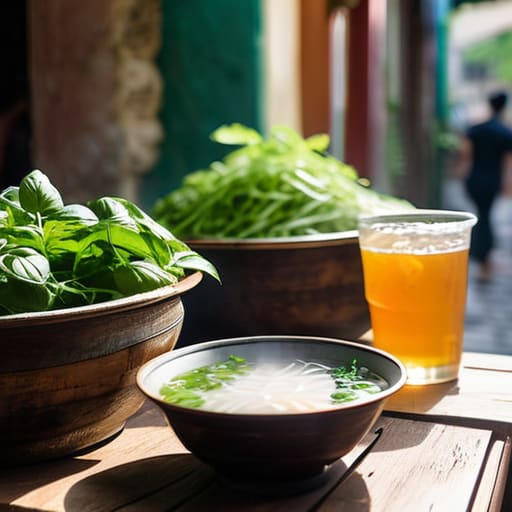
To find an authentic Vietnamese culinary experience, you have to learn to trust your senses more than your guidebook. I’ve found that the most rewarding meals don’t happen under bright neon signs, but in the spaces in between—the narrow gaps between colonial buildings or the corner where a grandmother has been simmering the same broth for forty years. It’s about looking for the rhythm of the locals: the way they gather around low tables, the specific clinking of ice in glasses, and the sheer, unhurried joy of a midday meal.
Of course, navigating these sensory-heavy environments can feel a bit daunting if you’re worried about stomach upsets. I always keep a few personal Vietnamese food safety tips for travelers in my notebook, like choosing stalls with high turnover and watching how the ingredients are handled. But honestly? The real secret is following the steam. When you see a crowd of locals huddled around a single steaming pot, you’ve likely found the must-try Vietnamese street snacks that define the region. It’s in these unpolished, crowded moments that the true heart of the country reveals itself.
A Few Rules of the Road (and the Stool)
- Follow the steam and the crowds. If a stall has a line of locals weaving between motorbikes, don’t overthink it. That turnover is your best guarantee that the ingredients are fresh and the flavors are dialed in.
- Embrace the plastic stool. There’s a certain humility in sitting just inches off the ground, shoulder-to-shoulder with someone you can’t communicate with. It’s the best seat in the house for observing the rhythm of the street.
- Don’t fear the ice, but be observant. In most bustling cities, the ice comes from reliable factories in standardized shapes, but if you’re ever in a pinch in a more remote village, stick to bottled water and let the heat of the broth do the work.
- Keep a small amount of cash tucked away. These tiny, family-run stalls rarely have the luxury of card readers, and there is something deeply satisfying about paying for a steaming bowl of Bún chả with a few crumpled notes.
- Trust your nose. I always keep my notebook handy to jot down the scents of a market, but your nose is your best guide. If a stall smells of toasted star anise, charred pork, or fresh lime, you’re exactly where you need to be.
Lessons from the Sidewalk
Follow the steam, not the signs; the most meaningful meals are usually found where the locals are crowded around low plastic stools, far from the glow of English-language menus.
Trust your senses over your guidebook; if a stall smells of charred lemongrass and fermented fish sauce, you’ve likely found a kitchen with a story worth hearing.
Embrace the beautiful chaos of the street; the true essence of Vietnamese culture isn’t found in a curated dining room, but in the shared, noisy, and delicious rhythm of a sidewalk breakfast.
The Language of the Street
You can learn more about the heartbeat of a city from the rhythmic clinking of a soup spoon against a ceramic bowl in a crowded alley than you ever could from a guidebook or a museum exhibit.
Anouk Verhoeven
The Last Bite
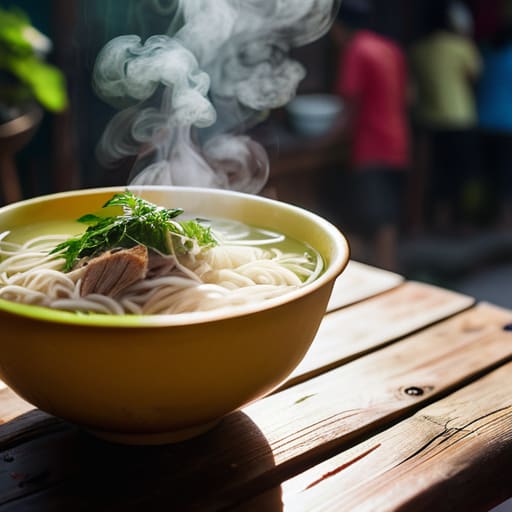
As I pack my notebook away, the lingering scent of star anise and charred lemongrass still clinging to my clothes, I realize that finding the best street food in Vietnam isn’t about checking boxes on a list. It’s about the willingness to veer away from the bright lights of the main thoroughfares and follow your nose into those narrow, humid corridors. Whether it was that steaming bowl of phở in a hidden Hanoi lane or the crunch of a perfectly balanced banh mi from a roadside cart, the lesson remains the same: the real heartbeat of this country isn’t found in a guidebook, but in the shared, messy, and beautiful ritual of eating on the street.
If you find yourself navigating these bustling cities, I urge you to leave the polished dining rooms behind. Don’t be afraid of the low plastic stools or the chaotic symphony of motorbike horns; that noise is simply the soundtrack to something authentic. Travel is often measured in miles, but I’ve learned that it is most deeply felt in the quiet, sensory connections we make over a shared meal. So, sit down, lean in, and let the flavors tell you their story. Because in the end, we don’t just travel to see new places—we travel to truly taste them.
Frequently Asked Questions
How do I know which street stalls are actually safe to eat at without feeling like I'm taking a massive risk?
It’s the question that kept me up at night during my first month in Southeast Asia. Honestly? I look for the crowds. If a stall has a high turnover—locals coming and going, steam constantly rising—it means the ingredients aren’t sitting around. I also watch the prep; if the cook is handling money and then touching the herbs, I move on. Trust your nose, watch the flow, and follow the locals.
Is there a specific time of day or certain neighborhoods where the best food markets tend to peak?
If you’re looking for that sweet spot, aim for the early morning—around 6:00 AM—to catch the breakfast rush when the steam is thickest and the ingredients are freshest. For dinner, head to the residential districts like Tay Ho or the bustling corners of District 4 in Saigon. That’s when the evening markets truly wake up. Just follow the scent of charcoal and the sound of heavy cleavers; that’s where the magic happens.
Do I need to carry a lot of cash for these small vendors, or are people starting to use digital payments in the back-alley spots?
Stick to cash. While you’ll see QR codes in the bigger shops in Saigon or Hanoi, those tiny, steam-filled stalls I love? They run on paper bills. I always keep a stash of small denominations tucked in my notebook—it makes things much smoother when you’re trying to pay for a bowl of bun cha without hunting for change. Trust me, having physical Dong ready is the best way to keep the momentum going.
