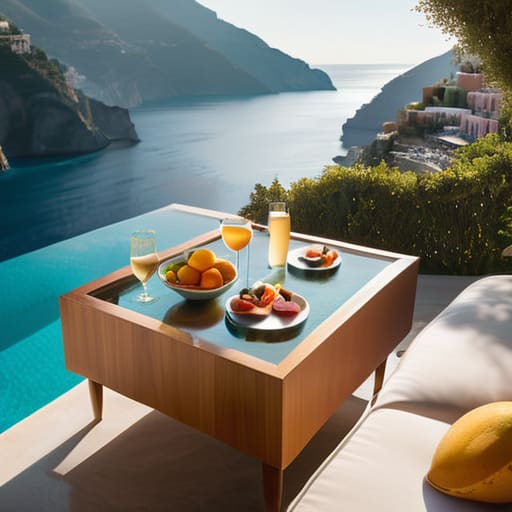
I was sitting in a gilded lobby in Florence last month, surrounded by the heavy scent of expensive lilies and polished marble, listening to a group of travelers debate which concierge could secure them a table at a Michelin-starred restaurant that required a six-month waiting list. It felt hollow. We’ve been sold this idea that luxury travel trends are defined by gold-leafed ceilings, private jets, and a total insulation from the world outside the hotel gates. But as I sat there, I realized I was actually craving the smell of toasted spices from the street vendor outside and the chaotic, beautiful energy of a kitchen that actually functions.
I’m not here to tell you which five-star resorts have the fluffiest pillows or the most exclusive infinity pools. Instead, I want to talk about the shift toward something much more meaningful. I’m going to pull back the curtain on how true luxury is being redefined by access, not just expense—moving away from curated bubbles and toward authentic, sensory connections with the places we visit. If you’re tired of the superficial hype and want to find the soul of a destination through its flavors and quiet corners, you’re in the right place.
Table of Contents
Bespoke Travel Experiences Rooted in Local Tradition
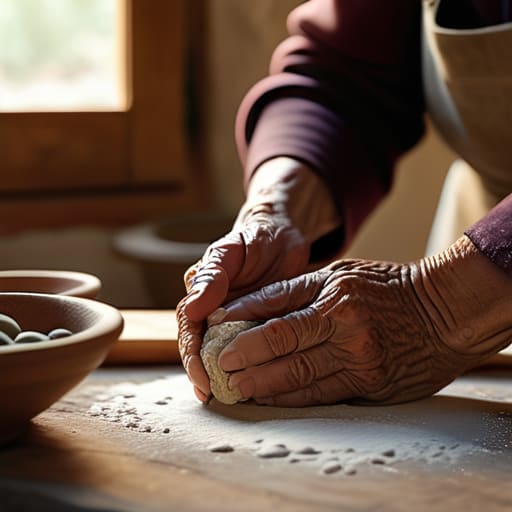
I’ve noticed a shift in how people define “high-end” lately. It’s no longer about how much gold leaf is on your dessert, but rather about the access you have to stories that aren’t written in any guidebook. I recently spent a week in a small village in the Peloponnese, where the “luxury” wasn’t a spa treatment, but being invited into a grandmother’s kitchen to learn the precise, rhythmic art of folding phyllo dough. This is the heart of bespoke travel experiences—the realization that true exclusivity lies in the moments that cannot be mass-produced or replicated by a hotel chain.
We are seeing a move toward sustainable luxury tourism that prioritizes depth over decoration. Instead of grand, impersonal resorts, travelers are seeking out stays that feel deeply integrated into the local landscape. It’s about finding a place where the thread count of the linens matters less than the fact that the honey on your breakfast table was harvested from the hives just down the road. It’s a quieter, more intentional way of moving through the world, where the goal is to leave a place feeling a little more connected to its pulse.
Sustainable Luxury Tourism for the Conscious Soul

For me, the concept of “luxury” has shifted. It’s no longer about how much gold leaf you can find on a dessert, but about the peace of mind that comes from knowing your presence isn’t draining the place you love. I’ve started seeing a real movement toward sustainable luxury tourism, where the high-end experience is measured by its footprint rather than its price tag. It’s the difference between staying at a massive, soul-less resort and retreating to a small, solar-powered eco-lodge that sources every single herb from the garden right outside your window.
This isn’t about sacrificing comfort; it’s about a more intentional kind of indulgence. I recently spent a week in a remote coastal village where the ultra-luxury hospitality standards were redefined by the warmth of the community and the preservation of the local ecosystem. Instead of flashy amenities, the real value lay in the seamless connection between the guest and the land. When we choose travel that respects local rhythms, we aren’t just tourists anymore—we become part of a delicate, beautiful cycle of preservation.
How to Find the Real Soul of a Place (Without the Tourist Traps)
- Seek out the “slow” version of luxury. Instead of a rushed itinerary, look for stays that encourage you to linger—think a small boutique guesthouse where the owner actually knows which local farmer has the best heirloom tomatoes this week.
- Prioritize culinary intimacy over grand buffets. The most luxurious meal I’ve had recently wasn’t in a gold-leafed dining room, but in a tiny, family-run kitchen where the menu is dictated by whatever was fresh at the market that morning.
- Trade the “Instagrammable” for the authentic. It’s tempting to chase the perfect shot, but the real magic happens in the quiet, unpolished corners—the scent of roasting spices in a narrow alleyway or the way light hits a chipped ceramic bowl.
- Support the local ecosystem, not just the big brands. True luxury today means knowing your money is staying in the community, whether that’s hiring a local guide who grew up in the neighborhood or buying handmade textiles directly from the weaver.
- Embrace the art of being unobserved. Real travel luxury is the freedom to put the phone away, grab my notebook, and simply exist in a space without feeling the need to perform or document every single second for a crowd.
The New Definition of Richness
Luxury is shifting away from gold-plated faucets and toward the scarcity of genuine connection—like a private cooking lesson in a family kitchen rather than a stiff, white-tablecloth dining room.
True indulgence now means traveling with a lighter footprint, where the most sophisticated experiences are those that respect the local ecosystem and support the people who actually call a place home.
The most memorable journeys aren’t found in a brochure, but in the quiet, unscripted moments that happen when you step off the beaten path to follow a scent or a local recommendation.
The Shift from Excess to Essence
“We’re seeing a quiet revolution in how we define luxury; it’s no longer about the thread count of the sheets or the gold leaf on the dessert, but about the rare, unscripted privilege of a meal shared in a family kitchen, where the only thing more exquisite than the ingredients is the history behind them.”
Anouk Verhoeven
The Real Meaning of Modern Luxury
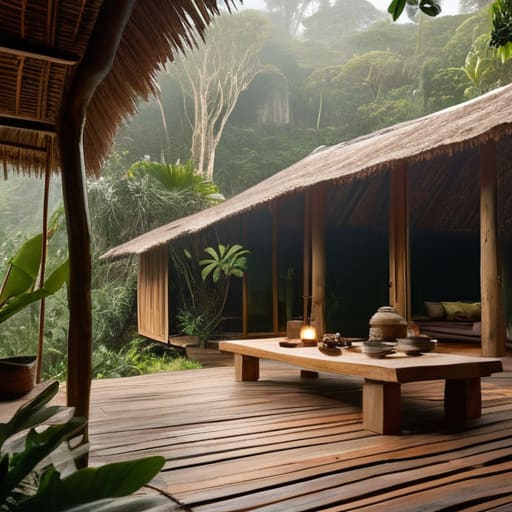
As we look at how travel is shifting, it’s becoming clear that the definition of luxury is undergoing a profound transformation. It is no longer about the thread count of your sheets or the gold leaf on your dessert; instead, it is about the depth of connection we forge with our surroundings. Whether we are seeking out bespoke traditions that honor local heritage or choosing sustainable paths that protect the very landscapes we admire, the trend is moving toward something far more meaningful. We are trading the superficial for the substantial, prioritizing authentic human encounters and environmental stewardship over mere opulence.
Ultimately, I’ve learned through my own travels—and through many long afternoons spent in sun-drenched kitchens—that the most exquisite moments are often the quietest ones. The true luxury isn’t something you can buy off a menu; it’s the way a scent from a local market can transport you back in time, or the way a shared meal can bridge a language gap. As you plan your next escape, I hope you look past the glossy brochures and seek out the soul of a place. After all, the most beautiful journeys aren’t measured in miles, but in the stories we carry home with us.
Frequently Asked Questions
How can I find these authentic, local experiences without accidentally stumbling into a polished tourist trap?
It’s a fine line, isn’t it? My rule of thumb is to follow the scent of something real. If a restaurant has a menu translated into five languages and a host standing outside beckoning you in, keep walking. Instead, look for the places where the lighting is a bit dim, the chairs don’t match, and the menu is handwritten. If the locals are there, and they’re loud, you’ve likely found something worth eating.
Is it actually possible to travel luxuriously while still maintaining a small, sustainable footprint?
It’s a question I grapple with every time I pack my bag. Honestly? It’s not about how much you spend, but where that money goes. To me, true luxury isn’t a gold-plated faucet; it’s the intentionality of choosing a family-run boutique riad over a massive resort. When we invest in local artisans and eat what’s actually in season, we’re participating in a cycle that respects the land rather than just consuming it.
What are some ways to connect with local food traditions that don't involve expensive, pre-packaged tasting menus?
Honestly, skip the curated tasting menus. If you really want to taste a place, follow the scent of woodsmoke or toasted spices to a local morning market. Buy a single, perfect seasonal fruit or a warm pastry from a vendor who’s been there for decades. Better yet, look for “hole-in-the-wall” spots where the menu is handwritten and the locals are congregating. It’s less about the plating and more about the connection to the soil.
