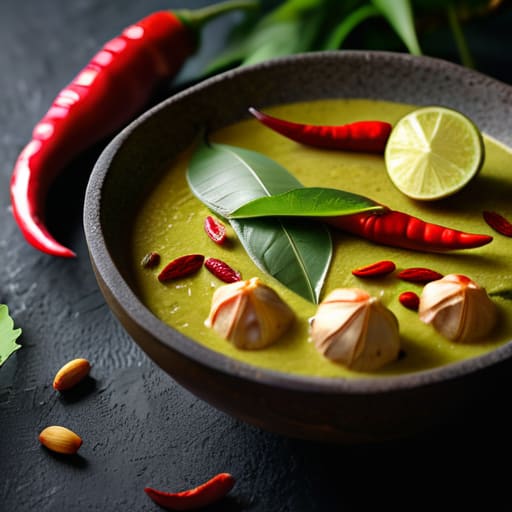
I still remember sitting on a low, wobbly stool in a Chiang Mai alleyway, the humidity clinging to my skin like a second layer, when I first understood what I’d been missing. Before that moment, my understanding of thai curry flavors was limited to the muted, overly sweet versions served in air-conditioned restaurants back home. But there, amidst the rhythmic thud-thud of a heavy stone mortar and pestle, I smelled the real thing: the sharp, citrusy punch of bruised lemongrass colliding with the funky, fermented depth of shrimp paste. It wasn’t just a meal; it was a sensory awakening that made every previous attempt at “authentic” curry feel like a pale imitation.
I’m not here to give you a sterile list of ingredients or a recipe for a bland, supermarket-style sauce. Instead, I want to pull back the curtain on the actual complexity that makes this cuisine so legendary. We’re going to dive into the soul of the spice, exploring how the balance of heat, salt, and aromatics actually works in a real kitchen. My goal is to help you look past the tourist menus and finally understand the nuanced, beautiful layers of thai curry flavors that define a culture.
Table of Contents
The Alchemy of Thai Curry Paste Ingredients
To understand why a curry hits you the way it does, you have to look past the liquid and into the mortar and pestle. It’s not just about heat; it’s about the chemistry of the paste itself. When I sit in a small kitchen in Chiang Mai, the first thing I notice isn’t the chili, but the scent of galangal and kaffir lime leaves hitting the air as they are bruised. These aren’t just seasonings; they are the structural foundation of the dish.
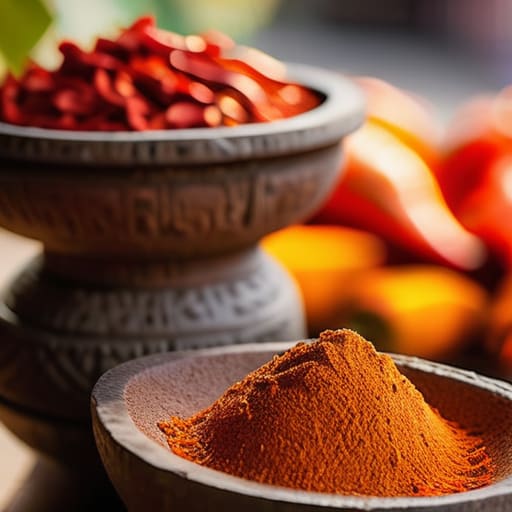
The real magic lies in the meticulous process of balancing sweet, salty, and spicy through a specific combination of aromatics. You’ll see a vendor grinding lemongrass, shallots, and shrimp paste into a thick, vibrant sludge. This is where the subtle difference between red and green curry truly begins—it’s all in the ratio of fresh green chilies to the dried, sun-baked spices used in the red varieties. It’s a heavy, fragrant labor that turns simple roots and leaves into something that feels almost alive.
Aromatic Herbs in Thai Cuisine and Local Life
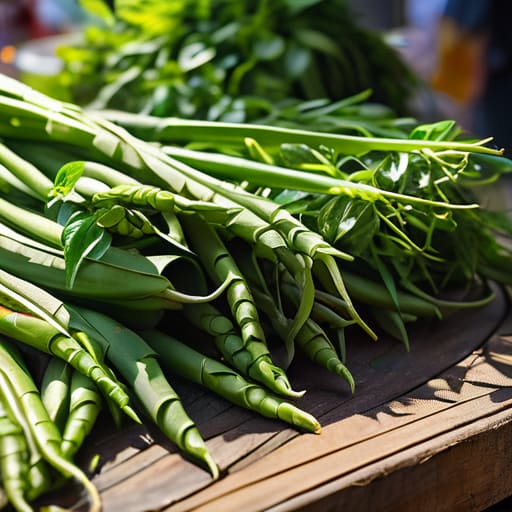
Walking through a morning market in Chiang Mai, my first instinct isn’t to look for the produce, but to close my eyes and breathe. There is a specific, sharp electricity in the air that comes from bruised lemongrass and crushed chilies. For me, aromatic herbs in Thai cuisine are more than just flavor enhancers; they are the sensory map of the region. You see vendors gathering bundles of holy basil or tearing through fresh lime leaves, and you realize these aren’t just ingredients—they are the heartbeat of the neighborhood.
It’s often the subtle interplay of these greens that defines the soul of a dish. While many travelers focus on the heat, I’ve always been fascinated by how galangal and kaffir lime leaves provide that citrusy, woody undertone that prevents a curry from feeling one-dimensional. It is this delicate layering that makes the process of balancing sweet, salty, and spicy feel less like cooking and more like a conversation. When the herbs are fresh, the curry doesn’t just sit on your tongue; it tells a story of the soil and the seasons.
Lessons from the Market Stalls: How to Truly Navigate Curry Flavors
- Stop looking for “spicy” on a menu. In a real kitchen, heat is a secondary layer, not the lead singer. If a curry tastes like nothing but chili burn, you’ve missed the nuance of the galangal and lemongrass that should be dancing underneath.
- Follow the scent of the mortar and pestle. If you find a small stall where the cook is still pounding paste by hand rather than using a blender, stay there. That rhythmic thud is the sound of essential oils being released, which creates a depth of flavor no machine can replicate.
- Look for the “balance of three.” A perfect curry should hit you with salt (from fish sauce), acid (often lime or tamarind), and sweetness (palm sugar) in a way that feels like a conversation rather than a shouting match.
- Don’t fear the coconut milk, but watch how it’s used. In the best places, the coconut cream is cracked—meaning it’s fried in the pan until the oil separates—to create a rich, fragrant base rather than just being a liquid to dilute the spice.
- Eat with the season in mind. Just like I track seasonal produce in Europe, Thai flavors shift; a curry made with fresh, sun-ripened chilies in the heat of the season will have a bright, floral sting that a bottled paste simply cannot mimic.
Finding the Heart of the Curry
Forget the standardized spice levels on a menu; true Thai curry is a living thing that shifts with the season and the specific hands preparing the paste.
To understand the flavor, look past the heat and listen for the subtle, aromatic layers of lemongrass and galangal that provide the dish’s actual soul.
The best way to experience these flavors isn’t through a fine-dining lens, but by observing how ingredients move from a local market stall directly into a simmering pot.
The Language of the Spice Mortar
“A true Thai curry isn’t just a recipe you follow; it’s a sensory map of a landscape. It’s the sharp, bright sting of lemongrass hitting the back of your throat, followed by the slow, grounding warmth of galangal—a flavor that feels less like a meal and more like a conversation with the soil itself.”
Anouk Verhoeven
Beyond the Recipe
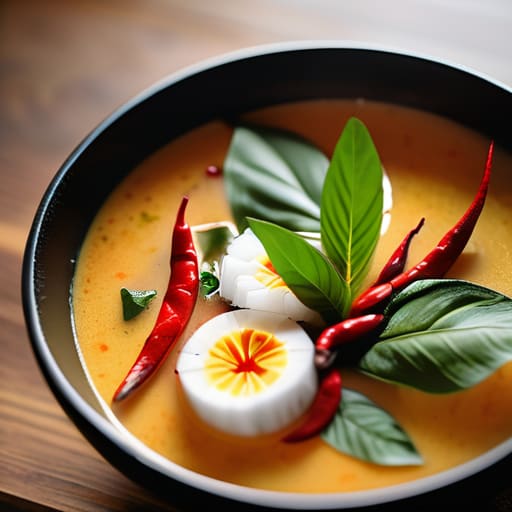
When you strip away the complexity of the spice pastes and the layers of aromatic herbs, what you’re really left with is a profound lesson in balance. Thai curry isn’t just about heat; it’s a delicate, intentional dance between the sharp sting of galangal, the creamy comfort of coconut milk, and the bright, citrusy lift of kaffir lime. Understanding these flavors means recognizing that no single ingredient is meant to dominate, but rather to support the whole. It’s a culinary philosophy that mirrors the very essence of the markets I wander through—a chaotic, beautiful harmony where everything has its specific, necessary place.
As I sit here in this small, sun-drenched kitchen, notebook in hand, I’m reminded that the best way to experience a culture isn’t by checking off a list of famous landmarks. It’s found in the steam rising from a chipped ceramic bowl and the way a single spoonful of curry can tell you more about a country’s history than any textbook ever could. So, the next time you find yourself staring at a menu, I hope you look past the standard descriptions. Seek out the dishes that feel unapologetically real, and remember that the true soul of a place is almost always found at the bottom of a bowl.
Frequently Asked Questions
How can I tell if a curry paste is actually fresh versus something pre-made in a jar?
Honestly, you can tell almost immediately by the scent. A jarred paste usually smells one-note—flat, salty, and heavy on the dried spices. But fresh paste? It hits you in layers. It’s bright, sharp, and almost stinging with the scent of bruised lemongrass and galangal. If you open a container and it smells more like a dusty spice cabinet than a living garden, put it back. Real paste has a vibrant, oily soul.
Is there a way to balance the heat if a curry turns out way too spicy for my palate?
I’ve definitely had those moments—usually when I’ve let my enthusiasm for local chilies get the better of me. If the heat is overwhelming, don’t panic. The quickest fix is adding a splash of coconut milk or a bit of heavy cream to mellow the fire. If you’re working with a clearer broth, a squeeze of lime juice or a pinch of palm sugar can help balance the sting. Just remember: go slow.
Why do some curries feel so much richer and creamier than others, even when they use the same coconut milk?
It usually comes down to the timing and the heat. I’ve noticed in smaller kitchens that they don’t just pour the milk in; they “crack” the cream first. They simmer the thick coconut fat until it separates and oils out, frying the curry paste in that richness before adding the rest of the liquid. It’s a slow, patient process that builds layers of texture you just can’t replicate with a quick simmer.
