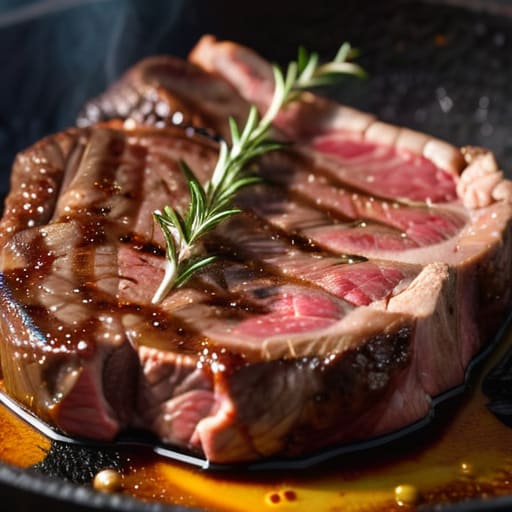
I still remember sitting on a low plastic stool in a narrow alleyway in San Telmo, the air thick with the scent of charcoal and rendered fat. There was no sous-vide machine in sight, no expensive thermometer, and certainly no white tablecloths—just a massive, seasoned grill and a cook who moved with the rhythmic grace of someone who had been doing this for forty years. That was the moment I realized that most of the culinary “rules” we see online about how to cook steak are nothing more than expensive distractions. We’ve been conditioned to believe that greatness requires a laboratory of gadgets, when really, it just requires an understanding of heat and a bit of respect for the ingredient.
I’m not here to give you a lecture on molecular gastronomy or suggest you spend a week’s grocery budget on a specialized kitchen tool. Instead, I want to share the stripped-back, honest methods I’ve gathered from kitchens across the globe. I’ll show you how to master the sear and find that perfect, juicy center using nothing more than a heavy pan and your own senses. This isn’t about perfectionism; it’s about learning to trust your intuition so you can cook a meal that actually tastes like real food.
Table of Contents
Sourcing the Story Essential Steak Seasoning Tips
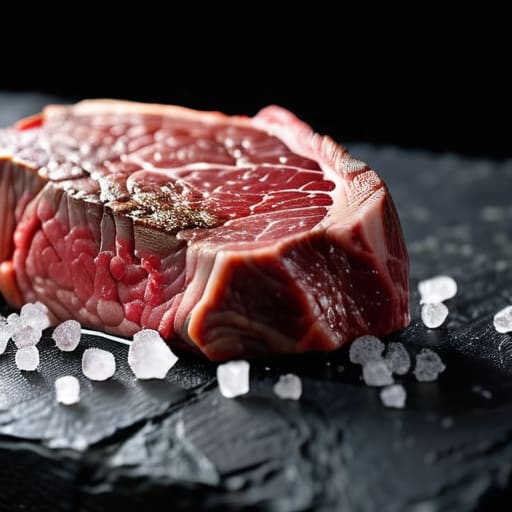
I’ve learned through years of wandering through butcher shops from Lyon to Lima that the best seasoning doesn’t come from a pre-mixed jar on a supermarket shelf. It starts with the salt. I always carry a small tin of flaky sea salt in my bag, and I swear by it. When you’re preparing a piece of meat, you need to be generous. If you wait until the steak is in the pan to season it, you’ve already missed the window. You want that salt to penetrate the fibers while the meat sits at room temperature, creating a crust that actually holds onto the juices.
Beyond the salt, I’m a firm believer in the simplicity of crushed black peppercorns and perhaps a hint of dried thyme if I’ve picked some up at a local herb stall. These aren’t just for flavor; they are about texture. As you move toward a pan-seared steak guide approach, remember that the seasoning needs to withstand the heat. I often find myself reaching for a knob of cultured butter toward the end, using a quick butter basting technique to marry the spices to the surface. It’s those small, aromatic layers that make a meal feel like a memory.
The Cast Iron Skillet Steak Method for Real Flavor
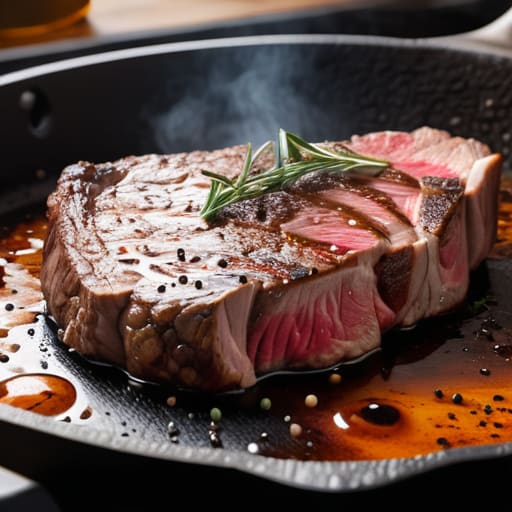
There is something deeply grounding about the weight of a heavy pan. While I’ve eaten incredible meals in polished dining rooms, nothing compares to the ritual of the cast iron skillet steak method in a small, sun-drenched kitchen. The secret isn’t in complex gadgets; it’s about heat management and patience. I always start by patting the meat bone-dry with a paper towel—moisture is the enemy of that beautiful, dark crust we’re all chasing. Once the oil begins to shimmer and smoke slightly, the steak hits the pan with a violent, satisfying hiss that tells you everything is working.
As the crust develops, I move into my favorite part: the butter basting technique. I drop in a generous knob of salted butter, a few crushed garlic cloves, and a sprig of thyme, tilting the pan to spoon that foaming, aromatic liquid over the meat. It’s a sensory overload that makes my notebook cravings kick in. Once you’ve hit the right internal temperature for steak, the most difficult step begins: resting meat after cooking. You have to let it sit for at least ten minutes; if you cut it too soon, you lose all that hard-earned soul to the cutting board.
The Little Rituals That Change Everything
- Don’t rush the temper. I’ve learned the hard way that throwing a cold piece of meat into a hot pan is a recipe for uneven cooking; let it sit on the counter for thirty minutes so it can settle into the heat.
- Salt is your best friend, but timing is everything. I like to salt my steaks well in advance—sometimes even an hour before—to let that seasoning really penetrate the fibers rather than just sitting on the surface.
- Get comfortable with the sound of the sear. Instead of obsessing over a digital thermometer every five seconds, listen to the rhythm of the sizzle; when it starts to quiet down or change pitch, you know the moisture is evaporating and the crust is forming.
- The butter baste is where the magic happens. Toward the end, toss in a knob of unsalted butter, a smashed garlic clove, and maybe a sprig of thyme, then spoon that foaming liquid over the meat like you’re dressing a precious heirloom.
- Respect the rest. It’s tempting to slice into a steaming steak the second it leaves the pan, but if you want those juices to stay put, you have to give it ten minutes of quiet on a warm plate.
The Heart of the Meal
Don’t overthink the seasoning; a heavy hand with coarse salt and cracked pepper is often all you need to let the quality of the meat speak for itself.
Respect the rest period—it’s the most difficult part of the process, but letting those juices settle is what turns a simple piece of protein into something soulful.
Focus on the sensory details, from the rhythmic sizzle in the pan to the smell of browning butter, because cooking is as much about being present as it is about the final bite.
Beyond the Recipe
Cooking a steak isn’t about following a rigid set of instructions; it’s about listening to the sizzle in the pan and respecting the quality of the meat, much like how you have to listen to the rhythm of a new city before you can truly understand it.
Anouk Verhoeven
Beyond the Sizzle
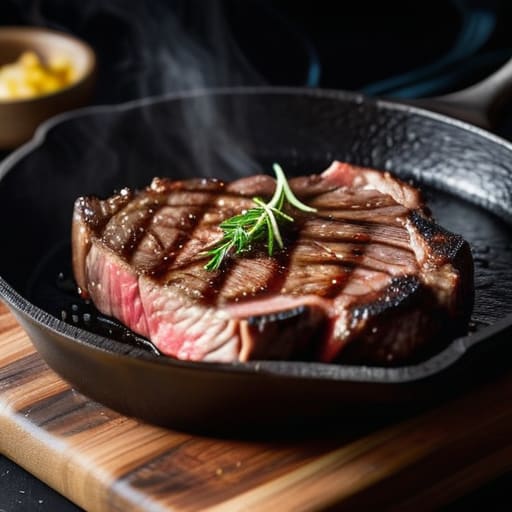
At the end of the day, cooking a great steak isn’t about following a rigid, scientific formula or owning every expensive gadget in the kitchen. It’s about understanding the rhythm of the heat and respecting the quality of what you’ve sourced. Whether you’re leaning into the heavy, reliable sear of a cast iron skillet or keeping your seasoning simple with nothing more than coarse sea salt and cracked pepper, the goal is to let the ingredient speak for itself. Remember that patience is your most important tool; letting that meat rest isn’t just a suggestion, it is the difference between a meal and a masterpiece.
As I sit in small, dimly lit eateries from Lyon to Lima, I’ve realized that the most memorable meals are rarely the most complex. They are the ones that feel intentional. When you finally sit down with that perfect, charred slice of beef, I hope you take a second to actually be present. Don’t just eat to fuel up for your next destination; eat to taste the salt, the smoke, and the effort. Cooking is one of the most intimate ways we connect with the world around us, and sometimes, the simplest flavors tell the deepest stories.
Frequently Asked Questions
Does the type of salt I use actually change the crust, or is that just kitchen lore?
It’s definitely not just lore; it’s chemistry. I used to think it was all the same until I tried coarse sea salt versus fine table salt. Fine salt dissolves instantly, which is great for even seasoning, but those larger, flaky crystals—like Maldon—are what create that uneven, crunchier crust we all crave. It’s about the texture. For me, it’s the ritual of feeling those grains between my fingers that makes the prep feel real.
Is it worth the effort to let the meat sit out and reach room temperature, or should I just get cooking?
I used to be impatient about this, especially when I was hungry after a long day of wandering through markets. But honestly? It’s worth the wait. If you throw a cold steak straight into a hot pan, the center stays icy while the outside overcooks. Letting it sit for about thirty minutes—even if it’s just on the counter while you prep your herbs—ensures that beautiful, even cook we’re all chasing.
How do I know when to pull the steak off the heat if I don't own a digital meat thermometer?
I used to panic about this every time I cooked in a new rental kitchen. If you’re flying blind without a thermometer, trust your hands. Press the center of the steak; a rare steak will feel soft and yielding, like the fleshy part of your palm below your thumb. As it cooks to medium, it should feel springy, similar to the tip of your nose. It’s tactile, a bit messy, but surprisingly reliable.
