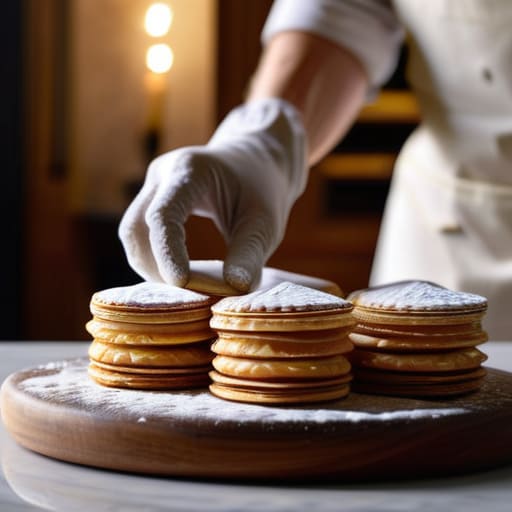
I still remember sitting on a rickety wooden stool in a tiny bakery in Lyon, the air so thick with the scent of toasted butter and yeast that it felt like a physical weight. I wasn’t looking at a glossy cookbook; I was watching an elderly woman with flour-dusted forearms move with a rhythm that felt almost ancestral. Most people think mastering french pastry basics requires a degree from a Michelin-starred institute or a kitchen full of expensive, intimidating gadgets, but that’s just a myth sold to tourists. The truth is much more tactile and, frankly, much more human than the polished Instagram reels suggest.
I’m not here to give you a lecture on high-level chemistry or sell you on gold-leafed desserts. Instead, I want to strip away the pretension and focus on the soul of the craft. I’ll be sharing the honest, messy, and sometimes frustrating reality of what it actually takes to build a foundation of flavor and texture. My goal is to help you move past the fear of the oven and find the quiet confidence that comes from understanding the simple, fundamental movements that make French baking feel less like a science experiment and more like home.
Table of Contents
Unlocking the Soul of French Patisserie Fundamentals
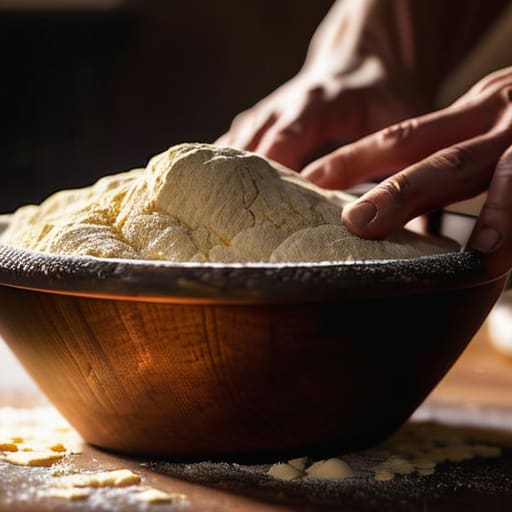
When I first stepped into a small boulangerie in Lyon, I thought the magic was in the recipe. I was wrong. It’s actually in the discipline. To truly grasp french patisserie fundamentals, you have to stop looking at the finished, golden product and start looking at the physics of the ingredients. It’s a delicate dance of chemistry and patience. Most people think it’s about following a list, but it’s actually about understanding how fat and flour interact under pressure.
The real heavy lifting happens during the laminated dough process. This isn’t just about mixing; it’s about the rhythmic, almost meditative task of folding butter into dough to create those microscopic, airy layers. If you lose your grip on the temperature control for pastry, the butter simply melts into the flour, and you’re left with a heavy, dense mess instead of something ethereal. You have to respect the cold. It’s the difference between a pastry that shatters beautifully in your mouth and one that just feels like bread. Mastering this requires more than a bowl; it requires a certain kind of quiet persistence.
The Quiet Magic of Understanding Different Types of Pastry Doughs
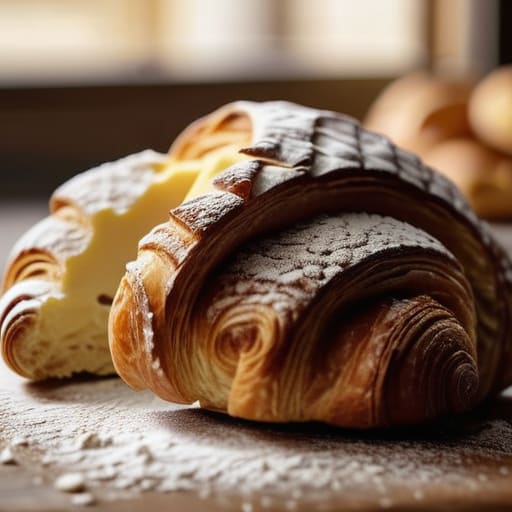
When I first started documenting bakeries from Lyon to Bordeaux, I realized that a pastry isn’t just a dessert; it’s a lesson in patience. To the untrained eye, a croissant and a tart shell look nothing alike, but they are both expressions of how we manipulate fat and flour. Understanding the different types of pastry doughs is where you stop being a spectator and start actually seeing the craft. It’s the difference between eating something that just tastes sweet and experiencing something that has structural integrity.
Take the laminated dough process, for instance. It’s a rhythmic, almost meditative dance of folding butter into dough, layer upon layer, until you have a thousand microscopic sheets waiting to shatter. If you lose your grip on temperature control for pastry, that delicate architecture collapses into a heavy, greasy mess. I’ve sat in too many tiny kitchens watching bakers work with a focused, quiet intensity, knowing that even a few degrees of warmth can ruin hours of labor. It’s not just science; it’s a temperament.
Small Rituals for the Home Baker
- Respect the temperature of your butter; if it’s too soft, your layers will melt into a greasy mess before they even hit the oven, losing that delicate, shattered-glass crunch that makes a mille-feuille special.
- Stop rushing the rest periods. I’ve learned the hard way that dough needs time to relax in the fridge—not just to chill, but to let the gluten settle so your pastry doesn’t snap back like a rubber band when you try to roll it.
- Invest in a decent scale rather than relying on measuring cups. In pastry, a few extra grams of flour can be the difference between a light, airy puff and something that feels more like a heavy biscuit.
- Learn to listen to your oven. Every kitchen has its own temperament, so don’t just trust the dial; watch for that specific, golden-brown hue that signals the sugars have finally caramelized into something beautiful.
- Keep your workspace clean and your hands cool. It sounds tedious, but treating pastry making like a slow, meditative ritual—rather than a race against the clock—is how you avoid the frustration of sticky dough and broken layers.
Beyond the Recipe: What the Flour Teaches Us
Don’t chase perfection; chase the rhythm. Mastering pastry isn’t about following a rigid checklist, but about learning to feel the temperature of the butter and the elasticity of the dough with your own hands.
Respect the ingredients’ origins. A pastry is only as soulful as the butter and flour used to create it, so look for the local, seasonal staples that give a dough its true character.
Embrace the patience of the process. The most important “ingredient” in any French kitchen is time—whether it’s the slow chill of the dough or the quiet wait for the perfect rise.
Beyond the Sugar Coating
“We often get distracted by the intricate lace of spun sugar or the vibrant glazes of a display case, but the true heart of French pastry isn’t in the decoration—it’s in the patient, rhythmic science of the dough itself.”
Anouk Verhoeven
Beyond the Recipe
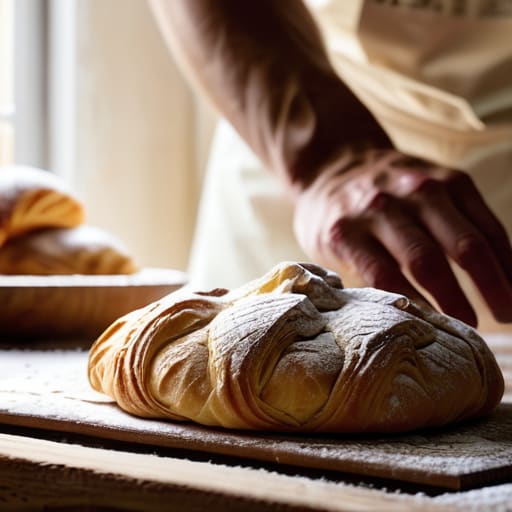
At the end of the day, mastering these basics isn’t about achieving a sterile, textbook perfection. It’s about understanding the delicate tension between high-quality butter and temperature, the way a puff pastry shatters under a knife, and how different doughs act as the foundational language of a bakery. We’ve looked at the architecture of the croissant and the structural necessity of a good choux; these aren’t just recipes to follow, but rather a set of tools that allow you to eventually stop reading and start feeling. Once you grasp the rhythm of the dough, you stop being a student and start becoming a creator.
My advice? Don’t be afraid of the mess or the occasional collapsed tart. I’ve spent many mornings in tiny, flour-dusted kitchens across Europe watching bakers fail and try again, and that is where the real soul of the craft lives. The most beautiful pastries I’ve ever tasted weren’t the ones that looked like they belonged in a glossy magazine, but the ones that tasted like unfiltered intention. So, turn off the bright kitchen lights, put on some music, and just let your hands do the work. The magic isn’t in the precision—it’s in the connection you make with the ingredients.
Frequently Asked Questions
Is it actually possible to get those perfect, flaky layers at home without a professional-grade pastry cutter?
Honestly? Yes, you absolutely can. I’ve spent many mornings in tiny, cramped kitchens where the equipment was nothing more than a dull knife and a heavy marble slab. You don’t need a specialized cutter; you just need patience and a very cold counter. It’s less about the gadgetry and more about the rhythm of your hands and keeping that butter from melting into the dough. It’s tactile, a bit messy, but incredibly rewarding.
How do I know when my butter is at the right temperature to prevent it from melting into the dough during lamination?
This is the part that always makes my heart race a little—the delicate balance of temperature. I’ve learned the hard way that if the butter is too soft, it just disappears into the flour, leaving you with bread instead of layers. You’re looking for that “pliable but cool” sweet spot. When you press it with your finger, it should feel like soft clay or room-temperature wax; it should yield slightly without feeling greasy or oily.
If I'm just starting out, should I focus on mastering a single dough like choux, or is it better to try a little bit of everything?
Honestly, I’d lean toward mastering one. When I first started documenting bakeries in Lyon, I realized that trying to juggle everything at once is just a recipe for burnout. Pick one—maybe choux, because there’s something so meditative about watching it rise—and really get to know its temperament. Once you understand how a single dough behaves, you’ll start seeing the underlying patterns in everything else. Focus on the depth, not the breadth.
