I was sitting on a plastic stool in a rain-slicked alleyway in Hanoi last October, the kind of place where the steam from a single broth pot creates its own microclimate. My notebook was damp, but I didn’t care; I was too busy trying to capture the exact scent of star anise and charred ginger hitting the humid air. It’s in these cramped, unglamorous corners that you actually stumble upon the pulse of a place. Most people think they need a reservation at a Michelin-starred establishment to understand local food culture, but honestly, those polished dining rooms are often just carefully curated illusions. The real story isn’t found in a tasting menu; it’s in the chipped porcelain bowls and the rhythmic chopping of vegetables in a market at dawn.
I’m not here to give you a list of “must-visit” landmarks that have been sanitized for Instagram. Instead, I want to show you how to look past the neon signs and the English-language menus to find the unfiltered truth of a city. My goal is to help you navigate the chaos so you can find those quiet, authentic moments where eating feels less like sightseeing and more like truly living.
Table of Contents
The Gastronomic Identity Hidden in Small Market Stalls
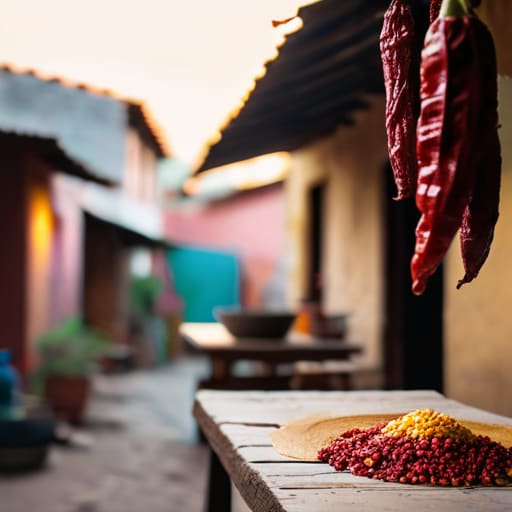
I’ve learned that if you want to find a city’s true gastronomic identity, you have to stop looking at the storefronts with gold-leaf lettering and start looking for the places where the floor is slightly uneven and the lighting is dim. In the narrow alleys of Oaxaca, for instance, it wasn’t a high-end bistro that changed my perspective, but a tiny stall smelling of toasted corn and dried chilies. There, the rhythm of the market dictates everything; you aren’t just buying an ingredient, you are participating in a cycle of seasonal food availability that has remained unchanged for generations.
These stalls are more than just points of commerce; they are living archives. While much of the world chases fleeting culinary tourism trends, these vendors are quietly preserving food history through every hand-pressed tortilla and slow-simmered mole. I often find myself sitting on a plastic stool, notebook in hand, trying to capture the specific, earthy scent of fermenting cacao or roasted spices. It is in these unpolished, crowded spaces that you realize food isn’t just sustenance—it is the most honest way a community tells its own story.
Preserving Food History Through Every Shared Family Recipe
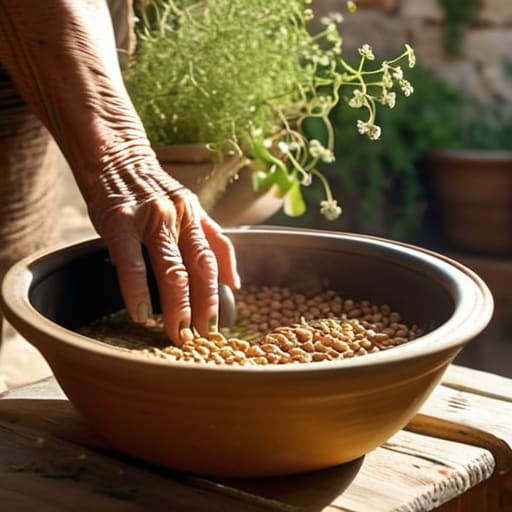
There is a specific kind of magic in a kitchen that doesn’t follow a written recipe. Last month, while staying in a small village in the Peloponnese, I watched an elderly woman prepare a simple lentil stew. She didn’t reach for a measuring cup; she moved by instinct, her hands knowing exactly how much wild oregano to crush between her palms. This is where preserving food history truly happens—not in museums or textbooks, but in the rhythmic, unhurried repetition of traditional cooking methods passed down through generations.
When I sit at these cramped wooden tables, I realize that these meals are more than just sustenance; they are living archives. Every family recipe carries the weight of the land and the specific seasonal food availability of the region. You can taste the history of a drought or a particularly bountiful harvest in the depth of a sauce. It’s a quiet, powerful way of maintaining a sense of self in a world that feels increasingly homogenized. These shared plates are the threads that keep a community’s soul intact.
How to Eat Like You Actually Belong
- Follow the crowd, but look for the right kind. If you see a line of locals standing on a sidewalk with paper plates, don’t walk past it—get in line. That’s where the real magic is happening, not in the place with the laminated English menus.
- Let your nose lead the way. I always keep my notebook handy for scents, but your nose is your best compass. If a side street smells like toasted spices or simmering garlic, follow it. The best meals are rarely found on the main boulevards.
- Learn the names of just three ingredients. You don’t need to be fluent, but knowing the local word for “salt,” “seasonal,” or a specific regional vegetable opens doors. It shows the cook you aren’t just a consumer, but a guest.
- Embrace the imperfections. A chipped bowl or a mismatched set of silverware usually means the focus is on the ingredients and the heritage, not the presentation. If the setting feels a bit worn, you’re likely in the right place.
- Ask about the “why,” not just the “what.” Instead of asking what a dish is, ask how it’s made or why it’s popular here. People love sharing the history behind their food, and that’s when the meal turns into a real connection.
The Lessons I’ve Learned Between Bites
Stop looking for the most photographed plate; the real story of a place is usually found in the steam of a crowded stall or the quiet ritual of a family-run kitchen.
Food isn’t just fuel or a checklist item; it’s a living, breathing archive of a culture’s history, preserved in the specific way a spice is toasted or a dough is folded.
To truly understand a destination, you have to slow down and listen to the rhythms of its markets, because the soul of a city is often whispered through its seasonal ingredients.
The Language of the Table
“You can learn more about a city’s true rhythm by watching how a grandmother handles a knife in a crowded market than you ever could from a museum guide; food isn’t just sustenance, it’s the most honest archive of a culture’s survival and joy.”
Anouk Verhoeven
The Slow Taste of Connection
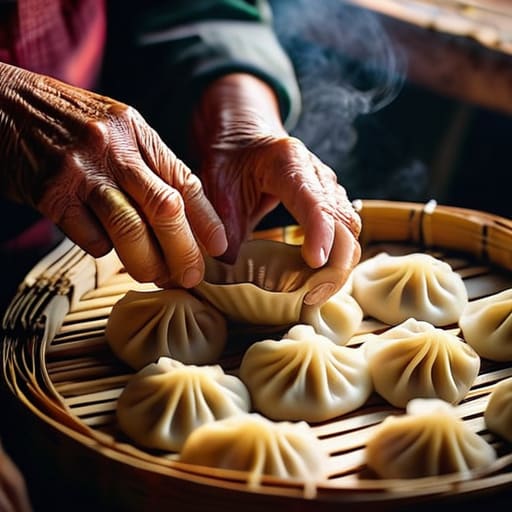
At the end of the day, understanding a culture isn’t about ticking off landmarks or collecting glossy postcards; it’s about the way a specific spice lingers on your tongue or how a vendor’s hands move with practiced grace over a steaming basket of dumplings. We’ve seen how the chaos of a market stall can hold more history than a museum, and how a single, unwritten family recipe can act as a living bridge to a past we might otherwise never touch. When we move past the polished, tourist-facing facades, we find that the true identity of a place is tucked away in these small, unpretentious corners, waiting to be tasted.
So, the next time you find yourself in a new city, I encourage you to put down the guidebook and follow your senses instead. Let yourself get a little lost in the scent of roasting coffee or the rhythmic chopping of vegetables in a side alley. It won’t always be convenient, and it certainly won’t always be pretty, but that is exactly where the magic happens. Traveling is more than just seeing new sights; it is about finding the heartbeat of a place through the simple, profound act of sharing a meal. Slow down, sit at the chipped wooden table, and just listen to what the kitchen is trying to tell you.
Frequently Asked Questions
How can I tell the difference between a genuine local market and one that's been staged for tourists?
Look for the noise—and I don’t mean the shouting vendors. I mean the purposeful, unpolished chaos. A real market smells of bruised herbs and damp earth, not scented candles or overpriced artisanal soaps. If you see locals buying heavy plastic bags of produce or stopping for a quick, unglamorous breakfast at a standing stall, you’re in the right place. If the signage is perfectly bilingual and the prices are neatly printed on chalkboards, keep walking.
What are some subtle signs that a restaurant is actually part of the neighborhood's real food culture?
Look for the signs that don’t make it into the brochures. It’s the way the waiter recognizes a regular by their nod, or the absence of an English-only menu. I always look for a “rhythm”—the specific time the neighborhood elders arrive for their afternoon coffee, or a kitchen that sounds more like a busy home than a production line. If the menu is small, seasonal, and slightly worn at the edges, you’ve likely found something real.
Is it possible to truly understand a place's history if I'm only eating the most popular or famous dishes?
Honestly? Not really. Famous dishes are often the “greatest hits”—polished, curated, and designed to be recognizable. They tell you what a place wants the world to see. But if you want the real history, you have to look at the scars and the adaptations. You find it in the humble, repetitive dishes that exist because of necessity, or the way a certain spice tells a story of ancient trade routes. The famous stuff is the cover; the everyday food is the biography.
