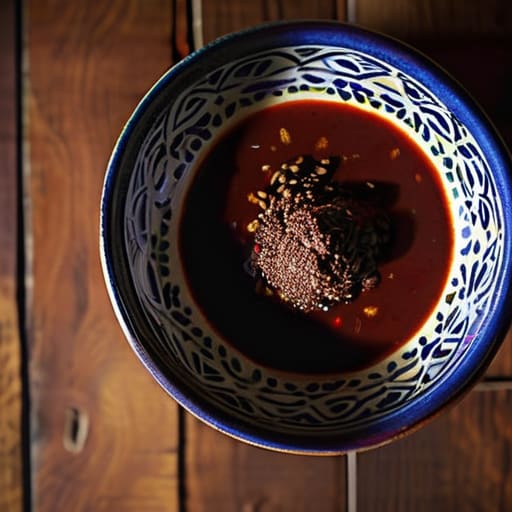
I still remember the heavy, humid air of a Tuesday afternoon in Oaxaca, standing in a kitchen that felt more like a sanctuary than a workspace. I wasn’t looking for a culinary masterpiece; I was just trying to follow the scent of toasted chilies and bitter chocolate. I watched an elderly woman, her hands stained slightly by the spices, coaxing a deep, mahogany richness out of a stone metate. That was the moment I realized that traditional mexican mole isn’t a recipe you find in a glossy, overpriced cookbook; it’s a living, breathing history that smells of smoke, earth, and patience.
Forget the sanitized, jarred versions they sell in upscale boutiques or the overly complicated “fusion” takes that strip away the soul of the dish. I’m not here to give you a list of intimidating techniques that require a professional kitchen. Instead, I want to share the real story of how these flavors come together through trial, error, and intuition. I’ll guide you through the essential elements of a true mole, focusing on the honest, sensory details that make it worth your time, so you can find that same sense of connection in your own kitchen.
Table of Contents
Uncovering the History of Mexican Mole Sauces in Quiet Kitchens
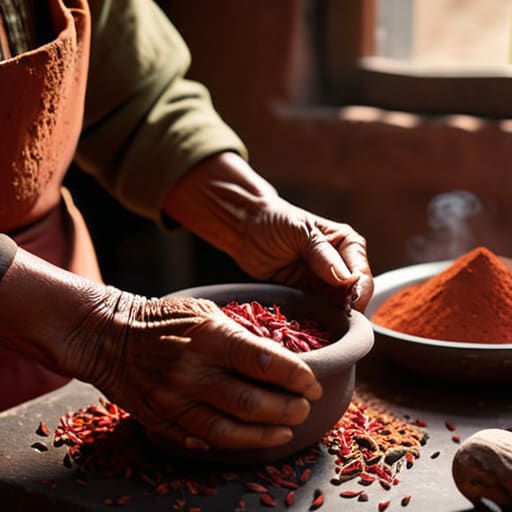
To understand the true history of Mexican mole sauces, you have to move away from the glossy cookbooks and into the steam-filled kitchens of family homes. While some stories claim a colonial origin involving convent nuns, the reality feels much more grounded in the ancient, pre-Hispanic traditions of grinding chilies and cacao. I remember sitting in a small kitchen in Puebla, watching a woman’s hands move with a rhythm that felt almost ancestral as she worked a stone metate. It wasn’t just about cooking; it was an act of preserving Mexican culinary heritage through sheer, repetitive patience.
There is a profound lesson in the way these sauces are built. You don’t just throw ingredients into a pot; you honor them. Whether it’s the smoky depth of a black mole or the bright, citrusy notes of a verde, each version relies on specific, authentic mole poblano ingredients that have been passed down through generations. It’s a slow, meditative process of balancing heat, sweetness, and spice. In these quiet kitchens, you realize that a sauce isn’t just a condiment—it is a living map of a people’s journey.
The Sacred Dance of Authentic Mole Poblano Ingredients
To understand the depth of this sauce, you have to look past the finished bowl and into the raw, scattered elements on a kitchen counter. I remember standing in a small kitchen in Puebla, watching a woman sort through dried chilies with the precision of a jeweler. She wasn’t just picking ingredients; she was selecting the architecture of a flavor. The authentic mole poblano ingredients aren’t just a list; they are a collection of sun-dried textures—mulato, ancho, and pasilla chilies—that require careful toasting to unlock their true character.
There is a certain rhythm to it, a slow, methodical process that defies the rush of modern life. It’s in the way the seeds are toasted until they just barely begin to smoke, and how the spices are ground together to create those complex flavor profiles that dance between bitter, sweet, and heat. You realize quickly that this isn’t about a quick simmer; it’s about the patience required to marry chocolate, nuts, and spices into something that feels singular. It’s a heavy, fragrant alchemy that honors the weight of mexican culinary heritage in every single grind.
Small Lessons from the Women Who Make It Real
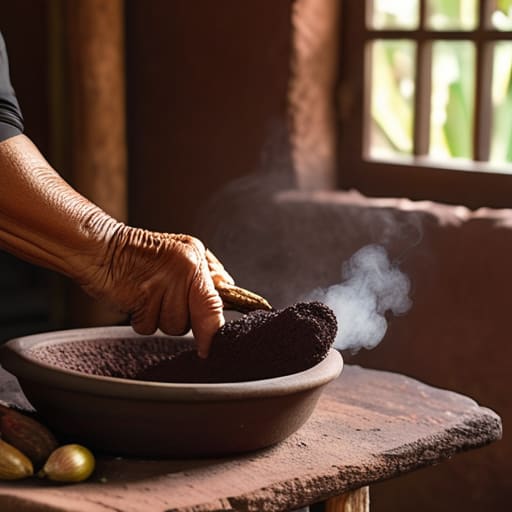
- Forget the clock. When I watched a cook in Puebla, she didn’t use a timer; she used her senses. You can’t rush the toasted chilies or the simmering chocolate. If the aroma doesn’t change from sharp to deep and earthy, it isn’t ready. Patience is the most important ingredient in your pantry.
- Watch the oil, not the recipe. In my notebook, I always jot down how the fat separates from the sauce—it’s a signal that the spices have finally married the base. If the sauce looks thin or pale, it hasn’t been “fried” in its own oils long enough to achieve that velvet texture.
- Don’t fear the bitter. A common mistake I see in modern kitchens is over-sweetening the sauce to mask the heat. Authentic mole needs that tug-of-war between the smoky dried chilies and the dark, bitter notes of cacao. If it’s too sweet, you’ve lost the soul of the dish.
- Source your chilies by sight, not just by name. I’ve learned that a dried ancho from one region can taste entirely different from another. When you can, find a local market where the skins look supple rather than dusty and brittle; the quality of your base depends entirely on the integrity of the pepper.
- Embrace the imperfection of the grind. While modern blenders are convenient, there is a specific, heavy texture you get when ingredients are processed slowly. Don’t aim for a sterile, laboratory-smooth puree; a little bit of grit makes the sauce feel like something that was actually made by hand.
What I Learned Between the Spices and the Smoke
Real mole isn’t a quick recipe; it’s a slow, rhythmic process that requires patience, intuition, and a willingness to let ingredients transform over hours of careful stirring.
To find the soul of a sauce, you have to look past the glossy restaurant menus and find the small, family-run kitchens where the ingredients are sourced by season and tradition, not by convenience.
Understanding mole means recognizing that every addition—from a single charred chili to a hint of chocolate—is a piece of a larger cultural puzzle that connects a community to its ancestors.
More Than a Recipe
“To taste a true mole is to realize that it isn’t just a sauce; it is a slow, fragrant map of a family’s history, where every charred chili and toasted spice tells a story that no cookbook could ever quite capture.”
Anouk Verhoeven
The Lingering Aftertaste of Tradition
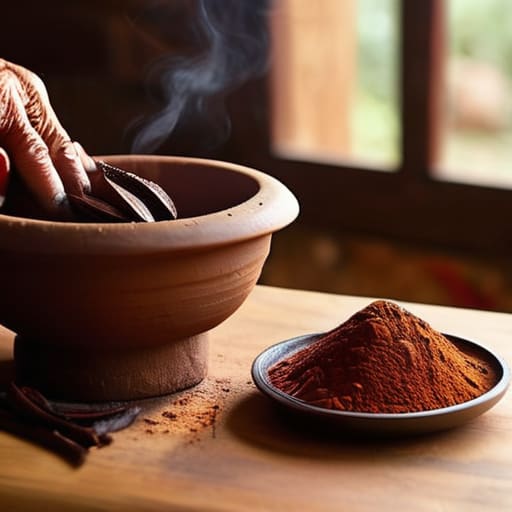
As I pack my notebook away, the scent of toasted chilies and warm cacao still seems to cling to my clothes. We’ve traveled from the deep, historical roots of these sauces to the meticulous, almost rhythmic ritual of preparing the ingredients—the way a single spice can shift the entire gravity of a dish. Understanding mole isn’t about memorizing a list of twenty ingredients; it’s about recognizing that each sauce is a living map of a region’s history. Whether it is the velvet richness of a Poblano or the bright, sharp notes of a Verde, these flavors are the unspoken language of the Mexican kitchen, passed down through hands that know exactly when the chocolate is ready to melt into the spice.
Ultimately, I’ve learned that you can’t truly find the soul of a place by looking at a menu through a glass window. You find it when you sit in the heat, wait for the slow simmer, and realize that a sauce like mole is never just a condiment—it is an act of patience and a gesture of love. Next time you find yourself in a new city, I hope you skip the polished restaurants and look for the steam rising from a small, crowded stall. Look for the places where the cooking feels like a quiet conversation between generations. That is where you will find the real stories worth telling.
Frequently Asked Questions
If I'm trying to recreate a mole at home, how can I tell if my dried chilies are still good enough to use?
I learned this the hard way in a tiny market in Puebla. When you’re picking through dried chilies, give them a gentle squeeze. They should feel leathery and pliable, not brittle or dusty. If they snap like a dry twig, they’ve lost their soul—and their oils. Also, take a sniff. You’re looking for that deep, earthy warmth, not a musty, stale scent. If they smell like nothing, they won’t give you anything.
Is there a significant difference in flavor between a mole made in a small village versus the versions served in Mexico City's larger restaurants?
It’s a massive difference. In Mexico City, even the best restaurants aim for a polished, consistent elegance—it’s a performance of flavor. But in a village kitchen? It’s something more primal. There, the mole doesn’t taste like a recipe; it tastes like the specific wood used for the fire and the slightly charred edge of a hand-ground chili. The city version is a beautiful song, but the village version is the raw, unedited heartbeat of the culture.
Which specific regional moles should I look for if I want to experience something beyond the more famous Poblano?
If you can, head toward Oaxaca. It’s the heart of mole diversity, and you really have to try Manchamanteles—it’s bright, fruity, and a total departure from the heavy classics. Then there’s Mole Negro, which is deep, smoky, and almost meditative. If you find yourself in Guerrero, look for Mole de Caderas. It’s intense and deeply regional. For me, these aren’t just sauces; they’re the actual heartbeat of the local markets.
