I was sitting in a sleek, glass-walled studio in Berlin last Tuesday, surrounded by people paying a premium to sit in silence on expensive cork mats, and I couldn’t help but feel a sense of profound disconnection. We’ve been sold this idea that urban wellness requires a membership fee, a curated aesthetic, and a complete withdrawal from the city’s pulse. But to me, that feels less like healing and more like a sanitized escape. Real well-being isn’t something you buy in a boutique; it’s something you reclaim from the cracks in the pavement and the steam rising from a street vendor’s pot.
I’m not here to give you a list of high-end retreats or overpriced supplements that promise to fix your burnout. Instead, I want to share how I find my footing in the chaos—through the sensory rituals of the streets, the quiet corners of local markets, and the way a simple, seasonal meal can ground you when the city feels too loud. I’m going to show you how to build a practice of wellness that actually fits into a life lived in motion, focusing on authentic connection rather than polished perfection.
Table of Contents
Mindful City Living Through Quiet Morning Rituals
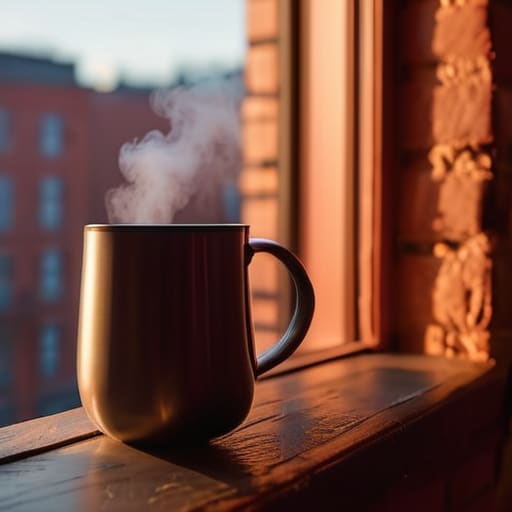
For me, the secret to navigating the relentless pace of a metropolis isn’t found in a meditation app, but in those first thirty minutes before the sirens and subway rumbles take over. I’ve learned that finding tranquility in cities requires a deliberate, almost stubborn, commitment to the quiet. I make it a point to sit by my window with a cup of bitter coffee, watching the light change on the brickwork across the street. It’s a small, fragile window of time where the city feels like it belongs to me, rather than me being swallowed by it.
This ritual is my primary tool for urban stress management. Instead of reaching for my phone to scroll through newsfeeds, I focus on the sensory details: the cool air coming through the cracked pane, the distant scent of a bakery opening up three blocks away, or the way the shadows stretch across my wooden table. By grounding myself in these micro-moments, I create a mental buffer. It’s about building a private sanctuary within the chaos, ensuring that when I finally step out the door, I’m meeting the world on my own terms.
Finding Tranquility in Cities Amidst the Rush
It’s easy to feel like the city is constantly demanding something from you—a faster pace, a louder presence, a constant state of readiness. I’ve spent many afternoons sitting on a cramped balcony in Tokyo or a tiny windowsill in Berlin, feeling the weight of that relentless momentum. We often think of finding tranquility in cities as something that requires a weekend getaway or a mountain retreat, but I’ve learned it’s actually about the micro-adjustments we make in our immediate surroundings.
Sometimes, the most effective way to combat the sensory overload is through intentional, small-scale changes. I’ve started looking at my living space through the lens of biophilic design for apartments, bringing in more textures of wood and a few more unruly, leafy greens to soften the sharp edges of the concrete outside. It’s not about creating a perfect sanctuary; it’s about building a buffer. When the sirens wail or the subway rumbles beneath the floorboards, I try to focus on the scent of the cedar incense I lit or the weight of a ceramic mug in my hands. It’s a way of reclaiming your own rhythm amidst the chaos.
Small Ways to Reclaim Yourself in the Concrete Jungle
- Seek out the sensory anchors. When the sirens and the subway hum get too loud, find a local fruit stall or a flower vendor. I always keep my notebook handy to jot down the scent of crushed mint or damp earth; it’s a quick, grounding way to pull yourself out of your head and back into your body.
- Ditch the curated wellness spots. You don’t need a membership to an overpriced, minimalist yoga studio to find balance. Often, the best way to reset is to find a patch of grass in a public park, sit, and just watch the light change on the buildings.
- Practice the art of the slow meal. Even if you’re eating a quick lunch between writing deadlines, try to step away from the screen. Focus on the texture of the bread or the heat of the coffee. It turns a frantic necessity into a momentary sanctuary.
- Map your own “quiet zones.” Every city has them—a library corner, a tucked-away courtyard, or a specific bench by a canal. Identify these spots and treat them like your own private retreats when the urban pace starts feeling heavy.
- Embrace the analog. In a city that demands constant digital connectivity, give yourself permission to go dark for an hour. Carry a film camera or a physical book. There is something deeply restorative about interacting with the world through a lens or a page rather than a glowing screen.
Finding Your Own Rhythm
Wellness isn’t a destination or a luxury spa appointment; it’s found in the small, intentional gaps you carve out between the noise, like the steam from a morning coffee or the scent of rain on hot pavement.
True urban peace comes from engaging your senses rather than tuning them out—learning to listen to the city’s hum without letting it drown out your own thoughts.
To live well in a crowded space, you have to stop fighting the rush and instead look for the quiet, unscripted moments that happen in the corners where the tourists rarely wander.
The Sensory Soul of the City
We often mistake wellness for escaping the city, but I’ve learned that true balance isn’t found in a silent retreat; it’s found in the ability to stay grounded while the subway rumbles beneath your feet and the scent of roasting coffee drifts through a crowded alleyway.
Anouk Verhoeven
Finding Your Own Rhythm
At the end of the day, urban wellness isn’t about carving out a perfect, sanitized sanctuary away from the noise; it’s about learning to navigate the friction of the city without losing yourself. We’ve talked about the power of those slow morning rituals and the way a quiet corner in a crowded market can act as a reset button for the soul. It’s in these small, intentional shifts—choosing a local tea stall over a rushed coffee chain or noticing the scent of rain on warm pavement—that we reclaim our sense of agency. It is the art of noticing the small pockets of stillness that exist even when the subway is screeching and the crowds are pressing in.
I’ve learned through years of moving from one city to the next that home isn’t a fixed coordinate, but a state of mind you carry with you. You don’t need a sprawling garden or a silent retreat to find peace; you just need to be present enough to catch the light hitting a brick wall at sunset or the shared smile of a vendor. Let the city be your teacher rather than your adversary. If you look closely enough, you’ll find that the pulse of the streets can actually become a heartbeat that keeps you grounded, rather than a rhythm that wears you down.
Frequently Asked Questions
How do you maintain a sense of presence when the city feels like it's constantly demanding your attention?
I’ve learned that you can’t fight the city’s noise, so you have to find the gaps in it. For me, it’s about sensory anchoring. When the sirens and the crowds start to feel like too much, I pull out my notebook or focus entirely on a single scent—like roasting coffee or rain on hot pavement. It’s a way of reclaiming my own rhythm, choosing to notice one small, real thing instead of everything at once.
Are there ways to practice mindfulness that don't require a quiet room or a lot of money?
Honestly, the best mindfulness I’ve found doesn’t happen on a yoga mat in a silent studio. It happens in the middle of the chaos. I practice it by really tasting—not just eating, but actually noticing the sharp citrus of a street taco or the way steam carries the scent of roasted coffee. It’s free. It’s just about leaning into your senses and letting the city’s rhythm ground you instead of overwhelming you.
How can we find authentic, slow moments in neighborhoods that are designed for speed and consumption?
You have to look for the cracks in the pavement. In neighborhoods built for speed, authenticity lives in the margins—the corner bakery where the flour dust settles on the windows, or the tiny, nameless courtyard that smells of jasmine and old stone. Stop trying to “find” a wellness center. Instead, sit on a bench without your phone. Watch how the light hits a fruit stall. Slowing down isn’t a scheduled activity; it’s a choice to notice.
