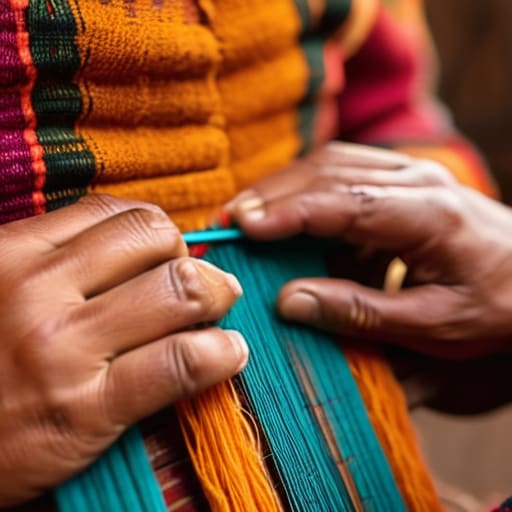
I can still smell the damp wool and the sharp, earthy scent of cochineal dye that clung to my jacket after a morning spent in the Chinchero market. I remember sitting on a low stone wall, watching an elderly woman’s fingers move with a rhythmic, almost meditative speed, pulling life out of raw alpaca fleece. Most people think finding authentic peruvian textiles means browsing the brightly lit, overpriced boutiques in Cusco that smell more like lavender sachets than tradition. But those polished shelves are often just a glossy facade that strips the soul away from the craft, leaving you with mass-produced imitations that have nothing to do with the hands that made them.
I’m not here to give you a curated list of luxury gift shops or tell you which souvenir looks best on an Instagram feed. Instead, I want to take you into the dusty corners and the quiet, communal weaving circles where the real stories are kept. I’ll share what to look for in a weave, how to spot the difference between genuine hand-spun yarn and factory fluff, and how to actually connect with the artisans behind the loom.
Table of Contents
Tracing Inca Textile History Through Every Stitch
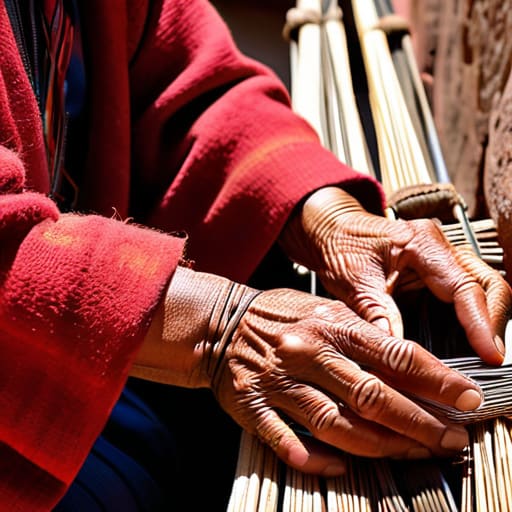
Sitting in a small courtyard in Cusco, I watched a weaver work with a rhythm that felt almost meditative. It wasn’t just about making a cloth; it felt like she was reading a map. To understand Inca textile history, you have to look past the finished product and focus on the intent behind each thread. For the Inca, textiles were a language—a way to communicate status, lineage, and even spiritual connections to the mountains. Every geometric pattern isn’t just decoration; it’s a piece of andean textile symbolism that has survived centuries of change.
The complexity of the craft is staggering when you see it up close. I spent an afternoon observing the backstrap loom weaving process, where the weaver uses her own body weight to maintain tension on the threads. There is no machine to smooth out the imperfections, only the steady, practiced hands of someone who has learned this from their mother and grandmother. Using natural dye techniques derived from crushed insects and mountain plants, they breathe color into the fibers, ensuring that the connection to the earth remains as vibrant as the history itself.
The Quiet Magic of Traditional Alpaca Wool Weaving
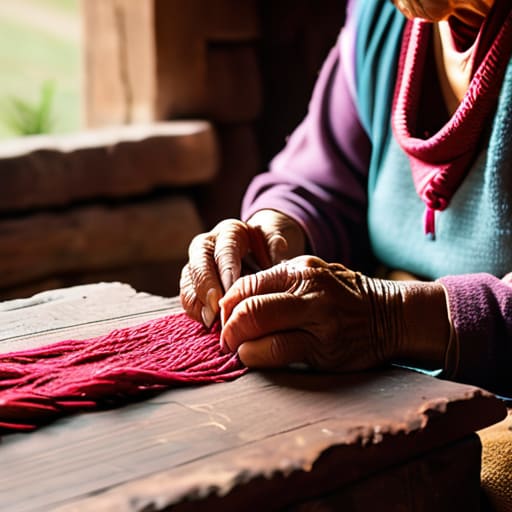
I spent a Tuesday afternoon tucked away in a small stone cottage near Chinchero, the air smelling faintly of woodsmoke and damp earth. There, I watched a woman named Elena guide a thread through a weathered wooden frame, her movements so rhythmic they felt like breathing. This wasn’t the polished, fast-paced production you see in souvenir shops; this was the slow, meditative backstrap loom weaving process that has remained unchanged for generations. There is a profound stillness in watching someone transform raw fleece into something structural and beautiful, one deliberate movement at a time.
As she worked, she explained how they achieve their deep ochres and soft terracottas using natural dye techniques in Peru, pulling color from crushed insects and mountain minerals. It’s a fragile, beautiful alchemy. You realize quickly that these patterns aren’t just decorative; they are a language. Every geometric shape and color shift carries a specific weight of andean textile symbolism, acting as a visual shorthand for the community’s relationship with the land. In these quiet moments, the fabric stops being an object and starts feeling like a living history.
Beyond the Souvenir Shop: How to Find the Real Stories
- Look for the hands, not just the product. When you’re browsing a market, try to find the weavers actually working at their looms. There is a profound difference between a mass-produced blanket and one where you can see the rhythm of the weaver’s movements.
- Follow the scent of the dye. Real, traditional textiles often carry the faint, earthy aroma of natural ingredients—indigo, cochineal, or even local herbs. If a fabric smells overly chemical or “new,” it’s likely been treated with synthetic dyes rather than the traditional methods I look for.
- Ask about the symbols. Every geometric pattern and color choice in a Peruvian weave is a language of its own. Don’t be afraid to ask a vendor what a specific motif represents; often, these patterns are a way of documenting local flora, fauna, or even family lineages.
- Prioritize the texture over the price tag. I always carry my notebook to jot down tactile observations. A genuine piece of hand-spun alpaca or cotton has a specific, slightly irregular weight and warmth that no factory-made imitation can replicate.
- Seek out the community cooperatives. Instead of the large stalls near the main plazas, head toward the smaller, community-run centers. This is where your money goes directly back to the artisans, ensuring that these ancient techniques remain a living part of their culture rather than just a relic for tourists.
More Than Just Fabric: What to Carry Home
Look past the bright colors and seek out the stories; the real value of a textile lies in the specific techniques and local symbols that connect a weaver to their specific community.
Prioritize the hands that make them; choosing authentic, hand-loomed pieces over mass-produced souvenirs directly supports the survival of ancient Andean traditions.
Feel the weight of the history; understanding the difference between natural alpaca fibers and synthetic blends helps you appreciate the slow, intentional rhythm of traditional craftsmanship.
More Than Just Patterns
When you run your fingers over a hand-woven textile in the Andes, you aren’t just touching wool; you’re touching a language of knots and dyes that has been whispered from mother to daughter for centuries, long before we ever thought to map these mountains.
Anouk Verhoeven
More Than Just Fabric
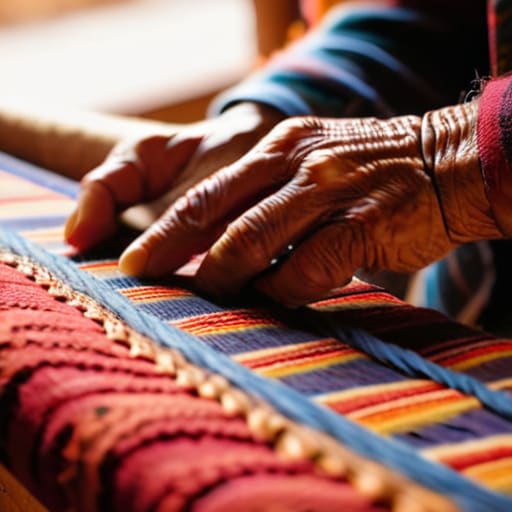
As I sit here in a small café in Cusco, the scent of roasted corn and damp earth drifting through the window, I realize that these textiles are so much more than mere souvenirs. We’ve traced the lines from the ancient Inca mastery to the rhythmic, meditative work of the alpaca weavers, seeing how each thread acts as a living archive of a community’s identity. Whether it’s the specific geometry of a pattern or the natural dyes pulled from mountain shrubs, these pieces carry the weight of history and the warmth of the hands that made them. To hold a hand-woven shawl is to hold a piece of a lineage that refuses to be silenced by the rush of the modern world.
If you find yourself wandering through the high Andes, I urge you to look past the bright, mass-produced trinkets at the edge of the plazas. Instead, seek out the quiet corners where the real work happens—the small workshops and the communal looms. When you buy a textile directly from a weaver, you aren’t just purchasing a garment; you are participating in the preservation of a soul. It is a way of saying that their stories, their time, and their incredible artistry still matter. Travel is often about what we see, but I’ve learned that the most profound connections are found in what we choose to carry home.
Frequently Asked Questions
How can I tell if I'm actually buying authentic hand-woven pieces rather than factory-made imitations sold in the tourist markets?
I’ve learned this the hard way, usually by feeling a bit cheated after a long day of walking. Look at the edges—factory pieces are often too perfect, too symmetrical. Real hand-woven textiles have tiny, beautiful irregularities. Run your fingers over the weave; you should feel the slight tension changes where the weaver’s hands moved. Also, check the scent. Authentic wool has a faint, earthy smell, not that sharp, chemical tang of synthetic dyes.
Are there specific regions or villages in Peru that are known for particular patterns or weaving styles?
If you’re looking for the heartbeat of specific styles, you have to head to the Sacred Valley. In Chinchero, the weavers use these incredible, intricate geometric patterns that feel almost mathematical. Then there’s Taquile on Lake Titicaca—their knitting is legendary and carries a completely different social language. I’ve found that the further you wander from Cusco, the more the patterns change, shifting from bright, bold symbols to more muted, earthy storytelling.
How should I care for alpaca wool textiles to make sure they last as long as the stories they carry?
Treating these pieces with intention is part of the ritual. I’ve learned that alpaca thrives on gentleness; avoid the agitation of a washing machine. Instead, opt for a cool soak in a mild, pH-neutral soap, then lay it flat on a towel to dry away from direct sunlight. If it’s just a little dusty, a quick airing out in the fresh breeze does wonders. It’s about slowing down, much like the weaving itself.
