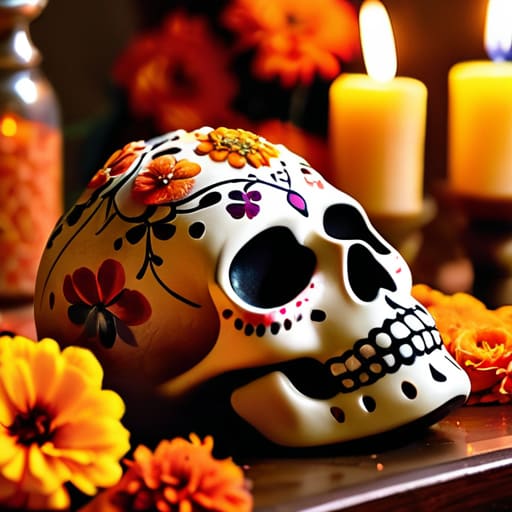
The scent of bruised marigolds and toasted cacao always hits me before I even see the first altar. I remember sitting on a low stone step in a narrow Oaxaca alleyway, my notebook tucked into my pocket, watching an elderly woman carefully arrange sugar skulls while the heavy, sweet aroma of copal incense drifted through the humid air. Most people think Mexican Day of the Dead is all about the neon-colored parades and the massive, staged spectacles you see on Instagram, but that’s just the surface. To me, the true heart of Mexican Day of the Dead isn’t found in a crowd of tourists; it’s found in the quiet, flickering candlelight of a family kitchen.
I’m not here to give you a sanitized travel itinerary or a list of the most “Instagrammable” spots in the country. Instead, I want to take you into the side streets and small markets where the real traditions are being lived out every single day. I’ll share what to look for, how to respect the rituals, and most importantly, how to find the authentic connection between the food, the memory, and the soul of this beautiful celebration.
Table of Contents
The Scent of Cempaschil Flowers in Local Markets
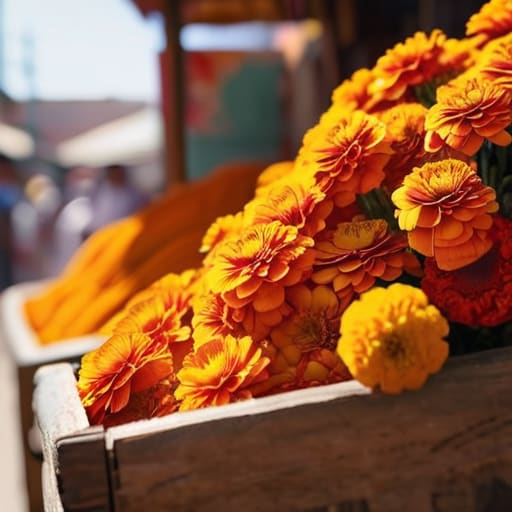
Walking into a local market during this season is less about seeing and more about smelling. Before you even spot the vibrant orange piles, the air hits you—a heavy, earthy, and slightly spicy scent that signals the arrival of the season. This is the unmistakable aroma of marigolds. The importance of cempasúchil flowers isn’t just aesthetic; their bright petals and pungent fragrance are believed to act as a sensory map, guiding spirits back to the world of the living. I found myself hovering near a stall in Oaxaca, just closing my eyes and letting the scent fill my notebook.
As I moved deeper into the stalls, the sensory experience shifted from floral to sweet. I watched an elderly woman meticulously arranging trays of treats, her hands moving with a practiced grace that spoke of decades of tradition. There is something so grounding about seeing the calavera imagery significance play out in real-time, not as a museum exhibit, but as a living, breathing part of the community’s rhythm. It’s in these small, fragrant corners of the market where you truly feel the connection between the living and those we are honoring.
Decoding the Deep Ofrendas Meaning and Symbolism
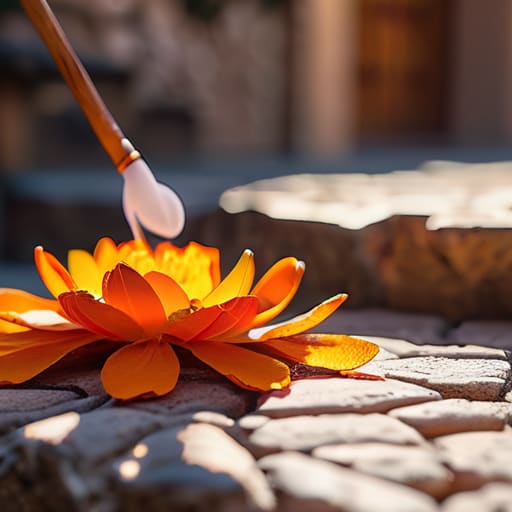
I remember sitting in a small courtyard in Oaxaca, watching an elderly woman meticulously arrange layers of colored paper and fruit. To an outsider, an altar might look like a chaotic collection of trinkets, but when you lean in, you realize every single item is a deliberate invitation. Understanding ofrendas meaning and symbolism requires looking past the bright colors to the elements themselves: water to quench the soul’s thirst after a long journey, salt to purify, and incense to guide the spirits home. It isn’t about mourning; it’s a tactile, sensory bridge built between the living and those who have passed.
The imagery can be striking, almost jarring if you aren’t prepared for it. You’ll see calavera imagery significance woven into everything from hand-painted ceramics to the intricate sugar skulls resting on the tiers. These aren’t macabre symbols of death in the way we often view them in the West. Instead, they represent the cycle of life—a playful, colorful reminder that our loved ones aren’t truly gone as long as we keep their stories, and their favorite flavors, alive.
How to Experience the Soul of the Celebration (Without Feeling Like a Tourist)
- Seek out the neighborhood altars rather than the main plazas. The most moving displays aren’t the massive, polished ones in the center of town, but the small, candle-lit ofrendas tucked into the doorways of family homes or tiny corner shops.
- Follow the scent of copal incense. If you find yourself in a crowded market, look for the thick, sweet clouds of resin smoke; it’s more than just a smell, it’s a sensory bridge used to guide spirits back home, and being in that haze makes the atmosphere feel incredibly sacred.
- Eat the seasonal bread, but do it slowly. Don’t just grab a piece of pan de muerto from a supermarket shelf; find a local panadería where the sugar is still slightly coarse and the orange blossom scent is heavy in the air. It’s a ritual of tasting, not just eating.
- Respect the quiet moments. While there is plenty of music and color, there are also moments of profound, hushed grief and remembrance. If you see a family gathered around a photo, take a step back. The best way to honor the tradition is to be a witness, not a spectator.
- Bring a small, physical notebook. I know it sounds old-fashioned, but the sensory details—the way the marigold petals feel underfoot or the specific smoky aroma of a street vendor’s stall—are too fleeting to capture on a phone. Write them down so you can actually feel the memory later.
Beyond the Spectacle: What I Learned in the Markets
Don’t look for the biggest parade; look for the smallest stalls where the scent of marigolds is thickest and the vendors are busy preparing for their own families.
Food is the bridge between worlds, where a simple piece of pan de muerto or a specific mole recipe acts as a sensory invitation for ancestors to return home.
Understanding an ofrenda isn’t about memorizing a list of symbols, but about recognizing the quiet, intentional way people honor the connection between the living and the dead.
Beyond the Marigolds
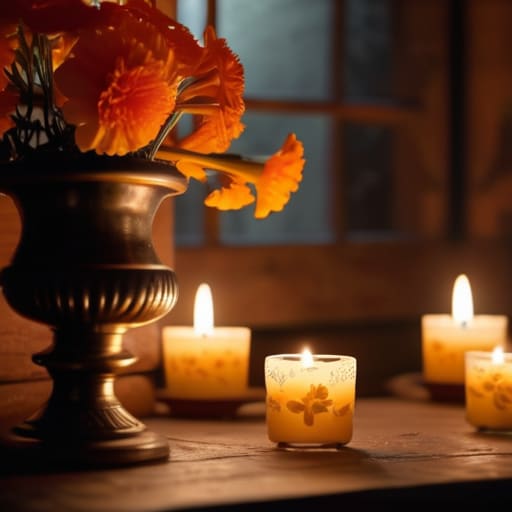
People often come looking for the spectacle of the parades, but I’ve found that the true heartbeat of Día de los Muertos isn’t in the noise; it’s in the quiet, heavy scent of copal incense and the way a grandmother carefully arranges a single piece of fruit on an altar, as if she’s setting a place at the table for someone who never truly left.
Anouk Verhoeven
Beyond the Marigolds
As I sit here in this small courtyard, watching the smoke from the copal incense drift toward the stars, everything starts to click. It isn’t just about the vibrant orange of the cempasúchil or the intricate layers of an altar; it’s about the way these traditions weave the past into the present. From the specific, spicy aroma of mole simmering in a neighborhood kitchen to the quiet reverence of a family arranging photos, Día de los Muertos is a sensory map of remembrance. It’s a reminder that the people we have lost aren’t truly gone as long as we keep their favorite flavors and their stories alive in our daily lives.
Traveling often makes us feel like outsiders looking through a glass pane, but these moments of shared ritual break that barrier down. I’ve learned that you don’t need to understand every ritual perfectly to feel the profound warmth of the celebration. You just need to show up, eat the bread, and listen to the stories. Ultimately, this holiday teaches us that death isn’t a wall, but a bridge between worlds. So, the next time you find yourself in a new corner of the map, look past the bright decorations and seek out the quiet, edible connections that make a place feel like home.
Frequently Asked Questions
If I’m visiting a local market, how can I tell if a vendor is selling authentic, locally grown cempasúchil or just the mass-produced stuff?
Look for the imperfections. Mass-produced cempasúchil often arrives in uniform, bright-orange bundles, looking almost too perfect and slightly limp from transit. The real deal? It’s messy. Look for deep, saturated marigold hues—sometimes even leaning toward a burnt red—and petals that still hold a bit of earth or dew. If the vendor is trimming the stems right there and the scent hits you like a heavy, spicy punch before you even reach the stall, you’ve found the good stuff.
Beyond the flowers and the altars, what are some of the specific foods I should look for that actually represent the connection between the living and the dead?
It’s not just about the feast; it’s about the sensory bridge between worlds. Look for pan de muerto—that orange-dusted bread that smells of citrus and hope. Then there’s mole negro, so rich and complex it feels like a conversation with ancestors. I always hunt for calaveras de azúcar; they look sweet, but they’re a profound nod to the cycle of life. These aren’t just dishes; they are the flavors that guide souls home.
How can I respectfully observe a private family ofrenda without feeling like I'm intruding on a sacred, personal moment?
It’s a delicate balance, isn’t it? I’ve learned that the best approach is to lead with humility rather than a camera. If you see a private altar in a home or a small shop, don’t just hover. Ask permission first—a simple, “May I look at your beautiful ofrenda?” goes a long way. If they say yes, observe quietly. Treat it like a museum exhibit with a heartbeat; keep your distance, stay soft-spoken, and always prioritize the connection over the perfect shot.
