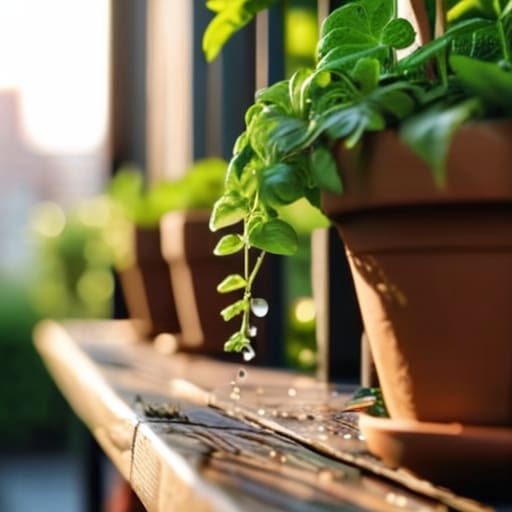
I remember sitting on a cramped, sun-bleached terrace in Lisbon last summer, the scent of charred sardines drifting up from the street below, while I stared hopelessly at a withered basil plant. I had spent far too much money on designer ceramic pots and “expert” gardening kits, thinking that a lush, Mediterranean oasis was just a purchase away. But as I watched the soil crack under the heat, I realized that a successful balcony garden isn’t about aesthetic perfection or expensive gadgets; it’s about understanding the rhythm of your specific microclimate and the simple, gritty reality of keeping something alive in a small space.
I’m not here to sell you on a lifestyle makeover or a curated catalog of overpriced greenery. Instead, I want to share what I’ve actually learned from living out of a suitcase and tending to tiny, urban patches of earth across different continents. I’ll guide you through the uncomplicated essentials—from choosing herbs that actually survive the wind to finding the right soil—so you can cultivate a space that feels less like a chore and more like a quiet, living sanctuary right outside your door.
Table of Contents
- Small Rituals Essential Container Gardening Tips
- Chasing Light Understanding Sunlight Requirements for Balcony Plants
- Small Wonders: My Little Rules for Keeping Things Alive
- Bringing the Market Home: My Three Golden Rules
- The Soul of the Small Space
- Finding My Roots in the Sky
- Frequently Asked Questions
Small Rituals Essential Container Gardening Tips
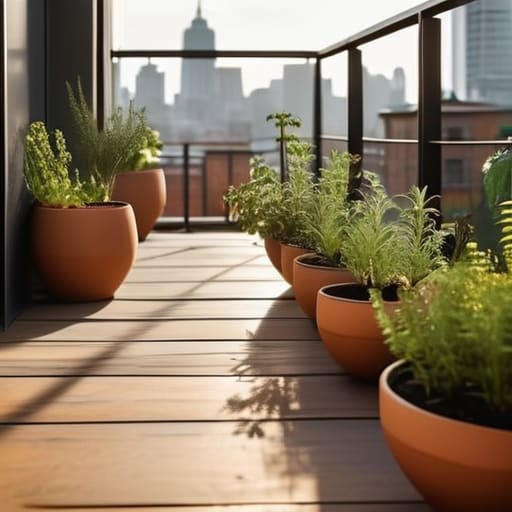
When I first started trying to grow things in my temporary spaces, I realized that success isn’t about having a massive backyard; it’s about understanding the specific rhythm of your small patch of sky. One of my most important container gardening tips is to never underestimate the weight of your choices. I used to buy these heavy, ornate ceramic vessels only to realize they were far too cumbersome for my nomadic lifestyle. Now, I look for lightweight, breathable terracotta or high-quality resin. Finding the best pots for balcony use means balancing aesthetics with the practical reality of moving them around to chase the light.
I’ve also learned that my plants are just as sensitive to the environment as I am. Before you buy that lush, tropical fern, take a day to observe the sunlight requirements for balcony plants in your specific corner. Is it a harsh, afternoon-sun situation, or a soft, dappled morning glow? If you’re dealing with a wind-swept terrace, I highly recommend leaning into drought tolerant outdoor plants like rosemary or lavender. They don’t just survive the heat; they actually smell incredible when the sun hits them, turning a simple watering chore into a sensory ritual.
Chasing Light Understanding Sunlight Requirements for Balcony Plants
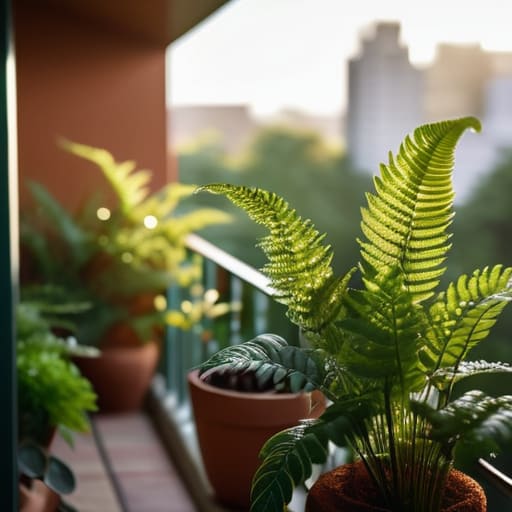
Before I started traveling as much as I do, I used to think sunlight was a simple “on or off” switch. I’d buy a lush, leafy fern thinking it would thrive in my bright morning nook, only to watch it wilt within a week. Now, I realize that understanding the specific sunlight requirements for balcony plants is more like reading the rhythm of a city; you have to observe how the shadows move before you commit.
If your space is tucked away in a narrow alley or shaded by a neighboring building, don’t feel discouraged. You just have to curate your selection differently. I’ve found that focusing on shade-loving greenery can actually create a much more calming, forest-like atmosphere than a sun-drenched terrace. On the flip side, if you have a south-facing spot that bakes from noon until sunset, you’ll want to lean into drought tolerant outdoor plants like lavender or succulents. They don’t just survive the heat; they actually seem to lean into it, finding their strength in the intensity of the light.
Small Wonders: My Little Rules for Keeping Things Alive
- Don’t overthink the pots; I’ve found that heavy terracotta is much kinder to my sanity than lightweight plastic, mostly because it doesn’t tip over when the wind picks up between the buildings.
- I always keep a small bag of organic compost on hand, because even in a tiny space, the soil is the heartbeat of everything you’re growing.
- Water deeply rather than frequently; it’s better to let the soil dry out a bit so the roots actually have to work for their drink, much like how I prefer a slow, intentional meal over a quick snack.
- Group your plants by their thirst levels—it makes the daily ritual of watering much more intuitive when you aren’t playing a guessing game with every single leaf.
- Leave a little room for the unexpected; don’t crowd every inch of the railing, because sometimes the most beautiful part of a balcony garden is the empty space where the afternoon light just hits the floor.
Bringing the Market Home: My Three Golden Rules
Think in layers, not just rows; I’ve found that mixing textures—like the soft leaves of basil against the structured stems of rosemary—makes a small space feel like a living, breathing ecosystem rather than a collection of pots.
Respect the weight of your space; since I move frequently, I always opt for lightweight terracotta or recycled resin containers that don’t compromise the balcony’s integrity but still feel grounded and intentional.
Prioritize the sensory over the aesthetic; don’t just plant what looks good in a photo, plant what you want to smell when you step outside with your morning coffee—the scent of crushed mint or damp soil is what actually makes a balcony feel like home.
The Soul of the Small Space
“A balcony garden isn’t just about the greenery; it’s about that quiet, tactile connection to the earth that stays with you, even when you’re living out of a suitcase and moving between cities.”
Anouk Verhoeven
Finding My Roots in the Sky
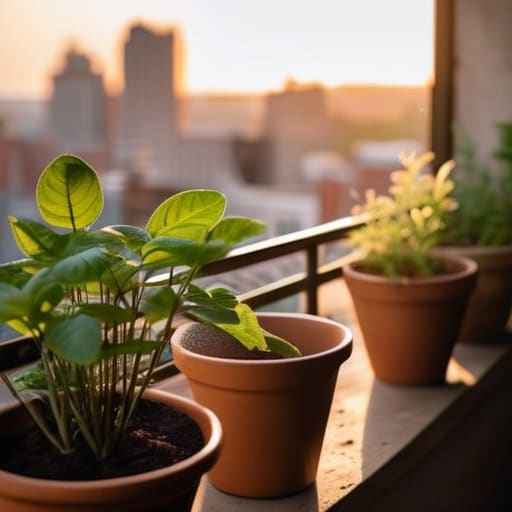
As I look over my little collection of terracotta pots, I’m reminded that balcony gardening isn’t about achieving some perfect, magazine-ready aesthetic. It’s about the practicalities we’ve discussed—learning the rhythm of the sunlight that hits your railing and choosing the right containers that won’t overwhelm your space. Whether you are struggling with drainage or just trying to figure out which herbs can survive your specific microclimate, remember that every wilted leaf is just a lesson in disguise. It’s a slow, messy process of trial and error, but once you master those small rituals, you stop just “keeping plants alive” and start actually nurturing a living ecosystem right outside your door.
Ultimately, my balcony has become more than just a way to decorate a rental; it’s become my own tiny, elevated kitchen garden. There is a profound, quiet joy in snipping a few sprigs of fresh basil to toss into a pasta sauce, knowing exactly where it came from. It connects me to the earth in a way that makes even the most crowded city feel a little more grounded and human. So, don’t wait for a backyard or a patch of soil to start your journey. Grab a single pot, some seeds, and let yourself grow alongside them.
Frequently Asked Questions
How do I manage watering when I'm traveling between cities for work?
This is the perennial struggle of the nomad. Since I’m rarely in one place for more than a few weeks, I’ve had to get creative. I rely heavily on self-watering terracotta spikes—they’re simple, functional, and much more reliable than anything else I’ve tried. For longer trips, I’ve learned to curate my balcony around “low-maintenance” companions like succulents or hardy herbs. It’s about choosing plants that thrive on a bit of neglect, much like us.
Are there specific herbs that thrive in smaller pots without getting root-bound?
I’ve found that Mediterranean herbs are usually my safest bet when space is tight. Rosemary and thyme are incredibly resilient; they actually prefer a bit of struggle and don’t mind the confined root space. Mint is a powerhouse, but honestly, keep it in its own pot or it’ll stage a coup against your other plants. For me, keeping a small pot of basil nearby is non-negotiable—it’s the quickest way to make a tiny kitchen feel like home.
How can I tell if my balcony gets enough wind protection for more delicate plants?
I’ve learned the hard way that wind is often more punishing than the sun. To test it, I simply set a lightweight ribbon or even a few dried flower petals on my ledge for an hour. If they’re constantly dancing or tumbling, your space is likely too exposed for something delicate like basil or ferns. In those cases, I always lean toward sturdier, wind-resistant herbs or look into adding a small, breathable trellis for a bit of a buffer.
