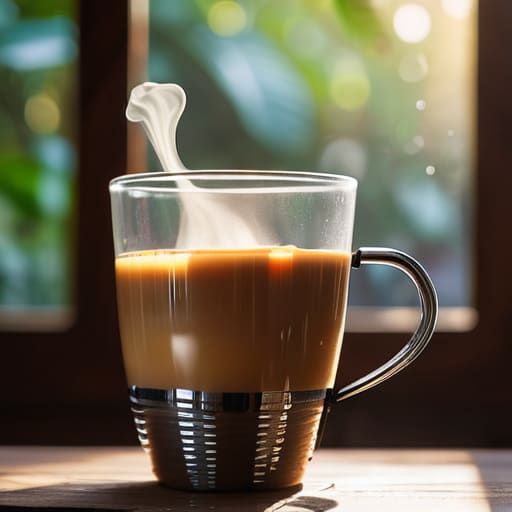
I still remember the humidity of that first morning in Hanoi, sitting on a plastic stool so low my knees nearly touched my chin. The air was thick with the scent of diesel and jasmine, but cutting through it all was the heavy, chocolatey aroma of vietnamese coffee brewing in a battered metal phin. I wasn’t in some air-conditioned, minimalist cafe with a curated playlist; I was tucked into a corner where the steam from the street food stalls mingled with the dark, slow drip of caffeine. It wasn’t just a drink; it was the rhythm of the city waking up, one concentrated drop at a time.
I’m not here to give you a polished, commercialized guide to the most “Instagrammable” cafes in Saigon. Instead, I want to pull back the curtain on what makes this ritual actually matter. I’ll share the honest, unvarnished truth about the beans, the brewing, and how to find the real soul of the coffee culture away from the tourist crowds. If you’re looking for a way to connect with the local pulse through a cup, you’ve come to the right place.
Table of Contents
Mastering the Phin Filter Brewing Method at Home
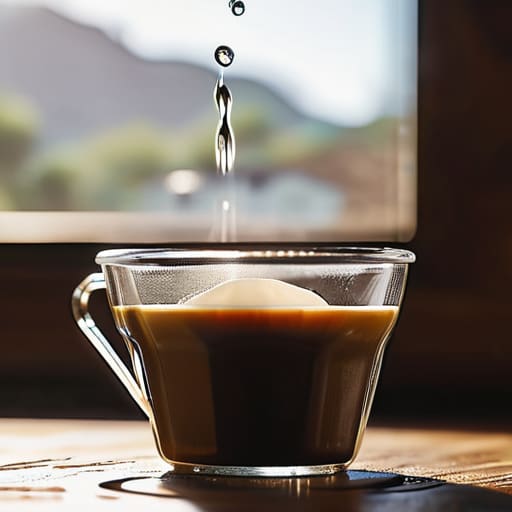
To recreate that slow, meditative ritual in your own kitchen, you really have to embrace the patience required by the phin filter brewing method. It isn’t about a quick caffeine fix; it’s about the drip. I usually start with a coarse grind of dark-roasted beans. While many specialty shops lean toward the acidity of Arabica, the soul of this drink lies in the grit of robusta coffee beans vs arabica—the former provides that chocolatey, heavy-bodied punch that holds up beautifully against sweetened condensed milk.
Once you’ve placed the grounds in the metal filter, pour just a splash of hot water to let them bloom. This is the most important part; if you rush it, you lose the depth. After a minute, fill it the rest of the way and wait for the slow, rhythmic drip into your glass. As the dark liquid pools at the bottom, I find myself reaching for my notebook, noting how the scent of toasted grain fills the room. It’s a small, grounding moment that makes a Tuesday morning feel a little more like a street corner in Hanoi.
Robustas vs Arabicas Finding the Soul of the Bean
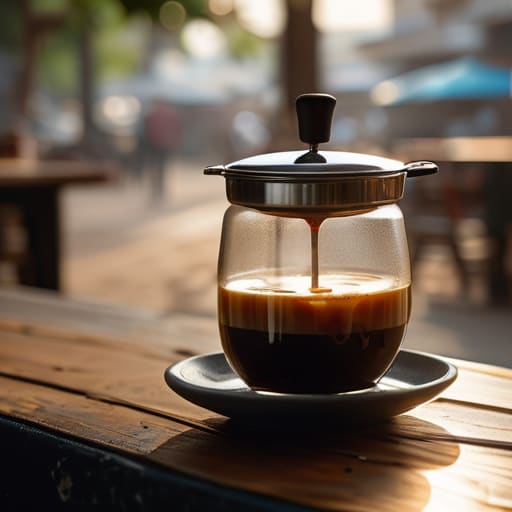
Whenever I’m sitting in those low-slung plastic chairs at traditional vietnamese coffee shops, I find myself watching the locals. They aren’t looking for the bright, acidic notes you might find in a high-end Ethiopian pour-over; they are looking for something that hits like a heartbeat. This is where the debate of robusta coffee beans vs arabica becomes more than just a technicality—it becomes a matter of cultural identity. While much of the world has leaned into the delicate nuances of Arabica, Vietnam has mastered the art of the Robusta.
To my palate, Robusta is the backbone of the country’s caffeine culture. It offers these deep, earthy, and chocolatey undertones that can stand up to the intense sweetness of condensed milk. If you tried to use a light-roast Arabica in a standard cà phê sữa đá recipe, the milk would simply drown out the bean’s character. Instead, the heavy-bodied Robusta cuts through the cream, creating that signature, velvety texture. It’s a bold, unapologetic way to drink, and honestly, it’s the only way to truly experience those strong vietnamese coffee flavors that define the streets of Saigon and Hanoi.
Small Rituals for a Better Brew
- Don’t rush the drip. The beauty of the Phin is in the patience; if the coffee rushes through too quickly, you haven’t truly extracted those deep, chocolatey notes that make Vietnamese coffee so distinct.
- Embrace the condensed milk. While purists might argue, the thick, velvety sweetness of sweetened condensed milk is the perfect counterbalance to the intense, almost smoky bitterness of the dark roast.
- Temperature matters more than you think. I’ve learned the hard way that using boiling water straight from the kettle can scorch the grounds; let it sit for a minute so you don’t lose those delicate nuances.
- Look for the “darker” side. When shopping for beans, don’t be afraid of the heavy, dark roasts. You aren’t looking for the bright acidity of an Ethiopian light roast; you want something bold enough to stand up to milk.
- Observe the ice. If you’re making Cà Phê Đá, use large, solid ice cubes rather than crushed ice. It keeps the drink cold without diluting the strength of the brew before you’ve had a chance to finish it.
The Essence of the Vietnamese Coffee Ritual
Don’t rush the process; the slow, rhythmic drip of a Phin filter is as much about the patience of the moment as it is about the caffeine.
Embrace the bold, earthy intensity of Robusta beans, which serve as the true, unpretentious backbone of Vietnam’s street coffee culture.
Look beyond the polished cafes to find the real magic in the steam-filled alleyways and the quiet, shared rituals of a sidewalk stool.
More Than Just a Caffeine Kick
“To me, a Vietnamese coffee isn’t just a drink; it’s a lesson in patience. You sit there, watching those dark, heavy drops fall slowly through the phin filter, and you realize that the best things in life—the real flavors, the real connections—can’t be rushed.”
Anouk Verhoeven
The Slow Ritual of the Sip
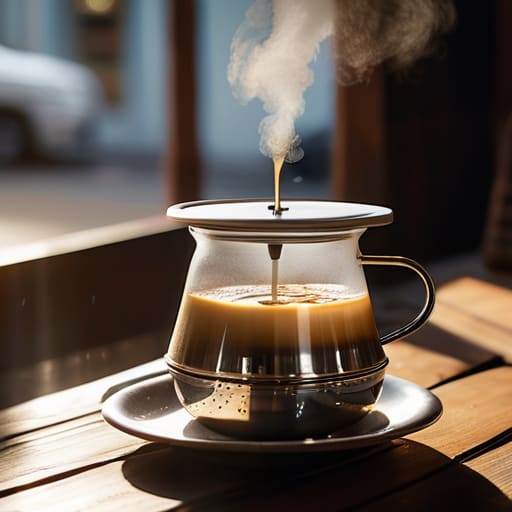
At the end of the day, whether you are perfecting the slow drip of a metal phin filter in your own kitchen or navigating the chaotic energy of a Saigon sidewalk, it all comes down to understanding the bean. Moving away from the lighter, acidic profiles of Arabica and embracing the deep, chocolatey intensity of the Robusta is more than just a flavor preference; it is an embrace of the local landscape. Once you master the balance of that rich brew with a touch of sweetened condensed milk, you aren’t just drinking caffeine—you are participating in a time-honored ritual that has fueled generations.
As I pack my notebook and prepare for my next flight, I find myself thinking about those quiet mornings spent watching the condensed milk swirl into the dark coffee like a slow-motion storm. Coffee is rarely just about the energy kick; it is the connective tissue between the person brewing it and the person drinking it. I hope that the next time you sit down with a cup, you don’t just rush through it. Instead, I hope you take a moment to savor the stillness, feeling the weight of the cup and the history in every single drop.
Frequently Asked Questions
Is there a specific type of condensed milk I should look for to get that authentic, velvety texture at home?
To get that specific, silky mouthfeel, look for “sweetened condensed milk” rather than anything labeled “evaporated” or “reduced.” If you can find a brand like Longevity (Sữa Ông Thọ), that’s the gold standard I always hunt for in local markets. It has a higher sugar-to-milk ratio which creates that heavy, velvety layer at the bottom of the glass. It’s less about the creaminess and more about that thick, syrupy sweetness that cuts right through the bitter Robusta.
How do I know if a cafe is serving traditional Vietnamese coffee or just a Western-style brew with a bit of milk?
Look for the Phin. If you see those small, stainless steel gravity filters sitting on top of every glass, you’re in the right place. Real Vietnamese coffee isn’t just “poured”; it’s a slow, rhythmic drip that demands patience. Also, check the milk. If they’re using heavy, sweetened condensed milk rather than fresh dairy, they’re honoring the tradition. If it looks like a standard latte, keep walking—you’re looking for something much deeper.
If I can't find Robusta beans locally, is there a specific way to adjust my brewing time to mimic that heavy, chocolatey profile?
If you’re stuck with Arabica, don’t panic. To mimic that heavy Robusta body, try slowing things down. Use a slightly finer grind and extend your brew time—let the water sit in the filter a bit longer. I also swear by adding a tiny pinch of sea salt to the grounds; it cuts the acidity and pulls out those darker, cocoa-like notes that usually come from the Robusta bean. It’s a small tweak, but it makes a world of difference.
