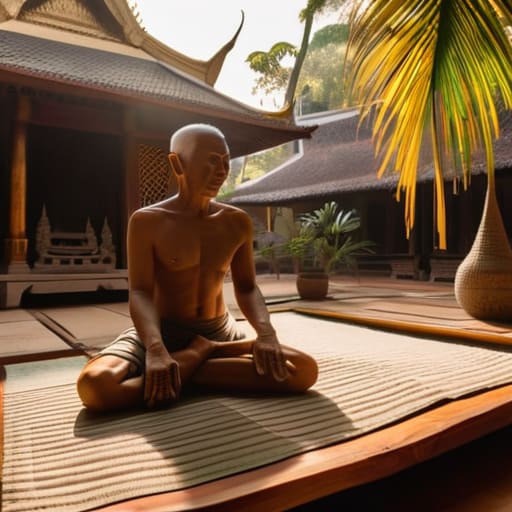
The humidity in Bangkok has a way of clinging to you, but nothing quite compares to the heavy, scented air of a roadside wellness shop tucked behind a bustling jasmine market. I remember sitting on a thin floor mat, the rhythmic thwack of a mortar and pestle echoing from the street, while the faint scent of lemongrass and camphor settled into my skin. I wasn’t looking for a luxury retreat or a polished spa experience; I was looking for the raw, restorative power of a real thai massage that actually understands how a body feels after twelve hours of navigating crowded night markets.
I’m not here to sell you on a curated wellness lifestyle or some overpriced, air-conditioned sanctuary that feels more like a hotel lobby than a place of healing. Instead, I want to pull back the curtain on what it actually means to experience this ancient practice in its most authentic form. I’ll be sharing the honest, unvarnished truth about what to look for, how to navigate the local etiquette, and how to find those quiet, transformative moments that exist far away from the tourist traps.
Table of Contents
Unlocking Sen Lines Energy Flow in Quiet Neighborhoods
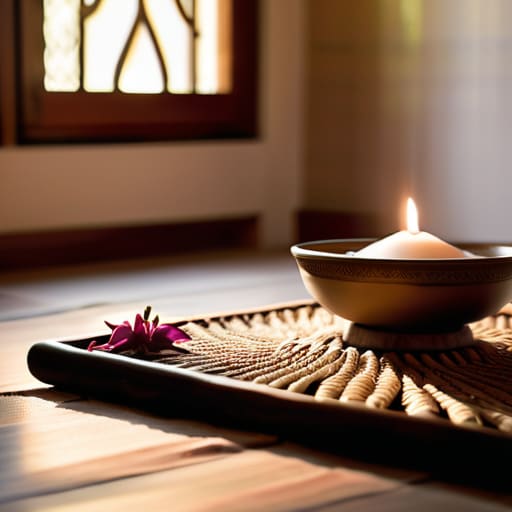
Stepping away from the neon-lit corridors of Sukhumvit, I found myself in a residential pocket of Ari, where the scent of jasmine garlands mingled with the steam from nearby street-side porridge stalls. It was here, in a room no larger than a walk-in closet, that I truly understood the therapeutic benefits of Nuad Boran. Unlike the clinical, sterile environments I’ve encountered elsewhere, this space felt alive. The practitioner didn’t just work on muscles; she worked with an intuitive rhythm, navigating the sen lines energy flow as if she were reading a map etched into my very skin.
As she moved, the practice transitioned into a series of deep, assisted yoga stretching sequences. It wasn’t about flexibility in the athletic sense, but rather a profound release of the tension we carry in our hips and shoulders from years of carrying heavy camera bags. There is a quiet, almost meditative mind-body connection that occurs when you stop resisting the movement and simply let your weight be guided. In those stillness-filled moments, the chaos of the city outside seemed to dissolve, leaving only the steady, grounding sensation of being truly present in my own body.
The Therapeutic Benefits of Nuad Boran in Local Life
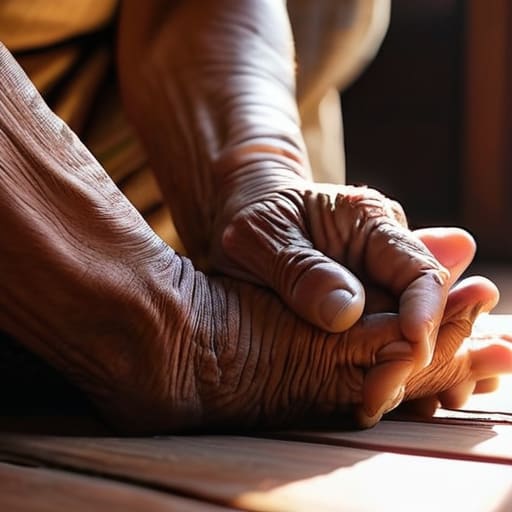
It’s easy to view these sessions as mere luxury, but sitting on a worn floor mat in a neighborhood clinic, you realize it’s something far more fundamental to the rhythm of life here. For the locals, Nuad Boran isn’t a weekend indulgence; it’s a necessary recalibration. I watched an elderly woman walk in, her shoulders heavy with the weight of a long day, and leave minutes later with a lightness that seemed almost impossible. The therapeutic benefits of Nuad Boran extend far beyond simple muscle relaxation; there is a profound sense of communal care in the way practitioners use rhythmic pressure to restore balance.
The practice relies heavily on assisted yoga stretching, which moves the body through ranges of motion that most of us, stuck behind laptop screens, have long since forgotten. It isn’t just about the physical release, though that is significant. There is a deep mind-body connection that occurs when the practitioner uses targeted acupressure techniques to navigate the body’s tension. You don’t just feel the stretch; you feel the internal shift as the tightness finally gives way to a quiet, steady stillness.
How to Navigate Your First Session Without Feeling Like a Tourist
- Look for the “no sign” spots. If a massage parlor has a glossy, laminated menu and a neon sign in a high-traffic district, keep walking. The real magic happens in the places where the only thing on the menu is a handwritten note in Thai, tucked away in a residential soi.
- Dress for movement, not for luxury. Forget the silk robes you see in hotel brochures; most traditional places will provide loose, cotton pajamas. Embrace the simplicity—it’s much easier to let your body go limp when you aren’t worried about preserving a designer outfit.
- Don’t be afraid to speak up about your “Sen” lines. In a traditional setting, the practitioner is reading your body, but they aren’t mind readers. If a stretch feels like it’s hitting a wall rather than opening a channel, a gentle “slowly, please” goes a long way.
- Follow the scent of lemongrass and damp earth. I’ve learned that the best massage studios often smell like the neighborhood they inhabit. If you walk into a space that smells of fresh herbs and local incense rather than heavy, artificial perfumes, you’re likely in good hands.
- Hydrate like it’s your job. There is a reason local elders always suggest water afterward. Moving that stagnant energy through your system can leave you feeling a bit heavy or lightheaded, so keep a thermos of room-temperature water close by to help ground yourself.
Finding the Heart of the Practice
Look past the polished, air-conditioned wellness centers; the most profound healing happens in those small, unassuming rooms where the rhythm of the massage mirrors the slow pulse of the neighborhood.
Understand that Nuad Boran is more than just physical relief—it is a way of reconnecting with your own energy through the ancient, intentional movement of the Sen lines.
Prioritize the sensory experience of the local setting, from the faint scent of lemongrass to the quiet street sounds, to truly ground yourself in the culture while you heal.
More Than Just a Physical Release
“It’s never really about the stretching or the pressure; it’s about that specific, heavy silence that settles over you in a room scented with lemongrass, where you finally stop performing for the world and just allow your body to remember how to exist.”
Anouk Verhoeven
Finding the Rhythm Again
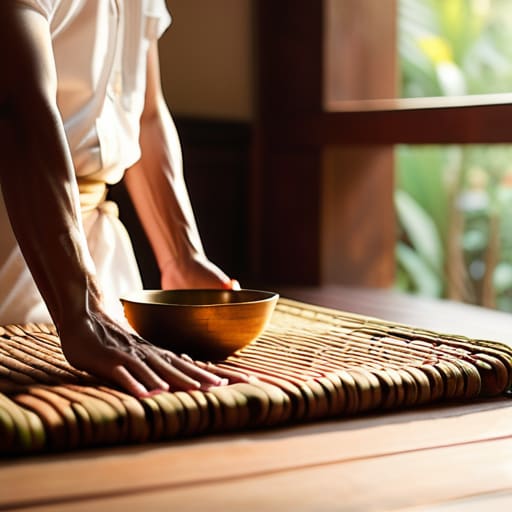
Looking back on these quiet encounters, from the rhythmic pressure of a healer in a sun-drenched room to the deep, energetic shifts along the sen lines, it’s clear that Thai massage is so much more than a physical service. It isn’t just about stretching out tight muscles or checking a box on a wellness itinerary; it is a profound reconnection to the self through a tradition that has breathed through these streets for centuries. Whether you are seeking relief from the exhaustion of travel or a deeper understanding of Nuad Boran, the true value lies in the intentionality of the touch and the stillness it forces you to find amidst the chaos of a bustling city.
As I pack my notebook and prepare for my next destination, I find myself thinking less about the landmarks I’ve seen and more about these small, restorative pauses. Travel often demands so much of our energy, pulling us forward toward the next sight or the next meal, but there is a quiet magic in learning to slow down and listen to what our bodies are actually telling us. I hope that when you find yourself in a corner of the world that feels too fast, you seek out these hidden sanctuaries. Don’t just look for the famous spas; look for the soul of the practice tucked away in the neighborhood alleys, where the real healing happens.
Frequently Asked Questions
How do I know if a massage place is a genuine local spot or just another polished tourist trap?
Look for the signs that don’t make it onto a glossy brochure. If the entrance is tucked down a side street and the menu is handwritten or mostly in Thai, you’re on the right track. I always check the street outside—if you see locals stopping in for a quick session between errands, rather than just travelers with cameras, you’ve found the real thing. Trust the quiet, unpolished corners; they usually hold the best stories.
Is it normal to feel a bit sore or even slightly overwhelmed by the intensity of the pressure during a session?
Honestly, it’s more than normal—it’s actually quite common. I remember my first real session in Chiang Mai; I felt completely overwhelmed by the sheer intensity of it. Think of it less like a relaxing spa treatment and more like a deep, physical dialogue between your body and the practitioner. That soreness is often just your muscles finally letting go of years of tension. Just breathe through it; it’s part of the process.
What should I look for in a neighborhood to find those quiet, authentic healers away from the main strips?
Look for the “soi” side streets that branch off the main arteries, especially those near residential clusters or local markets. You want neighborhoods where the scent of jasmine and grilled pork dominates the air, not neon signs. If you see elderly locals sitting on folding stools or a small temple nearby, you’re in the right place. Follow the sound of quiet chatter and the hum of neighborhood life; that’s where the real healers hide.
