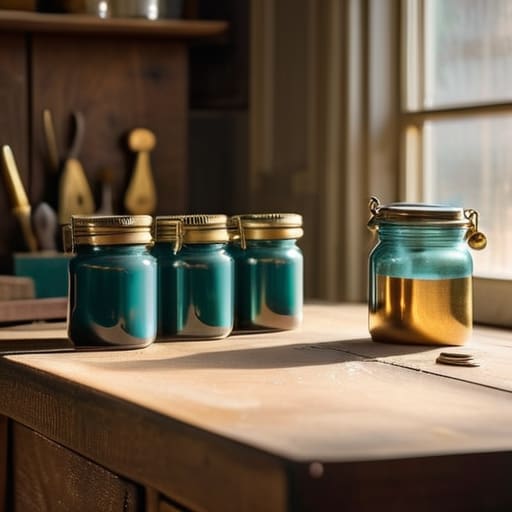
I was sitting in a cramped, sun-drenched studio in Lisbon last spring, staring at a chipped, mid-century chair I’d rescued from a sidewalk pile, when I realized how much the internet has ruined the idea of secondhand finds. Everywhere you look online, “upcycled furniture” has been rebranded into this polished, expensive aesthetic that feels more like a curated showroom than a real life. People are selling you “reimagined” pieces for triple their original value, wrapped in layers of trendy paint that hide the very character that made the item worth saving in the first place. It feels less like a creative act and more like a marketing gimmick designed to strip away the soul of the object.
I’m not here to teach you how to follow a Pinterest trend or how to buy into the hype. Instead, I want to talk about the actual, messy process of seeing the potential in something discarded and giving it a second life that feels meaningful. I’ll be sharing the honest, unpolished lessons I’ve learned from years of hunting through flea markets and working with my hands—from choosing the right sandpapers to knowing when to leave the scuffs alone. This isn’t about perfection; it’s about finding the stories hidden in the grain.
Table of Contents
The Quiet Charm of Repurposed Wood Decor
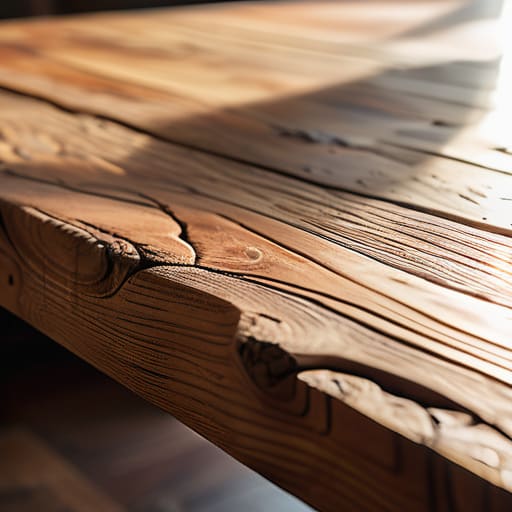
There is something deeply grounding about running your hand over a surface that has already lived a full life. Last week, while wandering through a flea market in a small coastal village, I stumbled upon a stack of weathered cedar planks. They weren’t perfect; they were scarred by salt air and sun, but they felt more intentional than anything I’ve seen in a showroom. When you lean into repurposed wood decor, you aren’t just decorating a room; you are inviting a sense of history into your personal space.
I’ve always felt that a home should feel like a collection of memories rather than a catalog page. Instead of buying something mass-produced, I find myself drawn to the process of vintage furniture restoration. There is a quiet, meditative joy in stripping away layers of old, chipped paint to reveal the grain underneath. It’s a slow way to live, perhaps, but it aligns so much better with the idea of zero waste interior design. It’s about seeing the potential in the discarded and realizing that a few scuffs and knots are exactly what make a piece feel truly alive.
Vintage Furniture Restoration and Its Hidden Stories
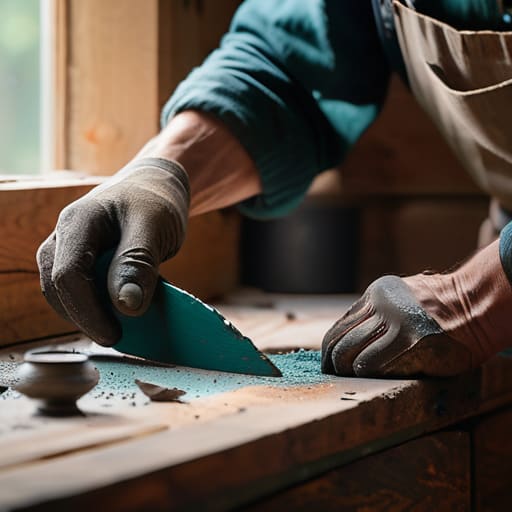
Last month, while wandering through a flea market in Lisbon, I stumbled upon a small, scarred vanity that looked like it had seen better decades. Most people saw chipped paint and uneven legs, but as I ran my fingers over the grain, I couldn’t help but wonder about the hands that had used it before me. This is the heart of vintage furniture restoration; it isn’t just about making something look new again, but about honoring the ghosts of its past. There is a profound, quiet intimacy in peeling back layers of old varnish to reveal the honest wood underneath.
For me, this process is a form of slow living. Instead of rushing to a big-box store for something mass-produced and soulless, I find myself drawn to the patience required for refinishing old furniture techniques. It’s messy and sometimes frustrating, but it feels like a way to participate in a more circular way of life. Embracing these older pieces is a small, personal step toward zero waste interior design, ensuring that the craftsmanship of previous generations finds a second act in our modern, cluttered lives.
Small Ways to Bring a Piece of the Past Into Your Own Space
- Look for the “scars” first. When I’m browsing flea markets, I don’t look for perfection; I look for the deep gouges in a tabletop or the way the lacquer has worn thin near the handles. Those marks are the fingerprints of whoever used that piece before you, and they’re what make upcycling feel soulful rather than just decorative.
- Don’t be afraid of a little grit. You don’t need a professional workshop to start; sometimes a simple piece of sandpaper and a tin of beeswax is all it takes to wake up a tired piece of pine. The goal isn’t to make it look brand new, but to make it look cared for.
- Mix the old with the functional. I love pairing a heavy, reclaimed wooden stool with a modern, minimalist lamp. It prevents the room from feeling like a museum and instead makes it feel like a living, breathing space where different eras can actually talk to one another.
- Pay attention to the hardware. If you find a beautiful vintage sideboard but the pulls are missing or broken, don’t toss it. Swapping out old, tarnished brass handles for something slightly different can completely change the “accent” of the piece without erasing its history.
- Follow the scent of the material. This is a bit of a quirk of mine, but when you’re sourcing wood, notice the smell. Old, seasoned timber has a specific, earthy scent that new, chemically-treated furniture just can’t mimic. That scent is a reminder that the wood has lived a whole life before it ever reached your living room.
Finding Meaning in the Material
The Memory in the Grain
“When I run my hands over a piece of reclaimed wood, I don’t just see a surface; I see the fingerprints of a previous life, a reminder that even when things are broken or cast aside, they carry a quiet strength that new, polished things simply haven’t earned yet.”
Anouk Verhoeven
The Living History in Our Homes
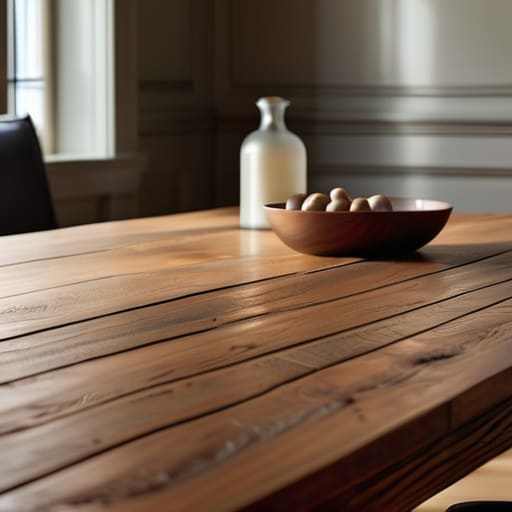
Looking back at everything we’ve discussed, it’s clear that upcycling is so much more than just a way to save a few euros or keep things out of a landfill. Whether it’s the tactile warmth of repurposed wood or the deep, layered history found in a restored vintage chair, these pieces bridge the gap between our past and our present. We aren’t just decorating rooms; we are curating a collection of echoes. By choosing to breathe new life into something weathered and worn, we honor the craftsmanship of those who came before us and reject the hollow, disposable nature of modern consumerism. It’s about finding the soul within the scuffs and recognizing that a scratch on a tabletop is often just a mark of a life well-lived.
As I sit here in a small cafe in Lisbon, watching the light shift across the uneven floorboards, I’m reminded that our homes should feel as layered and complex as the cities we travel through. Don’t feel pressured to fill your space with something brand new and unblemished just because a catalog told you to. Instead, look for the pieces that demand a bit of care—the ones that require you to stop, observe, and really listen to their story. When we surround ourselves with objects that have survived the passage of time, we create a sanctuary that feels less like a showroom and more like a living, breathing home.
Frequently Asked Questions
How can I tell if a piece of vintage wood is actually high-quality enough to be worth the effort of restoring?
I always start by looking past the dust. I run my hands over the surface—if it feels heavy and the grain has a certain depth, that’s a good sign. I check the joinery, too; dovetail joints are a classic tell for quality. Most importantly, I look for weight and scent. Real, old-growth wood has a density and a faint, earthy aroma that modern, mass-produced plywood just can’t mimic.
Is it possible to integrate upcycled pieces into a modern, minimalist home without it feeling too cluttered or mismatched?
I actually wrestled with this quite a bit when I moved into my current studio. The trick is to treat upcycled pieces as “punctuation” rather than the whole sentence. I lean into my minimalist roots by choosing one standout item—maybe a weathered stool or a reclaimed timber shelf—and letting it breathe against a clean, neutral backdrop. It’s about balance; one soulful, textured piece adds depth without drowning out the quiet calm of the room.
Where is the best place to find affordable, "fixer-upper" pieces that aren't just destined for a landfill?
I’ve learned that the best treasures aren’t found in polished boutiques, but in the grit of local estate sales and those tiny, overlooked flea markets on the outskirts of town. I always keep an eye out for community “swap meets” or even neighborhood Facebook groups—people often let sturdy, well-loved pieces go for next to nothing just to clear space. It’s about looking past the dust to see the potential underneath.
