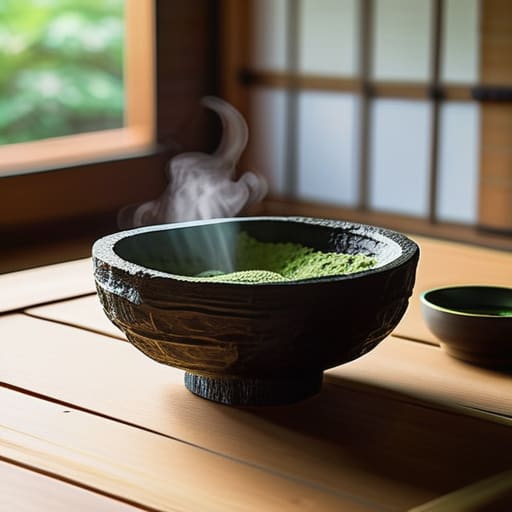
The humidity in Uji was thick enough to wear, but it wasn’t the heat that stayed with me; it was the scent of toasted rice and damp earth clinging to the air of a nameless alleyway. I wasn’t in some polished, gold-leafed tea room designed for Instagram influencers; I was tucked into a corner of a wooden stall, watching a man with hands as weathered as tree bark prepare a bowl of traditional japanese tea with a rhythmic, almost meditative precision. There was no performative grace, just the honest steam rising between us and the quiet realization that tea isn’t a luxury ritual—it’s a pulse.
I’m not here to sell you on expensive ceramic sets or the “spiritual enlightenment” promised by glossy travel brochures. Instead, I want to strip away the pretension and talk about what tea actually feels like when you stop trying to do it “correctly” and just start tasting. I’ll guide you through the nuances of different leaves, the reality of daily tea culture, and how to find those small, authentic moments that make the whole experience worth the journey.
Table of Contents
Finding Stillness in the Chanoyu Tea Ceremony Ritual
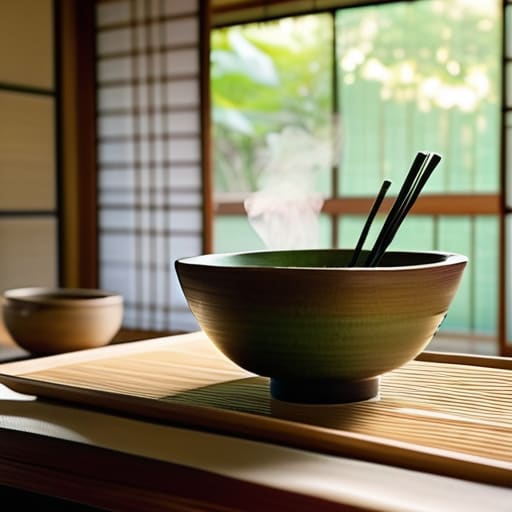
Stepping into the tea room, the first thing that hits you isn’t the taste, but the silence. It’s a heavy, intentional kind of quiet that makes you suddenly very aware of your own breathing. I remember sitting on the tatami mats, my knees aching slightly, watching the host move with a precision that felt almost hypnotic. This wasn’t just about making a drink; the chanoyu tea ceremony ritual is a choreographed dance of respect. Every movement, from the way the silk cloth is folded to the placement of the bamboo scoop, serves to strip away the noise of the outside world.
As I watched her focus on the whisking matcha technique, I realized how much we miss in our frantic, espresso-fueled mornings. There is no rushing here. The steam rises in slow, rhythmic curls, and for a moment, the frantic energy of traveling through Tokyo felt a thousand miles away. It’s in these small, deliberate gestures that you truly grasp the essence of the practice—it’s less about the caffeine and more about the art of being present.
The Art of Sencha Brewing Methods in Local Kitchens
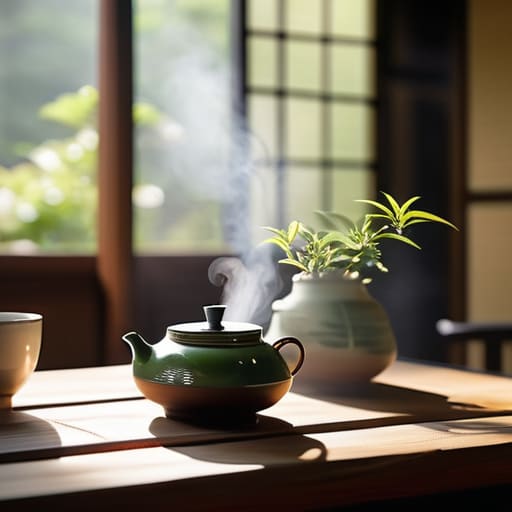
While the formal chanoyu tea ceremony ritual offers a profound sense of structure, I’ve always felt a different kind of magic in the more casual, everyday rhythm of a Japanese home. Stepping into a small, sun-drenched kitchen in Shizuoka, I realized that the real heart of tea culture isn’t always found in a silent temple, but in the precision of sencha brewing methods used by locals. There is something deeply grounding about watching a host carefully monitor the water temperature, ensuring it never scalds the delicate leaves.
It’s a subtle science that feels more like an act of care than a rigid chore. Unlike the vigorous whisking matcha technique used for powdered tea, preparing sencha is about patience and the slow release of flavor. I sat there, notebook in hand, noting the scent of toasted grass and damp earth filling the room. To these families, tea isn’t a performance for outsiders; it is a quiet, sensory anchor that connects their morning routine to the changing seasons outside their window.
Small Rituals for Your Own Kitchen
- Forget the boiling water. If you’re brewing sencha, let the water cool slightly before it hits the leaves; scalding the tea is the quickest way to lose those delicate, grassy notes I fell in love with in Uji.
- Don’t rush the steep. I’ve learned that tea is a lesson in patience—give the leaves a few quiet minutes to unfurl in the pot, and you’ll find the flavor settles into something much more soulful.
- Seek out the seasonal ceramics. I always look for tea bowls that feel right in my hands; there’s a profound connection between the texture of a handmade cup and the way the tea actually tastes on your tongue.
- Pay attention to the scent before the sip. I keep a small notebook for this, but even without it, you should take a moment to breathe in the steam—it’s the first way the tea introduces itself to you.
- Embrace the imperfections. In my travels, I’ve found that the most meaningful tea moments happen in chipped old cups or slightly uneven bowls, not in those sterile, perfect sets you see in gift shops.
What I Carried Home With Me
Real connection isn’t found in the polished tea sets sold in souvenir shops, but in the quiet, unscripted moments shared over a steaming bowl in a local kitchen.
To truly taste a culture, you have to slow down and respect the ritual—whether it’s a formal ceremony or just the way a neighbor pours sencha.
Food and drink are the most honest languages we have; they tell the story of the land and the hands that prepared them long before any guidebook can.
More Than Just a Drink
“It’s never really about the tea itself; it’s about that sudden, sharp realization that a single, steaming bowl can hold the entire weight of a thousand years of quiet intention.”
Anouk Verhoeven
Beyond the Porcelain
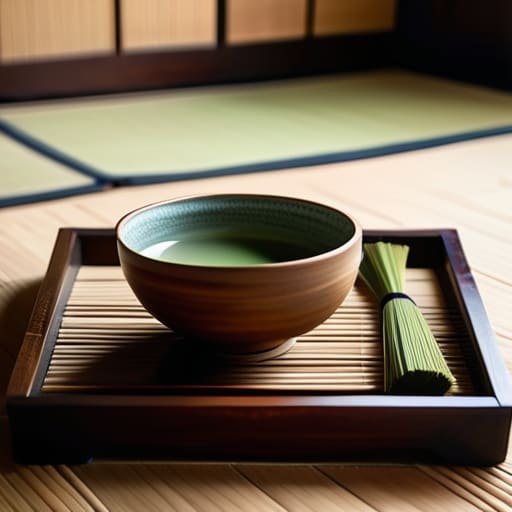
Looking back at everything we’ve explored, from the deliberate, meditative movements of the chanoyu ceremony to the simple, steaming pots of sencha in a neighborhood kitchen, it becomes clear that tea is never just about the liquid in the cup. It is a thread that weaves through the entire fabric of Japanese life, connecting the high art of tradition with the quiet, messy reality of the everyday. Whether I am sitting on a tatami mat in a silent temple or squeezed onto a wooden stool in a bustling market, the essence remains the same: it is an invitation to slow down and truly taste the moment.
As I pack my notebook and prepare for my next destination, I find myself thinking about how easily we rush past these small, sacred rituals in our pursuit of the “next big thing.” We often travel to see monuments, but I’ve learned that the most profound connections happen when we stop to watch the steam rise from a bowl. I hope that the next time you find yourself in a new corner of the world, you don’t just look for the famous landmarks, but instead seek out the quiet steam and the simple warmth of a local tea house. That is where the real story begins.
Frequently Asked Questions
Is there a specific way I should be holding the bowl to avoid being disrespectful during a ceremony?
It’s a common worry, but don’t let the etiquette paralyze you. When the bowl is placed before you, pick it up with your right hand and rest it on your left palm. The most important thing is to rotate the bowl slightly—usually twice clockwise—to avoid drinking from the “front” or the most decorated side. It’s a small gesture of humility, showing you aren’t placing yourself above the artistry of the vessel.
If I'm just looking for a quiet moment in a cafe, should I be asking for matcha or sencha?
Honestly, it depends on what kind of “quiet” you’re chasing. If you want to feel grounded and a little more meditative, go for the matcha; there’s something about that thick, vibrant green warmth that settles your nerves. But if you’re looking to sit by a window with a book and just breathe, ask for sencha. It’s lighter, more floral, and feels less like a ritual and more like a gentle exhale.
How can I tell the difference between high-quality ceremonial grade tea and the stuff meant for everyday drinking?
It’s easy to get lost in the marketing, but I’ve learned to trust my senses over the labels. Ceremonial grade is all about that vibrant, electric green color and a texture that feels almost creamy on the tongue. It should taste sweet and umami, never bitter. If it leaves a harsh, astringent dry feeling in your throat, it’s likely meant for everyday brewing. High-quality matcha should smell like fresh spring grass, not toasted hay.
