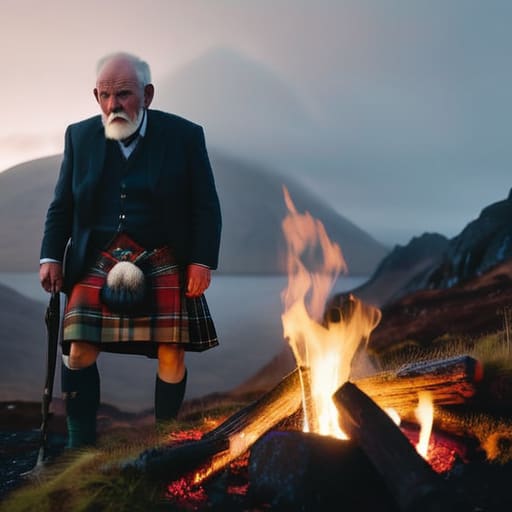
The rain was coming down in sheets, blurring the line between the grey sky and the dark hills, but I didn’t care. I was huddled in a corner of a stone cottage near Ullapool, my notebook open, trying to capture the heavy, comforting scent of damp wool and toasted oats drifting from the hearth. Most people come to Scotland looking for the cinematic version of the Highlands—the sweeping, polished imagery you see on postcards—but they often miss the actual pulse of the place. To me, the true essence of scottish highlands traditions isn’t found in a staged museum display or a pricey tourist performance; it’s found in the quiet, rhythmic way a community gathers around a shared meal to ward off the mist.
I’m not here to give you a checklist of things to see or a guide to the most expensive gift shops in Inverness. Instead, I want to take you into the kitchens and the small, wind-swept villages where these customs actually live. I promise to share the stories that don’t make it into the glossy brochures—the unfiltered, honest moments of connection that happen when you stop looking for a spectacle and start looking for the soul of the Highlands.
Table of Contents
- Whispers of the Past Highland Clan History and Ancient Crests
- The Rhythm of the Glens Bagpipe Musical Heritage and Folklore
- Beyond the Tartan: How to Truly Connect with Highland Traditions
- What the Highlands Taught Me
- More Than Just a Pattern
- The Living Breath of the Highlands
- Frequently Asked Questions
Whispers of the Past Highland Clan History and Ancient Crests
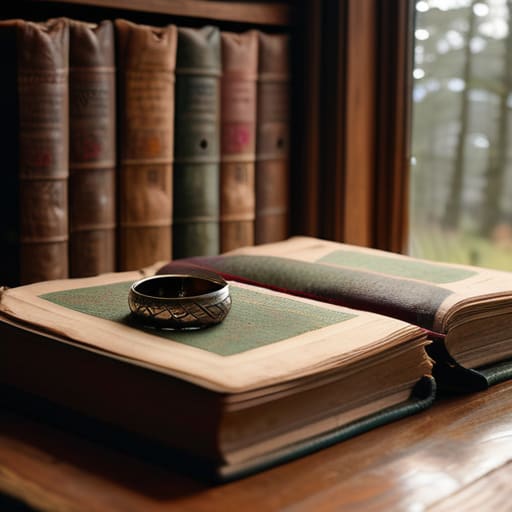
I spent a rainy afternoon in a small, wood-paneled library near Glencoe, tracing my fingers over the faded ink of old family trees. There is something heavy in the air there—not just the dampness of the hills, but the weight of centuries of lineage. To understand the Highlands, you have to look past the sweeping landscapes and into the intricate web of tartan and clan crests that define who belongs to which glen. It isn’t just about a pattern of wool; it’s a visual language of survival and identity that has been passed down through generations.
As I sat there, a local historian mentioned how even the smallest knot in a weave could signal a person’s entire history. This connection to the past is deeply woven into traditional Celtic folklore, where every mountain peak and loch seems to hold a memory of a specific family’s struggle or triumph. It’s a reminder that these hills aren’t just scenery; they are the living, breathing archives of a people who refused to be forgotten.
The Rhythm of the Glens Bagpipe Musical Heritage and Folklore
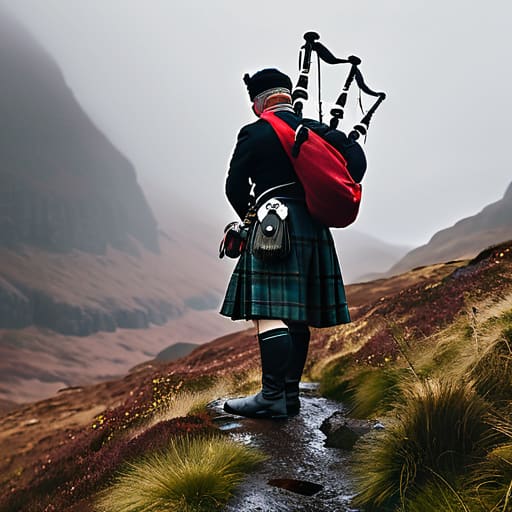
I remember standing on a windswept ridge near Glencoe, the air so damp it felt like it was clinging to my skin, when the first notes of a drone drifted up from the valley. It wasn’t the polished, cinematic music you hear in travel documentaries; it was raw, piercing, and strangely intimate. This bagpipe musical heritage isn’t just about performance; it’s a sonic map of the landscape itself. The sound seems to climb the crags, echoing the old stories that have lived in these glens for centuries.
As I sat there, notebook in hand, I realized that the music acts as a bridge to the traditional Celtic folklore that still pulses through the Highlands. It’s a language of its own, one that carries the weight of both celebration and mourning. Whether it’s the thunderous cadence heard during the Scottish Highland Games or a solitary lament played in a quiet village square, the music feels less like a hobby and more like a heartbeat. It’s a constant, rhythmic reminder that even as the world changes, some echoes are too deep to ever truly fade.
Beyond the Tartan: How to Truly Connect with Highland Traditions
- Skip the gift shops in the main squares. If you want to understand the real weight of Highland history, find the small, family-run museums or local community centers where the stories aren’t polished for tourists, but kept alive by the people who actually live there.
- Listen for the silence between the songs. When you hear bagpipes, don’t just listen to the melody; try to notice how the sound interacts with the landscape. In the glens, the music feels less like a performance and more like a conversation with the wind and the hills.
- Look for the communal table. Highland culture is deeply rooted in the idea of sharing—whether it’s a bowl of hearty soup in a local cafe or a dram of whisky in a quiet pub. Don’t be afraid to sit at a communal table; that’s usually where the best stories (and the most honest history) are told.
- Follow the scent of the hearth. Much of Highland tradition is tied to the land and the seasons. Pay attention to what’s being cooked in small village kitchens—the use of oats, local game, or smoked fish—as these ingredients are the edible map of their ancestral survival.
- Respect the local pace. Traditions here aren’t rushed, and neither should your observation. Instead of checking off a list of landmarks, allow yourself the luxury of sitting still in a single glen or village for a few days. You’ll find that the culture reveals itself much more slowly, and much more beautifully, when you aren’t in a hurry.
What the Highlands Taught Me
Tradition isn’t just found in museums or history books; it lives in the small, sensory details, like the specific scent of peat smoke or the way a melody can change the energy of a room.
To truly understand the Highland spirit, you have to look past the grand, sweeping legends and find the connection between the land, the people, and the rituals that keep them grounded.
The real heart of Scotland isn’t found in a gift shop, but in the quiet moments of shared heritage—whether that’s through a song or the way a community gathers around a common history.
More Than Just a Pattern
You can see the history in the tartans, sure, but you really feel it when you’re sitting in a drafty stone cottage, watching how a single shared pot of porridge or a heavy dram of whisky acts as the invisible thread holding a community together.
Anouk Verhoeven
The Living Breath of the Highlands
As I pack my notebook away, the echoes of the bagpipes still seem to linger in the crisp air, and the weight of clan history feels less like a textbook lesson and more like a living, breathing presence. We’ve traced the lines of ancient crests and felt the rhythmic pulse of music that has survived centuries of change. But more than the grand symbols or the loud melodies, it is the quiet persistence of these traditions—the way they anchor a person to their landscape—that truly defines the Highlands. It isn’t just about preserving the past; it’s about how those ancestral threads continue to weave themselves into the fabric of the modern day.
If there is one thing I’ve learned from wandering these glens, it’s that you don’t find the soul of a place by checking items off a list. You find it when you stop rushing and start listening to the stories told in the silence between the hills. Whether it’s a shared meal by a peat fire or the way a local speaks of their kin, the real magic lies in the connection between the land and the people who call it home. So, when you find yourself here, don’t just look at the scenery—let it settle into you. Travel not to see, but to belong, even if only for a moment.
Frequently Asked Questions
Beyond the formal ceremonies, how do local families actually keep these clan traditions alive in their everyday lives?
It’s rarely about the grand ceremonies for most people I meet. Instead, it’s in the small, unscripted things—like a grandmother teaching her grandson the specific way to fold a certain pattern of tartan, or the way a local pub feels more like a living room when the clan history is brought up over a dram. It’s tucked into the recipes passed down through generations and the quiet pride of knowing exactly which glen your name belongs to.
Are there specific seasonal festivals or gatherings where I can experience the traditional music and folklore without it feeling like a staged performance for tourists?
To find the real thing, you have to time your travels around the local ceilidhs and seasonal shifts. Instead of the big, polished festivals, look for village hall gatherings during Samhain or local Burns Night celebrations. I remember stumbling into a small community hall in Skye during a local feast; there was no stage, just fiddle players in the corner and people dancing until their feet ached. That’s where the folklore actually breathes.
How has the modern Highland diet evolved from its traditional roots, and are there still small, local eateries serving authentic, old-world recipes?
The diet has definitely shifted; you see more global influences in the bigger towns, but the soul of the Highlands remains in its rugged simplicity. While modern convenience has crept in, I still find magic in small, family-run bothies that prioritize local oats, venison, and whatever fish was pulled from the loch that morning. It’s less about fancy plating and more about that honest, heavy warmth that keeps the damp chill at bay.
