
I was sitting in a humidity-soaked diner outside of Savannah last July, watching a tourist try to tip a waitress with a condescending “bless your heart,” when I realized how much we get wrong about this place. People tend to package southern hospitality into something polished, performative, and frankly, quite expensive—think white linen tablecloths and stiff, formal service that feels more like a museum exhibit than a meal. But to me, that’s just the veneer. The real soul of the South isn’t found in a curated gift shop or a high-end boutique hotel; it’s found in the unspoken rhythm of a shared pitcher of sweet tea and the way a stranger knows exactly when you need a refill without you saying a word.
I’m not here to give you a guide to the most Instagrammable brunch spots or the most polite etiquette lessons. Instead, I want to take you into the kitchens and onto the porch swings where the actual stories are told. I’ll be sharing the quiet, unpolished side of the South—the kind of warmth you only find when you stop looking for the spectacle and start looking for the connection.
Table of Contents
The Quiet Warmth of Southern Culture in Every Kitchen

I found myself sitting in a tiny, sun-drenched kitchen in Savannah last Tuesday, watching an elderly woman named Mrs. Gable move with a practiced, rhythmic grace. There was no grand performance, just the steady hum of a stovetop and the scent of simmering collard greens. It struck me then that the true warmth of southern culture isn’t found in a scripted greeting, but in the way a person instinctively reaches for an extra chair the moment you walk through the door. It’s an unspoken language of care, where a full plate is the most sincere way of saying, you belong here.
In these small, steam-filled spaces, you see the subtle nuances of southern hosting customs play out in real-time. It’s in the way a host remembers exactly how you take your sweet tea, or how the conversation slows down to match the pace of the meal. There is a profound, quiet dignity in these rituals—a refusal to rush the connection. To me, this is where the soul of the region lives: in the intentionality of a shared meal and the unhurried kindness that turns a stranger into a temporary guest of the house.
Finding Southern Charm and Politeness in Small Moments
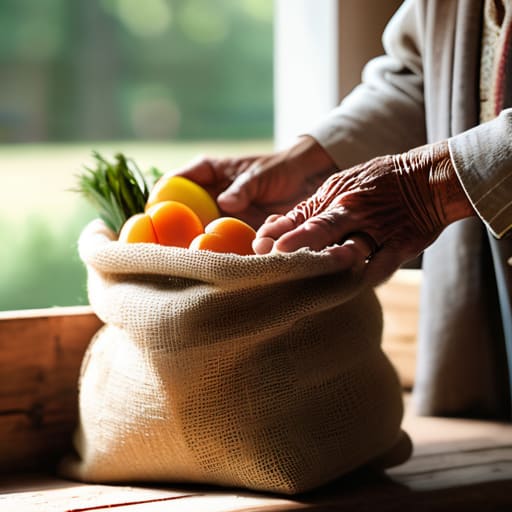
It isn’t always the grand gestures that stick with me; it’s the way a stranger in a grocery store line pauses their entire afternoon just to ask how my day is going. There is a specific kind of unhurried grace found here, a sense that time isn’t something to be conquered, but something to be shared. I’ve noticed that southern charm and politeness aren’t just rehearsed manners passed down through generations; they are a way of acknowledging that you aren’t alone in the world.
I remember sitting on a porch in Georgia, watching the humidity settle over the trees, when an elderly woman brought out a pitcher of sweet tea without me even asking. It wasn’t a formal service, but rather a seamless part of the local southern lifestyle values—the idea that a guest, even a passing one, deserves to be looked after. These small, quiet exchanges are where the real magic happens. It’s in the nod of a head, the holding of a door, and the instinctive way people make space for one another that you truly begin to feel the heartbeat of the region.
How to Lean Into the Slow Rhythm of the South
- Slow down your pace. You can’t rush a conversation over sweet tea; the hospitality here is built on the time you take to actually listen to the person across from you.
- Embrace the “open door” philosophy. Whether it’s a roadside stand or a neighbor’s porch, expect that the most meaningful connections happen when you aren’t following a strict itinerary.
- Look for the stories in the ingredients. When someone offers you a dish, ask about it. Southern cooking is a lineage of family recipes, and asking about the history of a cornbread recipe is the quickest way to show respect.
- Master the art of the small gesture. It’s rarely about grand, expensive displays; it’s about the way a stranger holds a door or how a shopkeeper remembers your name after one visit.
- Leave your expectations at the door. Don’t look for the polished, tourist-ready version of the South. Instead, look for the wobbly tables and the slightly worn-out charm—that’s where the real warmth lives.
The Heart of the South in Three Simple Truths
Hospitality isn’t about white tablecloths or formal service; it’s found in the unhurried way a stranger offers you a seat and a second helping of whatever is simmering on the stove.
To truly understand the region, look past the grand landmarks and focus on the small, rhythmic rituals—the shared laughter over a crowded diner table or the quiet kindness of a neighborly nod.
Food serves as the ultimate cultural bridge, turning a simple meal into a way of sharing history, identity, and a genuine sense of belonging with anyone lucky enough to pull up a chair.
The Unspoken Language of the Table
Southern hospitality isn’t found in a polished lobby or a scripted greeting; it’s in the way a stranger instinctively pulls out a chair for you and the way a second helping of cornbread feels less like a meal and more like an invitation to stay a little longer.
Anouk Verhoeven
The Lingering Aftertaste of Kindness
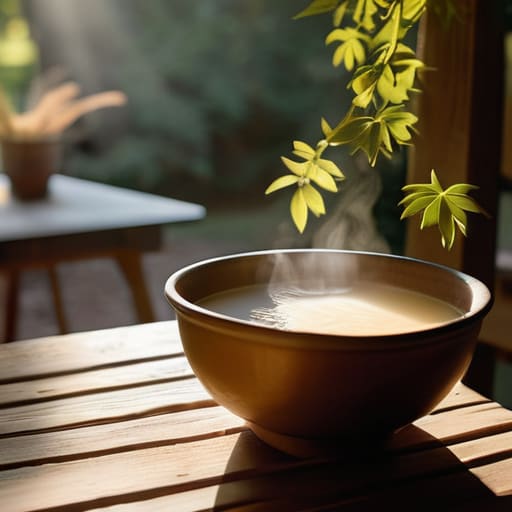
At the end of the day, Southern hospitality isn’t about the grand gestures or the polished service you might find in a luxury hotel. It’s something much more tactile and grounded. It’s found in the steam rising from a shared bowl of grits, the unhurried pace of a conversation on a shaded porch, and the way a stranger makes you feel like you’ve finally come home. Whether it’s the way a cook treats a simple ingredient with reverence or the way a neighbor stops to check in, these small, intentional acts of connection are what truly define the region. It is a culture built on the understanding that no one should ever eat or sit alone if there is room at the table.
As I pack my notebook and prepare for my next destination, I find myself thinking about how much I’ve learned from these quiet encounters. We often travel to see monuments and museums, but the most profound lessons usually happen in the spaces in between—in the crowded markets and the roadside diners. I hope that the next time you find yourself in a new place, you look past the guidebooks and seek out the unscripted moments. Look for the places where the food is honest and the people are present. Because when you truly lean into the local rhythm, you realize that hospitality isn’t just a way of serving others; it is a way of honoring our shared humanity.
Frequently Asked Questions
How can I tell the difference between genuine local hospitality and the polished service meant for tourists?
Look for the imperfections. Polished service is a performance—it’s scripted, efficient, and often feels a little too sterile. Genuine hospitality, though, is messy. It’s the grandmother who insists you try a sample of something she just made, or the server who forgets the menu because they’re too busy telling you about their garden. If the interaction feels a bit unhurried and slightly unpolished, you’ve likely found the real soul of the place.
Are there specific regional dishes or ingredients that act as a "gateway" to understanding Southern culture?
For me, it’s always been about the slow-cooked magic of collard greens or a bowl of creamy grits. These aren’t just side dishes; they’re lessons in patience and history. When you sit down to a plate of slow-simmered greens, seasoned with smoked meat, you’re tasting the resilience of the people who perfected them. They demand you slow down, linger over the table, and actually listen to the stories being told around you.
What are some small, respectful ways to reciprocate the warmth I receive when visiting small-town markets or cafes?
It’s a delicate balance, isn’t it? You want to show gratitude without feeling like you’re performing. For me, it’s about the small, quiet gestures. Learn a few local phrases—even just “thank you” in the local dialect—and actually use them. Slow down. Don’t rush your coffee or your transaction. When you show that you aren’t just passing through, but actually present, you’re honoring the space they’ve created. Sometimes, a genuine smile and eye contact mean more than any tip.
