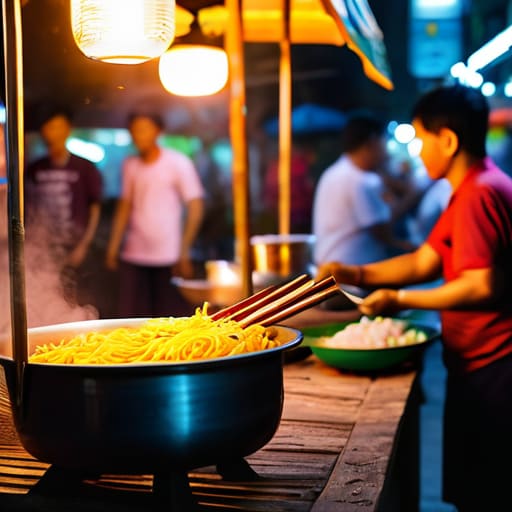
The humidity in Bangkok doesn’t just sit on your skin; it carries the scent of charred lemongrass and fermented fish sauce, a heavy, intoxicating weight that tells you exactly where you are. I remember sitting on a tiny, blue plastic stool in a narrow soi near Yaowarat, my notebook open to record the sharp, citrusy sting of kaffir lime cutting through the thick exhaust of passing tuk-tuks. Most people think they’ve experienced thai street food culture because they’ve eaten Pad Thai from a stall with a bright English menu, but that’s just the surface. To truly understand it, you have to be willing to follow the steam into the alleys where the menus don’t exist and the real stories are told through a single, perfect bowl of broth.
I’m not here to give you a curated list of “must-visit” spots that have been sanitized for Instagram. Instead, I want to show you how to find the heartbeat of the city in the places where the locals actually eat. I’ll share the honest, unpolished reality of navigating crowded markets and how to recognize a kitchen that actually matters. My goal is to help you move past the tourist veneer and find the quiet, delicious moments that make a place feel like home.
Table of Contents
Finding Authentic Bangkok Street Food in Quiet Back Alleys
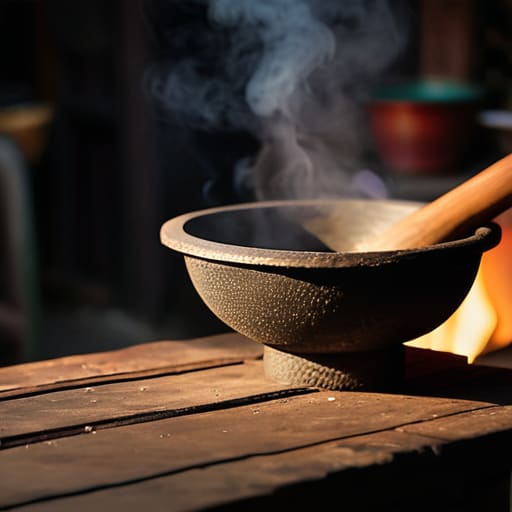
The real magic happens when you turn off the main road and follow the scent of toasted garlic into a narrow soi. These quiet back alleys are where the city’s pulse slows down, replaced by the rhythmic thud of a pestle hitting a mortar. I’ve found that the most authentic Bangkok street food isn’t found under neon signs, but in the tiny, nameless stalls where the menu is just a handwritten chalkboard and the owner has been using the same blackened wok for thirty years.
In these tucked-away corners, you see traditional Thai cooking techniques in their purest form. There’s no pretense here; just the intense, controlled heat of a charcoal brazier and the sudden, sharp aroma of freshly bruised lemongrass. I always keep my notebook handy in these spots, trying to capture the specific, earthy scent of fermented fish sauce mingling with jasmine rice. It’s a sensory overload that feels deeply grounded. If you find a stall where the locals are sitting on low plastic stools, ignore the lack of English menus—that’s usually your sign that you’ve found something truly special.
Mastering Thai Spice Profiles and Ingredients Through Every Bite
To truly understand the heat here, you have to look past the initial sting of a bird’s eye chili. It’s not just about burning your tongue; it’s about the architecture of the flavor. In the small stalls I frequent, I’ve noticed how a master vendor balances the four pillars: salty, sweet, sour, and spicy. One moment you’re hit with the funky, deep saltiness of fermented fish sauce, and the next, a bright, citrusy lift from fresh lime cuts right through the richness. Learning to navigate these thai spice profiles and ingredients is like learning a new language—it takes a few bites to realize that the spice is actually there to highlight the other flavors, not mask them.
I often find myself scribbling notes in my little book when I encounter a dish that hits that perfect equilibrium. Whether it’s the creamy, coconut-heavy warmth of a curry or the sharp, herbaceous punch of a papaya salad, these dishes are a masterclass in traditional thai cooking techniques. You start to recognize the rhythmic thud of the wooden pestle in a mortar, a sound that signals a fresh paste is being pounded right before your eyes. It’s in these precise, unhurried movements that the real magic happens.
How to Eat Like a Local (Without Losing Your Nerve)
- Follow the crowd, but specifically the local one. If you see a stall where the elderly neighborhood regulars are huddled on tiny stools, ignore the English menus and just order whatever they are eating. That’s where the real magic—and the freshest ingredients—are hiding.
- Embrace the plastic stool philosophy. Some of my most profound cultural realizations haven’t happened in Michelin-starred dining rooms, but while perched on a bright blue piece of plastic at a roadside stall, watching the chaos of the city swirl around me.
- Keep a small amount of cash and a lot of curiosity on hand. Most of the best vendors don’t deal in cards, and they certainly don’t care about your dietary “preferences.” If you want the best, you have to be willing to try the dish that looks nothing like what you saw on Instagram.
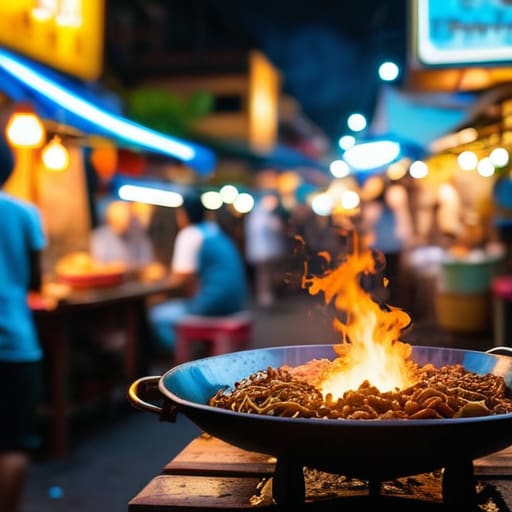
- Watch the rhythm of the kitchen. A good street food stall is like a well-rehearsed dance. If the vendor is moving with purpose, managing a high-heat wok and a constant stream of orders without breaking a sweat, you know the turnover is high and the food is safe and delicious.
- Don’t be afraid to ask for “mai phet” (not spicy), but remember that “not spicy” in a Thai market is often a different beast entirely. I always keep a little extra jasmine rice on my side to help tame the heat when the chilies decide to get personal.
The Lessons I’ve Learned Between Bites
Don’t fear the chaos; the most honest flavors are usually found where the menus are handwritten and the seating is a bit precarious.
Look past the heat—the true magic of Thai cooking lies in the delicate, intentional balance of sweet, sour, salty, and spicy working in unison.
Slow down and observe; sometimes the best way to understand a neighborhood is to sit quietly with a bowl of noodles and watch the rhythm of the market unfold around you.
The Language of the Wok
“You don’t need a translation when you’re sitting on a plastic stool in a humid alleyway; the real story of Thailand isn’t found in a guidebook, but in the rhythmic clanging of a spatula against a wok and the shared, breathless silence of a group of strangers all reaching for the same spicy lime condiment.”
Anouk Verhoeven
The Taste of a Life Well-Traveled
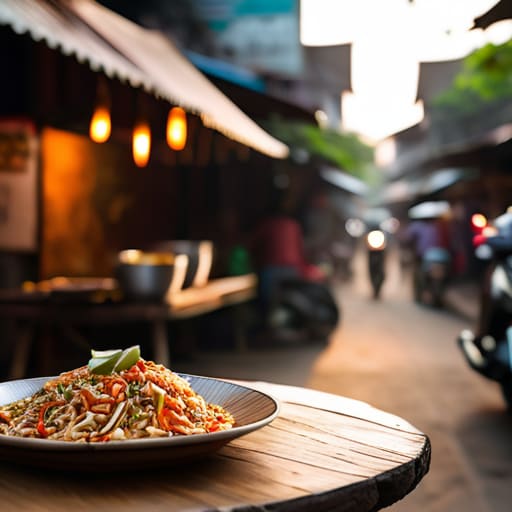
At the end of the day, navigating the sensory overload of a Thai market isn’t about checking off a list of famous dishes or finding the most “Instagrammable” stall. It’s about the patience required to wander those quiet back alleys and the willingness to let your palate be challenged by a sudden, sharp hit of bird’s eye chili. We’ve seen how the true essence of this country lives in the balance of its flavors and the unpretentious rhythm of its street corners. When you move past the neon lights and the polished menus, you find that the most profound culinary lessons aren’t taught in classrooms, but are handed to you on a chipped ceramic plate amidst the humidity and the hum of motorbikes.
As I sit here, scribbling the scent of lemongrass and charred garlic into my notebook, I’m reminded that food is the ultimate bridge between us and the unknown. Traveling shouldn’t be a spectator sport; it should be an immersive, sometimes messy, engagement with the world. So, the next time you find yourself in a new city, I hope you skip the grand dining halls and instead follow your nose toward the steam and the crowds. Look for the places where the locals are gathered, pull up a plastic stool, and allow yourself to simply be part of the story. That is where you will truly find the soul of a place.
Frequently Asked Questions
How do I know which stalls are actually safe to eat at without feeling like I'm taking a massive risk with my stomach?
I’ll be honest: there’s always a tiny bit of a gamble, but I look for the “flow.” I follow the crowds—not the tourist ones, but the locals. If a stall has a high turnover and a queue of people in work clothes, that’s my green light. It means the ingredients are moving fast and staying fresh. I also watch for the steam; if the food is being cooked hot and fast right in front of you, it’s usually a safe bet.
Are there specific times of day or certain neighborhoods where the food culture feels more communal and less like a tourist spectacle?
If you want to dodge the spectacle, aim for the early morning hours in residential neighborhoods like Ari or even the outskirts of Thonburi. There’s a specific magic around 7:00 AM when the locals are grabbing breakfast before work. It’s communal in a quiet, rhythmic way—the clink of spoons against ceramic and the low hum of neighbors catching up. It feels less like a performance and more like a shared, sacred daily ritual.
Beyond the heat of the chilies, how can I start recognizing the subtle balance of sweet, sour, and salty that defines a truly great dish?
It’s about slowing down. Instead of chasing the immediate burn, I try to let the heat settle so I can catch the “tug-of-war” happening on my palate. I look for the brightness of lime cutting through heavy coconut milk, or how a palm sugar sweetness rounds off a sharp fish sauce edge. When a dish feels “complete,” it’s usually because those three elements are dancing together rather than fighting for dominance.
