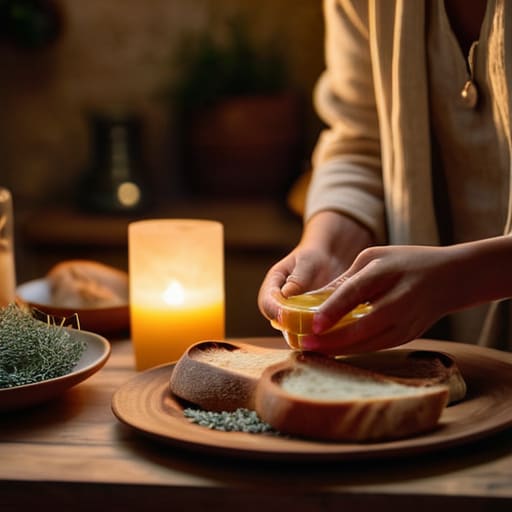
The scent of charred lemongrass and damp pavement always hits me before I even see the stalls in Bangkok. I remember sitting on a plastic stool so low my knees almost touched my chin, watching an elderly woman meticulously arrange small bowls of dipping sauce for a family of six. There was no polished service or choreographed presentation, just the rhythmic, unhurried flow of their mealtime rituals unfolding amidst the chaos of the street. It wasn’t a performance for tourists; it was a quiet, essential heartbeat that made the city feel suddenly, deeply human.
I’m not here to give you a list of etiquette rules to memorize or a guide to the most expensive tasting menus in Europe. Instead, I want to pull back the curtain on how people actually connect through food. We’re going to look past the polished Instagram feeds to find the real stories told in the way a community breaks bread, shares tea, or lingers over a communal pot. My promise is simple: no fluff, no pretension, just honest observations on how these small, daily habits can help you truly inhabit a place rather than just passing through it.
Table of Contents
Slow Food Movement at Home Reclaiming Our Quietest Moments
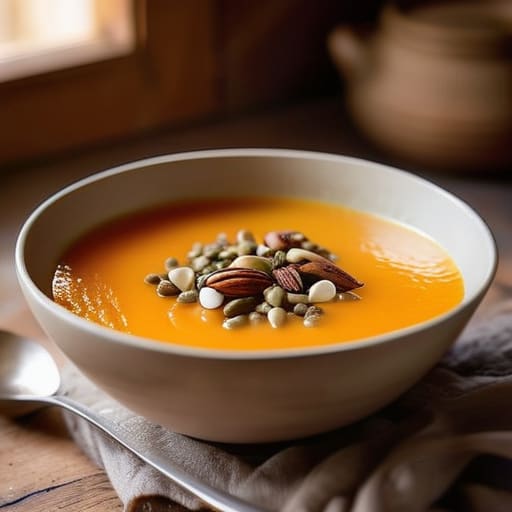
It’s easy to fall into the trap of treating dinner like a pit stop—something to be fueled through while scrolling on a phone or catching up on emails. But lately, I’ve been trying to bring the philosophy of the markets I visit back to my own tiny kitchen. Implementing the slow food movement at home isn’t about spending five hours on a consommé; it’s about the intentionality of the act. It’s about putting the phone in another room and actually noticing the way the steam rises from a bowl of seasonal squash soup.
When I make a conscious effort toward mindful eating practices, the entire energy of my evening shifts. Even on nights when I’m just eating leftovers, sitting down properly allows me to decompress from the chaos of travel. I’ve found that even a small change, like lighting a single candle or using a real linen napkin, goes a long way in creating a calm dining environment. It turns a basic necessity into a quiet, grounding ritual that reminds me I’m not just passing through my own life, but actually living it.
The Benefits of Shared Meals in a Fast Paced World
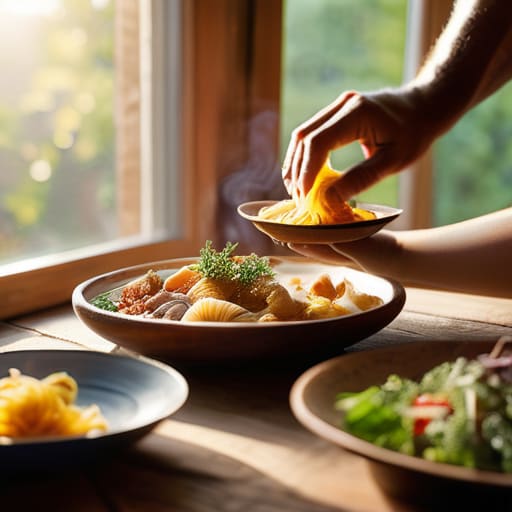
There is a specific kind of loneliness that comes with eating over a laptop or standing up at a kitchen counter. I’ve felt it in almost every city I’ve lived in—that frantic, disconnected feeling of consuming fuel rather than actually eating. When we strip away the distraction of our screens, we start to realize the profound benefits of shared meals that go far beyond simple nutrition. It’s about the pause. In a world that demands we move faster, sitting down with others forces a momentary deceleration, turning a basic biological necessity into a shared human experience.
I’ve found that the real magic happens when we prioritize improving dinner table conversation by simply being present. It isn’t about having deep, philosophical debates every night; it’s about the low hum of voices and the rhythmic clinking of silverware. This intentionality helps in creating a calm dining environment that acts as an anchor for the day. When we make space for one another at the table, we aren’t just sharing calories; we are practicing a quiet form of resistance against the chaos of modern life.
Small Ways to Bring the Ritual Home
- Put the phone in another room. I’ve realized that nothing kills the spirit of a meal faster than the blue light of a screen; if you want to actually taste your food, you have to be present enough to notice the textures.
- Honor the ingredients by slowing down. Even if it’s just a quick lunch, try to spend an extra minute noticing the scent of the herbs or the way the light hits your plate—it turns a chore into a moment.
- Create a sensory anchor. I always keep a small notebook nearby, but you don’t need to write; just try to focus on one specific smell or sound, like the hiss of a pan or the scent of toasted spices, to ground yourself in the experience.
- Make a ritual of the transition. Use the act of setting the table—even if it’s just a single ceramic bowl and a linen napkin—as a physical signal to your brain that the rush of the day is over and the time for nourishment has begun.
- Invite connection, even in silence. You don’t always need deep conversation to share a meal; sometimes, just sitting across from someone else in a shared, quiet rhythm is the most profound way to connect.
Small Rituals, Big Connections
Real culture isn’t found in a polished restaurant menu, but in the unscripted, quiet rhythms of how people actually sit down to eat.
By slowing down our own mealtime rituals, we create the mental space needed to actually taste our food and notice the world around us.
Whether it’s a shared bowl of noodles or a solitary coffee in a crowded market, the way we eat is our most direct link to the soul of a place.
The Language of the Table
“You can learn more about a person’s history by watching how they pour tea or pass a plate than you ever could by asking for their life story; there is a quiet, sacred geometry in the way we feed one another.”
Anouk Verhoeven
The Last Bite

As I sit here in this tiny cafe, watching the steam rise from my cup, I’m reminded that mealtime rituals aren’t just about the food on the plate. We’ve looked at how reclaiming our own quiet, slow moments at home can act as an anchor, and how the simple act of sharing a table can bridge the gap between strangers in an increasingly disconnected world. Whether it’s the intentionality of a home-cooked meal or the chaotic, beautiful energy of a communal street market, these rhythms are what keep us grounded when everything else feels like it’s moving too fast. It’s about finding the intentional pause in the middle of a hectic day.
So, the next time you find yourself traveling—or even just navigating your own neighborhood—I encourage you to look past the polished menus and the bright lights. Seek out the places where the ritual feels lived-in and real. Don’t just eat to fuel your body; eat to connect with the heartbeat of the place you are standing. After all, we don’t just travel to see new sights; we travel to see how other people find their way home through the simple, sacred magic of a shared meal.
Frequently Asked Questions
How can I start incorporating these slower mealtime rituals into my own life without feeling like I'm adding another chore to my to-do list?
The trick is to stop treating “slow living” like a project you need to complete. Don’t aim for a three-course candlelit dinner every night; that’s just more work. Instead, try one tiny, sensory shift. Maybe it’s just putting your phone in another room while you eat, or actually smelling the herbs before you chop them. Start with five minutes of undivided attention. If it feels like a chore, you’re doing too much.
Are there specific cultural etiquette rules I should keep in mind to avoid being disrespectful when eating with locals in a new country?
It’s a valid fear, but honestly, most people are just happy you’re there. My best advice? Watch first. Before you pick up a utensil—or your hands—just observe the rhythm. Do they wait for the eldest to start? Is there a specific way they hold their tea? I always keep my notebook handy, not just for smells, but to jot down these tiny, unwritten rules. A little humility goes much further than perfect technique.
Besides the food itself, what are some small, sensory ways to make a solitary meal feel more like a mindful ritual rather than just fuel?
I’ve learned that when I’m eating alone in a new city, the ritual is in the details. Instead of scrolling through my phone, I try to focus on the tactile. I’ll light a single beeswax candle or pick out a specific ceramic bowl that feels heavy and intentional in my hands. Even just playing a bit of ambient jazz and noticing the way the steam curls off my tea turns “fuel” into a moment of presence.
