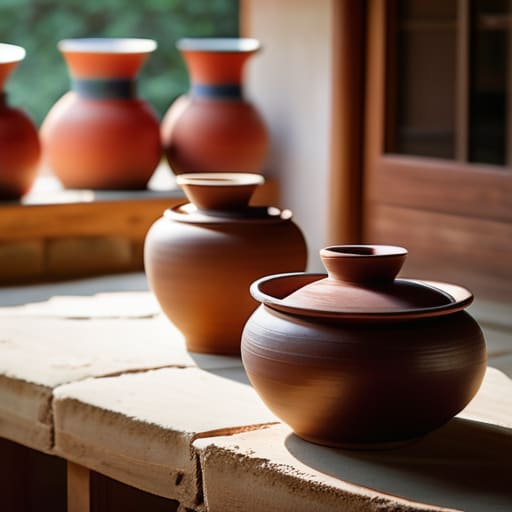
I was sitting on a low plastic stool in a narrow alleyway in Gwangjang Market, my notebook tucked into my pocket, when the smell hit me—not the sharp, aggressive sting you get from a supermarket jar, but something deep, earthy, and almost alive. It was the scent of a dozen different jars of kimchi, each breathing in its own rhythm. Most travel guides will point you toward those polished, high-end dining rooms in Gangnam where they treat Korean fermentation like a delicate museum exhibit, but that’s not where the story lives. The real magic isn’t found in a curated tasting menu; it’s in the ferocious, bubbling funk of a grandmother’s kitchen or a crowded stall where the jars have been tucked into the earth for months.
I’m not here to give you a sterilized lecture on microbial science or a list of overpriced fermentation kits. Instead, I want to take you into the heart of the process—the messy, beautiful, and incredibly sensory reality of how flavor is actually built. We’re going to skip the tourist fluff and look at the soul of the craft, from the way salt transforms a cabbage to the patience required to let time do the heavy lifting. This is about understanding the rhythm of the jar and how it connects a culture to its very roots.
Table of Contents
Decoding the Lacto Fermentation Process Explained Through Tradition
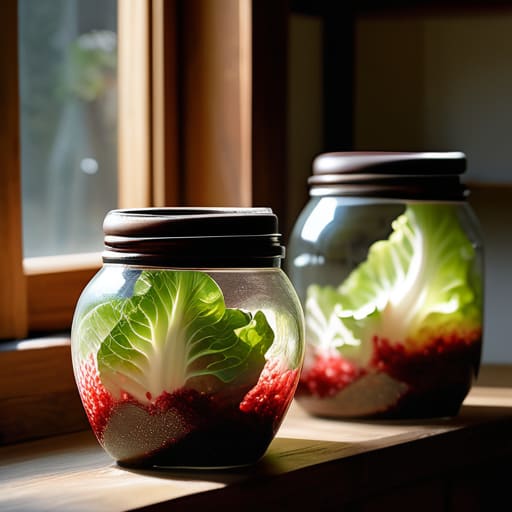
To understand how these flavors come to life, you have to look past the science textbooks and look at the jars themselves. While I can explain the lacto-fermentation process explained through the lens of beneficial bacteria converting sugars into lactic acid, that feels a bit too sterile for the reality of a Korean kitchen. In practice, it’s a slow, rhythmic dance of salt, time, and temperature. It’s about knowing exactly when the cabbage has reached that perfect, sharp tang that makes your mouth water.
I spent an afternoon watching an elderly woman in a small village near Jeonju work with doenjang, a rich, fermented soybean paste. There is no precise timer or digital sensor involved; instead, there is an intuitive sense of when the sun and the wind have done their work. This isn’t just about food preservation; it is a living connection to the seasons. When you dive into traditional korean banchan recipes, you aren’t just eating side dishes—you are consuming a biological history that has been refined through centuries of trial, error, and patient observation.
The Natural Fermentation Science Hidden in Every Jar
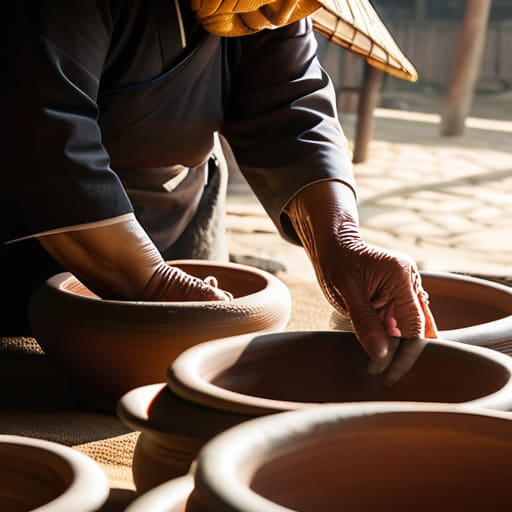
When I sit in a crowded market in Gwangju, watching an elderly woman tend to her earthenware onggi jars, I’m reminded that what looks like simple preservation is actually a complex, living dance. It isn’t just about making food last through a harsh winter; it’s about the natural fermentation science happening right under our noses. Inside those jars, a silent transformation occurs as salt and temperature work together to invite beneficial bacteria to the party, while keeping the “bad” microbes at bay.
It’s a delicate balance that feels almost intuitive rather than clinical. You can see it in the way a batch of kimchi develops that signature effervescence—a tiny, microscopic celebration of life. Beyond the complex flavors, there is a profound connection to our own bodies. The gut health benefits of kimchi aren’t just a modern wellness trend; they are a byproduct of a culinary rhythm that has sustained families for centuries. To me, tasting that sharp, probiotic tang is like tasting the very breath of the earth, captured and kept alive in a jar.
Small Lessons from the Jar: How to Live with Fermentation
- Trust your nose, not just your eyes. When I’m browsing markets in Seoul, I’ve learned that a healthy ferment should smell bright and tangy, like a sharp citrus or a clean vinegar. If it smells truly foul or “off,” respect the process and let it go; fermentation is a living thing, and sometimes it just doesn’t make it.
- Embrace the imperfection of the vessel. You don’t need clinical, airtight laboratory equipment to start. In many traditional homes, the earthenware onggi breathes, allowing the microbes to work in harmony with the air. If you’re practicing at home, a simple glass jar works, but don’t obsess over sterile perfection—fermentation thrives on a bit of controlled chaos.
- Respect the salt, but don’t fear it. Salt is the gatekeeper that keeps the bad bacteria out while inviting the good ones in. Whether you’re brining cabbage for kimchi or prepping radish, getting the salinity right is the difference between a crisp, lively ferment and a mushy mess.
- Patience is your most important ingredient. I know it’s tempting to peel back the lid every few hours to see if it’s ready, but fermentation happens in the quiet moments. Let the temperature do its work, and give the microbes the time they need to transform raw vegetables into something complex and deep.
- Seasonal rhythm matters more than any recipe. The best way to approach Korean fermentation is to follow what the earth is offering right now. Use the winter radishes when they are at their sweetest and most dense; use the summer cucumbers when they are crisp. When you cook with the season, the fermentation process feels less like a science experiment and more like a natural extension of the land.
What I Learned Behind the Jars
Forget the sterile science textbooks; fermentation in Korea is a living, breathing conversation between the seasons and the soil, passed down through hands rather than recipes.
True flavor isn’t manufactured in a lab—it’s earned through the slow, patient work of microbes that transform simple vegetables into something deeply complex and soulful.
To really understand these flavors, you have to look past the supermarket shelves and find the small, crowded markets where the jars are still bubbling with the energy of the community.
More Than Just a Recipe
“When you sit in a cramped kitchen in Seoul and see those earthenware jars tucked away in the corner, you realize you aren’t just looking at food; you’re looking at a living, breathing timeline of patience that refuses to be rushed by the modern world.”
Anouk Verhoeven
Beyond the Jar
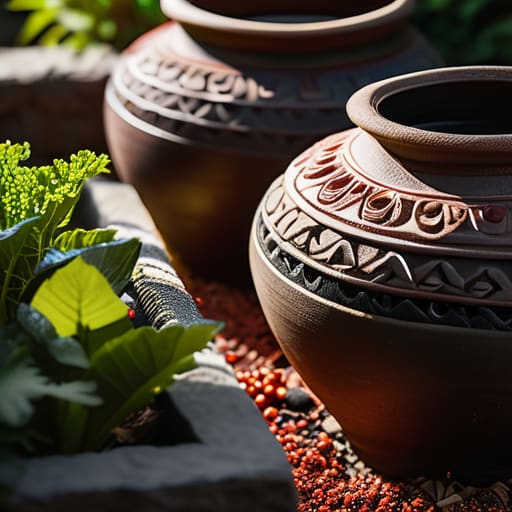
At its heart, Korean fermentation is so much more than just a culinary technique or a scientific marvel of lacto-fermentation. It is a bridge between the past and the present, a way of preserving the very essence of the seasons within a ceramic vessel. We’ve looked at how the meticulous traditions of the past meet the invisible, microscopic work of beneficial bacteria, creating those complex, tangy profiles that define a culture’s palate. Whether it’s the sharp bite of aged kimchi or the deep, earthy funk of a well-matured soybean paste, these flavors are the tangible results of patience and precision. To understand these jars is to understand a deep respect for the natural rhythms of the earth.
As I sit here in this small, sun-drenched kitchen, watching the steam rise from a bowl of fermented stew, I’m reminded that the best things in life rarely happen overnight. In a world that feels increasingly rushed and artificial, there is something profoundly grounding about a food that requires us to slow down and wait. Fermentation teaches us that time isn’t just something to be managed; it’s an ingredient in itself. So, the next time you taste that unmistakable fermented spark, don’t just swallow it down. Take a moment to breathe in the scent, feel the history, and appreciate the beautiful, quiet magic of things left to ripen in their own time.
Frequently Asked Questions
How can I tell if my homemade kimchi is actually fermenting correctly or if it’s just gone bad?
It’s a nerve-wracking moment, standing over a jar of bubbling cabbage. If you see tiny bubbles or a slight fizz when you press down, that’s the life in there—it’s working. The smell should be sharp, tangy, and unmistakably sour. But if it smells like something died, or if you see fuzzy, colorful mold on the surface, trust your gut and toss it. Real fermentation is alive; rot is just decay.
Do I really need to use specific earthenware pots like onggi, or can I get away with using glass jars in my own kitchen?
Honestly, don’t let the search for the perfect onggi stop you from starting. While those earthenware pots are incredible for “breathing” and regulating temperature, they aren’t a prerequisite for great flavor. I’ve experimented with both. In my tiny apartment kitchen, glass jars are my lifeline—they let me see the beautiful, slow transformation happening inside. Just keep them out of direct sunlight, and you’ll find that the magic is in the microbes, not just the vessel.
Beyond the intense sourness, what are some of the subtle flavor profiles I should be looking for when tasting different fermented vegetables?
It’s easy to get stuck on that initial acidic punch, but if you slow down, there’s so much more. I always look for a lingering umami—that savory, deep quality that coats the tongue. Depending on the vegetable, you might catch a faint sweetness from the natural sugars breaking down, or even a subtle, earthy funk. It’s less about a single flavor and more about the complexity that develops after the brine settles.
