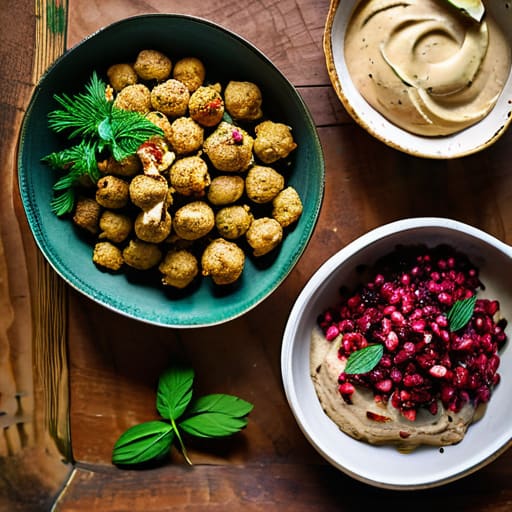
I still remember the smell of the Mahane Yehuda market in Jerusalem—a heavy, intoxicating mix of toasted cumin, bruised mint, and the sharp tang of pickled turnips. I was sitting on a plastic crate, my notebook open, trying to capture that specific scent of sun-warmed stone and spices that seems to cling to everything there. Most people arrive in Israel expecting a curated, high-end culinary tour, but they quickly realize that the true essence of israeli cuisine isn’t found in a white-tablecloth restaurant with a view. It’s found in the chaos of a crowded alleyway, where the steam from a vendor’s pot tells a story far more interesting than any menu ever could.
I’m not here to give you a list of the most “Instagrammable” spots or the overpriced hummus joints that cater to the crowds. Instead, I want to take you into the quiet, unpolished corners of the kitchen. We’re going to look past the hype to find the real flavors—the ones that connect the history of the land to the hands of the people cooking it. My goal is to help you navigate the streets like a local, finding the authentic soul of the food through the people who make it every single day.
Table of Contents
Tracing the Levantine Food Culture in Sun Drenched Alleyways
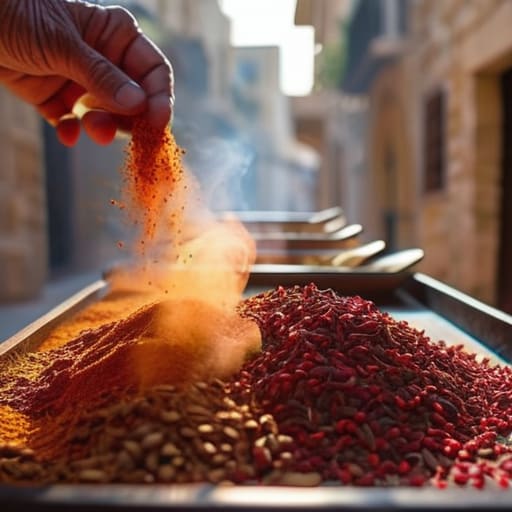
Walking through the narrow, winding streets of Jaffa, I find myself following my nose rather than a map. There is a specific kind of magic in these alleyways where the air is thick with the scent of toasted cumin and warm za’atar. It’s here, away from the polished dining rooms, that you truly feel the pulse of Levantine food culture. You see it in the way an elderly woman meticulously piles mounds of bright sumac onto a wooden tray, or how the steam from a nearby vendor’s cart seems to weave through the stone arches.
I often find that the most profound lessons in anthropology aren’t found in books, but in the shared rhythm of a crowded market stall. As I sit on a low plastic stool, watching locals navigate the morning rush, I’m reminded that these flavors are a living map of history. The heavy Mediterranean diet influence isn’t just a health trend here; it is a way of life, dictated by what is fresh, what is seasonal, and what has been passed down through generations of hands that know exactly how much lemon a salad needs.
Finding the Mediterranean Diet Influence in Local Gardens
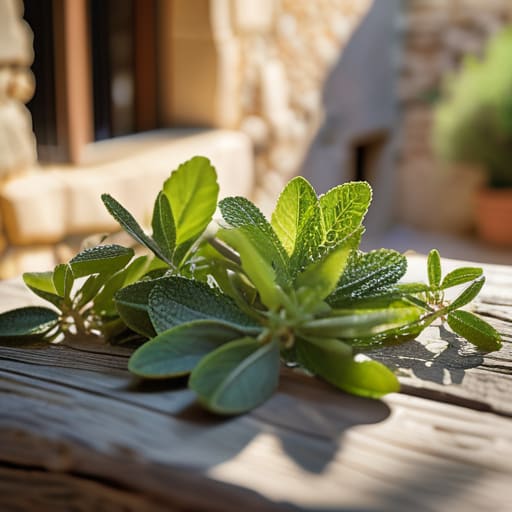
I’ve always found that the most honest way to understand a place is to look at what’s growing just beyond its concrete edges. While the city markets are loud and exhilarating, I find a different kind of clarity in the small, patchworked gardens tucked between residential blocks. Here, the Mediterranean diet influence isn’t just a health trend; it’s a living, breathing rhythm. You see it in the way the sunlight hits the silver-green leaves of olive trees and how the scent of bruised mint lingers in the humid air.
These quiet spaces act as the lungs of the community, where the connection to the land remains tactile and unpretentious. It’s in these modest plots that the foundation of Middle Eastern culinary traditions is quietly maintained. I often spend my afternoons watching neighbors tend to heirloom tomatoes or sprigs of za’atar, realizing that the complex flavors we seek in high-end restaurants actually begin with this simple, stubborn relationship to the soil. It’s a reminder that even in a rapidly modernizing landscape, the most profound flavors are often the ones that require nothing more than sun, water, and a bit of patience.
How to eat like a local (and skip the tourist menus)
- Follow the scent of za’atar, not the neon signs. The best food isn’t found in places with English-only menus; it’s in the stalls where the spice sacks are open and the air is thick with the smell of toasted sesame and sumac.
- Embrace the art of the communal table. In Israel, eating is rarely a solitary act. Look for the spots where people are sharing large plates of mezze and passing around pita; that’s where the real energy—and the best flavors—live.
- Don’t fear the breakfast rush. If you want to see the rhythm of a city, head to a local cafe early. There is something deeply grounding about watching the morning unfold over a plate of steaming shakshuka and a strong coffee.
- Seek out the seasonal, not the imported. Since I travel for ingredients, I’ve learned that the magic happens when you eat what’s currently growing in the local markets. If a vendor is shouting about a specific type of tomato or herb, listen to them.
- Let your senses lead the way. I always keep my notebook handy for the smells, but your nose is your best guide. If a narrow alleyway smells like slow-roasted lamb or fresh sourdough, follow it. Those quiet, unassuming corners are usually where the best stories are told.
Lessons from the Israeli Table
Look past the polished menus; the most authentic flavors are usually found in the steam of a crowded market stall or a family-run kitchen where the recipes aren’t written down, just remembered.
Understand that Israeli food isn’t a single monolith, but a beautiful, messy collision of Levantine traditions, Mediterranean freshness, and the deep, complex layers of diaspora history.
To truly taste a place, you have to slow down and follow the ingredients—from the soil of a local garden to the seasonal produce that dictates what ends up on a plate.
The Language of the Table
“Israeli cuisine isn’t just a list of ingredients; it’s a messy, beautiful conversation between different histories, all happening simultaneously over a shared plate of za’atar and warm bread.”
Anouk Verhoeven
The Flavor of Connection
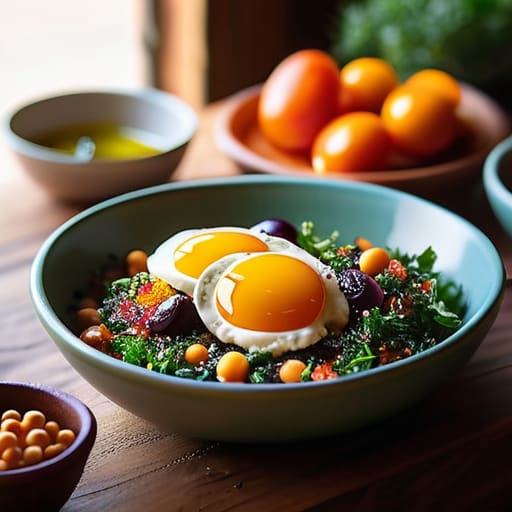
Looking back on these winding streets and sun-soaked gardens, it becomes clear that Israeli cuisine isn’t just a collection of recipes; it is a living, breathing map of migration and survival. From the heavy, spice-laden influences of the Levant that pulse through the markets to the bright, herbaceous simplicity of the Mediterranean gardens, every bite tells a story of someone finding home in a new land. We’ve seen how the food transcends mere sustenance, acting as a vibrant bridge between ancient traditions and the chaotic, beautiful energy of modern life. To eat here is to witness a constant, delicious negotiation between the past and the present.
As I pack my notebook away and prepare for my next destination, I’m reminded that the most profound travel experiences rarely happen behind a velvet rope or a polished menu. Instead, they happen in the steam rising from a shared plate or the quiet nod of a vendor who knows exactly which spice makes a dish sing. I hope that when you find yourself in these crowded alleys, you look past the bright signs and seek out the quiet, honest kitchens. Because in the end, we don’t just travel to see new landscapes; we travel to taste the soul of the people who inhabit them.
Frequently Asked Questions
How does the food change when you move from the coastal cities to the more traditional neighborhoods in the north?
As you head north, the air changes, and so does the plate. In the coastal cities, everything feels light—citrus, salt, and fresh catches. But once you drift into the northern neighborhoods, the flavors deepen. It’s less about the breezy Mediterranean vibe and more about the heavy, aromatic influence of the mountains. You’ll find more za’atar, earthy lentils, and slow-cooked stews that feel like a warm hug from a grandmother you never met.
Beyond the famous street foods, what are the subtle spices that define a home-cooked Israeli meal?
It’s rarely the loud, obvious flavors that stick with me; it’s the quiet ones. When I sit in a family kitchen, it’s the earthy warmth of cumin or the citrusy hum of sumac that feels like home. Then there’s za’atar—not just the blend, but that specific, wild scent of hyssop. These spices don’t shout; they weave through a slow-cooked stew or a simple salad, grounding everything in a way that feels deeply ancestral.
Is it possible to find the authentic flavors of the local markets without getting caught in the usual tourist crowds?
It’s actually my favorite way to travel. To find the real flavors, you have to ditch the midday rush and head to the markets at sunrise. That’s when the vendors are setting up, the air is cool, and the scent of fresh za’atar is most potent. Look for the stalls where the locals are congregating, not the ones with English menus. If there’s a line of grandmothers, you’ve found the right spot.
