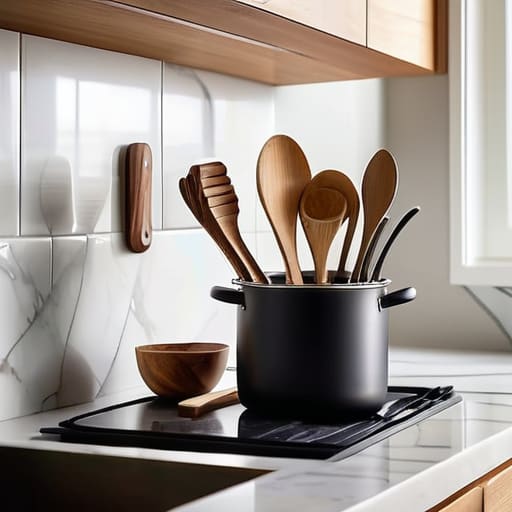
I remember sitting in a cramped, steam-filled kitchen in a coastal village in Portugal, watching an elderly woman reach for a heavy wooden spoon. She didn’t have a sleek, rotating carousel or a designer acrylic organizer; she simply pulled it from a ceramic crock filled with dried herbs and salt. It hit me then that most modern advice on kitchen utensil storage is obsessed with aesthetic perfection rather than actual utility. We’ve been sold this idea that a kitchen only functions if every whisk and spatula is tucked into a perfectly labeled, minimalist drawer, but that’s not how life actually happens when you’re mid-recipe and the garlic is already burning.
I’m not here to sell you on expensive, space-consuming gadgets that end up cluttering your counters. Instead, I want to share what I’ve learned from living out of a suitcase and cooking in a dozen different tiny, improvised kitchens around the world. I’ll show you how to approach kitchen utensil storage with a focus on functional simplicity and accessibility. We’re going to find ways to organize your tools that respect the rhythm of your cooking, ensuring that your kitchen feels like a place where you can actually breathe, rather than a showroom you’re afraid to touch.
Table of Contents
Finding Grace With Countertop Utensil Organizers
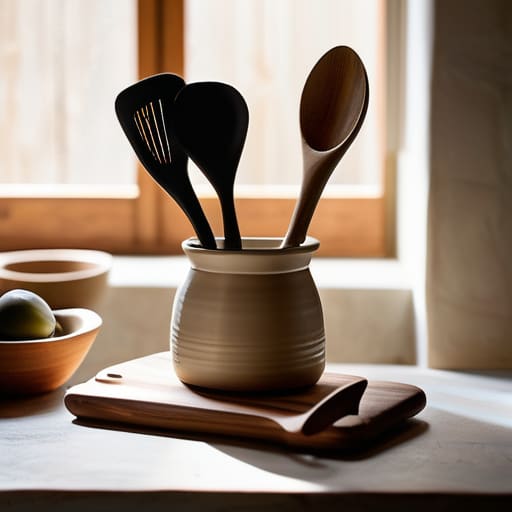
There is something deeply grounding about having your most-used tools within arm’s reach. Last month, while staying in a tiny studio in Lisbon, I realized how much my morning ritual depended on the accessibility of my tools. When you are working in a cramped area, maximizing small kitchen space isn’t just about tidiness; it’s about flow. I found that instead of hiding everything behind closed doors, placing a few well-loved wooden spoons and a whisk in a simple stoneware crock on the counter made the space feel lived-in rather than just “stored.”
I’ve learned to be selective with what stays out in the open. If you lean into aesthetic kitchen organization ideas—like choosing a heavy ceramic vessel or a hand-turned wooden holder—the tools themselves become part of the room’s decor. I tend to gravitate toward countertop utensil organizers that feel organic, like something found in a local pottery workshop, rather than the sterile plastic versions you see in big-box stores. It turns a functional necessity into a small, daily moment of beauty.
Magnetic Knife Strips and Tool Racks for Daily Rituals
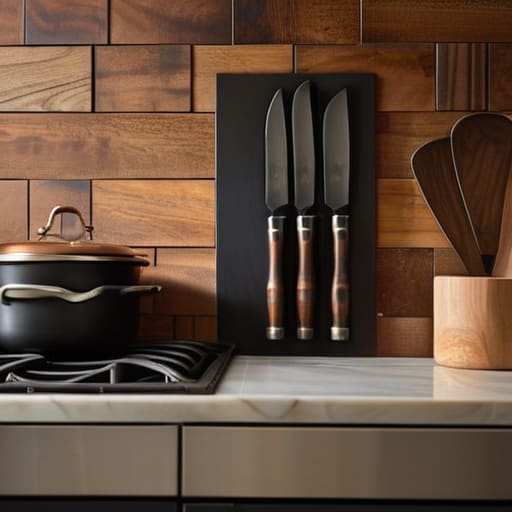
There is something almost meditative about the way a chef handles their tools—the weight of a knife, the familiar grip of a whisk. In many of the small, family-run bistros I’ve stayed in across Europe, I noticed they rarely hide their most important implements. Instead, they lean into magnetic knife strips and tool racks, keeping their essentials within arm’s reach. It transforms the act of cooking from a series of searches into a fluid, rhythmic dance. When your tools are mounted on the wall, they become part of the room’s visual texture rather than just clutter to be managed.
For those of us navigating more cramped quarters, this approach is a game-changer for maximizing small kitchen space. By reclaiming the vertical plane, you free up precious real estate that would otherwise be swallowed by bulky knife blocks or messy countertop utensil organizers. I’ve found that hanging a simple brass rail or a sleek wooden magnetic strip doesn’t just save space; it honors the tools themselves. It turns a utilitarian necessity into a small, daily ritual of intentionality and grace.
The Small Rituals of a Functional Space
- Group your tools by how they feel in your hand. I’ve found that keeping my most-used wooden spoons and heavy whisks in a single, heavy ceramic crock near the stove makes the morning rush feel less like a scramble and more like a rhythm.
- Don’t be afraid of the drawer dividers, but keep them tactile. Instead of plastic, I love using small linen-lined trays or even repurposed wooden boxes to separate my measuring spoons from the heavy metal tongs; it keeps the drawer from becoming a chaotic jumble of clanking steel.
- Use the “verticality” of your walls for the things that carry history. If you have a beautiful vintage brass measuring cup or a well-worn whisk from a grandmother, hang it on a simple peg. It turns a storage necessity into a tiny, curated gallery of your culinary journey.
- Reserve your deep drawers for the heavy hitters. I try to keep my heavy rolling pins and bulky graters in the lower drawers, tucked away so they don’t clutter the visual landscape of the counter, leaving the eye-level spaces for the tools I actually reach for every single day.
- Audit your collection with a sense of intention. Every few months, I look at my utensil collection and ask which tools actually serve my current way of cooking. If a gadget hasn’t felt the warmth of my hand in a season, it doesn’t deserve a permanent home in my workspace.
The Soul of a Functional Kitchen
Prioritize accessibility over perfection; the tools you reach for every single morning should be within an easy, intuitive grasp, much like the way a chef keeps their most trusted knife close.
Look for storage that honors the history of your tools, whether that’s a ceramic crock for worn wooden spoons or a simple linen wrap for delicate implements.
Embrace the “lived-in” aesthetic by letting your most beautiful, well-used utensils breathe on display rather than hiding them away in a dark drawer.
The Soul of the Countertop
I’ve realized that how we tuck away our spoons and whisks isn’t just about saving space; it’s about how we honor the tools that feed us. A cluttered drawer feels like chaos, but a well-placed jar of wooden spoons feels like an invitation to slow down and actually stay a while.
Anouk Verhoeven
The Heart of the Home
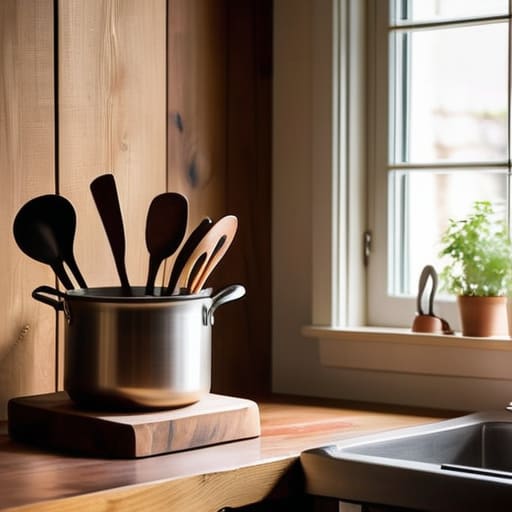
At the end of the day, organizing your kitchen isn’t about achieving some sterile, magazine-ready perfection. It’s about deciding how you want to move through your most intimate space. Whether you choose to let your most-loved wooden spoons live in a ceramic crock on the counter or prefer the streamlined efficiency of a magnetic strip, the goal is to reduce the friction between you and your food. By finding a home for your tools—from the heavy cast iron to the delicate microplane—you are essentially curating your workflow. When everything has a place, the kitchen stops feeling like a site of endless chores and starts feeling like a functional sanctuary where you can actually breathe.
I often think back to the small, family-run bistros I’ve visited in rural France, where the counters are cluttered but the rhythm of the cooking is seamless. They don’t store things for show; they store them for use. As you settle into your own storage solutions, I hope you remember that your kitchen is a living, breathing thing. It should change as your recipes evolve and your tastes shift. Don’t be afraid to let your tools show a little wear, or to rearrange your jars when a new season calls for a different kind of spice. Ultimately, a well-organized kitchen is simply one that invites you to stay and create something beautiful.
Frequently Asked Questions
How do I decide which tools deserve a spot on the counter and which should be tucked away in a drawer?
I always ask myself: how often does this tool touch my hand during a typical Tuesday? If it’s a heavy cast iron skillet or a well-worn wooden spoon that I reach for every single morning, let it breathe on the counter. It becomes part of the kitchen’s landscape. But if it’s a specialized gadget I only use for holiday baking, tuck it away. A kitchen should feel lived-in, not cluttered.
Are there ways to organize my utensils that don't make a small kitchen feel cluttered or overwhelming?
The trick is to stop thinking about “storage” and start thinking about “flow.” When I’m working in tiny apartments, I try to clear the visual noise by using the vertical space I usually ignore. Think hanging rails or even a simple ceramic crock for the essentials. If every tool has a dedicated, quiet home that isn’t fighting for precious counter space, the kitchen stops feeling like a chore and starts feeling like a sanctuary again.
What are some sustainable or vintage ways to store kitchen tools that feel more personal than plastic organizers?
I’ve always found that plastic organizers feel a bit too sterile, like they’re trying to erase the history of the tools themselves. Instead, I look for things with a past. I love using heavy stoneware crocks found in thrift stores—they have a weight and soul that keeps my wooden spoons perfectly upright. Or, I’ll repurpose old enamelware tins. There’s something so grounding about using objects that have already lived a life to hold the tools of my own.
