Blog

  • Choosing Budget Travel Destinations

    Choosing Budget Travel Destinations

    I’ve spent a lot of my life wondering why we’ve been taught to equate “travel” with a certain kind of expensive, polished aesthetic. We see these curated, high-end escapes on our feeds and start to believe that seeing the world requires a massive savings account and a penchant for luxury hotels. But honestly? I’ve found that the most profound connections—the ones that actually stay with you long after you’ve unpacked your bag—rarely happen in a five-star lobby. The real magic happens when you’re sitting on a plastic stool in a humid alleyway, or navigating a chaotic morning market where your money actually stretches. Finding true budget travel destinations isn’t about deprivation or sleeping in hostels that feel like dormitories; it’s about reclaiming your agency as a traveler so you can spend your resources on experiences rather than just overhead.

    In this post, I’m moving away from the glossy brochures to share five places where your budget allows you to actually live, rather than just observe. I’ve curated this list based on where I can find the most incredible street food, the deepest cultural roots, and the kind of unfiltered authenticity that makes a city feel like home. Get ready to discover five corners of the world where you can wander deeply without constantly checking your bank balance.

    Table of Contents

    The Steam and Spice of Hanoi

    The Steam and Spice of Hanoi streets.

    There is a specific kind of magic in the chaos of Hanoi, a city that feels like it’s constantly breathing through its narrow alleys. I remember sitting on a tiny plastic stool that felt far too small for my frame, watching the motorbikes swarm past like a single, living organism. The air was thick with the scent of charred pork and star anise, a fragrance I immediately scribbled into my notebook. It’s a place where you don’t need a reservation or a heavy wallet; you just need an appetite for discovery.

    Slow Mornings in Oaxaca

    Slow Mornings in Oaxaca at local markets.

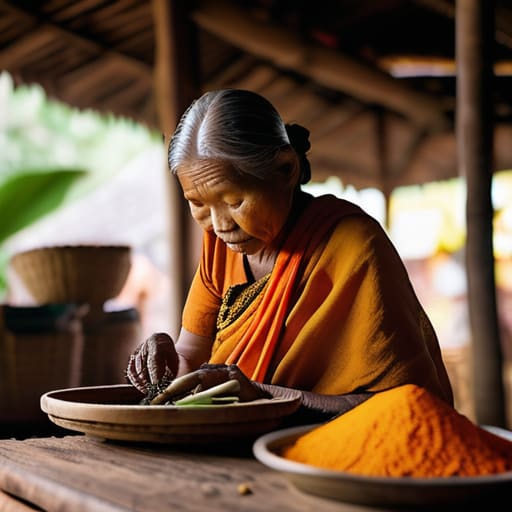
    If you want to understand the heartbeat of Mexico, you have to find your way to the markets of Oaxaca. I arrived here with a heavy camera bag and a light wallet, looking for something more substantial than the polished, predictable experiences offered in the larger resort towns. What I found instead was a kaleidoscope of color and a culinary tradition that feels utterly ancient. The smell of toasted cacao and dried chilies clings to the air, a scent that stays with you long after you’ve left the market stalls.

    The Coastal Rhythms of Albania

    The Coastal Rhythms of Albania turquoise cove.

    While everyone else is crowding onto the overpriced beaches of the Amalfi Coast, I found myself drifting toward the Albanian Riviera. It’s a rugged, sun-drenched stretch of coastline that still feels like a well-kept secret. There is something incredibly liberating about finding a turquoise cove where the only sound is the Mediterranean lapping against the rocks and the distant chatter of a fisherman. It’s unpretentious travel in its purest form, stripped of the glossy, curated veneer of more famous destinations.

    Hidden Courtyards in Tbilisi

    Tbilisi is a city of layers, a place where Soviet architecture meets ancient, winding streets and modern, avant-garde energy. I fell in love with the way the city feels like a living museum, especially when you wander away from the main thoroughfares and into the residential courtyards. These are the spaces where life actually happens—where laundry hangs between balconies and the scent of baking bread drifts from basement kitchens. It’s a city that demands you get lost on purpose.

    The Gentle Pace of Luang Prabang

    There is a stillness in Luang Prabang that is hard to find anywhere else in Southeast Asia. As the morning mist rises off the Mekong River, the city wakes up with a sense of ritual and grace. I spent my early hours watching the saffron-robed monks walk silently through the streets, a sight that feels almost sacred in its simplicity. It’s a place that encourages you to put down your phone and simply observe the passage of time.

    The Real Value of a Budget Trip

    Travel isn’t about how much you spend, but how deeply you’re willing to step off the paved path and into the local rhythm.

    The most authentic cultural exchanges usually happen at the lowest price points—over a shared table in a crowded market or a simple street food stall.

    Save your money for experiences that feed your senses, like a seasonal ingredient hunt, rather than the polished, overpriced tourist traps.

    Beyond the Price Tag

    Budget travel isn’t about deprivation or counting every cent; it’s about the freedom to stop being a spectator and start being a participant in a culture’s daily rhythm, usually found in the steam of a street stall rather than the lobby of a hotel.

    Anouk Verhoeven

    The Real Value of a Journey

    Looking back at these destinations, it’s easy to see that the common thread isn’t just the lower price point, but the unfiltered access they provide to something genuine. Whether you are navigating the aromatic chaos of a street market in Hanoi or sitting on a weathered wooden stool in a coastal village, these places prove that you don’t need a massive bank account to experience profound cultural richness. By choosing locations where your currency stretches further, you aren’t just saving money; you are actually buying more time to sit, observe, and truly engage with the people who call these places home. It’s about prioritizing meaning over luxury every single time.

    At the end of the day, my notebook is rarely filled with notes about five-star hotel amenities or expensive excursions. Instead, it’s stained with the scent of woodsmoke and the memory of a shared meal with a stranger. Travel shouldn’t be a checklist of expensive landmarks, but a collection of quiet, sensory moments that ground us in the world. So, pack light, keep your eyes open, and don’t be afraid to wander down that narrow, unmapped alleyway. The most beautiful stories—and the most delicious meals—are almost always found where the crowds thin out and the real life begins.

    Frequently Asked Questions

    How do I balance staying on a tight budget without missing out on the authentic, local food experiences that make these places special?

    It’s a delicate dance, isn’t it? I’ve learned that “budget” shouldn’t mean “cheap food,” but rather “intentional eating.” Instead of one big, expensive dinner, I lean into the street food culture or those tiny, family-run stalls that don’t have English menus. I skip the mid-range restaurants entirely. My rule is simple: if the locals are standing in line for a specific snack or a bowl of something steaming, that’s where you’ll find the soul of the city without breaking the bank.

    Are there certain seasons when these affordable destinations become unexpectedly expensive or difficult to navigate?

    It’s a fair question. Even the most budget-friendly spots have their “expensive” seasons. For instance, if you hit Southeast Asia during the peak dry season, prices for those cozy guesthouses can spike, and the crowds make navigating local markets a bit of a squeeze. I usually aim for the “shoulder seasons”—that sweet spot just before or after the rush. You get the milder weather and lower rates, plus a much more authentic, quiet connection to the place.

    How can I tell the difference between a genuine local market and a tourist-heavy spot designed just to capture my money?

    Follow your nose, not the signage. If the air smells like heavy perfume or fried dough designed for quick snacking, turn around. I look for the chaos: the rhythmic sound of heavy cleavers, the shouting of prices, and the smell of bruised herbs and raw spices. If the vendors aren’t haggling with locals or if the menus are translated into five different languages, you’ve likely wandered into a stage set. Real markets are messy, loud, and unapologetic.

  • Guide to Authentic Italian Pasta Making

    Guide to Authentic Italian Pasta Making

    I was sitting in a sun-drenched piazza in Trastevere last spring, watching a group of tourists pay twenty euros for a plate of “gourmet” spaghetti that looked more like a science experiment than a meal. It was heavy on the truffle oil and light on the soul, a far cry from the real thing. We’ve been sold this idea that authentic italian pasta requires white tablecloths and a sommelier, but that’s just a marketing trick to inflate the bill. To me, the real magic doesn’t happen under a spotlight; it happens in the humid, flour-dusted kitchens of family-run trattorias where the recipe is passed down through muscle memory rather than a printed menu.

    I’m not here to give you a list of overpriced restaurants or complicated techniques that require a culinary degree. Instead, I want to pull back the curtain on what actually makes a dish feel real. I’ll be sharing the small, unpolished truths I’ve gathered from my travels—from the specific grit of the right flour to the way a sauce should cling to the noodle. My goal is to help you find the true heart of Italian cooking, one simple, honest bowl at a time.

    Table of Contents

    The Golden Secret of Durum Wheat Semolina Flour

    The Golden Secret of Durum Wheat Semolina Flour

    If you ask any nonna in Puglia about the foundation of a perfect plate, she won’t point to the sauce first; she’ll point to the grain. There is a fundamental divide in the country, a culinary map drawn by geography, when it comes to northern vs southern italian pasta. Up north, where the air is cooler and eggs are plentiful, you get that silky, rich texture. But down south, in the sun-drenched landscapes where I spent most of last spring, it’s all about the grit and the gold.

    That’s where durum wheat semolina flour enters the story. Unlike the soft, powdery flour you find in most grocery aisles, semolina is coarse and hearty. It has this incredible ability to hold its structure, which is exactly why it’s the backbone of so many handmade pasta shapes. When you use it, you aren’t just making food; you’re working with a material that demands respect. It’s the reason a piece of dried orecchiette can maintain that perfect, satisfying bite—that elusive al dente texture—even after being tossed in a heavy, rustic ragu.

    Northern vs Southern Italian Pasta a Tale of Two Regions

    Northern vs Southern Italian Pasta a Tale of Two Regions

    To understand the soul of Italian cooking, you have to realize that the country is essentially split in two when it comes to the pasta bowl. In the north, the landscape is lush and dairy-heavy, which dictates a very different approach to the craft. Here, you’ll find the soft, pillowy magic of egg-based doughs. It’s all about handmade pasta shapes like delicate agnolotti or wide ribbons of tagliatelle, often served with rich, buttery sauces that feel like a warm hug on a misty morning in Emilia-Romagna.

    As you move south, the air gets warmer and the soil changes, and the pasta changes with it. This is the realm of the sun-drenched durum wheat semolina flour we talked about earlier. Because eggs were historically a luxury, the south mastered the art of making incredible pasta with just flour and water. The result is a firmer, more resilient texture that is perfect for the al dente cooking method. Whether it’s a twisted orecchiette or a simple spaghetti, the focus shifts from richness to the bright, acidic punch of tomato and olive oil.

    Small Rituals for a Better Bowl

    • Stop reaching for the pre-grated cheese in the green shaker; if you want to respect the pasta, you need to grate a wedge of real Parmigiano-Reggiano or Pecorino Romano right over the plate. The texture of the fresh shavings changes everything.
    • Trust the “al dente” bite, even if it feels a bit firm at first. That resistance is where the soul of the grain lives, and it’s what prevents the pasta from turning into a mushy, uninspired mess once it hits the sauce.
    • Never, ever rinse your pasta after boiling it. That cloudy, starchy water clinging to the strands is liquid gold—it’s the secret bridge that helps your sauce emulsify and actually stick to the noodles instead of sliding off to the bottom of the bowl.
    • Treat your pasta water like a precious ingredient. When you’re finishing the pasta in the pan with the sauce, add a splash of that salty, starchy cooking water to create a silky, cohesive glaze that feels like something you’d find in a tiny trattoria in Rome.
    • Match the shape to the mission. It sounds simple, but using a delicate angel hair for a heavy meat ragu is a heartbreak waiting to happen. Look for ridges (the rigate) when you want to trap a thinner sauce, or hollow tubes when you need something to hold onto a chunky vegetable base.

    The Heart of the Matter: What to Look For

    Forget the fancy labels; look for the texture. Real, authentic pasta should have a slightly rough, porous surface—the kind of grit that actually holds onto the sauce instead of letting it slide off to the bottom of the bowl.

    Understand the geography of your plate. If you’re craving the silky, egg-rich ribbons of the North, you’re looking for a different soul than the sun-drenched, water-and-semolina shapes that define the South.

    Respect the grain. Whether it’s the bite of high-quality durum wheat or the delicate nuance of soft flour, the quality of the grain is the silent protagonist in every single dish.

    More Than Just Flour and Water

    To me, authentic pasta isn’t about following a rigid recipe; it’s about the way a single, hand-rolled shape can hold the entire history of a village, carrying the scent of sun-drenched wheat and the quiet rhythm of a kitchen that hasn’t changed in a hundred years.

    Anouk Verhoeven

    More Than Just a Meal

    Authentic pasta is More Than Just a Meal.

    At the end of the day, understanding authentic pasta isn’t about memorizing a list of ingredients or mastering every regional nuance. It’s about recognizing that the distinction between a rich, egg-based tagliatelle from the north and a simple, sun-dried durum wheat shape from the south is actually a map of Italy’s geography and history. Whether you are looking for the bite of high-quality semolina or the silky texture of a handmade dough, the goal is to respect the integrity of the craft. When you stop looking for the “perfect” recipe and start looking for the intention behind the flour and water, the meal changes entirely.

    As I sit here in this tiny kitchen, watching the steam rise from a simple bowl, I’m reminded that the best culinary experiences rarely happen in white-tablecloth restaurants. They happen when we slow down enough to notice the texture of the grain and the way a sauce clings to the ridges of a noodle. Don’t be afraid to make mistakes or end up with a slightly sticky dough; that’s just part of the human element. My advice? Forget the rigid rules for a moment, find a local market, buy what looks freshest, and cook with curiosity. That is where the real story begins.

    Frequently Asked Questions

    Is it actually possible to make decent pasta at home without an expensive machine, or do I really need one?

    Honestly? You don’t need a machine. I’ve spent many afternoons in tiny Roman kitchens where the only “equipment” was a wooden board and a well-worn rolling pin. There’s something incredibly grounding about the tactile rhythm of working the dough with your own hands. As long as you have a bit of patience and a sturdy surface, you can create something beautiful. The machine is a convenience; the hands are where the soul is.

    Why does the pasta texture change so much depending on whether I use egg yolks or just water?

    It really comes down to the chemistry of the dough. When you use just water and semolina, you’re getting that firm, “al dente” bite characteristic of the South—it’s all about the starch. But adding egg yolks introduces fats and proteins that coat the flour, creating a much richer, silkier texture. It’s the difference between a rugged, structural noodle and something velvety that clings to a sauce like a warm embrace.

    How can I tell if a restaurant is serving real, artisanal pasta or just something mass-produced in a factory?

    Look for the imperfections. Mass-produced pasta is unnervingly uniform—perfectly smooth, perfectly straight, and perfectly boring. Real, artisanal pasta has character; it’s often slightly irregular in shape and has a rough, porous surface that looks like it was dried slowly under a fan rather than blasted by industrial heat. When it hits the sauce, that texture is everything. If the pasta looks too “perfect,” it probably lacks the soul (and the grip) you’re looking for.

  • A Guide to Traditional French Etiquette

    A Guide to Traditional French Etiquette

    I remember sitting in a cramped, steam-filled bistro in Lyon last autumn, clutching my notebook and feeling an intense, sudden wave of panic. I had spent the morning reading glossy guidebooks filled with rigid, almost intimidating rules about french etiquette, fearing that one wrong move with a bread crust or a wine glass would signal I didn’t belong. But as I watched the waiter glide between tables—not with stiff formality, but with a practiced, rhythmic grace—I realized that the “rules” I’d been studying were nothing like the living reality of the table.

    I’m not here to give you a checklist of stuffy protocols that will only make you nervous while you’re trying to enjoy a meal. Instead, I want to share what I’ve actually learned from years of sitting in crowded markets and quiet neighborhood cafes: the real, unwritten nuances of french etiquette that actually matter. My goal is to help you move past the anxiety and find that sweet spot where you can truly connect with the people and the flavors around you, without feeling like you’re performing a script.

    Table of Contents

    Mastering Politeness in Paris Through Small Gestures

    Mastering Politeness in Paris Through Small Gestures

    It isn’t about following a rigid manual; it’s about the energy you bring to the table. In Paris, I’ve learned that the most important part of politeness in Paris happens before you even pick up a fork. It starts with a soft, intentional “Bonjour” to the server—not a loud demand for attention, but a quiet acknowledgment of their presence. If you skip this, you aren’t just being rude; you’re breaking the invisible social contract that keeps the city’s rhythm so graceful.

    Once you’re seated, the nuances of french dining etiquette rules become a dance of subtlety. I always make a point to keep my hands visible on the table, never in my lap, but never leaning heavily on the edge either. There is a specific kind of poise required here, a way of moving that respects the shared space of a crowded bistro. Mastering these small french social graces isn’t about performing for others; it’s about showing that you understand the value of the moment and the people sharing it with you.

    Navigating Cultural Etiquette in France With Quiet Grace

    There is a subtle, almost invisible dance to how people interact in the shared spaces of a French village or a bustling Lyon brasserie. It isn’t about following a rigid set of laws, but rather about acknowledging the presence of others. I’ve learned that practicing proper cultural etiquette in France often comes down to the volume of your voice and the intentionality of your gaze. In a small bakery, for instance, a simple, soft “Bonjour, Madame” isn’t just a greeting; it is an acknowledgment of the person behind the counter, a tiny bridge built through mutual respect.

    When the conversation shifts to the table, the rhythm changes again. I often find that the most meaningful lessons in french dining etiquette rules aren’t found in books, but in watching how a family shares a carafe of wine. It’s about the slow pace, the way hands stay below the table, and the unspoken agreement that the meal is a sanctuary from the outside world. If you move with a sense of quiet consideration rather than urgency, you’ll find that the locals open up in ways a guidebook could never facilitate.

    The Unwritten Rules of the Table

    • Never rush the arrival of your coffee. In a French café, the table is yours for as long as you need it; don’t feel pressured to leave just because you’ve finished your espresso.
    • The magic word is “Bonjour,” and it’s non-negotiable. Whether you’re entering a tiny boulangerie or a boutique, failing to acknowledge the shopkeeper with a warm greeting can make you feel like an intruder rather than a guest.
    • Wait for the signal to eat. It’s a small thing, but waiting for the host to say “Bon appétit” or for everyone to be served creates a shared rhythm that turns a meal into a real connection.
    • Keep your hands visible. It’s a subtle habit, but resting your hands on the table rather than in your lap is a quiet way to signal that you are present and engaged in the conversation.
    • Skip the tip-hunting. Service is almost always included in the bill, so don’t feel the need to calculate a percentage. Leaving a few small coins is a lovely gesture of appreciation, but it’s never an expectation.

    The Heart of the Matter: Three Small Truths

    It isn’t about memorizing a list of rigid rules; it’s about slowing down enough to notice the rhythm of the room and meeting people with a soft “Bonjour” before you ask for anything at all.

    True connection happens in the pauses—the way you wait for your coffee, the way you respect the space of a shared table, and the quiet understanding that a meal is a ritual, not just a transaction.

    When in doubt, lean into observation. Watch how the locals move through the market or how they signal to a waiter, and remember that a little bit of patience and a genuine smile go much further than any guidebook tip.

    More Than Just Manners

    French etiquette is More Than Just Manners.

    French etiquette isn’t about following a rigid set of rules to avoid embarrassment; it’s about the unspoken respect found in the pauses—the way you wait for a nod from a waiter or the quiet stillness of a long lunch. It’s less about being “proper” and more about learning to move at the same gentle, intentional pace as the people around you.

    Anouk Verhoeven

    More Than Just Manners

    At the end of the day, navigating French etiquette isn’t about memorizing a rigid list of “dos and don’ts” to avoid offending anyone. It is really about recognizing the unspoken rhythm of the space you are in. Whether it’s the intentionality of a soft “bonjour” when entering a shop or the patient silence required while waiting for your coffee, these small gestures act as a bridge. When you move away from the frantic pace of a tourist and toward the deliberate grace of a local, you stop being an observer and start becoming a participant in the culture.

    As I sit here in this sun-drenched cafe, scribbling notes about the scent of toasted sourdough and lavender, I’m reminded that the most beautiful connections happen when we simply slow down. Don’t let the fear of making a mistake keep you from pulling up a chair. The real magic of traveling through France isn’t found in perfect execution, but in the willingness to listen to what the meal and the people are teaching you. Let the etiquette guide you, but let your curiosity lead the way.

    Frequently Asked Questions

    How do I handle the unspoken rules of tipping without feeling awkward or overdoing it?

    The trick is to stop looking for a tip jar. In France, service is included in your bill, so that heavy feeling of “did I do enough?” is unnecessary. If you’ve had a truly lovely meal—the kind where the waiter felt more like a host—just leave a few small coins on the table. It’s not about the percentage; it’s a quiet nod of appreciation for the rhythm of their service.

    Is it actually rude to ask for a specific modification to a dish, or should I just accept what's served?

    I’ll be honest: in a small, family-run bistro, asking to swap out ingredients can feel like you’re disrupting a sacred ritual. To many chefs, the menu is a finished poem. If it’s a simple request—like skipping the onions—it’s usually fine. But if you’re trying to re-engineer the dish, just eat it. There’s a certain magic in accepting exactly what the kitchen intended; it’s how you truly taste the chef’s story.

    How can I tell the difference between a waiter being intentionally cold and them just following the local rhythm of service?

    I’ve sat in many a cramped bistro, notebook in hand, wondering the exact same thing. Usually, it’s not coldness; it’s just the rhythm. If they aren’t rushing you, they’re actually being respectful of your time. A waiter is being “cold” if they ignore your eye contact or walk past you repeatedly. But if they’re just letting you exist in your own bubble without hovering? That’s not rudeness—it’s the French art of letting you live.

  • Ways to Decorate a Rental Home

    Ways to Decorate a Rental Home

    I still remember the smell of damp plaster and stale coffee in my first studio in Lisbon—a tiny, drafty space that felt more like a temporary transit station than a home. I spent hours staring at those sterile, white walls, feeling like I was living in a waiting room rather than a sanctuary. The internet is full of these polished, high-budget “hacks” that suggest you need a massive budget to fix a soul-less space, but that’s a lie. Real rental friendly decor isn’t about buying a whole new aesthetic; it’s about finding those small, tactile ways to anchor yourself when you don’t actually own the floor beneath your feet.

    I’m not here to sell you on expensive gadgets or complicated DIY projects that will leave you fighting with your landlord come lease renewal. Instead, I want to share the practical, low-impact methods I’ve gathered from years of moving between cities and makeshift kitchens. We’re going to focus on things that actually add warmth—textures, lighting, and art—without leaving a single permanent mark. Think of this as a guide to making a space feel like yours, one intentional layer at a time.

    Table of Contents

    Peel and Stick Wallpaper Adding Texture Without Leaving Scars

    Peel and Stick Wallpaper Adding Texture Without Leaving Scars

    I remember staying in a tiny studio in Lisbon last autumn, where the walls were a sterile, unforgiving white that felt more like a hospital than a home. It’s a common struggle when you’re moving frequently; you want a sense of place, but you can’t exactly pick up a paintbrush. This is where peel and stick wallpaper becomes a lifesaver. It’s essentially a temporary skin for your room that allows you to introduce pattern or even a subtle linen texture without the permanent commitment.

    I recently experimented with a botanical print in a small nook, and the transformation was immediate. Because it’s designed for easy removal, it qualifies as one of those essential damage-free wall decor options that won’t result in a lost security deposit. The trick is to choose a design that feels intentional—something that mimics the organic textures I look for in local markets. If you apply it to a single accent wall or even just a bookshelf back, it adds a layer of depth that makes a generic space feel deeply personal and lived-in.

    The Art of Damage Free Wall Decor for Quiet Moments

    The Art of Damage Free Wall Decor for Quiet Moments

    When I’m staying in a new city for a few months, I find that the walls often feel a bit too sterile, like a gallery space rather than a home. I’ve learned that you don’t need to hang heavy frames to create a sense of belonging. Instead, I lean into damage-free wall decor that feels more organic. I often use small, wooden clips or even simple twine to hang postcards from local markets or pressed flowers I’ve found on my walks. It’s a way to bring the outside in without ever touching a drill.

    For something a bit more substantial, I’ve become a huge fan of exploring different command hook decorating ideas. They are perfect for hanging lightweight woven tapestries or even small, dried herb bundles that catch the light. It’s these tiny, intentional layers that turn a temporary room into a sanctuary. Whether it’s a piece of art that reminds me of a coastal town or a simple string of warm lights, these temporary apartment upgrades allow me to curate a space that feels grounded and deeply personal, no matter how fleeting my stay might be.

    Small Shifts That Make a Temporary Space Feel Like Yours

    • Lighting is everything. I’ve found that the harsh, overhead fluorescent lights in most rentals are the quickest way to kill a mood. Instead, bring in a few warm lamps or even some battery-operated sconces to create those soft, lived-in pockets of light that make a room feel cozy rather than clinical.
    • Layer your textiles. Since I can’t paint the walls or swap out the carpet, I rely heavily on rugs and throw blankets. A well-worn linen throw or a textured jute rug can mask an ugly floor and instantly add the warmth that a sterile rental is usually missing.
    • Use your surfaces to tell a story. I always say that a kitchen or a coffee table shouldn’t just be functional; it should be a curated collection of things you’ve gathered. A ceramic bowl from a market in Oaxaca or a stack of vintage cookbooks can make a generic countertop feel deeply personal.
    • Bring the outside in. It sounds simple, but greenery is a lifesaver when you’re stuck with neutral, uninspiring walls. Potted herbs on a windowsill or a trailing pothos on a shelf add life, movement, and a sense of growth to a space that might otherwise feel stagnant.
    • Rethink your hardware. One of my favorite little tricks is swapping out the generic, boring knobs on kitchen cabinets or dresser drawers. It’s a tiny detail, but replacing a plastic handle with something brass or ceramic makes a massive difference in how much a piece of furniture feels like it belongs to you.

    Small Shifts, Big Impact

    Focus on layers rather than permanent changes; think of your decor like seasonal ingredients that can be swapped out without rebuilding the entire kitchen.

    Prioritize items that respect the architecture of your space, ensuring your personal style leaves a memory behind but no physical scars on the walls.

    Use texture and scent to ground a temporary room, turning a sterile rental into a place that actually feels lived-in and soulful.

    ## The Soul of a Temporary Space

    “Decorating a rental isn’t about making a permanent mark on a building; it’s about layering enough warmth and personality into a room so that, for a little while, it stops feeling like a transit lounge and starts feeling like a home.”

    Anouk Verhoeven

    Finding Your Rhythm in a Temporary Space

    Finding Your Rhythm in a Temporary Space.

    At the end of the day, making a rental feel like yours isn’t about a complete overhaul or following every passing interior design trend. It’s about the small, intentional choices—the way a piece of peel-and-stick wallpaper adds a layer of warmth to a sterile room, or how a few carefully placed, damage-free frames turn a blank wall into a personal gallery. Whether you are layering textures through textiles or using light to change the mood of a corner, these subtle shifts are what bridge the gap between a mere house and a true sanctuary. It is about finding that delicate balance between functionality and soul, ensuring your space serves you without compromising your security deposit.

    I’ve learned through years of moving between cities that home isn’t a fixed point on a map; it’s a feeling we carry with us and recreate wherever we land. Don’t let the temporary nature of a lease stop you from cultivating a sense of belonging. Your environment should reflect the person you are becoming in this specific chapter of your life. So, grab those command hooks, find that perfect vintage rug, and start building a space that feels as honest and lived-in as the most beloved corner of a local bistro. Make it yours, even if it’s just for a season.
    Frequently Asked Questions

    How do I make sure peel-and-stick wallpaper won't actually ruin the paint when it's time to move out?

    I used to worry about this constantly, especially when moving between apartments every few months. The trick is all in the prep. First, make sure your walls are clean and free of dust—any grit can cause the adhesive to grab too aggressively. Most importantly, when it’s time to go, don’t just rip it off. Use a hairdryer to gently warm the paper; it softens the glue and lets it peel away like a quiet memory rather than a disaster.

    Are there any specific types of command hooks or hanging systems that work best for heavier items like framed art or mirrors?

    I used to worry about hanging anything substantial in my temporary studios, but I’ve learned to trust the heavier-duty Command strips. For framed art, look for the “Large Picture Hanging Strips”—they work like heavy-duty Velcro and feel much more secure than a single hook. If you’re eyeing a mirror, just make sure the weight rating on the package actually matches your piece. It’s a bit of a balancing act, but it beats drilling holes.

    How can I bring in more warmth and personality through textiles without being able to swap out the permanent fixtures or flooring?

    Think of textiles as the layers of a well-loved kitchen—they soften the edges. Since you can’t swap the flooring, bring the warmth to your feet with a thick, woven jute rug or a vintage Moroccan runner. Layering a soft wool rug over cold linoleum changes the entire energy of a room. Throw a heavy linen blanket over a generic sofa or swap out stiff pillowcases for something textured like velvet or bouclé. It’s about tactile comfort.

  • Exploring Wellness Through Sensory Experiences

    Exploring Wellness Through Sensory Experiences

    Last Tuesday, I found myself sitting on a plastic stool in a narrow alleyway in Oaxaca, my notebook open and my pen hovering. I wasn’t looking for the “must-see” landmarks or the curated, Instagrammable viewpoints that travel brochures love to push. Instead, I was trying to capture the specific, heavy scent of toasted cacao and dried chilies that seemed to hang in the humid air like a blanket. We often talk about a sensory experience as if it’s something you can purchase with a luxury spa voucher or a guided tour, but that’s a lie. Real immersion isn’t something you buy; it’s something you stumble into when you finally stop looking at a map and start paying attention to the grit under your fingernails and the rhythmic thud of a tortilla maker’s hands.

    I’m not here to give you a list of the most expensive sights in Europe or tell you which perfumes to wear to “feel” like a local. My promise to you is much simpler and, I think, much more useful. I want to show you how to strip away the tourist fluff and find the true heartbeat of a place through its kitchens, its markets, and its quietest corners. We’re going to talk about how to actually listen to a city, ensuring your travels feel less like a checklist and more like a life lived.

    Table of Contents

    The Olfactory System and Memory Scenting the Streets of Hanoi

    The Olfactory System and Memory Scenting the Streets of Hanoi

    I remember sitting on a low plastic stool on a narrow Hanoi sidewalk, the humidity pressing against my skin like a warm weight. Suddenly, a plume of smoke from a nearby charcoal grill drifted past—a heavy, intoxicating mix of charred pork, star anise, and fermented fish sauce. It wasn’t just a smell; it was a physical pull. This is the power of the olfactory system and memory at work. Scientists often talk about how scent bypasses the usual processing centers of the brain to hit the emotional core directly, and in that moment, I wasn’t just a traveler observing a scene; I was suddenly, viscerally connected to the history of that street.

    My little notebook was out, not for the sights, but to capture that specific, sharp tang of lime zest cutting through the heavy steam. There is a certain multisensory integration happening when you eat street food—the heat of the broth, the crunch of fresh herbs, and that overwhelming aroma all collide. For me, these scents act as a way of anchoring myself to the present, providing a natural sense of grounding amidst the beautiful chaos of a city that never seems to stop moving.

    Multisensory Integration How a Shared Meal Connects Us

    Multisensory Integration How a Shared Meal Connects Us

    There is a specific kind of magic that happens when the noise of a crowded dining room suddenly fades into the background, leaving only the weight of a ceramic bowl in your hands and the steam rising against your face. This isn’t just about hunger; it’s a profound example of multisensory integration in action. When I sit at a communal table in a dim Lisbon tavern, my brain isn’t just processing flavors. It is simultaneously mapping the rough texture of the sourdough, the amber glow of the candlelight, and the low hum of local chatter.

    In these moments, the meal becomes a way to anchor myself. I’ve found that focusing on these layered inputs serves as one of the most effective grounding techniques for anxiety when traveling through unfamiliar territory. Instead of spiraling into the “what ifs” of a new city, I lean into the tactile reality of the present. The cool condensation on a glass of wine or the warmth of a shared plate forces a certain sensory processing awareness that pulls me out of my head and back into my body. It’s where the connection truly happens—not just between people, but between the traveler and the world.

    How to actually feel a place (instead of just seeing it)

    • Put the phone away for at least twenty minutes every morning. I know, it sounds radical, but when you’re constantly framing a shot for Instagram, you’re looking through a glass barrier. You miss the way the humidity feels on your skin or the specific, heavy silence of a city before the traffic starts.
    • Follow your nose, not your GPS. If a street looks beautiful but smells like nothing, keep walking. The best stories—and the best meals—are usually tucked down alleys that smell of toasted garlic, fermented shrimp paste, or woodsmoke. If the air has a scent, the place has a soul.
    • Eat with your ears. When I sit down in a new cafe, I don’t just focus on the flavor. I listen to the rhythm of the room: the clink of heavy ceramic spoons against bowls, the low hum of local gossip, the hiss of an espresso machine. It turns a meal into a soundtrack.
    • Carry a tactile souvenir. Instead of buying plastic trinkets, look for textures. Find a rough-hewn linen napkin from a local market or a heavy, hand-thrown ceramic bowl. Holding something physical later helps pull those sensory memories back to the surface when you’re stuck in a sterile apartment.
    • Notice the “in-between” moments. We often hunt for the big, cinematic views, but the real magic is in the small stuff—the grit of sand under your sandals, the coolness of a stone wall in a shaded courtyard, or the way the light changes right before a summer storm. That’s where the city actually lives.

    Finding the Heart of a Place

    True immersion isn’t found in a guidebook, but in the sensory layers—the smells, sounds, and textures—that reveal a city’s authentic rhythm.

    Food acts as a universal bridge, turning a simple meal into a profound moment of human connection and cultural understanding.

    Slowing down to notice the small, unscripted details allows us to move from being mere tourists to feeling like we are truly living in a new space.

    The Texture of Memory

    We try so hard to capture cities through a lens, but a photograph can’t tell you how the humidity clings to your skin or the way the smell of charred garlic can suddenly make a foreign street feel like home.

    Anouk Verhoeven

    Beyond the Surface

    Sensory travel experiences: Beyond the Surface.

    Looking back at the chaos of the Hanoi markets or the quiet intimacy of a shared table, it becomes clear that travel isn’t just about checking landmarks off a list. It’s a full-body experience. We’ve seen how the scent of star anise can instantly transport us back to a specific street corner, and how the texture of a meal can bridge the gap between strangers. When we engage all our senses, we stop being mere spectators of a culture and start becoming participants in its rhythm. It is through this sensory layering—the sound of a sizzling wok, the humidity on our skin, the bitter sting of espresso—that we truly begin to decode the soul of a place.

    So, the next time you find yourself in a new city, I encourage you to put the map away for an hour. Don’t just look at the architecture; listen to the way the wind whistles through the alleyways and let your nose lead you toward the nearest kitchen. The most profound stories aren’t found in guidebooks, but in the unscripted, sensory fragments that stick to your memory long after you’ve unpacked your suitcase. Travel isn’t about seeing everything; it’s about feeling everything exactly as it is.

    Frequently Asked Questions

    How do you manage to stay present in such overwhelming environments without getting sensory overload?

    Honestly, it’s a constant practice. When the noise of a market or the crush of a crowd starts to feel like too much, I retreat into my notebook. I’ll find a quiet corner, maybe a small cafe away from the main drag, and just focus on one single thing—the texture of the paper or the specific aroma of roasted coffee. It grounds me. I try to pick one sensory thread to follow rather than letting everything hit at once.

    Are there specific ways to practice "mindful eating" when you're traveling and everything is new?

    I’ve found that the best way to practice mindfulness isn’t through formal meditation, but through radical curiosity. When I’m in a new place, I try to silence the urge to just “consume” the meal. I’ll sit for five minutes before the first bite, just observing the steam rising or the texture of the ceramic bowl. I ask myself: Where did this ingredient come from? It turns a meal into a conversation.

    Do you have any tips for capturing these fleeting sensory moments through photography when you can't actually photograph a smell or a sound?

    I’ve spent many afternoons staring at my film rolls, wishing I could develop the sound of a bustling market or the scent of roasting coffee. Since I can’t, I focus on the “visual echoes.” I look for the steam rising from a bowl, the way a vendor’s hands are weathered by salt, or the specific way light hits a pile of bruised peaches. I try to photograph the texture of the moment.

  • How to Bake Homemade Sourdough Bread

    How to Bake Homemade Sourdough Bread

    I remember sitting in a sun-drenched courtyard in San Francisco, watching an artisan baker pull a tray of loaves from a stone oven. The scent—that sharp, fermented tang hitting the warm air—was more intoxicating than the espresso sitting on my table. It wasn’t just about the food; it was the realization that homemade sourdough bread is a living, breathing piece of history you can hold in your hands. I’ve spent years chasing that specific aroma through crowded markets from Marseille to Portland, always scribbling notes about how the humidity or the local yeast changes the soul of a crust.

    I’m not here to sell you on some impossible, twenty-step ritual involving expensive Dutch ovens or scientific-grade scales that make baking feel like a chore. Instead, I want to share the unfiltered reality of working with a starter. I’ll guide you through the messy, beautiful process of finding your own rhythm with the dough, focusing on the sensory cues that actually matter. This isn’t about perfection; it’s about the quiet satisfaction of feeding something alive and pulling a warm, honest loaf from your own oven.

    Table of Contents

    Wild Yeast Cultivation Breathing Life Into the Kitchen

    Wild Yeast Cultivation Breathing Life Into the Kitchen

    There is something almost meditative about the process of wild yeast cultivation. It isn’t just about mixing flour and water; it feels more like hosting a tiny, invisible guest in your kitchen. I remember sitting in a small cafe in San Francisco, watching a baker tend to his starter with a reverence usually reserved for something sacred. He explained that you aren’t just making a leavening agent; you are capturing the specific spirit of your environment—the air, the humidity, the very dust of your neighborhood.

    Once your starter is active and bubbly, the real dance begins with managing sourdough hydration levels. It can be intimidating at first, feeling like you’re trying to sculpt something that wants to slip through your fingers. But as you learn the rhythm, you start to understand how the water content dictates the final sourdough crumb structure, creating those beautiful, airy pockets that make every slice feel like a discovery. It requires patience and a bit of intuition, but that’s where the magic happens.

    The Patient Magic of Long Cold Fermentation

    The Patient Magic of Long Cold Fermentation.

    There is a specific kind of stillness that settles over a kitchen when you commit to the long cold fermentation process. It’s a lesson in restraint that I’ve had to learn repeatedly, especially when my impulse is to rush the dough to the oven. By tucking the shaped loaves into the refrigerator overnight, you aren’t just waiting; you are allowing a slow, metabolic dance to occur. This extended rest is where the magic happens, as the enzymes break down complex starches into simpler sugars, deepening the flavor profile in a way that a quick rise simply cannot replicate.

    Beyond the taste, this patience is what truly defines the final sourdough crumb structure. As the dough chills, the gases become more stable and the gluten network matures, resulting in those sought-after, irregular air pockets that feel so rewarding to slice into. I’ve found that this slow development also makes the dough much easier to handle when it comes time for the final stage. It creates a surface that responds beautifully to the blade, allowing for much more precise and expressive scoring bread patterns before the heat hits the crust.

    Small Rituals for a Better Loaf

    • Listen to your starter before you trust it. Don’t just look at the bubbles; listen for that soft, fizzy sound when you stir it, and watch how it moves. It’s a living thing, and it will tell you when it’s hungry or when it’s finally ready to work.
    • Temperature is your invisible ingredient. I’ve learned the hard way that a drafty kitchen can stall a dough for hours. If your house is cool, find a warm nook near the stove or inside an oven that’s turned off—just give it a cozy place to wake up.
    • Get comfortable with the mess. There’s a temptation to over-flour your workspace to keep things tidy, but too much extra flour can make the dough tough and dry. Embrace the stickiness; it’s much easier to manage with wet hands than with a mountain of white powder.
    • Respect the tension. When you’re shaping the loaf, you aren’t just folding dough; you’re creating a skin. That gentle, firm tension on the surface is what allows the bread to expand upward in the oven rather than spreading out like a pancake.
    • Trust the windowpane test. Before you commit to the final rise, stretch a small piece of dough between your fingers. If it thins out enough to see light through it without tearing, you’ve built enough strength. If it snaps, give it more time to rest and relax.

    The Heart of the Loaf: What Sourdough Teaches Us

    Sourdough isn’t just a recipe; it’s a living relationship with wild yeast that requires you to slow down and actually listen to the rhythm of your kitchen.

    The secret to that complex, tangy depth isn’t a fancy ingredient, but the patience to let time and cold temperatures do the heavy lifting.

    Beyond the crust and crumb, baking sourdough is an exercise in presence—a way to reconnect with the primal, tactile joy of making something from almost nothing.

    More Than Just Flour and Water

    To me, a sourdough starter isn’t just a kitchen ingredient; it’s a living, breathing piece of history that demands you slow down and actually listen to the rhythm of your own home.

    Anouk Verhoeven

    The Heartbeat in the Crumb

    The Heartbeat in the Crumb sourdough bread.

    Making sourdough isn’t about following a rigid, clinical formula; it is about learning to listen to the living rhythm of your kitchen. We’ve walked through the delicate dance of nurturing a wild starter, the science of how those microbes transform simple flour and water, and the quiet necessity of that long, cold fermentation that builds such deep, complex flavor. It can feel intimidating at first—the sticky dough, the unpredictable rises, the constant waiting—but once you understand that you are essentially collaborating with nature rather than just following a recipe, the process shifts from a chore to a ritual. You realize that the crusty, tangy result is simply the physical manifestation of your own patience and observation.

    Ultimately, I think we bake because we crave that tangible connection to the things that take time. In a world that demands instant gratification and everything delivered in thirty minutes or less, there is something deeply grounding about a loaf that refuses to be rushed. When I pull a warm boule from the oven, the scent reminds me of the small village bakeries I’ve encountered in my travels—places where time seems to move differently. I hope that as you pull your first loaf from the heat, you feel that same sense of quiet accomplishment. It’s more than just bread; it’s a way to slow down and truly live within your own home.

    Frequently Asked Questions

    Why does my dough feel so sticky and unmanageable compared to the recipes I've read online?

    I’ve spent many mornings staring down a bowl of dough that felt more like quicksand than bread. Honestly, it’s usually just the hydration levels. Most online recipes favor a “stiff” dough for ease, but if you’re chasing that airy, open crumb, you’re dealing with more water. Don’t fight it with extra flour—that just kills the texture. Instead, try a few sets of gentle folds. It’s about building structure, not adding bulk.

    How can I tell if my starter is actually healthy and ready to bake, or if it's just sitting there dormant?

    The Float Test is my go-to, but it’s not foolproof. I usually look for the signs of life first: those tiny, frantic bubbles clinging to the sides of the jar and a scent that shifts from sharp vinegar to something more mellow, like yogurt or even a faint hint of beer. If it’s doubling in size within a few hours of feeding and feels aerated—almost like a sponge—it’s ready to dance.

    Is it possible to get that perfect, crackly crust without owning a professional steam oven?

    You absolutely can. I’ve spent many mornings in tiny, steam-filled kitchens where professional equipment was a luxury we didn’t have. The trick is to create your own micro-environment. I always use a heavy Dutch oven; by trapping the moisture escaping from the dough itself, you mimic that professional steam. If you don’t have one, a simple cast-iron pot or even a tray of lava stones in the bottom of your oven works wonders for that shatteringly crisp crust.

  • Celebrating the Significance of Indian Festivals

    Celebrating the Significance of Indian Festivals

    I still remember sitting on a low plastic stool in a narrow alleyway in Jaipur, my notebook tucked into my pocket, as the air turned thick with the scent of burnt sugar and crushed marigolds. Everyone tells you that indian festivals are about the massive, neon-lit processions or the grand, choreographed spectacles you see on travel brochures. But as I sat there, watching a woman in a faded sari meticulously fry jalebis for a neighbor, I realized that the real pulse of these celebrations isn’t found in the loud, expensive displays. It’s found in the quiet, rhythmic chaos of a kitchen that hasn’t slept in three days.

    I’m not here to give you a polished itinerary of the most “Instagrammable” moments or a guide to the most expensive tickets in the country. Instead, I want to take you past the velvet ropes and into the heart of the matter. I’ll be sharing what I’ve learned from living through these seasons—the specific flavors, the communal rituals, and the unfiltered reality of how these traditions actually shape daily life. We’re going to look for the soul of the celebration, one street-side stall at a time.

    Table of Contents

    Finding Spiritual Meaning in Sacred Indian Rituals

    Finding Spiritual Meaning in Sacred Indian Rituals.

    It’s easy to get caught up in the spectacle—the neon lights, the rhythmic drumbeats, the sheer sensory overload. But if you sit still long enough in a quiet corner of a temple courtyard, you start to feel something deeper. To me, the true spiritual meaning of Indian rituals isn’t found in the loud celebrations, but in the quiet, intentional movements of a devotee lighting a single diya or the way a family gathers to offer prayers. There is a profound sense of continuity here; these aren’t just performances, they are ancient threads connecting the present moment to a lineage of belief that stretches back millennia.

    I remember sitting on a stone step in Varanasi, watching the smoke from incense swirl into the humid evening air. It wasn’t about the grand scale of the event, but the intimacy of the devotion. Whether it is through the rhythmic chanting of mantras or the meticulous way offerings are prepared, these acts serve as a bridge between the mundane and the divine. Understanding the cultural significance of Hindu holidays requires looking past the surface-level festivities to see how these rituals ground people, offering a sense of purpose and a shared rhythm to the turning of the seasons.

    The Cultural Significance of Hindu Holidays Through Food

    The Cultural Significance of Hindu Holidays Through Food

    If you want to understand the true cultural significance of Hindu holidays, stop looking at the calendars and start looking at the stovetops. In every household I’ve visited, from the humid streets of Chennai to the cool hills of Himachal, the rhythm of the year isn’t dictated by the weather, but by what is simmering in the pot. These seasonal celebrations in India are less about the spectacle and more about the deliberate preparation of specific ingredients that honor the earth’s current cycle.

    Take, for instance, the way a simple bowl of kheer or a plate of steamed modaks can act as a bridge between the divine and the domestic. During these times, the kitchen becomes a sacred space where recipes act as a living history. I’ve sat in tiny, steam-filled apartments where the air was thick with the scent of cardamom and ghee, realizing that the food isn’t just sustenance; it is a tangible connection to ancestry. It’s how a family says, “We are still here, and we still remember.”

    How to Navigate the Chaos (and Find the Magic)

    • Follow your nose, not your GPS. The most authentic celebrations aren’t found on a curated “top sights” map; they’re tucked away in the narrow lanes where the scent of frying jalebis and incense is thickest.
    • Embrace the sensory overload. There will be noise, heat, and crowds that feel overwhelming at first. Instead of fighting it, find a small corner in a local cafe, grab a chai, and just watch the rhythm of the street unfold.
    • Ask about the ingredients. If you’re offered a traditional sweet during a festival, don’t just eat it—ask what makes it special for that specific day. Usually, there’s a story about a seasonal harvest or a local legend tied to that one flavor.
    • Learn a few basic phrases. A simple “Happy Diwali” or “Shubh Deepavali” goes a long way. It shifts you from being a mere spectator to a guest, and people are much more likely to invite you into their quiet, family moments.
    • Pack light, but bring a notebook. You’ll want to jot down the specific notes of spices or the way the light hits the marigolds in the morning. These small, sensory details are what turn a trip into a memory.

    Beyond the Spectacle: What I’ve Learned

    Don’t just look for the lights; look for the kitchen. The true heartbeat of any Indian festival isn’t found in a choreographed parade, but in the rhythmic chopping of vegetables and the shared steam of a communal meal.

    Rituals are more than just ancient traditions; they are the threads that keep families tethered to their history, often expressed through the quiet, repetitive gestures of preparing a specific seasonal dish.

    To truly experience a celebration, you have to step away from the main stage. The most profound cultural connections happen in the small, sensory details—the scent of marigolds in a narrow alleyway or the taste of a street-side sweet shared with a stranger.

    The Sensory Heart of Celebration

    “I’ve learned that you don’t truly understand an Indian festival by watching the processions from a distance; you understand it when you’re elbow-deep in a bowl of festive sweets, breathing in the heavy scent of jasmine and frying cardamom, realizing that these traditions aren’t just dates on a calendar—they are the very flavors of a community’s soul.”

    Anouk Verhoeven

    The Lingering Aftertaste of Celebration

    The Lingering Aftertaste of Celebration in Jaipur.

    As I sit here in a small café in Jaipur, the distant sound of drums still humming in the air, I realize that Indian festivals are so much more than just dates on a calendar. They are a complex, beautiful tapestry woven from the threads of ancient rituals and the deeply personal connection we share through food. Whether it is the quiet reverence of a temple ceremony or the chaotic, joyful energy of a family gathering over a shared platter of sweets, these celebrations act as a bridge. They connect the spiritual with the sensory, reminding us that culture isn’t something you just observe from a distance—it is something you taste, smell, and feel in the very marrow of your bones.

    If there is one thing my travels have taught me, it is that you don’t need a VIP pass to experience the true heart of a country. You just need to follow the scent of cardamom and jasmine, and perhaps a little bit of courage to sit at a stranger’s table. Don’t just look for the grand spectacle; look for the quiet, human moments that happen in the margins of the festivities. That is where the real story lives. When you finally stop chasing the “perfect” photo and start simply being present, you’ll find that the most profound way to understand a culture is to let it feed your soul.

    Frequently Asked Questions

    How can I participate in these celebrations without feeling like an intrusive tourist?

    It’s a valid fear—nobody wants to be the person inadvertently disrupting a sacred moment. My rule of thumb? Follow the lead of the locals, but stay a step back. Instead of rushing in for a photo, find a seat at a nearby stall, order a chai, and just observe. If you see someone sharing food, ask permission before joining. Most importantly, listen more than you talk. When you approach with curiosity rather than a checklist, you’re a guest, not a tourist.

    Are there specific festivals that are more focused on regional traditions rather than the major national holidays?

    Absolutely. While Diwali gets the most global press, the real soul of India lies in its regional nuances. If you head south during Onam, the focus shifts to the intricate floral carpets and massive, communal feasts served on banana leaves. Or, if you find yourself in the mountains of the north, you might stumble upon Losar, the Tibetan New Year. These celebrations aren’t for the cameras; they’re deeply rooted in local harvests and ancestral rhythms.

    How do these celebrations change when you move from the bustling cities to smaller, rural villages?

    In the cities, festivals feel like a beautiful, high-energy blur—neon lights, loud music, and a sense of collective electricity. But when I’ve traveled into the rural heartlands, the tempo shifts entirely. It becomes quieter, more rhythmic. Instead of organized events, the celebration is woven into the very soil. It’s less about the spectacle and more about the community gathering under a banyan tree or sharing a heavy, communal meal prepared over an open wood fire.

  • Creating a Sense of Hygge in Your Living Space

    Creating a Sense of Hygge in Your Living Space

    I was sitting in a tiny, dimly lit apartment in Copenhagen last November, watching the rain smear against the glass, when I realized I was surrounded by what the magazines call “perfect” hygge decor. There were expensive sculptural candles, overpriced linen throws, and those pristine, minimalist ceramics that looked like they’d shatter if you actually dared to use them for a morning coffee. It felt hollow. To me, the idea that you need a specific shopping list to achieve comfort is a total myth. True coziness isn’t something you buy in a curated boutique; it’s the feeling of a space that actually breathes with you.

    I’m not here to sell you a lifestyle or a catalog of high-end minimalist furniture. Instead, I want to share how you can cultivate a sense of warmth using what you already have, or what you can find in a local flea market. We’re going to strip away the commercial fluff and focus on the sensory layers—the soft light, the lived-in textures, and the small, intentional details—that turn a house into a sanctuary. This is about finding real comfort in the everyday.

    Table of Contents

    Softening the Edges With Textural Elements in Home Decor

    Softening the Edges With Textural Elements in Home Decor

    When I was working in those quiet museum archives, I learned how much a single material can change the “temperature” of a room. In a home, you can achieve that same shift by focusing on textural elements in home decor. It isn’t about cluttering your space; it’s about the tactile contrast between a smooth ceramic bowl and a heavy, hand-woven wool throw. If your room feels a bit too sterile or sharp, it’s usually because there isn’t enough variety for your senses to hold onto.

    I tend to lean toward a minimalist interior design approach, but I make sure it never feels cold. Instead of adding more “stuff,” I look for depth through layers. Think of a linen cushion resting against a chunky knit blanket, or a jute rug grounding a wooden chair. These layers are essential for creating a sanctuary at home, turning a mere living space into something that feels lived-in and protective. It’s those small, physical details that invite you to actually sit down, stay a while, and breathe.

    Embracing Neutral Color Palettes for a Quieter Mind

    Embracing Neutral Color Palettes for a Quieter Mind

    When I’m traveling, I often find myself seeking out spaces that feel like a deep exhale. There is a specific kind of mental clutter that comes from living in high-contrast, high-energy environments, and I’ve realized that my home needs to be the antidote to that. This is where neutral color palettes become so much more than just an aesthetic choice; they are a tool for mental clarity. I tend to gravitate toward tones that mimic the natural world—the soft grey of a coastal morning, the warm sand of a quiet beach, or the muted cream of unbleached linen.

    By stripping away the visual noise of bright, jarring colors, you allow your mind to actually settle. It isn’t about making a room look “empty” or sterile, which is a common misconception in minimalist interior design. Instead, it’s about creating a soft backdrop that lets the small, meaningful things stand out—the way the light hits a ceramic bowl or the steam rising from a cup of tea. When we lean into these subdued tones, we are essentially creating a sanctuary at home where the soul can finally catch up with the body.

    Small Ways to Bring the Soul into Your Space

    • Prioritize light that breathes. I’ve learned that harsh overhead lighting is the quickest way to kill a mood; instead, scatter small lamps and real beeswax candles around a room to create pockets of warmth that mimic a sunset.
    • Bring the outside in, but keep it intentional. Rather than a massive, polished floral arrangement, try a single, slightly imperfect branch in a stoneware vase—it feels more like a quiet conversation with nature.
    • Curate your clutter. Hygge isn’t about minimalism to the point of sterility, but about surrounding yourself with things that hold stories, like a stack of well-loved books or a ceramic bowl you found at a seaside market.
    • Focus on the tactile. When I’m setting up a temporary workspace in a new city, I always look for one heavy, woven throw or a linen cushion; having something soft to ground you makes even a strange room feel like home.
    • Let scent do the heavy lifting. Since I always carry my notebook to track market smells, I’ve become obsessed with how a space feels through its aroma—think cedarwood, dried lavender, or the faint, comforting scent of brewing tea.

    Bringing the Soul Back to Your Space

    Focus on how things feel, not just how they look; a well-loved, textured throw is worth more than a pristine, sterile showroom piece.

    Use color to create a sense of calm rather than a statement, leaning into tones that allow your mind to actually rest.

    Remember that true comfort comes from the small, lived-in details that make a room feel like it belongs to a person, not a catalog.

    The Heart of the Home

    To me, hygge decor isn’t about following a design trend or filling a room with expensive knick-knacks; it’s about creating a space that breathes with you, where the textures feel familiar and every object tells a story of comfort and quiet belonging.

    Anouk Verhoeven

    Creating Your Own Sense of Sanctuary

    Creating Your Own Sense of Sanctuary.

    At the end of the day, decorating for hygge isn’t about following a strict set of rules or buying a specific collection of Scandinavian furniture. It’s about the intentional way we layer our surroundings to support our well-being. We’ve talked about how soft, tactile textures can ground us and how a muted, neutral palette can quiet the mental noise of a busy day. When we combine these elements—the warmth of a woven throw, the calm of an earthy tone, and the gentle glow of a well-placed candle—we aren’t just decorating a room; we are cultivating an atmosphere that allows us to breathe a little deeper. It is about building a space that feels like a gentle exhale the moment you walk through the door.

    As I move from city to city, I’ve realized that the most beautiful homes aren’t the ones that look like they belong in a magazine, but the ones that feel lived-in and deeply personal. Don’t be afraid to let your space be imperfect. Leave that stack of well-loved books on the coffee table and keep your favorite ceramic mug within reach. Hygge is found in those quiet, unscripted moments—the steam rising from a cup of tea or the way the afternoon light hits a wooden floor. Focus less on the aesthetic and more on the feeling of belonging within your own four walls. That is where the true soul of a home resides.

    Frequently Asked Questions

    How do I make my space feel hygge without it feeling cluttered or overly "decorated"?

    I think the secret lies in choosing intention over abundance. For me, hygge isn’t about filling a shelf with trinkets; it’s about the few things that actually ground you. Instead of decor, think about sensory layers: a single, heavy linen throw or the way light hits a ceramic bowl. If an object doesn’t serve a purpose or spark a quiet moment of calm, let it go. Space, much like a good meal, needs room to breathe.

    Can I still achieve a cozy, hygge atmosphere if my home is small or lacks natural light?

    I used to worry about this when I lived in a tiny studio in Brussels—dark, cramped, and practically windowless. But hygge isn’t about square footage; it’s about how you curate the space you do have. In small, dim rooms, I lean heavily into “pockets of light.” Instead of one harsh overhead, I use several small lamps and candles to create warmth. It’s about making the shadows feel intentional rather than lonely.

    Is it possible to incorporate hygge into a home that already has a lot of bright colors or modern furniture?

    Absolutely. I’ve spent time in apartments that felt almost too sharp—all glass, steel, and neon. You don’t have to strip everything away to find that sense of calm. To me, it’s about balance. If you have bright colors or sleek furniture, try layering in some “softness.” Bring in a chunky knit throw, a few mismatched ceramic mugs, or some amber-toned lighting. It’s about adding those tactile, human layers that make a space feel lived-in rather than just staged.

  • Discovering the Best Street Food in Asia

    Discovering the Best Street Food in Asia

    I’ve spent most of my life chasing scents—the sharp tang of fermented chilies, the heavy sweetness of roasting nuts, and the smoky drift of charcoal that pulls you down a narrow side street. There is a specific kind of exhaustion that comes from eating at “recommended” restaurants that feel more like museums than kitchens; they are polished, predictable, and entirely hollow. I’ve always felt that if you want to actually understand a city, you have to stop looking at the menus with gold-leafed borders and start looking for the steam rising from a dented metal cart. Finding the best street food isn’t just about satisfying hunger; it’s about finding the unfiltered heartbeat of a place, tucked away where the locals actually congregate.

    In this post, I’m stepping away from the guidebooks to share five specific bites that changed how I see the world. I won’t be giving you a list of famous landmarks or overpriced stalls, but rather the small, messy, and profound culinary moments that define a culture. These five items are my personal roadmap to the authentic flavors that a suitcase can’t hold, but a memory certainly can. Let’s go find them.

    Table of Contents

    The Steam and Soul of Banh Mi

    The Steam and Soul of Banh Mi.

    I remember stumbling upon a tiny stall in a humid Saigon alleyway just as the sun was beginning to dip. There was no sign, just a woman with practiced, rhythmic movements slicing through crusty baguettes. The smell was the first thing that hit me—a heady mix of warm yeast and savory pate that felt more like a hug than a scent. It’s a sandwich that demands your full attention, even as you try to navigate the sea of motorbikes around you.

    Midnight Magic in a Bowl of Ramen

    Midnight Magic in a Bowl of Ramen.

    There is a specific kind of loneliness you feel in a foreign city at 2 AM, and honestly, I think it’s one of my favorite feelings. I found myself in a cramped, wood-paneled shop in Tokyo, tucked away from the neon glare of the main streets. The air was thick with the scent of simmering pork bones and toasted sesame, a fragrance so deep it felt like it had been aging for decades. It was the kind of place where the only sound was the rhythmic slurping of locals finding solace in their bowls.

    The Spice of the Marrakech Souks

    The Spice of the Marrakech Souks sausages.

    Navigating the Medina in Marrakech is a sensory overload that can leave you feeling completely untethered. My notebook was practically overflowing with descriptions of cumin, saffron, and dried rose petals by the time I reached the food stalls near the square. I settled on a vendor whose stall was nothing more than a charcoal brazier and a mountain of spiced merguez sausages. The smoke hung heavy in the air, weaving through the crowd like a living thing.

    Golden Mornings with Arepas

    In a small corner of Medellín, I learned that breakfast isn’t just a meal; it’s a communal event. I followed the scent of toasted corn to a small, brightly painted stall where the sound of heavy griddles hitting the heat provided the soundtrack. The arepas were being pressed by hand, the dough smelling sweet and earthy, a scent I’ve since tried to replicate in my own tiny kitchen but always fail to capture.

    The Art of the Empanada

    While wandering through a bustling market in Buenos Aires, I found myself drawn to a small window where a woman was expertly folding dough into perfect crescents. The air was heavy with the smell of frying oil and seasoned beef, a scent that promised something deeply satisfying. I didn’t need a menu; I just watched the way the locals gathered around, waiting their turn with a sense of quiet, hungry anticipation.

    How to Eat Like a Local

    Look past the neon signs and polished menus; the most honest flavors are usually found where the locals are lining up on folding stools.

    Don’t be afraid of the chaos—the noise, the steam, and the crowded alleys are often the best indicators of a truly authentic kitchen.

    Trust your senses, especially your nose, to guide you toward the stalls that actually smell like fresh spices rather than heavy oils.

    The Language of the Street

    You can learn more about a city’s heartbeat from the scent of charred spices in a narrow alleyway than you ever will from a museum guide; street food isn’t just a quick meal, it’s the most honest conversation a culture has with its people.

    Anouk Verhoeven

    The Flavor of Real Life

    At the end of the day, these five stalls represent more than just a quick bite or a way to satisfy hunger; they are the beating heart of the local rhythm. Whether it was the smoky char of the grilled skewers or that first, unexpected hit of spice from the noodle bowls, each dish tells a story of heritage and survival. We’ve wandered through the narrowest alleys and sat on those uncomfortable plastic stools, but that’s exactly where the magic happens. It’s in those unpolished, chaotic moments—away from the white tablecloths and the curated menus—that you truly begin to understand the soul of a place.

    As I pack my notebook and prepare for my next transit, I’m reminded that travel shouldn’t be a checklist of monuments, but a collection of sensory memories. Don’t be afraid to follow your nose into a crowded market or sit beside a stranger in a dim alleyway. The most profound connections often happen when we lower our guard and simply eat what is being shared. So, next time you find yourself in a new city, ignore the glossy guidebooks for a moment. Look for the steam rising from a sidewalk stall and the laughter of locals; that is where you will find the real story waiting to be told.

    Frequently Asked Questions

    How can I tell if a street food stall is safe to eat at without feeling like I'm being too paranoid?

    I used to overthink this, but I’ve learned to trust my senses over my anxiety. Look for the crowds—not the ones with cameras, but the locals grabbing lunch on their break. High turnover means the ingredients are fresh. I also watch the cook: is there a sense of organized chaos, or does it feel neglected? If the stall is busy and the food is being cooked hot right in front of you, you’re usually in good hands.

    Are there specific times of day or certain neighborhoods where the best vendors tend to set up?

    If you’re looking for the real deal, timing is everything. I’ve learned to avoid the midday lull; the best vendors usually emerge in the late afternoon as the heat breaks, or during the frantic energy of the pre-dawn market hours. Look for the neighborhoods tucked just behind the main thoroughfares—the ones where the locals are actually doing their shopping. If a stall has a crowd of locals and a sense of urgency, you’ve found it.

    Do I need to carry a lot of small change, or is it common to pay via mobile apps in these markets?

    I’ve learned the hard way that relying solely on my phone is a gamble. While the bigger stalls in cities like Bangkok or Mexico City are increasingly quick with QR codes, the real magic happens at those tiny, family-run carts where the vendor might not even own a smartphone. Always keep a stash of small coins and low-denomination bills tucked in a side pocket of my bag. It saves so much awkwardness when you’re just trying to grab a quick snack.

  • Integrating Movement Snacks Into Your Workday

    Integrating Movement Snacks Into Your Workday

    I was sitting in a cramped, sun-drenched café in Marseille last month, nursing a lukewarm espresso and staring at a laptop screen that felt more like a cage than a tool. My back was aching with that specific, dull stiffness that comes from being tethered to a desk for six hours straight, and all I could think about was the ridiculous wellness influencer I’d seen earlier that morning preaching about intensive hour-long gym rituals as the only way to stay fit. It felt so disconnected from the reality of a life lived in transit. We don’t always have the luxury of a pristine studio or a ninety-minute window; sometimes, we just need movement snacks—those tiny, stolen moments of motion that bridge the gap between sitting still and feeling completely stagnant.

    I’m not here to sell you a grueling new fitness regime or a subscription to a high-tech wellness app. Instead, I want to share how I integrate small, intentional bursts of activity into my own unpredictable schedule, whether I’m navigating a crowded street market or working from a tiny studio apartment. I promise to show you how to find vitality in the in-between moments, focusing on simple, grounded ways to keep your body feeling alive without needing a single piece of specialized equipment.

    Table of Contents

    Small Bursts of Exercise to Reclaim Your Natural Rhythm

    Small Bursts of Exercise to Reclaim Your Natural Rhythm

    When I’m working from a tiny cafe in Lisbon or a cramped apartment in Berlin, I notice how easily my body begins to feel like part of the furniture. We weren’t built to be tethered to a desk for eight hours straight, yet our modern world demands it. I’ve started looking at breaking up sitting time not as a chore, but as a way to reset my internal compass. It’s less about a grueling gym session and more about those short bursts of exercise—a quick stretch toward the ceiling or a few calf raises while the espresso machine hums in the background.

    These tiny interludes act as a much-needed recalibration. Instead of waiting for a massive block of time to “workout,” I integrate small, intentional movements into the gaps of my day. Whether it’s a few simple office mobility drills between emails or a brisk walk to the corner bakery, these moments help me shake off that stagnant, heavy feeling. It’s about reclaiming a sense of flow and honoring the body’s need for constant, gentle motion.

    Breaking Up Sitting Time Like a Slow Morning Ritual

    Breaking Up Sitting Time Like a Slow Morning Ritual

    I’ve spent too many afternoons hunched over a laptop in dim cafes, my spine curving into a question mark while I chase a deadline. It’s a heavy, stagnant feeling, almost like the air in a room that hasn’t been opened in weeks. We often treat our workdays as these long, unbroken stretches of stillness, but our bodies weren’t built for such linear endurance. I’ve started looking at breaking up sitting time much like I approach a slow morning in a new city—not as a chore to be checked off, but as a way to reintroduce life into the space.

    Instead of waiting for the end of a grueling eight-hour stint to finally stretch, I try to integrate tiny, intentional transitions. Think of it as a series of micro-recoveries. Whether it’s a quick set of office mobility drills while waiting for the kettle to boil or simply standing up to pace while I dictate a note, these moments act as a reset button. It isn’t about intense training; it’s about finding sedentary lifestyle solutions that feel as natural as taking a breath.

    Five Ways to Weave Motion into the Fabric of Your Day

    • Treat a quick stretch like a sensory palate cleanser. When you feel that mid-afternoon mental fog settling in, don’t reach for more caffeine; instead, stand up and reach for the ceiling, letting the tension leave your shoulders just like a heavy meal leaves the stomach after a long walk.
    • Use your transit time as a moving meditation. If you’re waiting for a train or a bus, instead of burying your nose in your phone, practice a few subtle calf raises or simply shift your weight from side to side—small, intentional movements that keep your blood from feeling stagnant.
    • Link movement to your existing rituals. I like to pair a few deep lunges with the time it takes for my pour-over coffee to bloom. It turns a mundane wait into a tiny, restorative burst of energy that sets the tone for the morning.
    • Find the “micro-walks” hidden in your schedule. Even a three-minute stroll to the far end of the street to check out a local market stall or a new flower shop counts. It’s not about the distance; it’s about breaking the physical spell of sitting still.
    • Listen to your body’s subtle cues. Sometimes a “movement snack” isn’t a stretch at all, but simply a change in posture. Think of it as adjusting your lens when taking a photo—a tiny, necessary tweak to ensure everything stays in focus and feels right.

    Finding Your Own Tempo

    Stop viewing movement as a chore to be checked off a list; instead, treat these tiny bursts of motion like a palate cleanser between heavy courses—a way to reset your senses and your body.

    Consistency matters more than intensity. You don’t need a grueling hour at the gym to feel human again; you just need to honor the small, quiet rhythms that keep your energy from stagnating.

    Listen to your own internal clock. Whether it’s a stretch while your coffee brews or a quick walk through a local market, the best movement snacks are the ones that feel like a natural part of your day, not an interruption.

    The Rhythm of the Small Things

    We often treat fitness like a grand, exhausting expedition, but I’ve learned that vitality is actually found in the small, unscripted pauses—those tiny bursts of motion that feel less like a workout and more like a deep, necessary breath between the chapters of a long day.

    Anouk Verhoeven

    Finding Your Own Pace

    Finding Your Own Pace with movement snacks.

    At the end of the day, movement snacks aren’t about hitting a personal best or following a rigid, grueling fitness regime. It’s about the small, intentional shifts—the quick stretch while your coffee brews, the walk around the block to clear your head, or the simple act of standing up every time you finish a chapter of a book. We’ve spent so much time viewing health as a destination we reach through intense, isolated bouts of effort, but I’ve learned that true vitality lives in the transitions. By weaving these tiny bursts of motion into the fabric of our day, we stop treating our bodies like machines that need to be “fixed” and start treating them like living, breathing parts of our environment.

    As I move from one city to the next, I’ve realized that the most beautiful parts of life rarely happen when we are rushing toward a goal; they happen in the quiet, rhythmic spaces in between. Don’t wait for a gym membership or a perfect hour of free time to reclaim your connection to your body. Instead, look for the small, quiet opportunities to move right where you are. Whether it’s a momentary pause in a crowded market or a slow stretch in a sunlit kitchen, these tiny gestures are how we stay grounded in the present moment.

    Frequently Asked Questions

    How do I actually fit these tiny bursts of movement into a day when I'm stuck in back-to-back meetings or traveling on a train?

    It’s easy to feel trapped by a schedule, but I’ve learned that movement doesn’t need a gym—it just needs an opening. When I’m stuck on a train, I focus on subtle stretches or even just mindful breathing to reset. In back-to-back meetings, try a quick calf raise under the desk or a momentary postural shift. Think of these as tiny, restorative pauses, much like a quick espresso in a crowded plaza, to keep you grounded.

    Do these "snacks" actually count if they only last a few minutes, or am I just delaying the inevitable need for a real workout?

    I get this question a lot, and it’s a fair one. It feels like we’re cheating, doesn’t it? But think of it like seasoning a dish. You wouldn’t call a pinch of sea salt “fake cooking” just because it isn’t the main course—it’s what makes the whole thing work. These snacks aren’t a replacement for a long hike or a gym session, but they stop the stagnation from setting in. They keep your rhythm alive.

    Are there ways to do this without feeling self-conscious or like I'm making a scene in a quiet cafe or a crowded workspace?

    The fear of looking “weird” is real, especially when you’re trying to stay low-key in a crowded space. I’ve found that the best movement snacks are the ones that look like natural shifts in posture. Instead of a full stretch, try a slow roll of your shoulders or a subtle calf raise while waiting for your coffee. It’s less about a workout and more about a quiet, private recalibration.