Blog

  • Using Audio Wellness to Enhance Relaxation

    Using Audio Wellness to Enhance Relaxation

    I was sitting in a tiny, sun-drenched courtyard in Marseille last month, trying to capture the scent of roasting garlic and sea salt in my notebook, when the sheer cacophony of a passing motorbike shattered the moment. It wasn’t just the noise; it was the sudden, jarring disconnect from the rhythm of the street. We’re constantly told that audio wellness requires expensive noise-canceling headphones or curated, high-fidelity meditation apps, but I’ve found that the real magic usually happens in the gaps between the noise. It’s about learning to tune into the subtle, textured layers of our environment rather than just trying to drown them out with a digital shield.
    I’m not here to sell you on some overpriced gadget or a subscription to a “soundscape” library that sounds like a hollow elevator loop. Instead, I want to share how I use intentional listening to stay grounded while moving through loud, unpredictable cities. We’re going to explore how to find your own sense of audio wellness through the raw, unpolished sounds of daily life—the hum of a local market or the soft rustle of wind through olive trees—and how these small, sonic connections can actually make you feel more at home in the world.

    Table of Contents

    Listening for Stillness Through Frequency Therapy for Anxiety

    Listening for Stillness Through Frequency Therapy for Anxiety

    When I’m moving between cities, my nervous system often feels like a radio tuned slightly off-station—just a constant, buzzing static of transit, new languages, and the pressure to “see it all.” During these high-sensory stretches, I’ve turned to frequency therapy for anxiety to help ground myself. It isn’t about escaping reality, but rather about using sound to recalibrate my internal rhythm. I often find myself sitting in a small, rented studio apartment, headphones on, letting specific frequencies wash over the mental clutter.

    There is something deeply scientific, yet strangely spiritual, about how these tones work. I’ve been experimenting with binaural beats for focus when I need to write, but for those moments when my chest feels tight from the sheer pace of travel, I lean into slower, more resonant waves. It’s a way of curated auditory stimulation for relaxation that acts as an invisible anchor. Instead of fighting the noise of a crowded city, I use these sounds to create a private, steady sanctuary, helping my brain find its way back to a place of quiet equilibrium.

    The Gentle Rhythm of Binaural Beats for Focus

    The Gentle Rhythm of Binaural Beats for Focus

    When I’m sitting in a crowded terminal or a bustling café in Lisbon, trying to pull my thoughts together for a deadline, the external chaos can feel like a physical weight. I’ve found that instead of fighting the noise with heavy metal or aggressive pop, I need something that works with my brain rather than against it. This is where I turn to binaural beats for focus. There is something almost magical about how these subtle, shifting frequencies can create a private sanctuary in the middle of a storm.

    It isn’t about blocking the world out entirely, but rather about shifting my internal frequency to match the task at hand. By using specific tones that encourage certain brainwave patterns, I can slip into that elusive “flow state” much more easily. It feels less like a forced concentration and more like a gentle nudge toward clarity. I’ve started viewing this kind of psychoacoustics in wellness as a tool for mental architecture—building a steady, rhythmic space where my mind can finally settle and do its best work.

    Small Ways to Tune Into the World Around You

    • Curate a “sensory landscape” for your mornings. Instead of diving straight into a chaotic news feed or a loud podcast, try starting your day with the natural ambient sounds of your environment—the distant traffic, the wind in the trees, or even the hum of your coffee maker. It grounds you in the physical space before the digital world rushes in.
    • Practice intentional listening during your travels. When I’m in a new city, I try to find a bench in a quiet square and just listen for ten minutes. It’s not about seeking out music, but about noticing the layers of sound—the cadence of a language you don’t speak or the rhythmic chopping of a street vendor. It’s a form of meditation that keeps you present.
    • Use white or pink noise as a way to create “sonic boundaries.” If you’re working in a crowded cafe or a noisy hostel, a steady, soft frequency can act like an invisible wall, protecting your mental space and allowing you to focus on the task at hand without the jarring interruptions of the outside world.
    • Audit your auditory environment for “friction.” We often talk about visual clutter, but sound clutter is just as draining. Pay attention to those small, irritating noises—the constant drip of a faucet or a buzzing lightbulb—and fix them. Reducing these tiny auditory stressors can significantly lower your baseline anxiety.
    • Keep a “sound journal” alongside your travel notes. Just as I record the scents of a spice market, try noting the sounds that define a place or a moment. Was it the low rumble of a passing train or the specific chime of a local bell? Documenting these textures helps you process your experiences more deeply and builds a more vivid mental map of your life.
    Finding Your Own Frequency

    Audio wellness isn’t about finding a perfect, sterile silence; it’s about learning to curate the sounds around you to create a sense of internal calm.

    Whether you’re using binaural beats to ground yourself in a chaotic city or frequency therapy to quiet a restless mind, the goal is to use sound as a tool for presence.

    The most effective way to practice auditory mindfulness is to listen intentionally to the natural rhythms of your environment, treating sound as a bridge between your surroundings and your well-being.

    The Texture of Sound

    “We spend so much time chasing the visual splendor of a new city, but I’ve found that true presence often lives in the ears—in the way a specific frequency can suddenly quiet the internal noise and make a crowded street feel, for just a moment, like a private sanctuary.”

    Anouk Verhoeven

    Tuning Into the Rhythm of Life

    Tuning Into the Rhythm of Life.

    As I sit here in a small café in Lisbon, the clatter of espresso cups and the distant murmur of the street acting as my own unplanned soundtrack, I’m reminded of how much we rely on sound to anchor us. We’ve explored how frequency therapy can act as a soft landing for anxiety and how the steady, rhythmic pulse of binaural beats can help us reclaim our focus when the world feels too loud. Whether it is through intentional digital tools or simply curating the sonic environment around us, audio wellness isn’t about escaping reality; it is about finding a way to inhabit it more fully and with more intention.

    Ultimately, I think the real magic happens when we stop treating sound as mere background noise and start listening to it as a way of being. Just as I use my notebook to capture the scent of a spice market, I encourage you to use your ears to capture the subtle textures of your own life. Don’t feel like you always need noise-canceling headphones to find peace. Sometimes, the most profound wellness comes from learning to dance with the natural, messy, and beautiful frequencies of the world just as they are. Listen closely—there is a story in every sound.

    Frequently Asked Questions

    How do I know if the sounds I'm listening to are actually helping my anxiety or just becoming more background noise?

    It’s a fine line, isn’t it? I’ve found that if I’m just treating the sound like a heavy curtain to drown out the world, I’m likely just masking the noise. To tell if it’s actually working, I check in with my body. Do my shoulders feel a little less tight? Is my breathing a bit deeper? If the sound feels like a supportive layer rather than a distraction, it’s doing its job.

    Are there specific ways to incorporate these audio practices into a busy travel schedule without feeling disconnected from my surroundings?

    I’ve found that the trick is to treat audio as a layer, not a barrier. Instead of drowning out the world with heavy noise cancellation, I use low-volume ambient tracks while I’m sitting in a bustling terminal or a crowded plaza. It creates this gentle, rhythmic buffer that keeps me centered without making me feel like I’m watching the world through a glass pane. It’s about finding a harmony between the soundscape and my internal state.

    Can you recommend any ways to find these calming frequencies in the natural sounds of a city or a new environment?

    I’ve learned to stop fighting the city’s noise and start listening for its patterns. When I’m in a new place, I look for “white noise” anchors—the steady, rhythmic rush of a distant fountain or the low, consistent hum of a subway line passing beneath a grate. These aren’t distractions; they’re steady frequencies. If you sit still long enough, even a chaotic street market settles into a predictable, grounding drone.

  • Growing a Garden on Your Balcony

    Growing a Garden on Your Balcony

    I remember sitting on a cramped, sun-bleached terrace in Lisbon last summer, the scent of charred sardines drifting up from the street below, while I stared hopelessly at a withered basil plant. I had spent far too much money on designer ceramic pots and “expert” gardening kits, thinking that a lush, Mediterranean oasis was just a purchase away. But as I watched the soil crack under the heat, I realized that a successful balcony garden isn’t about aesthetic perfection or expensive gadgets; it’s about understanding the rhythm of your specific microclimate and the simple, gritty reality of keeping something alive in a small space.

    I’m not here to sell you on a lifestyle makeover or a curated catalog of overpriced greenery. Instead, I want to share what I’ve actually learned from living out of a suitcase and tending to tiny, urban patches of earth across different continents. I’ll guide you through the uncomplicated essentials—from choosing herbs that actually survive the wind to finding the right soil—so you can cultivate a space that feels less like a chore and more like a quiet, living sanctuary right outside your door.

    Table of Contents

    Small Rituals Essential Container Gardening Tips

    Small Rituals Essential Container Gardening Tips pots.

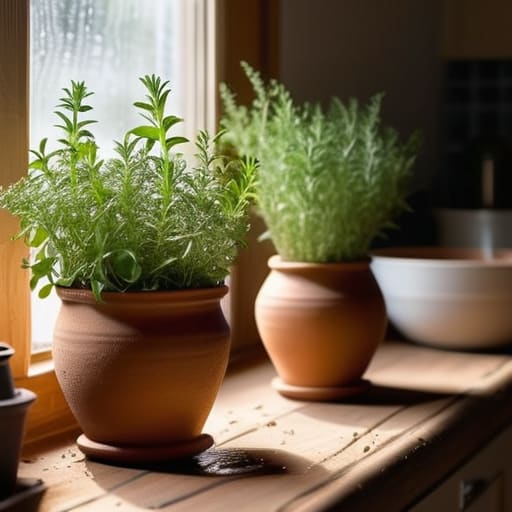
    When I first started trying to grow things in my temporary spaces, I realized that success isn’t about having a massive backyard; it’s about understanding the specific rhythm of your small patch of sky. One of my most important container gardening tips is to never underestimate the weight of your choices. I used to buy these heavy, ornate ceramic vessels only to realize they were far too cumbersome for my nomadic lifestyle. Now, I look for lightweight, breathable terracotta or high-quality resin. Finding the best pots for balcony use means balancing aesthetics with the practical reality of moving them around to chase the light.

    I’ve also learned that my plants are just as sensitive to the environment as I am. Before you buy that lush, tropical fern, take a day to observe the sunlight requirements for balcony plants in your specific corner. Is it a harsh, afternoon-sun situation, or a soft, dappled morning glow? If you’re dealing with a wind-swept terrace, I highly recommend leaning into drought tolerant outdoor plants like rosemary or lavender. They don’t just survive the heat; they actually smell incredible when the sun hits them, turning a simple watering chore into a sensory ritual.

    Chasing Light Understanding Sunlight Requirements for Balcony Plants

    Chasing Light Understanding Sunlight Requirements for Balcony Plants

    Before I started traveling as much as I do, I used to think sunlight was a simple “on or off” switch. I’d buy a lush, leafy fern thinking it would thrive in my bright morning nook, only to watch it wilt within a week. Now, I realize that understanding the specific sunlight requirements for balcony plants is more like reading the rhythm of a city; you have to observe how the shadows move before you commit.

    If your space is tucked away in a narrow alley or shaded by a neighboring building, don’t feel discouraged. You just have to curate your selection differently. I’ve found that focusing on shade-loving greenery can actually create a much more calming, forest-like atmosphere than a sun-drenched terrace. On the flip side, if you have a south-facing spot that bakes from noon until sunset, you’ll want to lean into drought tolerant outdoor plants like lavender or succulents. They don’t just survive the heat; they actually seem to lean into it, finding their strength in the intensity of the light.

    Small Wonders: My Little Rules for Keeping Things Alive

    • Don’t overthink the pots; I’ve found that heavy terracotta is much kinder to my sanity than lightweight plastic, mostly because it doesn’t tip over when the wind picks up between the buildings.
    • I always keep a small bag of organic compost on hand, because even in a tiny space, the soil is the heartbeat of everything you’re growing.
    • Water deeply rather than frequently; it’s better to let the soil dry out a bit so the roots actually have to work for their drink, much like how I prefer a slow, intentional meal over a quick snack.
    • Group your plants by their thirst levels—it makes the daily ritual of watering much more intuitive when you aren’t playing a guessing game with every single leaf.
    • Leave a little room for the unexpected; don’t crowd every inch of the railing, because sometimes the most beautiful part of a balcony garden is the empty space where the afternoon light just hits the floor.

    Bringing the Market Home: My Three Golden Rules

    Think in layers, not just rows; I’ve found that mixing textures—like the soft leaves of basil against the structured stems of rosemary—makes a small space feel like a living, breathing ecosystem rather than a collection of pots.

    Respect the weight of your space; since I move frequently, I always opt for lightweight terracotta or recycled resin containers that don’t compromise the balcony’s integrity but still feel grounded and intentional.

    Prioritize the sensory over the aesthetic; don’t just plant what looks good in a photo, plant what you want to smell when you step outside with your morning coffee—the scent of crushed mint or damp soil is what actually makes a balcony feel like home.

    The Soul of the Small Space

    “A balcony garden isn’t just about the greenery; it’s about that quiet, tactile connection to the earth that stays with you, even when you’re living out of a suitcase and moving between cities.”

    Anouk Verhoeven

    Finding My Roots in the Sky

    Finding My Roots in the Sky garden.

    As I look over my little collection of terracotta pots, I’m reminded that balcony gardening isn’t about achieving some perfect, magazine-ready aesthetic. It’s about the practicalities we’ve discussed—learning the rhythm of the sunlight that hits your railing and choosing the right containers that won’t overwhelm your space. Whether you are struggling with drainage or just trying to figure out which herbs can survive your specific microclimate, remember that every wilted leaf is just a lesson in disguise. It’s a slow, messy process of trial and error, but once you master those small rituals, you stop just “keeping plants alive” and start actually nurturing a living ecosystem right outside your door.

    Ultimately, my balcony has become more than just a way to decorate a rental; it’s become my own tiny, elevated kitchen garden. There is a profound, quiet joy in snipping a few sprigs of fresh basil to toss into a pasta sauce, knowing exactly where it came from. It connects me to the earth in a way that makes even the most crowded city feel a little more grounded and human. So, don’t wait for a backyard or a patch of soil to start your journey. Grab a single pot, some seeds, and let yourself grow alongside them.

    Frequently Asked Questions

    How do I manage watering when I'm traveling between cities for work?

    This is the perennial struggle of the nomad. Since I’m rarely in one place for more than a few weeks, I’ve had to get creative. I rely heavily on self-watering terracotta spikes—they’re simple, functional, and much more reliable than anything else I’ve tried. For longer trips, I’ve learned to curate my balcony around “low-maintenance” companions like succulents or hardy herbs. It’s about choosing plants that thrive on a bit of neglect, much like us.

    Are there specific herbs that thrive in smaller pots without getting root-bound?

    I’ve found that Mediterranean herbs are usually my safest bet when space is tight. Rosemary and thyme are incredibly resilient; they actually prefer a bit of struggle and don’t mind the confined root space. Mint is a powerhouse, but honestly, keep it in its own pot or it’ll stage a coup against your other plants. For me, keeping a small pot of basil nearby is non-negotiable—it’s the quickest way to make a tiny kitchen feel like home.

    How can I tell if my balcony gets enough wind protection for more delicate plants?

    I’ve learned the hard way that wind is often more punishing than the sun. To test it, I simply set a lightweight ribbon or even a few dried flower petals on my ledge for an hour. If they’re constantly dancing or tumbling, your space is likely too exposed for something delicate like basil or ferns. In those cases, I always lean toward sturdier, wind-resistant herbs or look into adding a small, breathable trellis for a bit of a buffer.

  • Current Luxury Travel Trends

    Current Luxury Travel Trends

    I was sitting in a gilded lobby in Florence last month, surrounded by the heavy scent of expensive lilies and polished marble, listening to a group of travelers debate which concierge could secure them a table at a Michelin-starred restaurant that required a six-month waiting list. It felt hollow. We’ve been sold this idea that luxury travel trends are defined by gold-leafed ceilings, private jets, and a total insulation from the world outside the hotel gates. But as I sat there, I realized I was actually craving the smell of toasted spices from the street vendor outside and the chaotic, beautiful energy of a kitchen that actually functions.

    I’m not here to tell you which five-star resorts have the fluffiest pillows or the most exclusive infinity pools. Instead, I want to talk about the shift toward something much more meaningful. I’m going to pull back the curtain on how true luxury is being redefined by access, not just expense—moving away from curated bubbles and toward authentic, sensory connections with the places we visit. If you’re tired of the superficial hype and want to find the soul of a destination through its flavors and quiet corners, you’re in the right place.

    Table of Contents

    Bespoke Travel Experiences Rooted in Local Tradition

    Bespoke Travel Experiences Rooted in Local Tradition

    I’ve noticed a shift in how people define “high-end” lately. It’s no longer about how much gold leaf is on your dessert, but rather about the access you have to stories that aren’t written in any guidebook. I recently spent a week in a small village in the Peloponnese, where the “luxury” wasn’t a spa treatment, but being invited into a grandmother’s kitchen to learn the precise, rhythmic art of folding phyllo dough. This is the heart of bespoke travel experiences—the realization that true exclusivity lies in the moments that cannot be mass-produced or replicated by a hotel chain.

    We are seeing a move toward sustainable luxury tourism that prioritizes depth over decoration. Instead of grand, impersonal resorts, travelers are seeking out stays that feel deeply integrated into the local landscape. It’s about finding a place where the thread count of the linens matters less than the fact that the honey on your breakfast table was harvested from the hives just down the road. It’s a quieter, more intentional way of moving through the world, where the goal is to leave a place feeling a little more connected to its pulse.

    Sustainable Luxury Tourism for the Conscious Soul

    Sustainable Luxury Tourism for the Conscious Soul

    For me, the concept of “luxury” has shifted. It’s no longer about how much gold leaf you can find on a dessert, but about the peace of mind that comes from knowing your presence isn’t draining the place you love. I’ve started seeing a real movement toward sustainable luxury tourism, where the high-end experience is measured by its footprint rather than its price tag. It’s the difference between staying at a massive, soul-less resort and retreating to a small, solar-powered eco-lodge that sources every single herb from the garden right outside your window.

    This isn’t about sacrificing comfort; it’s about a more intentional kind of indulgence. I recently spent a week in a remote coastal village where the ultra-luxury hospitality standards were redefined by the warmth of the community and the preservation of the local ecosystem. Instead of flashy amenities, the real value lay in the seamless connection between the guest and the land. When we choose travel that respects local rhythms, we aren’t just tourists anymore—we become part of a delicate, beautiful cycle of preservation.

    How to Find the Real Soul of a Place (Without the Tourist Traps)

    • Seek out the “slow” version of luxury. Instead of a rushed itinerary, look for stays that encourage you to linger—think a small boutique guesthouse where the owner actually knows which local farmer has the best heirloom tomatoes this week.
    • Prioritize culinary intimacy over grand buffets. The most luxurious meal I’ve had recently wasn’t in a gold-leafed dining room, but in a tiny, family-run kitchen where the menu is dictated by whatever was fresh at the market that morning.
    • Trade the “Instagrammable” for the authentic. It’s tempting to chase the perfect shot, but the real magic happens in the quiet, unpolished corners—the scent of roasting spices in a narrow alleyway or the way light hits a chipped ceramic bowl.
    • Support the local ecosystem, not just the big brands. True luxury today means knowing your money is staying in the community, whether that’s hiring a local guide who grew up in the neighborhood or buying handmade textiles directly from the weaver.
    • Embrace the art of being unobserved. Real travel luxury is the freedom to put the phone away, grab my notebook, and simply exist in a space without feeling the need to perform or document every single second for a crowd.

    The New Definition of Richness

    Luxury is shifting away from gold-plated faucets and toward the scarcity of genuine connection—like a private cooking lesson in a family kitchen rather than a stiff, white-tablecloth dining room.

    True indulgence now means traveling with a lighter footprint, where the most sophisticated experiences are those that respect the local ecosystem and support the people who actually call a place home.

    The most memorable journeys aren’t found in a brochure, but in the quiet, unscripted moments that happen when you step off the beaten path to follow a scent or a local recommendation.

    The Shift from Excess to Essence

    “We’re seeing a quiet revolution in how we define luxury; it’s no longer about the thread count of the sheets or the gold leaf on the dessert, but about the rare, unscripted privilege of a meal shared in a family kitchen, where the only thing more exquisite than the ingredients is the history behind them.”

    Anouk Verhoeven

    The Real Meaning of Modern Luxury

    The Real Meaning of Modern Luxury.

    As we look at how travel is shifting, it’s becoming clear that the definition of luxury is undergoing a profound transformation. It is no longer about the thread count of your sheets or the gold leaf on your dessert; instead, it is about the depth of connection we forge with our surroundings. Whether we are seeking out bespoke traditions that honor local heritage or choosing sustainable paths that protect the very landscapes we admire, the trend is moving toward something far more meaningful. We are trading the superficial for the substantial, prioritizing authentic human encounters and environmental stewardship over mere opulence.

    Ultimately, I’ve learned through my own travels—and through many long afternoons spent in sun-drenched kitchens—that the most exquisite moments are often the quietest ones. The true luxury isn’t something you can buy off a menu; it’s the way a scent from a local market can transport you back in time, or the way a shared meal can bridge a language gap. As you plan your next escape, I hope you look past the glossy brochures and seek out the soul of a place. After all, the most beautiful journeys aren’t measured in miles, but in the stories we carry home with us.

    Frequently Asked Questions

    How can I find these authentic, local experiences without accidentally stumbling into a polished tourist trap?

    It’s a fine line, isn’t it? My rule of thumb is to follow the scent of something real. If a restaurant has a menu translated into five languages and a host standing outside beckoning you in, keep walking. Instead, look for the places where the lighting is a bit dim, the chairs don’t match, and the menu is handwritten. If the locals are there, and they’re loud, you’ve likely found something worth eating.

    Is it actually possible to travel luxuriously while still maintaining a small, sustainable footprint?

    It’s a question I grapple with every time I pack my bag. Honestly? It’s not about how much you spend, but where that money goes. To me, true luxury isn’t a gold-plated faucet; it’s the intentionality of choosing a family-run boutique riad over a massive resort. When we invest in local artisans and eat what’s actually in season, we’re participating in a cycle that respects the land rather than just consuming it.

    What are some ways to connect with local food traditions that don't involve expensive, pre-packaged tasting menus?

    Honestly, skip the curated tasting menus. If you really want to taste a place, follow the scent of woodsmoke or toasted spices to a local morning market. Buy a single, perfect seasonal fruit or a warm pastry from a vendor who’s been there for decades. Better yet, look for “hole-in-the-wall” spots where the menu is handwritten and the locals are congregating. It’s less about the plating and more about the connection to the soil.

  • The Role of Spirituality in Balinese Culture

    The Role of Spirituality in Balinese Culture

    I was sitting on a damp stone step in Ubud, my notebook open to a fresh page, when the smell of burnt incense and bruised jasmine hit me so hard it felt almost physical. It wasn’t the polished, curated “zen” you see in the glossy wellness brochures or the expensive retreats that promise instant enlightenment for a hefty fee. Instead, it was the scent of a real, messy, beautiful moment: a woman in a faded sarong placing a tiny canang sari on a cracked sidewalk, her movements as rhythmic and natural as breathing. To me, balinese spirituality isn’t found in a high-priced yoga sanctuary; it’s woven into the very fabric of the everyday, tucked into the corners of street markets and the steam rising from a roadside food stall.

    I’m not here to sell you a spiritual makeover or a guide to finding your third eye. My goal is much simpler: I want to show you how this profound way of life actually functions in the quiet, unscripted moments of the island. We’re going to look past the tourist-friendly rituals to understand the true heartbeat of the culture through the lens of its people, its food, and its traditions.

    Table of Contents

    Canang Sari Finding Devotion in Small Daily Offerings

    Canang Sari Finding Devotion in Small Daily Offerings

    Every morning, before the heat of the day settles over the village, I watch the local women move through the streets with a quiet, rhythmic grace. They aren’t heading to a temple or a grand ceremony; they are simply tending to the small, woven palm-leaf baskets placed on doorsteps and sidewalks. These daily offerings, known as Canang Sari, are more than just pretty decorations of marigolds and jasmine. To me, they feel like a physical manifestation of a constant, whispered conversation with the divine.

    As I sit on my porch, notebook in hand, I notice how the scent of burning incense drifts through the air, mingling with the damp earth. It’s a sensory reminder of the Tri Hita Karana philosophy—the delicate balance between humans, nature, and the spirit world. There is something deeply grounding about seeing devotion expressed in such small, repetitive acts. It isn’t about the scale of the ritual, but the intention behind it. In these tiny baskets, I see a community that finds meaning not in the monumental, but in the consistent, quiet moments of gratitude that anchor their entire world.

    Tri Hita Karana Philosophy and the Harmony of Life

    Tri Hita Karana Philosophy and the Harmony of Life.

    It wasn’t until I spent a week in a small village near Sidemen that I truly grasped the weight of the Tri Hita Karana philosophy. It’s not just an abstract concept you read about in a guidebook; it’s a living, breathing rhythm. I watched a local farmer meticulously tending to his rice paddies, then pause to offer a quick prayer toward the mountains, and finally share a meal with his family. There is this profound, unspoken understanding that life only works when we maintain balance between the divine, the human community, and the natural world.

    Everything here, even the way a house is built, seems to follow this blueprint. I noticed how the sacred Balinese architecture of the family temples always dictates the flow of the home, creating a physical space for that connection to exist. It’s a constant, gentle tug toward harmony. You feel it in the way people treat the land—not as something to be conquered, but as a partner in a much larger, more delicate dance of existence.

    How to Move Through Bali with Intention and Respect

    • Watch your step on the pavement. Those beautiful little palm-leaf baskets, the Canang Sari, aren’t just decorations; they are active prayers. I’ve learned to scan the ground before I walk, especially near doorways, so I don’t accidentally step on someone’s morning offering.
    • Dress for the temple, not just the heat. It’s not just about modesty; it’s about the energy of the space. I always keep a lightweight sarong tucked into my bag. Wrapping yourself in fabric feels like a quiet way of saying, “I recognize that this place is sacred.”
    • Listen more than you speak. In the markets or at a small warung, the spirituality isn’t always in a grand ceremony; it’s in the way people interact. Instead of rushing to take a photo, I try to sit, observe the rhythm of the morning, and let the atmosphere settle in before I reach for my camera.
    • Respect the quiet boundaries. When you see a ceremony in progress, it’s tempting to lean in for a better angle, but true connection comes from giving people their space. I find that the most profound moments happen when I’m just a quiet observer in the periphery, rather than a centerpiece of the scene.
    • Look for the sacred in the everyday. Balinese spirituality isn’t tucked away in a museum; it’s in the steam rising from a communal rice pot and the way a vendor pauses to light incense. To truly “get” it, you have to stop looking for the spectacle and start looking at the small, repetitive gestures of devotion.

    The Heart of the Matter: What I Carried Away From the Temples

    Spirituality in Bali isn’t a scheduled event or a grand spectacle; it’s a quiet, rhythmic pulse found in the small, intentional acts of daily life, like the placement of a single flower.

    True connection comes from understanding Tri Hita Karana—the delicate, necessary balance between people, nature, and the divine that dictates how a community lives and eats.

    To truly experience the island, you have to look past the polished tourist facades and find the sacred in the messy, beautiful, and everyday moments that happen in the shadows of the shrines.

    The Scent of Devotion

    “Spirituality here isn’t something you find in a grand temple or a heavy book; it’s in the way the air smells of sandalwood and damp earth after a morning offering is placed, a quiet reminder that the sacred exists in the smallest, most repetitive acts of care.”

    Anouk Verhoeven

    The Quiet Rhythm of the Island

    The Quiet Rhythm of the Island.

    As I sit here in a small cafe in Ubud, watching the morning light filter through the palm fronds, I realize that Balinese spirituality isn’t something found only in the grand, soaring spires of a temple. It is much more intimate than that. It’s woven into the delicate geometry of a Canang Sari placed on a doorstep and lived out through the Tri Hita Karana philosophy, which reminds us that we are never truly separate from the earth, our ancestors, or each other. To understand Bali, you have to look past the postcard-perfect landscapes and notice how these small, intentional acts of devotion create a seamless thread of connection between the mundane and the divine.

    Traveling often makes us feel like spectators, watching a culture from behind a lens or a menu. But the true magic of Bali happens when you stop trying to “see” everything and simply start noticing. It’s in the scent of incense drifting through a crowded market or the way a stranger offers a nod of respect to the spirits of the trees. I hope that when you visit, you don’t just chase the monuments, but instead, you seek the quiet rhythms that make this island breathe. After all, the most profound spiritual journeys rarely require a map; they only require us to be truly present in the small, everyday moments.

    Frequently Asked Questions

    How do these daily offerings and rituals actually shape the way people interact with each other in the local markets or small villages?

    It’s in the pauses. In the markets, you’ll see a vendor carefully place a canang sari on their stall before even greeting a customer. It creates this shared, rhythmic respect. There’s no rush; you learn to move around the offerings, not over them. It turns a simple transaction into something more intentional. In the villages, these rituals act as a social glue, reminding everyone that they aren’t just neighbors, but part of a larger, sacred balance.

    Is it possible to respectfully observe these spiritual practices as a visitor without feeling like I'm intruding on something private?

    It’s a question I’ve asked myself a dozen times, usually while clutching my camera and feeling like a bit of an interloper. The key is to move slowly. Instead of rushing to snap a photo, I try to just be there first. Observe the rhythm. If you’re at a temple, dress modestly and keep your voice low. Most of the time, if you approach with quiet curiosity rather than a checklist, the local community welcomes your presence.

    Beyond the beautiful ceremonies, how does the philosophy of Tri Hita Karana influence the way Balinese people approach modern life and the environment?

    It’s not just about the big ceremonies; it’s in the way they navigate the friction of modern life. I’ve seen it in the way farmers manage their water through the subak system, treating irrigation as a sacred communal duty rather than just engineering. Even in busier towns, there’s this conscious effort to weave greenery into architecture. It’s a constant, quiet negotiation to ensure that progress doesn’t sever the ties to the land or the community.

  • Understanding the Mediterranean Diet Benefits

    Understanding the Mediterranean Diet Benefits

    I was sitting in a cramped, sun-bleached cafe in a tiny village outside of Crete last summer, watching an elderly man peel a blood orange with nothing but a pocketknife and a look of pure contentment. It hit me then how much we’ve managed to overcomplicate something so fundamentally simple. Everywhere I turn in my travels, I see wellness influencers trying to sell “Mediterranean lifestyle kits” or expensive, pre-packaged meal plans, as if you need a subscription to understand the actual mediterranean diet benefits. We’ve turned a way of living—one rooted in seasonality and slow, intentional eating—into a transactional commodity that feels more like a chore than a joy.
    I’m not here to give you a clinical lecture or a list of restrictive rules that will leave you feeling deprived by Tuesday. Instead, I want to share what I’ve learned from the dusty markets and the quiet kitchen tables of the coast: how to actually live this way without the pretension. I’ll be stripping away the marketing hype to show you how the real mediterranean diet benefits emerge when you focus on the quality of the soil, the rhythm of the seasons, and the simple magic of a shared meal.

    Table of Contents

    The Nutritional Profile of Mediterranean Cuisine in Every Bite

    The Nutritional Profile of Mediterranean Cuisine in Every Bite

    When I sit down at a small, wooden table in a Greek village, I’m not thinking about macro-nutrients or calorie counting. I’m just watching the way a drizzle of golden, unrefined olive oil transforms a simple bowl of lentils. But that oil—rich in monounsaturated fats—is actually the quiet engine behind the entire way of life here. It’s not about a restrictive regime; it’s about the synergy of ingredients that work together to nourish you from the inside out.

    There is a specific kind of vitality that comes from eating things that haven’t been stripped of their life in a factory. Instead of processed fillers, you find a heavy emphasis on anti-inflammatory foods like leafy greens, fatty fish, and handfuls of walnuts. Every bite feels intentional. When you look closely at the nutritional profile of Mediterranean cuisine, it’s less of a clinical checklist and more of a biological homecoming. It’s the slow-burning energy of fiber-rich legumes and the steady strength found in seasonal vegetables that keeps you feeling grounded, rather than weighed down by the heavy, sugary meals we’ve become so accustomed to in the city.

    Heart Disease Prevention Learned From a Slow Village Meal

    Heart Disease Prevention Learned From a Slow Village Meal

    I remember sitting in a tiny, sun-bleached kitchen in a village outside of Crete, watching an elderly woman drizzle golden olive oil over a bowl of lentils with a reverence usually reserved for something sacred. She wasn’t following a clinical guide; she was simply eating what the land provided. That meal, heavy with legumes and bitter greens, felt like a masterclass in heart disease prevention. It wasn’t about restriction, but about the abundance of monounsaturated fats and fiber that seemed to protect her vitality as much as it did her spirit.

    When we look at the science behind these quiet moments, the connection is undeniable. By prioritizing these naturally occurring anti-inflammatory foods—like fatty fish, nuts, and vibrant vegetables—we aren’t just following a trend; we are mimicking a rhythm of life that keeps the body resilient. It’s a stark contrast to the rushed, processed meals I often see in the cities. There is a profound, quiet strength in a lifestyle where the most important ingredient isn’t a supplement, but the unhurried quality of the food itself.

    Small Shifts for a More Intentional Table

    • Stop treating vegetables like a side dish; in the Mediterranean, they are the main event. I’ve learned that when you center a meal around roasted peppers, eggplant, or leafy greens, the heavy proteins become a luxury rather than a requirement.
    • Make olive oil your primary companion. It isn’t just a cooking medium; it’s a ritual. Swapping out processed spreads for a high-quality, peppery extra virgin olive oil at every meal is the simplest way to invite those healthy fats into your daily rhythm.
    • Embrace the art of the slow snack. Instead of grabbing a granola bar on the go, try reaching for a handful of walnuts or a piece of seasonal fruit. It’s about moving away from mindless grazing and toward eating things that actually grew from the earth.
    • Prioritize the “social” in social eating. Some of the best health benefits I’ve observed don’t come from the nutrients alone, but from the lowered cortisol levels that come with sitting down, putting your phone away, and actually talking to the people across from you.
    • Listen to the seasons. The Mediterranean way is inherently seasonal, which means you’re eating food at its nutritional peak. Try to shop at your local farmer’s market and let the availability of ingredients dictate your menu, rather than forcing a grocery list from a different climate.

    What the Village Table Teaches Us About Living Well

    It’s less about following a rigid set of rules and more about the quality of what you gather; swapping processed convenience for sun-ripened produce and healthy fats like olive oil is where the real magic happens.

    True wellness is found in the rhythm of the meal—slowing down to actually taste your food and sharing it with others is just as vital for your heart as the ingredients on your plate.

    Eating this way is a lesson in seasonality, teaching us to listen to what the earth is offering right now rather than demanding everything, all the time, regardless of the cost to our bodies or the planet.

    More Than Just a Menu

    “We often talk about the Mediterranean diet as if it’s a list of ingredients on a grocery receipt, but after years of sitting in sun-drenched plazas, I’ve realized the real magic isn’t just in the olive oil or the lentils—it’s in the rhythm of the meal itself, the way it forces you to slow down and actually taste the life you’re living.”

    Anouk Verhoeven

    Beyond the Plate: A Way of Living

    Beyond the Plate: A Way of Living

    At the end of the day, the benefits of the Mediterranean way go far beyond a simple checklist of nutrients or a reduction in heart disease risk. It is about the synergy of everything we’ve discussed—the way the healthy fats from olive oil, the vibrant antioxidants from seasonal vegetables, and the slow pace of a shared meal work together to create a sense of total well-being. We aren’t just eating to fuel a body; we are eating to sustain a life that feels connected to the earth and to the people around us. It turns out that nutrition is inseparable from the ritual of eating.

    As I sit here in this small cafe, watching the sunlight hit the cobblestones, I’m reminded that you don’t need to move to a coastal village to embrace this philosophy. You can start right in your own kitchen, by choosing ingredients that actually have a story and by making time to sit down, rather than rushing through a meal at your desk. The Mediterranean diet isn’t a restrictive regime to be conquered; it is an invitation to slow down and savor. It’s a reminder that the most profound healing often happens in the quiet, intentional moments between bites.

    Frequently Asked Questions

    Is it actually possible to replicate this way of eating if I don't live near a coast or have access to fresh, local markets?

    I get this question a lot, usually while I’m sitting in a city that feels a bit too grey and disconnected. Honestly? Yes. You don’t need a seaside view to eat this way. It’s less about geography and more about a mindset. Focus on the staples: good olive oil, legumes, and frozen greens—which are often just as nutritious as fresh. It’s about choosing quality over convenience, even if your “market” is a small corner shop.

    How do I balance the emphasis on healthy fats like olive oil without accidentally overdoing the calories?

    It’s a question I ask myself every time I’m at a market. I don’t look at olive oil as a calorie count to be managed, but as a seasoning to be respected. The trick is to treat it like a precious ingredient rather than a free-for-all. I use it to finish a dish or dress a salad, letting its flavor shine, rather than drowning everything. It’s about quality and intention, not volume.

    Can I still follow these principles if I'm traveling or living in a city where everything is processed and fast-paced?

    It’s the question I ask myself every time I land in a concrete jungle. Honestly? It’s a struggle, but it’s about intention, not perfection. You don’t need a sprawling olive grove to eat well. Look for the small wins: a handful of walnuts from a corner shop, a bag of seasonal greens from a local market, or even just choosing a simple lentil soup over a burger. It’s about finding those tiny, honest ingredients amidst the noise.

  • Exploring the Street Food of Vietnam

    Exploring the Street Food of Vietnam

    I still remember the humidity of Hanoi pressing against my skin, that heavy, electric stillness that only settles right before a monsoon. I was sitting on a stool so low my knees were nearly touching my chin, tucked into a corner of a narrow alleyway that didn’t appear on any Google Map. The air was thick with the scent of charred pork, fermented fish sauce, and the sharp, citrusy sting of lime. That was the moment I realized that searching for the “best” street food vietnam has nothing to do with star ratings or polished websites; it’s about following the steam rising from a dented aluminum pot in a place where the locals are congregating.

    I’m not here to give you a curated list of “must-visit” spots that have been hijacked by influencers and overpriced menus. Instead, I want to take you into the side streets and the quiet, early-morning markets where the real stories are told. My goal is to share the honest, unvarnished truth about what to eat, how to navigate the chaos, and how to find those small, soulful kitchens that make traveling feel like actually living.

    Table of Contents

    The Best Street Food in Hanois Quietest Alleys

    The Best Street Food in Hanois Quietest Alleys

    To find the real magic in Hanoi, you have to lose your sense of direction. I spent a Tuesday afternoon wandering away from the frantic energy of the Old Quarter, ducking into narrow passageways where the sunlight barely hits the pavement. It was in one of these shadowed, labyrinthine alleys that I found a tiny stall, no larger than a walk-in closet, serving nothing but Bún chả. There was no sign, just the intoxicating scent of pork grilling over charcoal and the rhythmic thwack of a knife against a wooden board. This wasn’t a curated tour; it was a raw, authentic Vietnamese culinary experience that felt like stumbling into someone’s private ritual.

    The beauty of these quiet corners is the lack of pretense. You aren’t sitting under neon lights; you’re perched on a stool so low your knees almost touch your chin, sharing space with locals who have likely been eating at the same corner for decades. As I watched an elderly woman expertly balance bowls of dipping sauce and fresh herbs, I realized that these traditional Vietnamese street food dishes are the city’s true heartbeat. They aren’t just meals; they are the quiet, edible stories of Hanoi.

    Seeking an Authentic Vietnamese Culinary Experience

    Seeking an Authentic Vietnamese Culinary Experience.

    To find an authentic Vietnamese culinary experience, you have to learn to trust your senses more than your guidebook. I’ve found that the most rewarding meals don’t happen under bright neon signs, but in the spaces in between—the narrow gaps between colonial buildings or the corner where a grandmother has been simmering the same broth for forty years. It’s about looking for the rhythm of the locals: the way they gather around low tables, the specific clinking of ice in glasses, and the sheer, unhurried joy of a midday meal.

    Of course, navigating these sensory-heavy environments can feel a bit daunting if you’re worried about stomach upsets. I always keep a few personal Vietnamese food safety tips for travelers in my notebook, like choosing stalls with high turnover and watching how the ingredients are handled. But honestly? The real secret is following the steam. When you see a crowd of locals huddled around a single steaming pot, you’ve likely found the must-try Vietnamese street snacks that define the region. It’s in these unpolished, crowded moments that the true heart of the country reveals itself.

    A Few Rules of the Road (and the Stool)

    • Follow the steam and the crowds. If a stall has a line of locals weaving between motorbikes, don’t overthink it. That turnover is your best guarantee that the ingredients are fresh and the flavors are dialed in.
    • Embrace the plastic stool. There’s a certain humility in sitting just inches off the ground, shoulder-to-shoulder with someone you can’t communicate with. It’s the best seat in the house for observing the rhythm of the street.
    • Don’t fear the ice, but be observant. In most bustling cities, the ice comes from reliable factories in standardized shapes, but if you’re ever in a pinch in a more remote village, stick to bottled water and let the heat of the broth do the work.
    • Keep a small amount of cash tucked away. These tiny, family-run stalls rarely have the luxury of card readers, and there is something deeply satisfying about paying for a steaming bowl of Bún chả with a few crumpled notes.
    • Trust your nose. I always keep my notebook handy to jot down the scents of a market, but your nose is your best guide. If a stall smells of toasted star anise, charred pork, or fresh lime, you’re exactly where you need to be.

    Lessons from the Sidewalk

    Follow the steam, not the signs; the most meaningful meals are usually found where the locals are crowded around low plastic stools, far from the glow of English-language menus.

    Trust your senses over your guidebook; if a stall smells of charred lemongrass and fermented fish sauce, you’ve likely found a kitchen with a story worth hearing.

    Embrace the beautiful chaos of the street; the true essence of Vietnamese culture isn’t found in a curated dining room, but in the shared, noisy, and delicious rhythm of a sidewalk breakfast.

    The Language of the Street

    You can learn more about the heartbeat of a city from the rhythmic clinking of a soup spoon against a ceramic bowl in a crowded alley than you ever could from a guidebook or a museum exhibit.

    Anouk Verhoeven

    The Last Bite

    Street food ritual: The Last Bite.

    As I pack my notebook away, the lingering scent of star anise and charred lemongrass still clinging to my clothes, I realize that finding the best street food in Vietnam isn’t about checking boxes on a list. It’s about the willingness to veer away from the bright lights of the main thoroughfares and follow your nose into those narrow, humid corridors. Whether it was that steaming bowl of phở in a hidden Hanoi lane or the crunch of a perfectly balanced banh mi from a roadside cart, the lesson remains the same: the real heartbeat of this country isn’t found in a guidebook, but in the shared, messy, and beautiful ritual of eating on the street.

    If you find yourself navigating these bustling cities, I urge you to leave the polished dining rooms behind. Don’t be afraid of the low plastic stools or the chaotic symphony of motorbike horns; that noise is simply the soundtrack to something authentic. Travel is often measured in miles, but I’ve learned that it is most deeply felt in the quiet, sensory connections we make over a shared meal. So, sit down, lean in, and let the flavors tell you their story. Because in the end, we don’t just travel to see new places—we travel to truly taste them.

    Frequently Asked Questions

    How do I know which street stalls are actually safe to eat at without feeling like I'm taking a massive risk?

    It’s the question that kept me up at night during my first month in Southeast Asia. Honestly? I look for the crowds. If a stall has a high turnover—locals coming and going, steam constantly rising—it means the ingredients aren’t sitting around. I also watch the prep; if the cook is handling money and then touching the herbs, I move on. Trust your nose, watch the flow, and follow the locals.

    Is there a specific time of day or certain neighborhoods where the best food markets tend to peak?

    If you’re looking for that sweet spot, aim for the early morning—around 6:00 AM—to catch the breakfast rush when the steam is thickest and the ingredients are freshest. For dinner, head to the residential districts like Tay Ho or the bustling corners of District 4 in Saigon. That’s when the evening markets truly wake up. Just follow the scent of charcoal and the sound of heavy cleavers; that’s where the magic happens.

    Do I need to carry a lot of cash for these small vendors, or are people starting to use digital payments in the back-alley spots?

    Stick to cash. While you’ll see QR codes in the bigger shops in Saigon or Hanoi, those tiny, steam-filled stalls I love? They run on paper bills. I always keep a stash of small denominations tucked in my notebook—it makes things much smoother when you’re trying to pay for a bowl of bun cha without hunting for change. Trust me, having physical Dong ready is the best way to keep the momentum going.

  • Tips for Living in a Small Apartment

    Tips for Living in a Small Apartment

    I remember sitting on the floor of a studio in Lisbon last autumn, the smell of toasted sourdough and damp stone drifting through my open window, trying to figure out where my life could possibly fit. I had three suitcases, a collection of film cameras, and a single, mismatched wooden chair, yet I felt completely overwhelmed by the sheer friction of my surroundings. We’ve been sold this lie that small apartment living requires a curated, beige-toned museum existence where every object is a sculptural masterpiece. But let’s be honest: most of us aren’t living in a lifestyle magazine; we are just trying to find enough counter space to chop an onion without knocking over our coffee.

    I’m not here to sell you on expensive, minimalist organizers that look pretty but serve no purpose. Instead, I want to talk about how to make a cramped space actually work for the way you live, eat, and breathe. I’ll be sharing the messy, practical realities of carving out a sanctuary when your square footage is limited, focusing on intentionality over aesthetics. We’re going to look at how to keep your soul in the room without letting the clutter swallow you whole.

    Table of Contents

    The Quiet Joy of Decluttering Small Homes

    The Quiet Joy of Decluttering Small Homes

    There is a specific kind of clarity that comes when you finally stop fighting against your own four walls. When I first moved into my current studio, I felt like I was constantly tripping over my own life—too many books, too many half-finished projects, too much noise. I realized that decluttering small homes isn’t just about cleaning; it’s about deciding what actually deserves to occupy your mental and physical space. It’s a slow, almost meditative process of deciding what tells a story worth keeping and what is just taking up room.

    I’ve learned to stop looking for more floor space and start looking up. Instead of letting things pile up on every flat surface, I’ve leaned heavily into vertical storage solutions, like floating shelves that hold my ceramics without crowding my workspace. It changes the energy of the room. When you clear the visual clutter, you finally have the breathing room to actually enjoy the quiet moments—like sipping a coffee while the morning light hits a single, well-placed vase. It’s about making room for the life you actually want to live.

    Minimalist Decor for Small Spaces and Slow Living

    Minimalist Decor for Small Spaces and Slow Living

    When I move into a new space, I try not to bring a museum’s worth of things with me. Instead, I look for pieces that feel intentional. I’ve learned that minimalist decor for small spaces isn’t about living in a sterile white box; it’s about choosing objects that actually have a pulse. I might hang a single, weathered map from a city that changed me, or place a ceramic bowl I found in a seaside market on a bare wooden table. These items don’to just fill a void; they anchor the room.

    The real trick to maintaining that sense of calm is being smart about how things occupy the air around you. Since I’m usually working from a corner of my living room, I rely heavily on vertical storage solutions to keep my notebooks and camera gear from swallowing my desk. I’ve also become a devotee of multifunctional furniture ideas, like a sturdy trunk that serves as both a coffee table and a place to hide my seasonal linens. It’s about creating a landscape that breathes, allowing the room to feel less like a storage unit and more like a sanctuary.

    Finding the Rhythm in a Tight Space

    • Invest in furniture that works as hard as you do; I’ve found that a sturdy wooden table which doubles as a workspace and a dinner spot saves so much mental clutter.
    • Let your walls do the heavy lifting, but keep it intentional—hanging a single, meaningful landscape photograph creates depth without making the room feel like it’s closing in on you.
    • Shop your own kitchen for multi-purpose tools, because in a small studio, a single heavy cast-iron skillet is worth more than a drawer full of specialized gadgets you’ll never use.
    • Use textiles to define your zones, like a soft linen rug to separate the sleeping nook from the living area, creating a sense of “rooms” without the need for actual walls.
    • Embrace the seasonal rotation, just like I do with my wardrobe, by tucking away heavy winter blankets and bulky items in slim bins when the light changes and the air turns warm.

    Making Room for What Matters

    Treat your belongings like a curated collection rather than a stockpile; if an object doesn’t serve a purpose or hold a meaningful story, it’s just taking up precious mental and physical space.

    Prioritize multi-functional pieces that work hard for you, much like a well-loved travel kit, to ensure your home feels intentional rather than cramped.

    Focus on the sensory experience of your space—the way light hits a corner or the scent of a single candle—to create a sense of expansiveness that square footage alone can’t provide.

    The Soul of the Square Footage

    Living in a tiny studio feels a lot like a crowded market stall—you learn to find the beauty in the squeeze and keep only the things that actually tell a story.

    Anouk Verhoeven

    Finding the Heart of the Home

    Finding the Heart of the Home.

    Ultimately, living in a small space isn’t about what you’re forced to give up, but about what you choose to keep. We’ve talked about the mental clarity that comes from decluttering and how a few intentional, minimalist pieces can turn a cramped room into a sanctuary. It’s a shift from seeing square footage as a limitation to seeing it as a curated canvas. When we stop trying to fill every empty corner with “stuff,” we finally leave enough room for the things that actually matter—the steam rising from a morning cup of coffee, the light hitting a single ceramic vase, or the space to simply breathe.

    I’ve learned through years of moving between different cities that a home shouldn’t be a museum of things we once owned, but a living, breathing reflection of who we are right now. Whether you are in a tiny studio in Berlin or a sun-drenched flat by the coast, your space should serve your soul, not your clutter. Don’t be afraid of the empty spaces; they are often where the most meaningful moments happen. After all, a home is less about the walls that surround us and more about the quiet intention we bring to the life we lead inside them.

    Frequently Asked Questions

    How do you keep a tiny kitchen from feeling chaotic when you're actually trying to cook real, seasonal meals?

    I’ve learned that a tiny kitchen only feels chaotic when you try to cook like you have a chef’s pantry. I keep my counters clear of everything except what I’m using right now—usually just a heavy wooden board and a single sharp knife. I rely on “mise en place” as a way of life; prepping my seasonal vegetables in small bowls before I even turn on the heat keeps the madness at bay.

    Are there ways to make a small space feel more like a home and less like a temporary transit lounge?

    It’s easy to let a small place feel like a hotel room, especially when you’re moving frequently. To stop the “transit lounge” feeling, focus on sensory anchors. Bring in things that carry history—a worn ceramic bowl from a market in Oaxaca or a stack of well-loved cookbooks. Even a single, fragrant herb plant on a windowsill can ground you. It’s about layering textures and scents that make the space feel lived-in, not just occupied.

    How do you balance the need for functional minimalism with the desire to keep meaningful objects and souvenirs from your travels?

    I’ve learned to treat my belongings like a curated museum exhibit rather than a storage unit. I don’t keep every ceramic bowl from a market in Oaxaca; I choose the one that feels right in my hands. If a souvenir doesn’t spark a specific sensory memory—like the smell of rain on a cobblestone street—it doesn’t earn a spot on my shelf. I prioritize objects that serve a purpose and tell a story.

  • How Tapas Traditions Shape Spanish Social Life

    How Tapas Traditions Shape Spanish Social Life

    I can still smell the sharp, vinegary sting of pickled peppers and the heavy scent of fried calamari clinging to my denim jacket from that rainy Tuesday in Seville. I was tucked into a corner of a bar so small my elbows brushed a stranger’s, watching the way a single plate of patatas bravas could spark a conversation between two people who didn’t speak a word of the same language. It’s in these cramped, noisy spaces that you actually encounter the heart of tapas traditions, far away from the polished, overpriced “tasting menus” designed specifically to drain a tourist’s wallet.

    I’m not here to give you a curated list of the most Instagrammable spots in Madrid. Instead, I want to pull back the curtain on how eating actually works in these streets. I’ll show you how to navigate the unwritten rules of the bar counter, how to spot a real neighborhood haunt from a mile away, and why the best meals often come on a small ceramic plate rather than a silver platter. Consider this your guide to finding the real soul of the kitchen, one shared bite at a time.

    Table of Contents

    Spanish Culinary Culture in a Shared Small Plate

    Spanish Culinary Culture in a Shared Small Plate.

    There is a specific kind of electricity in a Spanish bar around 9:00 PM. It isn’t the polished, curated energy of a fine-dining establishment; it’s the chaotic, beautiful hum of social eating customs in Spain unfolding in real time. You’ll see friends leaning over marble counters, their elbows brushing against strangers, all united by the ritual of the small plate. It’s rarely about a single, heavy meal. Instead, it’s a continuous stream of movement—a glass of vermouth here, a plate of Manchego there, and a constant flow of conversation that never seems to hit a pause button.

    I’ve learned that navigating this landscape requires a bit of intuition. You might find yourself caught in the subtle debate of tapas vs pinchos, realizing that while one is a snack served on a small plate, the other is often a more substantial, bread-based creation perched on a napkin. Whether you are sampling regional tapas specialties like salt-cured anchovies in the south or creamy cheeses in the north, the goal is always the same: to eat small, move often, and let the food be the bridge between you and the person sitting on the stool next to you.

    Tapas vs Pinchos Decoding the Local Language of Flavor

    Tapas vs Pinchos Decoding the Local Language of Flavor

    If you’ve spent any time wandering through the narrow, cobblestone streets of San Sebastián, you’ve likely realized that the terminology can get a little blurry. People often use the terms interchangeably, but if you want to navigate the local scene like a regular, it’s worth noting the distinction. While tapas vs pinchos might seem like a pedantic debate to a tourist, it’s actually a window into how different regions approach their food. Tapas are generally small portions—think a bowl of Marcona almonds or a slice of tortilla—served to accompany a drink. They are the heartbeat of social eating customs in Spain, meant to be shared casually while standing near the bar.

    Pinchos, on the other hand, feel a bit more substantial and architectural. Usually found in the north, these are often small slices of bread topped with something exquisite, held together by a toothpick. There is a certain ritual to it; you grab what looks good, and at the end of the night, the server counts your sticks to determine the bill. It’s less about a formal meal and more about the joy of the hunt through a crowded, lively tavern.

    How to Eat Like You Actually Belong There

    • Don’t be afraid of the noise. In the best tapas bars, the air is thick with clinking glasses and overlapping conversations; if it feels too quiet or polished, you’ve probably wandered into a tourist trap.
    • Follow the movement, not the menu. If you see a group of locals standing shoulder-to-shoulder at a narrow wooden counter, join them. That’s where the freshest ingredients—and the best stories—are usually hiding.
    • Master the art of the “ronda.” Instead of sitting down for one massive meal, treat your evening like a slow wander. Grab one small plate and a drink at one spot, then move to the next. It’s the only way to truly taste the neighborhood.
    • Keep your eyes on the bar, not the table. Some of the most iconic tapas are served right on the counter, meant to be eaten standing up with your hands. It keeps the energy high and the experience tactile.
    • Learn the rhythm of the hour. There’s a specific, beautiful chaos that happens right at the transition from afternoon to evening; that’s when the kitchens are most alive and the energy of the street is at its peak.

    The Heart of the Tapas Experience

    Forget the concept of a formal meal; tapas are about the rhythm of the street, moving from one dim-lit corner to the next as the evening unfolds.

    Don’t let the terminology intimidate you—knowing the subtle difference between a tapa and a pincho is just a way to better navigate the local landscape.

    The true soul of Spanish dining isn’t found in a guidebook, but in the shared plates and loud conversations that happen when you step away from the tourist tracks.

    The Ritual of the Shared Plate

    “Tapas aren’t just small portions of food; they are a way of slowing down. It’s that specific, beautiful chaos of a crowded bar where the scent of toasted garlic meets the sound of clinking glasses, reminding you that the best way to truly meet a city is to sit down and share its flavors, one bite at a time.”

    Anouk Verhoeven

    The Last Bite

    Sharing tapas during The Last Bite.

    At the end of the day, navigating the world of tapas isn’t about memorizing a list of regional specialties or perfectly distinguishing a pincho from a tapa. It’s about understanding that these small plates are actually vessels for connection. Whether you are standing shoulder-to-shoulder in a crowded Seville bar or sitting quietly at a wooden counter in San Sebastián, you are participating in a ritual that prioritizes the shared experience over the individual meal. It is a way of eating that demands you slow down, look around, and embrace the beautiful chaos of a communal table.

    As I pack my notebook and prepare for my next flight, I’m reminded that the most profound travel stories rarely happen at the landmarks. They happen in the salt on your fingers after a plate of fried anchovies and the low hum of conversation in a dimly lit corner. Don’t be afraid to wander down that narrow, unlit alleyway or sit at the bar where no one speaks your language. If you follow the scent of toasted garlic and warm bread, you’ll find it: the true heartbeat of a culture is almost always found in the small, delicious moments we share with strangers.

    Frequently Asked Questions

    If I'm traveling through different regions, how do the tapas traditions change between the north and the south of Spain?

    It’s a world of difference. Down south, in places like Seville, tapas are a social heartbeat—you’re often standing in a crowded, sun-drenched bar, sharing a plate of fried fish or salty olives while navigating the heat. But head north to the Basque Country, and it becomes more about the pincho. It’s more structured, often more experimental, and centered around those incredible little crusty bread bites that define the coastal spirit.

    Is there a specific etiquette I should follow when ordering tapas in a crowded, local bar to avoid being disrespectful?

    Honestly, the best way to show respect is to lean into the chaos. Don’t expect a formal waiter to hover; in these crowded spots, you often order at the bar. Catch the bartender’s eye, keep your gestures small, and try not to hog the counter. Most importantly, don’t be precious about space. If you’re squeezing in next to a local, a quick nod is all you need. Just flow with the rhythm of the room.

    How do I know if a place is a genuine local spot versus a tourist trap when it comes to the tapas menu?

    Look for the signs that don’t require a translation app. If the menu is a glossy, laminated sheet with photos of every dish, keep walking. I always look for the places where the tables are crowded, the lighting is a bit dim, and the menu is scrawled on a chalkboard in messy handwriting. If you hear more Spanish than English, and the waiters aren’t hovering, you’ve likely found something real.

  • Finding Hidden Gem Locations for Your Next Trip

    Finding Hidden Gem Locations for Your Next Trip

    I’ve spent a good portion of my life chasing the feeling of being truly present in a new place, but lately, I’ve noticed how much of travel has become a repetitive loop of the same polished, Instagrammable landmarks. It feels like we’re all following the same digital breadcrumbs, often missing the very soul of a city in our rush to check a box. Finding true hidden gem locations isn’t just about avoiding the crowds; it’s about finding those rare, unscripted moments where a culture actually breathes. I’ve learned that the most profound connections rarely happen in front of a monument, but rather in the quiet, dusty corners where the locals actually live and eat.

    In this post, I’m pulling back the curtain on five specific places that have left a lasting imprint on my notebook and my heart. I won’t be pointing you toward any curated tourist hubs; instead, I’m sharing five spots where you can really sink your teeth into the local life. From the scent of woodsmoke in a mountain village to the rhythmic chaos of a seaside market, these are the places that offer a glimpse into the authentic pulse of a destination. Get ready to look past the postcards.

    Table of Contents

    The Scent of Saffron in the Medina

    The Scent of Saffron in the Medina.

    Most people arrive in Marrakech and head straight for the bright lights of the main square, but I prefer to lose myself in the labyrinthine side streets of the northern Medina. There is a specific moment, usually just as the sun begins to dip, when the air thickens with the scent of toasted cumin and dried rose petals. I always pull out my notebook here; the smell of the spice stalls is so layered it feels like a physical weight against your skin.

    Morning Mist and Miso in Kanazawa

    Morning Mist and Miso in Kanazawa.

    While everyone else is fighting for a view of the temples in Kyoto, I find myself drifting toward the quiet, coastal atmosphere of Kanazawa. There is a certain melancholy beauty to the way the morning mist clings to the old wooden machiya houses. It feels less like a destination and more like a living, breathing museum that doesn’t realize it’s being watched.

    Salt Air and Slow Simmering in Essaouira

    Salt Air and Slow Simmering in Essaouira.

    There is a ruggedness to the Atlantic coast of Morocco that the more manicured resorts simply can’t replicate. In Essaouira, the wind carries a constant, sharp tang of salt that seems to settle in your hair and your clothes almost immediately. I love the way the blue-and-white walls look when they are slightly weathered by the sea spray, stripped of any pretension.

    The Quiet Hearth of the Alentejo

    Portugal has a way of revealing its soul through its landscapes, but I found mine in the rolling, sun-baked hills of the Alentejo. It is a region of vast horizons and stark, beautiful simplicity, where time seems to stretch out like the shadows of the cork trees at dusk. It’s the kind of place that demands you put your phone away and just listen to the wind.

    Hidden Courtyards in Tbilisi

    Tbilisi is a city of layers, where Soviet architecture clashes with ancient churches and modern glass structures. But the real magic happens when you step through a heavy, peeling wooden door and find yourself in a hidden courtyard. These shared spaces are the lungs of the city, filled with hanging laundry, climbing vines, and the low hum of neighbors catching up over coffee.

    How to Find the Soul of a New City

    Stop following the maps and start following your senses; the most authentic experiences usually hide behind the scent of woodsmoke or the sound of a busy, unscripted kitchen.

    True connection happens in the quiet, unpolished corners—look for the places where locals linger, not where tourists queue.

    Travel is less about checking off landmarks and more about understanding the rhythm of a place through its food, its markets, and its everyday rituals.

    Finding the Soul of a Place

    “The most profound stories aren’t found in the monuments we see on postcards, but in the steam rising from a nameless street stall or the way a stranger offers you a seat in a crowded, quiet kitchen. A ‘hidden gem’ isn’t just a location; it’s any place where you can finally hear the city breathing.”

    Anouk Verhoeven

    The Real Journey Begins

    Looking back at these five spots, it’s clear that the magic isn’t found in a guidebook’s top ten list or a perfectly curated Instagram feed. Whether it was the scent of charred corn in that nameless alleyway or the way the light hit the chipped tiles of a family-run bistro, these places reminded me that the most profound connections happen when we stop performing and start observing. It’s about trading the polished tourist routes for the grit and warmth of a local market, and realizing that the best way to truly map a city is through its flavors and quiet rhythms.

    As I pack my notebook and prepare for my next flight, I find myself thinking less about the landmarks I need to check off and more about the stories waiting in the steam of a morning coffee. Travel shouldn’t be a checklist; it should be a way to feel more awake to the world around us. So, the next time you find yourself in a new city, I urge you to put the map away for an hour. Let your curiosity—and perhaps your appetite—lead the way, because the true heart of a culture is almost always found in its most unassuming corners.

    Frequently Asked Questions

    How do I know if a place is actually a local favorite or just a clever marketing trap?

    Look for the things that don’t show up on a polished Instagram feed. If the menu is only in the local language and the chairs look a little mismatched, you’re likely on the right track. I always check for the “noise” level—not loud music, but the hum of actual conversation. If the people eating there aren’t looking at their phones, but are instead leaning in to talk over their plates, you’ve found something real.

    Is it difficult to navigate these smaller, less-documented spots without a formal guide?

    Honestly, it can be a little intimidating at first. Without a guide, you’re relying more on intuition and a decent map than a curated itinerary. But that’s actually where the magic happens. You’ll find yourself asking a local for directions or stumbling upon a tiny bakery just because you followed a scent. It requires a bit more patience and a willingness to get lost, but that’s usually when the best stories begin.

    How can I make sure I'm being a respectful traveler when visiting these quiet, everyday corners of a community?

    It’s a question I ask myself every time I pull out my camera or a notebook. The key is to remember you’re a guest in someone else’s living room, not a spectator in a museum. Slow down. Instead of rushing to snap a photo, try sitting quietly first. Buy a coffee, make eye contact, and let the rhythm of the place settle into you. If you lead with curiosity rather than consumption, the respect follows naturally.

  • The Benefits of Community Gardening

    The Benefits of Community Gardening

    I was kneeling in a patch of damp, dark earth in a narrow alleyway in Marseille, my fingers stained with grit and the sharp, peppery scent of crushed basil, when it finally clicked. I wasn’t just growing herbs; I was participating in a quiet, rhythmic conversation with the people around me. Most people think community gardening is some polished, aesthetic lifestyle trend designed for curated Instagram feeds, but that’s a lie. The reality is much messier—it’s about bruised knees, shared watering cans, and the unfiltered chaos of trying to make something grow in a concrete jungle.

    I’m not here to give you a sanitized manual on urban horticulture or sell you on some expensive, boutique seed starter kit. Instead, I want to share what I’ve learned from the dirt up: how these small, shared plots actually function as the beating heart of a neighborhood. I’ll walk you through the practical, unglamorous side of getting involved, from navigating local politics to the simple joy of trading a surplus of radishes for a bit of local wisdom. This is about finding real connection through the soil, one harvest at a time.

    Table of Contents

    Nurturing Neighborhood Food Security in Small Urban Plots

    Nurturing Neighborhood Food Security in Small Urban Plots

    It’s easy to look at a tiny, reclaimed patch of dirt between two brick apartment buildings and see nothing but a patch of weeds. But when I sat down with Elias, a man who has tended this specific corner for a decade, he showed me how these small pockets are actually the backbone of neighborhood food security. He wasn’t talking about feeding a whole city, but about the dignity of knowing that the kale and radishes on your table didn’t travel three thousand miles in a refrigerated truck. These plots turn “food deserts” into something tangible, ensuring that even in the densest concrete jungles, fresh produce isn’t a luxury reserved for those with a zip code that supports high-end grocers.

    Beyond the harvest, there is a quiet, rhythmic strength in shared garden management. I watched a group of teenagers helping an elderly neighbor prune her tomato vines, a seamless exchange of energy that felt more vital than any urban planning seminar. By integrating sustainable urban agriculture into our daily lives, we aren’t just growing vegetables; we are building a resilient, localized network that keeps the community’s pulse steady, even when the world outside feels increasingly disconnected.

    The Quiet Magic of Therapeutic Horticulture and Shared Soil

    The Quiet Magic of Therapeutic Horticulture and Shared Soil.

    There is a specific kind of silence that exists in a garden, even one tucked between concrete apartment blocks. It isn’t a void, but rather a soft, rhythmic hum of bees and the scrape of a trowel against earth. Last Tuesday, I sat near the rosemary bushes, watching an elderly man meticulously prune tomato vines. He wasn’t just tending to plants; he was practicing a form of therapeutic horticulture that seemed to steady his breathing and slow the frantic pace of the city around him.

    In these small, shared spaces, the act of digging becomes a way to ground yourself when the world feels too loud. There is a profound, unspoken bond formed through shared garden management, where the struggle to keep a stubborn patch of kale alive becomes a common language. You realize that you aren’t just growing vegetables; you are cultivating a sense of belonging. It’s in these quiet, dirt-under-the-fingernails moments that the true communal garden benefits reveal themselves—not as statistics on a city planning report, but as a shared, living pulse that makes a neighborhood feel like a home.

    A Few Notes from the Dirt: How to Actually Get Started

    • Don’t go it alone. The soul of a community garden isn’t the vegetables; it’s the people. Find a local plot, show up, and listen more than you talk. Most gardeners are more than happy to share their secrets if you ask with genuine curiosity.
    • Start small and keep it simple. It’s tempting to try and grow an entire heirloom orchard in your first season, but I’ve learned the hard way that a few sturdy pots of basil and some hardy kale are much more rewarding than a neglected patch of ambitious, dying tomatoes.
    • Learn the rhythm of your specific soil. Every neighborhood has its own microclimate and its own quirks. Spend your first few weeks just observing—how the light hits the corner at noon, or how the wind whips through the alley—before you even think about digging.
    • Embrace the mess. A perfect, sterile garden is a dead garden. Real community plots are full of weeds, uneven paths, and unexpected visitors. Let the space breathe; the most interesting things usually grow in the gaps you didn’t plan for.
    • Pack the essentials. If you’re heading down to a shared plot, bring more than just your gloves. A small notebook to jot down what’s blooming, a decent camera for those fleeting golden hours, and maybe a little extra water to share with a neighbor can go a long way.

    What the Soil Taught Me

    Community gardens are more than just patches of green; they are living, breathing maps of a neighborhood’s heritage, where a single heirloom tomato can spark a conversation about family history and migration.

    Beyond the harvest, these spaces offer a rare, slow rhythm in a fast-paced city, teaching us that true connection often requires the patience to let things grow at their own pace.

    When we invest in communal plots, we aren’t just growing food; we are reclaiming our right to know where our nourishment comes from and who we are sharing it with.

    More Than Just Vegetables

    “There is a specific kind of intimacy that happens when you’re both kneeling in the dirt, hands stained with soil, realizing that a single shared plot of land can feed a neighborhood’s stomach and its soul all at once.”

    Anouk Verhoeven

    More Than Just a Harvest

    Community garden: More Than Just a Harvest.

    Looking back at everything we’ve discussed, it’s clear that these small, patchworked plots of land are doing so much more than just producing a few extra kilos of kale or heirloom tomatoes. They are practical lifelines for urban food security, offering a way to bypass the sterile aisles of a supermarket, and they serve as vital, grounding spaces for our own mental well-being. When we step into a community garden, we aren’t just tending to plants; we are tending to the social fabric of our neighborhoods, turning concrete corners into places where people actually see and recognize one another.

    As I sit here in my notebook, trying to capture the scent of damp earth and crushed mint, I’m reminded that the most profound connections aren’t always found in grand monuments or famous museums. Sometimes, they are found in the dirt under our fingernails and the shared silence of a morning spent weeding alongside a stranger. I hope that the next time you pass a fence draped in climbing beans or see a cluster of raised beds in a vacant lot, you don’t just see a hobby. I hope you see an invitation to belong.

    Frequently Asked Questions

    How much time and space do I actually need to commit to a plot if I'm just starting out?

    Honestly, I used to think you needed a sprawling backyard and a full-time commitment to make this work, but that’s a recipe for burnout. Start small. Even a single raised bed or a few sturdy pots on a sunny windowsill can be enough to get your hands dirty. Aim for maybe two hours a week—mostly just watering and a bit of weeding—and see how it feels. It’s about the rhythm, not the scale.

    Is there a way to join these gardens if I don't have a green thumb or much gardening experience?

    Honestly, don’t let a lack of “green thumb” stop you. Most of these spaces thrive on people who are willing to show up rather than those who already know everything. I’ve spent many afternoons in community plots just helping with the heavy lifting—moving mulch or weeding—and learned more from the regulars than any textbook. Just show up, offer a hand, and listen. The soil has a way of teaching you as you go.

    How do these small urban plots actually manage to provide enough food to make a difference in a neighborhood?

    It’s not about feeding the whole city, but it’s about more than just a few salads. These plots work through sheer, concentrated density. By using vertical planters and intensive companion planting, a tiny patch of dirt can produce a surprising amount of high-yield greens, herbs, and seasonal veggies. It’s less about massive harvests and more about filling the gaps—ensuring a neighbor has fresh basil for their sauce or tomatoes that actually taste like something.