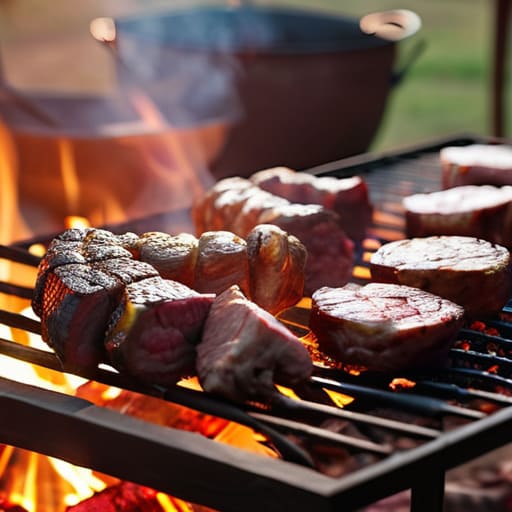
I can still smell it if I close my eyes: that heavy, intoxicating mix of woodsmoke, salt, and sun-warmed earth that clings to your skin long after the sun has gone down. I remember sitting on a low plastic chair in a dusty backyard outside of Stellenbosch, watching a man move with practiced, quiet grace around a pile of glowing embers. There were no fancy sous-vide machines or expensive kitchen gadgets in sight—just a cast-iron grid, some local spices, and the rhythmic crackle of kameeldoring wood. That was my first real introduction to the south african braai, and it taught me more about hospitality than any five-star dining experience ever could. It wasn’t about the spectacle; it was about the unhurried ritual of waiting for the coals to be just right.
I’m not here to give you a sanitized, tourist-friendly version of how to cook over a fire. Instead, I want to pull back the curtain on what makes this tradition actually work. I’ll share the honest, unpolished essentials—from choosing the right wood to the social etiquette that you won’t find in a guidebook—so you can move past the hype and find the true heart of the flame.
Table of Contents
Charcoal vs Wood Braai Choosing the Scent of Home
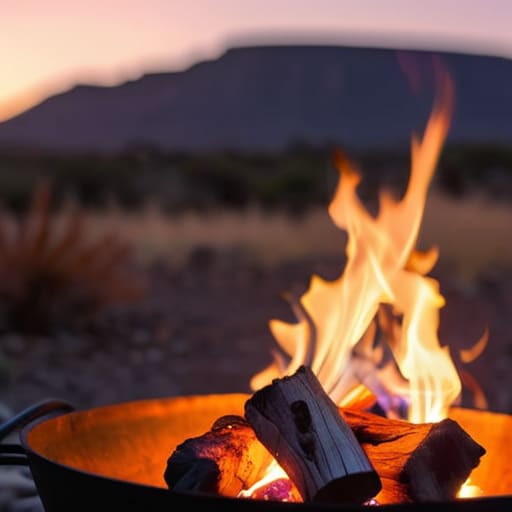
If you ask any local, you’ll quickly realize that the debate over charcoal vs wood braai isn’t just about convenience; it’s about the very soul of the fire. When I first sat around a pit in the Karoo, I realized that charcoal is the choice for the impatient or the urbanite—it’s predictable, clean, and provides a steady heat that’s perfect for quick searing. But there is a certain efficiency to it that lacks the poetry of the alternative.
For me, nothing compares to the ritual of using hard wood. There is a specific, intoxicating aroma that clings to your clothes and hair when you cook over glowing embers of kameeldoring or sekelbos. It’s a slow, meditative process that dictates the pace of the entire evening. This patience is deeply woven into the south african social culture; you don’t just “cook” a meal, you inhabit the space around the flames. The wood doesn’t just heat the meat; it seasons the air, turning a simple dinner into a sensory memory that stays with you long after the embers have cooled.
Braai Meat Types and the Art of South African Outdoor Cooking
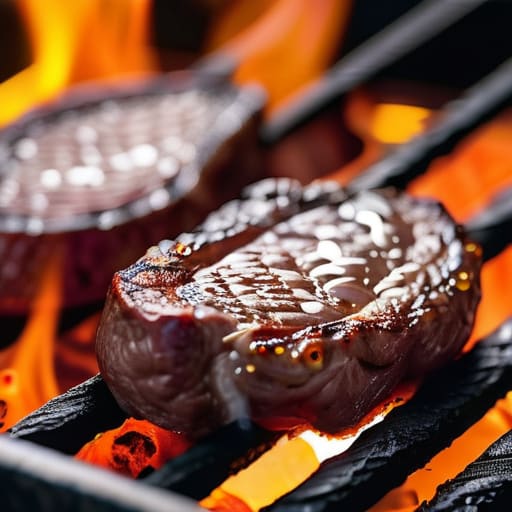
When you finally get close enough to the heat, the sheer variety of braai meat types can feel a bit overwhelming if you aren’t prepared. It isn’t just about throwing whatever is in the fridge onto the grid; there is a specific rhythm to it. You’ll see thick, marbled steaks being seasoned heavily with coarse salt, alongside boerewors—that iconic, spiced farmer’s sausage that curls beautifully as it hits the coals. There is something deeply primal about watching a lamb chop sizzle while the fat drips into the embers, creating that specific scent I always try to capture in my notebook.
But the meat is only half the story of south african outdoor cooking. To truly understand the meal, you have to look at what’s happening on the periphery. A real spread is anchored by traditional braai sides like pap en sous (a stiff maize porridge) or a tangy, creamy potato salad that cuts through the richness of the grilled proteins. It’s this balance of heavy, smoky flavors and bright, acidic accompaniments that makes the experience feel complete. It’s less of a meal and more of a sensory ritual shared among friends.
The Unwritten Rules: Small Details That Make the Difference
- Don’t rush the coals. A real braai isn’t about immediate gratification; it’s about patience. Wait until the embers are glowing a soft, even orange before you even think about touching the meat. If there are still dancing flames, you’re just going to scorch the outside and leave the middle raw.
- Respect the hierarchy of the grill. In a true South African gathering, the person at the fire—the braaimaster—is a sacred role. It’s not just about cooking; it’s about timing the sides, the meat, and the conversation so everything hits the table at once.
- Salt is your best friend, but use it early. I’ve learned that seasoning your meat well before it hits the heat allows those flavors to actually penetrate the fibers. A simple, coarse sea salt is often all you need to let the quality of the local beef or lamb speak for itself.
- Keep the sides simple and seasonal. You don’t need a complex menu to impress. A crisp green salad, some garlic bread, or even just a bowl of sliced seasonal fruit is enough to balance out the heavy, smoky richness of the grilled meat.
- Embrace the “braai side” conversation. The food is the centerpiece, but the magic happens in the gaps between bites. Never treat the braai as a chore to be finished quickly; treat it as the slow, rhythmic heartbeat of the afternoon.
The Heart of the Braai
It’s never just about the meat; the true magic lies in the slow, unhurried ritual of gathering around the fire with people you love.
Mastering the flame is a sensory experience, where the choice between wood and charcoal dictates the entire mood and scent of the evening.
To eat like a local, look past the fancy cuts and embrace the simplicity of well-seasoned, smoke-kissed food shared in a backyard setting.
More Than Just a Meal
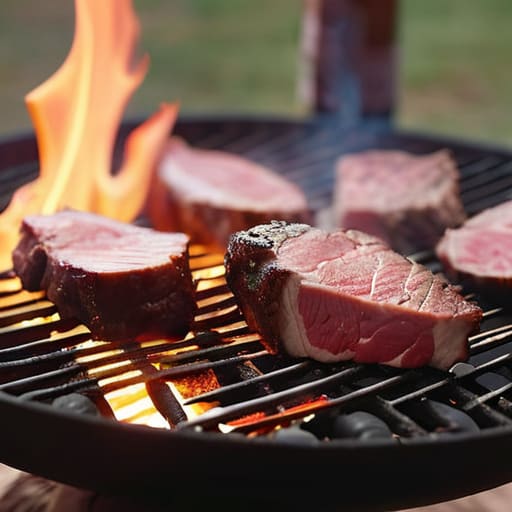
“You haven’t truly tasted South Africa until you’ve stood in the hazy, salt-tinged smoke of a backyard fire, realizing that a braai isn’t just about the meat on the grid—it’s the rhythmic heartbeat of the people gathered around it.”
Anouk Verhoeven
More Than Just a Meal
At the end of the day, mastering the braai isn’t about following a strict recipe or having the most expensive cuts of meat. It’s about understanding that the ritual—from choosing the right hardwood for that specific scent to the patient wait for the coals to turn grey—is what defines the experience. Whether you’re experimenting with different marinades or sticking to the classic simplicity of salt and pepper, the goal is to honor the process. It’s a delicate balance of heat, timing, and intuition that transforms a simple outdoor cookout into something much deeper than just a way to satisfy hunger.
As I sit here, notebook in hand, jotting down the scent of woodsmoke clinging to my sweater, I’m reminded why I travel in the first place. We don’t go to new places just to see monuments; we go to find the heartbeat of a community. In South Africa, that heartbeat is rhythmic, steady, and fueled by fire. A braai is a reminder that the best connections happen when we slow down, step away from the polished dining rooms, and gather around the embers. It’s in these smoky, unscripted moments that we truly begin to taste the soul of a culture.
Frequently Asked Questions
What are the essential side dishes, like pap or chakalaka, that turn a simple cookout into a proper feast?
You can’t just have meat; you need the sides to balance the smoke. For me, it’s all about the textures. A warm, creamy bowl of pap is the ultimate comfort, especially when you top it with a spicy, vegetable-heavy chakalaka to cut through the richness of the meat. I also love a simple, tangy tomato and onion salad—it’s nothing fancy, just fresh, bright, and exactly what a heavy braai needs.
How do I know when the coals are actually ready to cook without burning the meat?
I’ve spent too many afternoons hovering over a grill, watching meat char too quickly because I was too impatient. My rule of thumb? Look for the glow. You aren’t looking for roaring flames; you want a steady, shimmering bed of grey ash covering bright orange coals. If you can hold your hand about six inches above the heat for only a few seconds before it’s too hot, you’ve hit that sweet spot.
Is there a specific etiquette or social "unwritten rule" I should follow when I'm invited to someone's backyard braai?
If you’re invited to a braai, the most important thing to remember is that you aren’t just a guest; you’re part of a communal rhythm. Never show up empty-handed—a bottle of wine or something for the fire is standard. Most importantly, don’t hover over the braai master like a critic. Let them work their magic. The real etiquette is found in the conversation and the shared plates, not in being the loudest person at the table.
