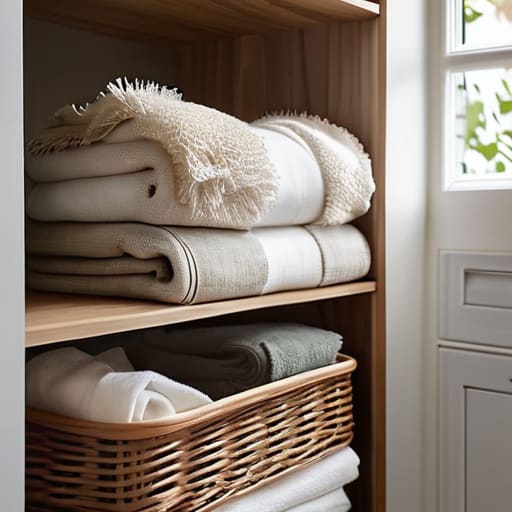
I remember staying in a tiny, sun-drenched guest house in Provence last summer, where the linen closet was nothing more than a weathered wooden niche in the hallway. There were no color-coded baskets or expensive acrylic dividers, just the scent of dried lavender and the comforting weight of heavy, well-loved cotton. It struck me then how much we’ve been sold on the idea that linen closet organization requires a massive budget and a professional stylist. In reality, the frantic pursuit of a “Pinterest-perfect” aesthetic often strips the soul out of our homes, replacing functional comfort with a sterile, high-maintenance chore that nobody actually has time for.
I’m not here to sell you on a lifestyle of unnecessary clutter-control gadgets or rigid systems that fall apart the moment you actually use a towel. Instead, I want to share a few grounded, practical methods I’ve gathered from living out of a suitcase and moving between small, lived-in spaces. We’re going to focus on creating a sense of order that feels quiet and intuitive, ensuring your linens are easy to find and even easier to care for, without the performative stress.
Table of Contents
Linen Closet Decluttering Tips for a Slower Pace
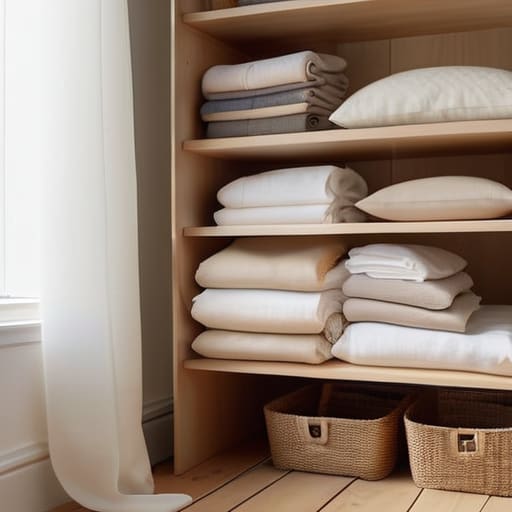
When I’m moving between apartments, I’ve learned that clutter isn’t just a mess; it’s a kind of mental noise. To find that sense of calm, I start with a purge. I pull everything out—every stray pillowcase and mismatched sheet—and lay them on the floor. It feels a bit like clearing a workspace before a long writing session. As you sift through, ask yourself if these items actually serve your current rhythm. Most of the time, we hold onto seasonal bedding storage items that we haven’t touched in years, simply because we’re afraid of the empty space they leave behind.
Once the excess is gone, the real work begins. I’ve found that maximizing vertical shelf space is the secret to keeping things from feeling cramped. Instead of stacking heavy towels in deep, dark piles that eventually collapse, I use small baskets to create distinct zones. I also swear by specific folding techniques for towels—keeping them uniform and compact—so I can actually see what I have at a glance. It turns a chore into a quiet, meditative ritual.
Maximizing Vertical Shelf Space in Small Nooks
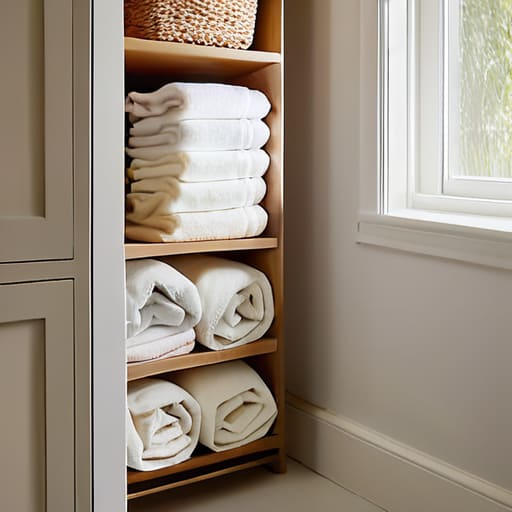
When I moved into my current apartment, I realized that most storage spaces are designed for a life that doesn’t actually exist—one with endless, cavernous cupboards. In reality, we usually deal with narrow, awkward nooks that feel more like afterthoughts. To make sense of these tight spots, I’ve learned that maximizing vertical shelf space is less about brute force and more about rhythm. Instead of stacking heavy quilts in one massive, unstable tower, I prefer using slim, breathable fabric bins. This allows me to stack items higher without the whole pile collapsing every time I reach for a single pillowcase.
It’s also where I’ve found the most success with specific folding techniques for towels. By rolling them tightly or using a precise file-fold method, I can turn a deep, dark shelf into a functional library of textiles. This approach keeps everything visible and accessible, rather than burying your favorite hand towels at the bottom of a mountain of cotton. When you treat your shelves like a curated collection rather than a dumping ground, even the smallest corner begins to feel intentional and calm.
Small Rituals for a More Intentional Space
- Grouping by texture and weight. I’ve found that there’s a certain peace in reaching for a heavy, waffle-weave cotton towel versus a light linen sheet; organizing them by how they feel against the skin makes the morning ritual feel more grounded.
- The art of the uniform fold. It isn’t about perfection, but about creating a sense of visual quiet. When everything is folded to the same width, the chaos of a busy day stays outside the bedroom door.
- Using baskets for the small things. Instead of letting pillowcases or extra sets of napkins drift into a messy pile, tucking them into a simple wicker or canvas basket keeps the shelves looking intentional rather than cluttered.
- Seasonal rotation based on the light. Just as I move cities to follow the seasons, I move my heavy wool throws to the back of the closet when the air turns warm, keeping only the light, breathable fabrics at arm’s reach.
- Scent as a wayfinder. I like to tuck a small sachet of dried lavender or cedar between the folded linens; it makes opening the closet feel like a small, sensory gift to yourself.
Small Rituals for a Calmer Home
Treat your linen closet like a well-stocked pantry; keep only what you actually use and love to touch, letting go of the faded, scratchy towels that no longer serve a purpose.
Use natural textures, like wicker baskets or simple cotton wraps, to create a sense of visual quiet that makes reaching for a fresh sheet feel like a small, grounding luxury.
Organize by frequency of use rather than just size, ensuring your daily essentials are always within easy reach, much like the way a chef keeps their most-used spices closest to the stove.
The Texture of Order
Organizing a linen closet isn’t really about the perfect stack of towels; it’s about creating a small, quiet sanctuary of tactile comfort that makes coming home feel like a soft landing.
Anouk Verhoeven
The Art of Living Simply
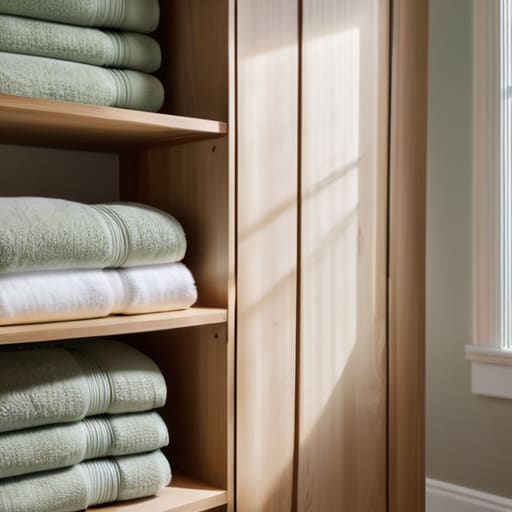
At the end of the day, organizing a linen closet isn’t just about stacking towels or making sure every sheet set is tucked neatly into its assigned nook. It’s about the cumulative effect of those small decisions—decluttering the things that no longer serve us, utilizing every inch of vertical space, and creating a system that actually breathes with the rhythm of our daily lives. When we move away from the chaos of excess and toward a more intentional way of storing our essentials, we aren’t just tidying a cupboard; we are curating a sense of ease for our future selves.
I’ve learned through years of moving between different cities and small apartments that our homes are most beautiful when they feel intentional rather than cluttered. There is a quiet, profound dignity in a well-kept space, much like the way a perfectly seasoned cast-iron skillet tells the story of a thousand meals. As you finish organizing your linens, I hope you realize that this isn’t a chore to be checked off a list, but a way to honor your environment. By tending to these small, domestic corners, we create the mental space necessary to truly inhabit our lives.
Frequently Asked Questions
How do you decide which old, worn-out towels are actually worth keeping and which ones should be repurposed for the kitchen?
I usually follow a simple rule of thumb: if it still feels soft against my skin, it stays in the linen closet. But if a towel has lost that plushness—even if it’s still clean—it’s time for a demotion. I find that those slightly frayed cotton towels make the most honest kitchen rags. They absorb spills better than anything new, turning a moment of clutter into a small, functional ritual in the heart of the home.
Is there a way to keep linen sheets smelling fresh without using those heavy, artificial-scented laundry boosters?
I’ve always found that the most beautiful scents are the ones that don’t feel forced. Instead of those heavy, synthetic boosters, I tuck a few drops of pure lavender or cedarwood oil onto a cotton ball and tuck it into a small muslin bag between the folds. It’s subtle, like the scent of a herb garden after rain. You can also try dried eucalyptus tucked into a corner—it keeps things feeling airy and honest.
How do you organize everything so it stays functional when you're constantly rotating seasonal bedding?
The secret for me is treating my linen closet like a seasonal pantry. I use breathable cotton bins to group everything by weight: heavy wool and flannel in one, light linen and percale in another. When the weather shifts, I don’t just move things; I swap entire “kits.” Having a dedicated spot for each season means I’m not digging through piles, just reaching for the texture that matches the morning light outside.
