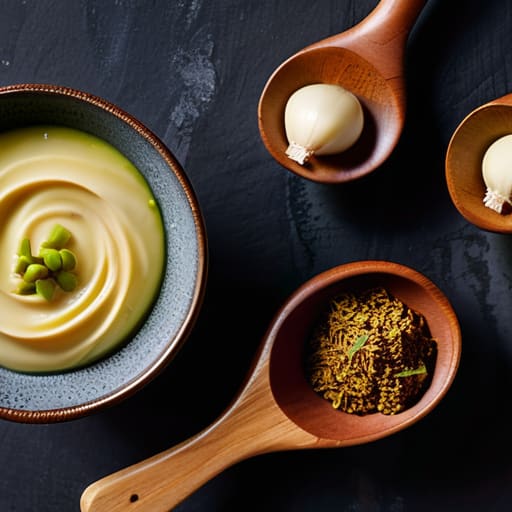
I still remember sitting on a low wooden stool in a cramped, steam-filled kitchen in Kanazawa, watching an elderly woman stir a dark, fragrant paste into a simple pot of dashi. There was no measuring spoon in sight, no heavy cookbook, just an intuitive sense of timing and a deep respect for the ferment. It was a far cry from the clinical, overly-sanitized tutorials you see online that treat how to use miso like a high-stakes chemistry experiment. I’ve realized that most people approach it with too much fear, thinking they need a specific degree or a pantry full of rare ingredients just to get it right.
I’m not here to give you a list of complicated, fusion-style recipes that bury the ingredient’s natural character. Instead, I want to show you how to treat miso as the soul of your kitchen—a versatile, living thing that can elevate everything from a quick morning porridge to a roasted vegetable tray. We’re going to strip away the pretension and focus on the practical, everyday ways to incorporate this umami powerhouse into your life, using the kind of honest, sensory-driven methods I’ve picked up from markets and small cafes around the world.
Table of Contents
Decoding the Jar Miso Paste Types Explained
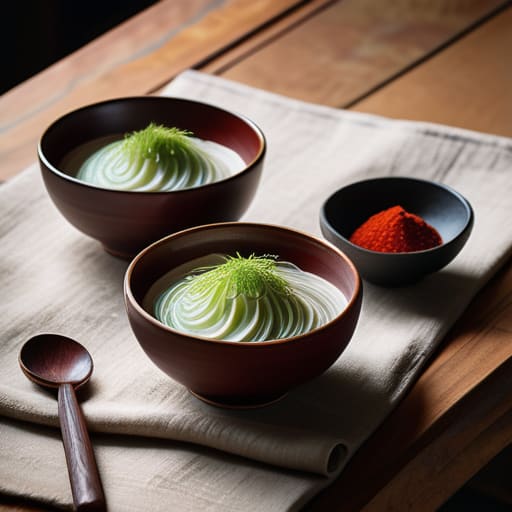
When I first started exploring markets in Japan, I thought all miso was the same—just a salty, fermented paste. I quickly learned that the color of the paste is often a map of its soul. You’ll generally find yourself choosing between white, red, and mixed varieties. White miso (shiro miso) is delicate and slightly sweet, making it perfect for when you want to brighten up a dressing without overpowering the ingredients. On the other end of the spectrum, red miso (aka miso) is aged longer, resulting in a much deeper, saltier punch that holds its own against hearty stews.
Understanding these miso flavor profiles is the real secret to moving beyond basic recipes. If you’re looking for something subtle, stick to the lighter shades. But if you want to create a rich, umami-heavy base for a glaze, reach for the darker, fermented versions. It’s not just about saltiness; it’s about how the fermentation changes the texture and the way it hits your palate. Once you grasp these nuances, you’ll stop seeing it as a single ingredient and start seeing it as a palette of flavors waiting to be used.
Finding the Soul in Miso Flavor Profiles
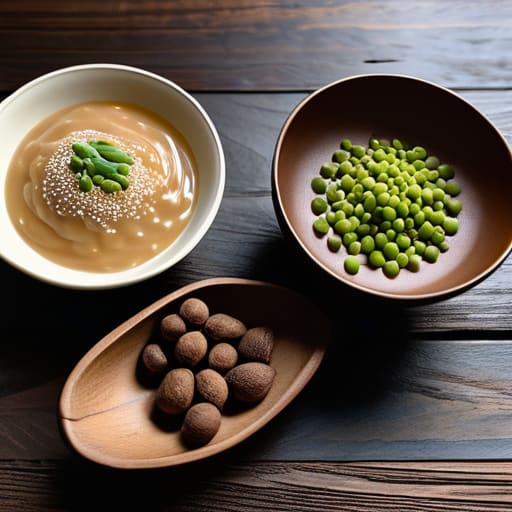
When I first started exploring markets in Japan, I realized that miso isn’t just a single ingredient; it’s a spectrum of moods. If you’re looking for something light and airy to brighten a spring vegetable soup, a white miso is your best friend. It’s sweet, delicate, and almost floral. On the other hand, when the weather turns gray and I’m craving something that feels like a warm hug, I reach for the dark, aged varieties. These have a deep, funky complexity that can ground an entire dish. Understanding these different miso flavor profiles is really about learning how to match the intensity of the paste to the soul of your meal.
I’ve found that the real magic happens when you stop treating it like a strict seasoning and start treating it like an accent. Instead of just making soup, try adding miso to sauces or even whisking a bit into a vinaigrette for roasted carrots. It adds a layer of “umami” that soy sauce simply can’t replicate—it’s more about depth than just salt. It’s that subtle, fermented hum that makes you pause and wonder why a dish suddenly feels so complete.
Small Habits for Big Flavor: My Miso Essentials
- Never boil the paste directly. If you’re making a soup, whisk the miso into a small amount of warm broth in a separate bowl first, then stir it back into the pot. High heat kills those delicate, living enzymes and can make the flavor turn unpleasantly bitter.
- Think of it as a seasoning, not just a base. I often treat a teaspoon of white miso like a pinch of salt or a splash of soy sauce. A tiny bit stirred into a vinaigrette or even rubbed into roasted carrots can transform a simple dish into something much deeper.
- Embrace the “umami bomb” in unexpected places. I’ve found that whisking a bit of miso into a pan of sautéed butter makes the most incredible sauce for steamed vegetables or even a piece of pan-seared fish. It adds a richness that salt alone just can’t touch.
- Use the temperature of your ingredients to your advantage. When I’m making a quick glaze for salmon, I mix the miso with a little honey and rice vinegar at room temperature. This ensures the paste incorporates smoothly without clumping, giving you that perfect, even coat.
- Keep your pantry ritual simple. Since I travel so much, I’ve learned that miso is one of the most forgiving ingredients to keep on hand. Even a small tub in your fridge can turn a lonely bowl of instant noodles or a handful of wilted greens into a meal that feels intentional and nourishing.
The Miso Essentials
Don’t overthink the labels; start with a basic white miso for lighter dishes and save the dark, funky varieties for when you’re craving something deeper and more complex.
Treat miso like a seasoning rather than a main ingredient—a small spoonful stirred into a soup or a marinade can transform a dish without overwhelming it.
To keep that living, probiotic magic alive, always use a clean spoon and store your jar in the fridge to preserve the delicate flavors that make it special.
Beyond the Recipe
Don’t treat miso like a strict ingredient that demands a recipe; treat it like a seasoning that understands your mood—a spoonful stirred into a late-night bowl of broth or whisked into butter can turn a lonely kitchen moment into something that feels deeply, soulfully grounded.
Anouk Verhoeven
Beyond the Jar
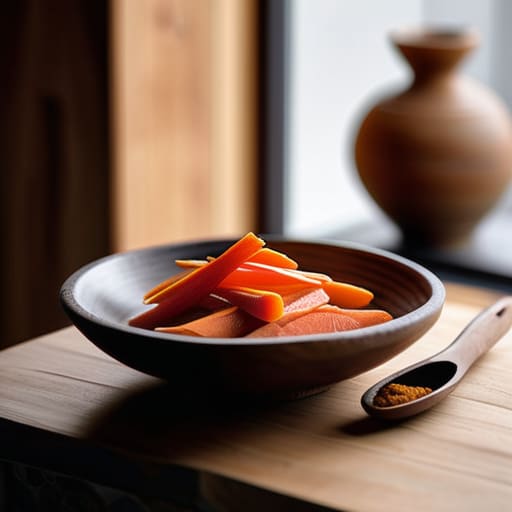
At the end of the day, mastering miso isn’t about following a rigid set of rules or memorizing a complex culinary hierarchy. It’s about understanding that whether you’re reaching for a light, floral white miso to brighten a spring vegetable soup or a deep, funky red miso to anchor a slow-simmered stew, you are working with a living ingredient. Once you’ve learned to navigate the different types and recognized how their saltiness and sweetness can shift the entire mood of a dish, the kitchen becomes much less intimidating. Don’t be afraid to experiment; sometimes the most unexpected flavor pairings—like a smear of miso on roasted carrots or a dollop in a chocolate ganache—are the ones that stay with you long after the meal is over.
I often think back to a tiny, steam-filled kitchen I visited in a side street of Kanazawa, where the scent of fermenting soybeans seemed to hang in the very air. That experience taught me that miso is more than just a condiment; it is a thread of continuity that connects generations of cooks to the land they inhabit. As you start incorporating these pastes into your own daily rhythms, I hope you find that same sense of grounding. Use it not just to add salt, but to add soul and intention to your cooking, turning even the simplest Tuesday night dinner into a quiet celebration of craft.
Frequently Asked Questions
Can I use miso in hot dishes without killing all that good, fermented magic?
The short answer is yes, but treat it like a delicate ingredient, not a heavy hitter. If you boil miso vigorously, you’re essentially nuking those living probiotics and losing that complex, funky depth. My rule of thumb? Turn the heat down or kill the flame entirely before stirring it in. Think of it as a finishing touch—whisk it into your broth at the very last second to keep that fermented magic intact.
How do I know if I've added too much miso and turned my whole meal into a salt bomb?
It’s a classic mistake—I’ve definitely been there, staring at a pot of soup that suddenly tastes like a seawater bath. If you’ve overdone it, don’t panic. The quickest fix is to dilute. Add more unsalted stock, a splash of coconut milk, or even a bit of water to spread that saltiness out. If it’s still aggressive, a tiny squeeze of lime or a teaspoon of honey can help balance the sharp edges.
Is there a way to use miso in things that aren't traditionally savory, like a dessert or a glaze?
This is where things get really fun. I used to think miso was strictly for salty broths, but once you lean into that fermented depth, it changes everything. I love whisking a bit of white miso into salted caramel or a dark chocolate ganache—it cuts through the sugar in a way that feels incredibly sophisticated. Even a quick miso-maple glaze on roasted carrots or peaches brings this unexpected, earthy complexity that makes a simple dish feel alive.
