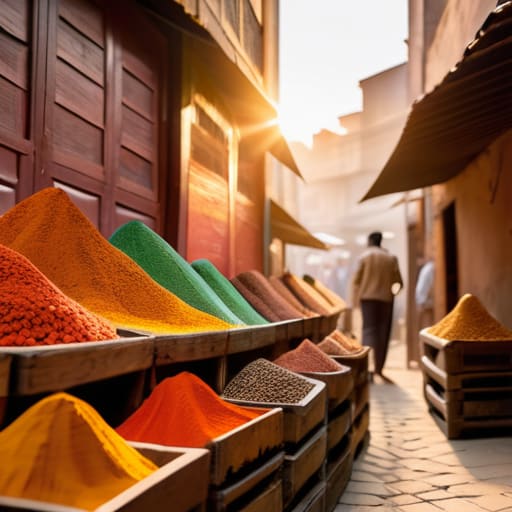
I was standing in a narrow, sun-drenched lane in Old Delhi, clutching my notebook as the scent of crushed cardamom and fermented chilies hit me like a physical weight. It wasn’t the sanitized, colorful display you see in travel brochures or the overpriced, pre-packaged tins sold in hotel gift shops. Instead, it was the raw, unfiltered chaos of the real indian spice markets—the kind where the air is so thick with turmeric you can almost taste it on your tongue. I remember watching an elderly vendor weigh out cloves with a precision that felt more like a ritual than a transaction, and in that moment, I realized that the true soul of a city isn’t found in its monuments, but in its aromatic heartbeat.
I’m not here to give you a curated list of “Instagrammable” stalls or tell you which souvenir shops to avoid. My goal is to help you navigate the sensory overload and find the genuine connection between these ancient trade routes and the food on your plate. I’ll be sharing my honest, field-tested observations on how to spot quality, how to haggle without losing your soul, and how to find the real stories hidden behind the burlap sacks.
Table of Contents
Finding Quiet Stories Within the Khari Baoli Spice Market Guide
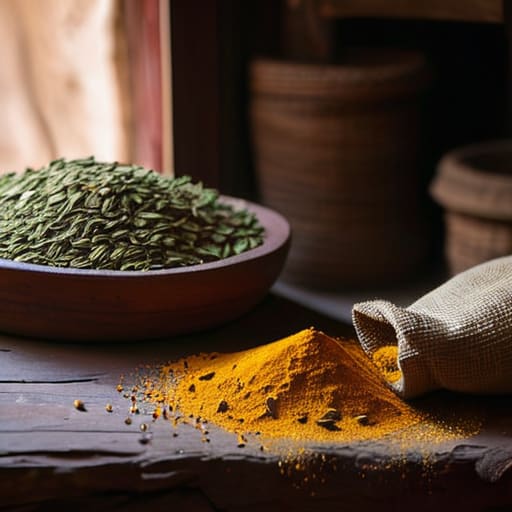
Navigating the sheer scale of Khari Baoli can feel overwhelming, but if you step away from the main thoroughfares, the chaos begins to soften into something much more intimate. I found myself tucked into a corner of a tiny, dim shop where the owner didn’t even look up from his ledger; he just gestured toward a burlap sack of dried cardamom. This is where the real magic happens—not in the grand displays, but in those quiet exchanges. If you are looking for a proper khari baoli spice market guide, my advice is to ignore the loudest vendors and instead follow the scent of something specific, like star anise or freshly ground turmeric.
As I sat on a low wooden stool, watching a merchant carefully weigh out cloves for a local cook, I realized that authentic indian spices sourcing is less about a transaction and more about a shared ritual. There is a rhythmic, almost meditative quality to the way the spices are scooped and bagged. It isn’t just about the heat or the color; it’s about the unspoken history held within these dusty, fragrant sacks. To truly find the soul of the market, you have to be willing to slow down and let the sensory overload settle into a steady, beautiful hum.
Authentic Indian Spices Sourcing Beyond the Tourist Path
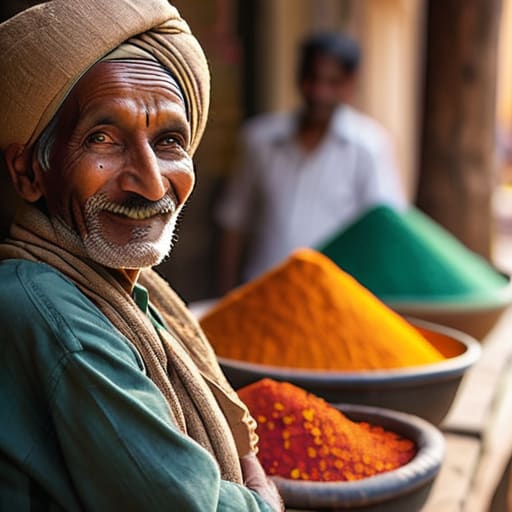
If you find yourself drifting toward the polished storefronts near the main thoroughfares, you’re likely missing the real magic. To truly master authentic Indian spices sourcing, you have to be willing to lose your sense of direction. I’ve found that the most profound discoveries happen when I follow the scent of crushed cardamom into the residential pockets of the old city, far from the gaze of tour groups. It’s in these smaller, family-run stalls—where the proprietor can tell you exactly which hillside in Kerala the peppercorns were harvested from—that the commerce feels less like a transaction and more like a shared secret.
When I’m navigating these aromatic spice bazaars of India, I make it a point to watch how the locals interact with the vendors. There is a rhythmic, unhurried dance to it. Instead of looking for the most colorful displays, I look for the sacks that have been opened and replenished frequently; that’s where the freshness lives. I always keep my notebook handy, not just for the names of the blends, but to capture that heady, sharp sting of dried turmeric that seems to settle deep in your lungs.
Small Lessons from the Market Floor
- Trust your nose over your eyes. In the chaos of a market like Khari Baoli, the visual displays can be overwhelming and sometimes staged for travelers, but the scent is honest. If a stall smells deeply of earth and warmth, you’ve found the real deal; if it smells like nothing, the spices have likely been sitting on a shelf for too long.
- Carry a small, empty glass jar in your bag. Plastic bags are convenient, but they don’t preserve the volatile oils that give spices their soul. If you find a vendor selling something exceptional—like hand-ground turmeric or cardamom pods that look almost jewel-like—transfer them to glass to keep that magic intact for your next meal.
- Learn the rhythm of the morning. I’ve found that the most genuine interactions happen in the early hours, before the heat settles in and the tourist crowds arrive. This is when the local cooks are out, and the vendors are most willing to talk about where their harvest actually came from.
- Don’t be afraid of the “dust.” A truly vibrant spice market is sensory overload, and yes, it can be a bit gritty. I always keep a lightweight linen scarf in my bag—not just to protect my skin from the sun, but to breathe through when the scent of dried chilies becomes a thick, spicy haze in the air.
- Ask about the “unpolished” versions. When a vendor offers you something, ask if they have the whole, unground form or the varieties that aren’t as visually perfect. The spices that look a little more rugged or unevenly shaped often carry a much more complex, layered flavor profile than the uniform, brightly colored powders.
Lessons from the Spice Lanes
Look past the brightly colored packaging and the aggressive sales pitches; the real magic happens in the quiet interactions between vendors and the locals who have been buying from the same family for generations.
Trust your senses over your guidebook—the true quality of a spice isn’t found in a description, but in the sharp, immediate sting of fresh peppercorns or the earthy, heavy warmth of turmeric hitting the back of your throat.
To truly understand a market, you have to slow down and embrace the chaos rather than trying to navigate through it, allowing the scents and the rhythms of the crowd to guide you toward the stories that aren’t written on any map.
The Scent of a Story
“To me, a spice market isn’t just a place of commerce; it’s a sensory map of a city’s soul, where the sting of raw chili in the air tells you more about the local grit and grace than any guidebook ever could.”
Anouk Verhoeven
The Lingering Scent of Discovery
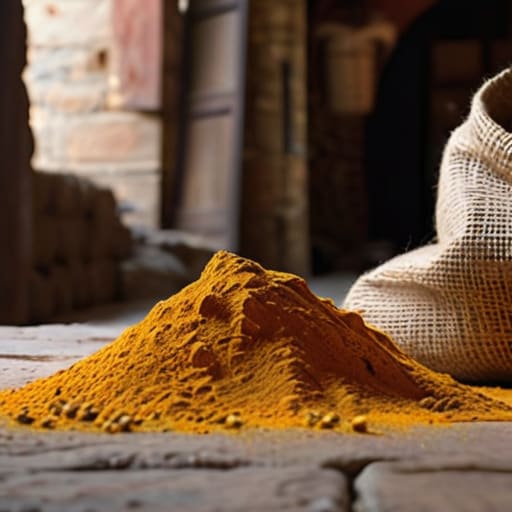
Navigating the labyrinthine lanes of markets like Khari Baoli or the tucked-away stalls of local neighborhoods isn’t just about finding the highest quality cardamom or the most vibrant turmeric. It is about learning to look past the polished displays and the loud calls of vendors to find the real rhythm of the city. We’ve looked at how to bypass the souvenir-heavy main drags and how to listen to the quiet stories told through a handful of peppercorns or a sack of star anise. By prioritizing these smaller, more intimate exchanges, you aren’t just sourcing ingredients; you are collecting fragments of history that a guidebook could never quite capture.
As I sit here in a small cafe, scribbling the scent of toasted cloves into my notebook, I’m reminded that travel is rarely about the landmarks we check off a list. It is about those sensory, unscripted moments that anchor us to a place. When you cook with spices you’ve sourced from a vendor whose hands are stained with the very earth they grew from, you are participating in something much larger than a meal. You are tasting the soul of a culture. So, next time you find yourself in a new city, don’t just look for the famous sights—follow your nose into the narrow alleys and see where the flavor takes you.
Frequently Asked Questions
How can I tell if the spices I'm buying in a crowded market are actually fresh and not just sitting in old sacks for months?
I’ve learned the hard way that you can’t trust the bright colors alone. I always lean in close—not just to smell, but to see. Fresh spices have a certain vibrancy; if the turmeric looks dusty or the peppercorns look dull and grey, leave them. I look for oils. If you rub a tiny bit between your fingers and it releases a sharp, immediate punch of aroma, it’s alive. If it’s faint, it’s just old dust.
Are there specific times of day or certain seasons when the markets feel less overwhelming and more authentic?
I’ve found that the magic happens in the early morning, just as the light starts to hit the dust. If you can get there by 7:00 AM, you’ll catch the vendors setting up before the midday heat and the tourist swell take over. It feels less like a spectacle and more like a ritual. During the monsoon, the air gets heavy and the scents cling to everything—it’s intense, but that’s when the market feels most alive.
What’s the best way to navigate the bargaining process without feeling like I'm being taken advantage of or, conversely, being rude to a local vendor?
I’ve learned that bargaining isn’t a battle; it’s a conversation. I always start with a smile and a genuine interest in their stock—asking about the origin of a specific cardamom pod, for instance. I aim for a price that feels fair to both of us, not just the lowest possible number. If a vendor holds firm, I respect it. A polite nod and a “thank you anyway” preserves the dignity of the exchange.
