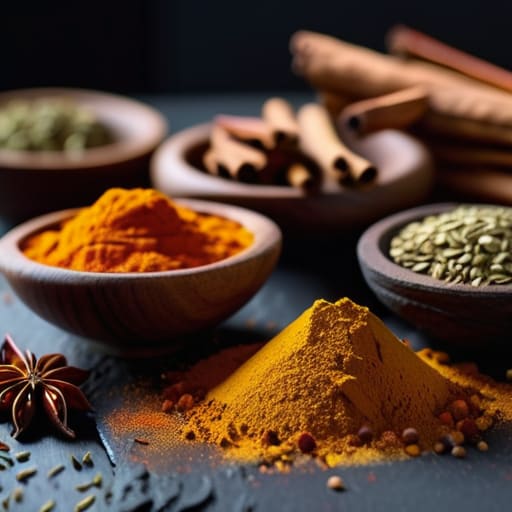
I still remember the heat of a midday sun in Old Delhi, pressing against my shoulders as I navigated a narrow lane that felt more like a living, breathing organism than a street. I wasn’t looking for a souvenir; I was following my nose. I found myself standing before a mountain of crimson chili powder and golden turmeric, the air so thick with the spices of india that I could almost taste the grit on my tongue. It wasn’t the sanitized, colorful display you see in high-end boutique spice shops in London or New York—it was raw, dusty, and utterly honest.
I’m not here to give you a list of expensive, pre-mixed powders that strip the soul out of a dish. Instead, I want to pull back the curtain on the actual ingredients that define a kitchen, from the way a single peppercorn changes a broth to the ritual of tempering whole cumin in hot oil. I promise to share the unfiltered reality of how these flavors work, moving past the tourist-friendly clichés to help you understand the heartbeat of Indian cooking through the ingredients that truly matter.
Table of Contents
Essential Indian Spices for Beginners Finding Your Way
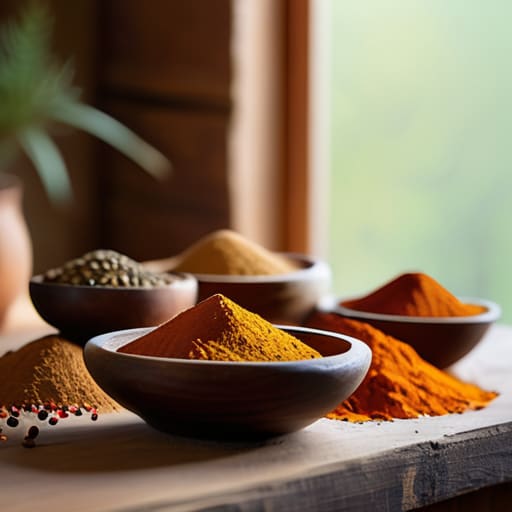
When I first stepped into a bustling spice market in Old Delhi, the sheer scale of the colors felt overwhelming. I remember clutching my notebook, trying to make sense of the mountain of powders and seeds. If you’re just starting out, don’t feel pressured to master everything at once. Building a traditional indian spice pantry is more about learning how individual scents interact than memorizing a long list. Start with the basics: cumin, turmeric, and coriander. These are the quiet anchors that provide a foundation for almost everything else.
I’ve found that understanding the difference between whole vs ground indian spices is the real secret to moving from a novice to a confident cook. Whole seeds—like mustard or fennel—are meant to be bloomed in hot oil at the very beginning of your cooking process, releasing their oils in a way that ground powders simply can’t replicate. While the powders are convenient for quick thickening and coloring, the whole spices offer a depth that makes a dish feel truly alive. It’s a small shift in technique, but it changes the entire texture of your meal.
Whole vs Ground Indian Spices the Texture of Tradition
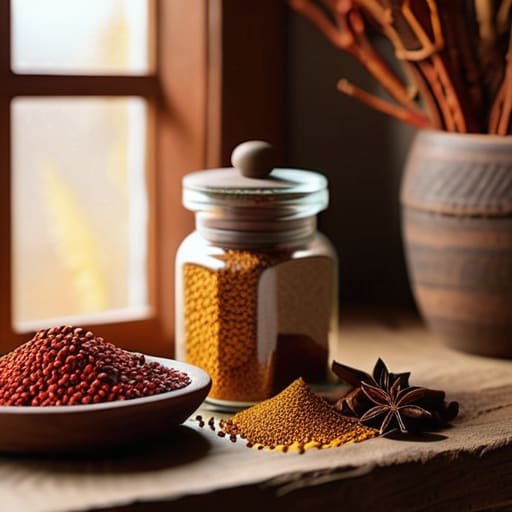
Whenever I’m navigating a new market, I find myself drawn to the distinction between the heavy, burlap sacks of whole seeds and the fine, colorful powders nearby. There is a fundamental difference in how they interact with heat. When I use whole spices—like a cracked peppercorn or a cinnamon stick—I’m looking to infuse a base oil with a subtle, lingering warmth. This is the foundation of a traditional indian spice pantry, where the goal is to layer scents slowly without overwhelming the palate.
However, when the recipe calls for an immediate, punchy impact, I reach for the ground versions. The flavor profiles of indian spices change entirely once they’ve been pulverized; the surface area increases, releasing an instant, fragrant bloom that coats every grain of rice or piece of protein. While some might find the process of tempering whole seeds in hot oil intimidating, it’s actually where the magic happens. It’s the difference between a quiet whisper and a sudden, vibrant song, and mastering this balance is what truly makes a dish feel authentic.
Small Rituals: How I Keep the Flavors Alive
- Don’t rush the temper. When I was in Kerala, I learned that the magic happens in the first thirty seconds of cooking—watching mustard seeds dance and pop in hot oil. It’s a tiny, frantic ritual, but it’s what unlocks the soul of the spice.
- Trust your nose over your recipe. A cookbook can tell you how many grams of cumin to use, but it can’t tell you when the scent has shifted from raw and sharp to deep and nutty. If the aroma in your kitchen changes, that’s your cue to move to the next step.
- Invest in a heavy mortar and pestle. There is a specific, tactile joy in crushing dried chilies or peppercorns by hand. It’s much slower than a grinder, sure, but the oils release differently, and the texture feels more honest.
- Store your spices away from the window. I know, the colorful jars look beautiful on a sunny countertop, but heat and light are the enemies of flavor. Keep them in a dark, cool corner so they don’t lose that vibrant, punchy character.
- Buy whole whenever you can. I’ve found that buying pre-ground powders is often a shortcut to a muted flavor. If you can find whole cinnamon sticks or star anise at a local market, grab them; the difference in intensity once you toast them is night and day.
Bringing the Market Home
Don’t be afraid of the whole spices; investing in a small mortar and pestle to crush your own cumin or coriander will change the way your kitchen smells and how your food tastes.
Prioritize freshness over convenience by looking for vibrant, intense colors in your spices rather than the dusty, muted tones often found in pre-ground supermarket jars.
Start small and trust your senses—learning to balance heat, earthiness, and aroma is a slow, intuitive process that’s more about feeling the rhythm of the ingredients than following a strict recipe.
More Than Just Heat
“To me, an Indian spice box isn’t just a collection of ingredients; it’s a sensory map of a thousand years of movement, where a single pinch of toasted cumin can feel like the very heartbeat of a crowded street market.”
Anouk Verhoeven
Beyond the Recipe
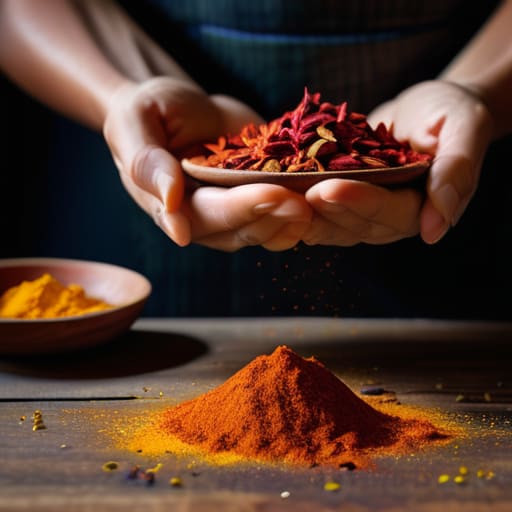
As I sit here in my small kitchen, sorting through a new haul of cardamom pods and peppercorns, I’m reminded that mastering Indian spices isn’t about memorizing a rigid list of ingredients. It’s about understanding the delicate balance between the heat of a dried chili and the earthy grounding of cumin, and knowing when to use whole seeds versus the convenience of a fine powder. Whether you are starting with the basics or experimenting with complex blends, remember that the goal isn’t perfection—it’s about finding a rhythm that works for your own palate and your own kitchen.
Ultimately, spices are more than just flavor enhancers; they are the unspoken language of a culture. When you cook with them, you aren’t just making a meal; you are participating in a lineage of storytelling that stretches back thousands of years. Don’t be afraid to make mistakes or let a dish turn out a little too bold. The most beautiful flavors often come from the moments when we stop following the instructions and start following our senses. So, grab your mortar and pestle, lean into the aroma, and let the spices lead the way.
Frequently Asked Questions
How can I tell if a spice is actually fresh when I'm shopping at a local market versus a supermarket?
In a supermarket, you’re mostly buying convenience wrapped in plastic, which often means the soul of the spice has already evaporated. When I’m at a local market, I rely on my senses. I look for vibrant, deep colors—not that dull, dusty gray you see in jars. I’ll crush a single peppercorn or a piece of dried chili between my fingers; if the aroma doesn’t hit you instantly, leave it behind.
Is there a specific order I should be adding these spices to a pan to avoid burning them?
It’s a delicate dance, really. I’ve definitely scorched a few batches of cumin while distracted by a passing conversation. My rule of thumb? Start with the whole spices in hot oil—the tadka—to let those oils bloom without the risk of charring. Once they’re fragrant, add your aromatics like ginger or garlic, and save the delicate ground powders for the very end. They burn in a heartbeat, and nobody wants that bitter, smoky aftertaste.
Can I substitute these traditional whole spices with pre-ground versions without losing that deep, authentic flavor?
Honestly? You can, but you’ll lose that certain magic. Using pre-ground spices is like looking at a photograph of a meal instead of sitting at the table. When you toast whole seeds in hot oil, they release these volatile, bright aromas that ground spices just can’t mimic—they’ve already lost their soul to the air. If you’re in a rush, go ahead, but if you want that deep, layered warmth, stick to the whole spices.
