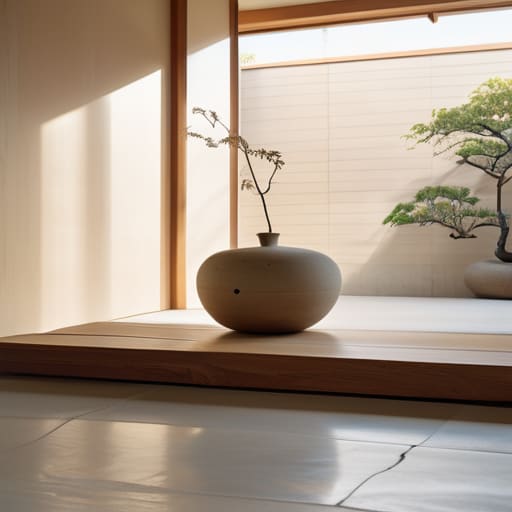
I remember sitting on a worn tatami mat in a tiny apartment in Kanazawa, the air smelling faintly of cedar and toasted rice. I had spent the previous hour watching an elderly woman meticulously arrange a single ceramic bowl on a wooden table, and it hit me: most people completely misunderstand japanese minimalism. We’ve been conditioned to think it’s about those sterile, cold, all-white showrooms you see in high-end design magazines—spaces that look beautiful but feel utterly lifeless. To me, that isn’t minimalism; it’s just an expensive kind of emptiness that lacks a soul.
I’m not here to sell you on a lifestyle of deprivation or a checklist of aesthetic items you need to buy to “achieve” a certain look. Instead, I want to share what I’ve learned from living out of a suitcase and observing how intentionality actually works in a home. We’re going to look past the Instagram filters to explore how japanese minimalism can actually help you make room for what matters, focusing on the quiet connection between our surroundings and our daily rituals.
Table of Contents
Embracing Wabi Sabi Aesthetic Principles in Daily Life
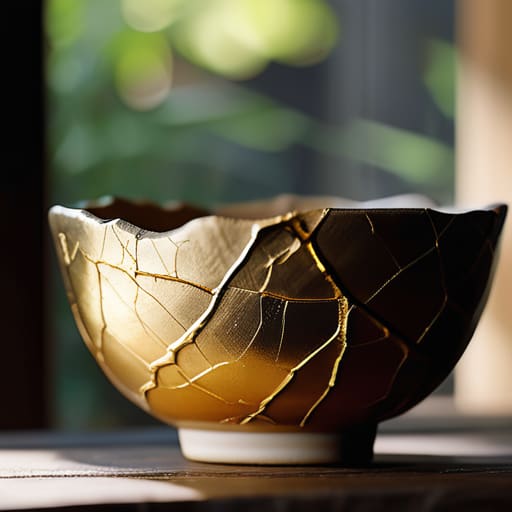
During my time in Kanazawa, I spent an afternoon watching an elderly potter repair a cracked tea bowl with gold lacquer. It wasn’t about hiding the flaw, but celebrating it. This is the heart of wabi-sabi aesthetic principles: finding beauty in the imperfect, the impermanent, and the incomplete. In my own life, I’ve started applying this to my small rental spaces. Instead of chasing that sterile, showroom perfection we see on social media, I’ve begun to cherish the chipped ceramic mug I bought at a roadside stall or the way the light hits a weathered wooden table. It’s a shift from seeking “new” to seeking meaningful.
Integrating this into a modern routine doesn’t require a total overhaul. For me, it’s about intentional living practices that prioritize quality over quantity. It means choosing a single, well-crafted linen cloth for my kitchen rather than a drawer full of cheap disposables. By embracing these subtle imperfections, we stop fighting against the natural aging of our belongings and start seeing them as part of our own evolving story.
The Ma Concept in Design Creating Space to Breathe
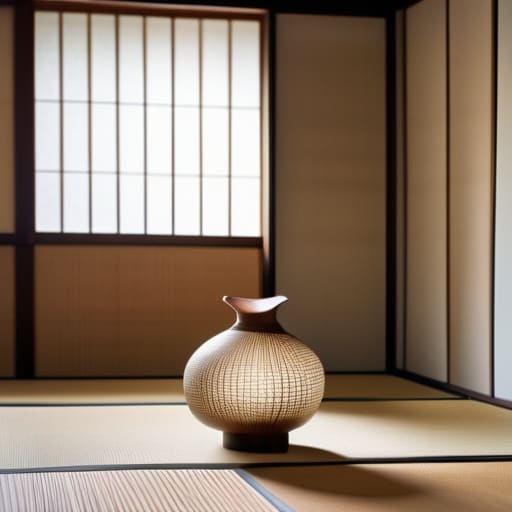
While wandering through the narrow alleys of Kanazawa, I realized that the most striking thing wasn’t what was on display, but what wasn’t. In the West, we tend to view empty space as a void that needs to be filled—a gap to be corrected with a shelf or a plant. But in Japan, there is a profound appreciation for the ma concept in design. It isn’t just “empty space”; it is a purposeful pause, a moment of silence between two notes of music that allows the melody to actually make sense.
Applying this to my own nomadic life has been a lesson in intentional living practices. Instead of seeing a bare corner of a room as a lack of decor, I’ve started seeing it as a place for my mind to rest. When I’m setting up my small workspace in a new city, I don’t look for ways to fill every inch of the desk. Instead, I look for the gaps. By honoring the ma concept in design, I’m not just organizing objects; I’m creating a sense of rhythm that allows me to actually breathe within my own surroundings.
Small Shifts for a More Intentional Home
- Start with your morning ritual. Instead of a cluttered countertop of gadgets, I’ve learned to keep only the single, beautiful ceramic mug I use every day. It’s about choosing one object that feels right in your hands rather than a dozen that just take up space.
- Curate your sensory environment. Minimalism isn’t just what you see; it’s what you experience. I try to clear the visual noise so I can actually notice the scent of cedar or the way the afternoon light hits a bare wooden table.
- Practice the art of the “single purpose” item. In my travels, I’ve noticed that Japanese homes rarely have “junk drawers.” Every object seems to have a home and a reason for existing. If an item doesn’t serve a function or bring a genuine sense of calm, it’s likely just heavy lifting for your spirit.
- Bring the outside in, but keep it subtle. You don’t need a jungle in your living room. A single, well-placed branch in a vase can provide more connection to nature than a shelf full of plastic plants. It’s about quality of connection, not quantity of decor.
- Audit your textures. When you have fewer things, the materials themselves become the stars. I’ve found that swapping synthetic fabrics for linen, cotton, or raw wood changes the entire “temperature” of a room, making it feel grounded rather than just empty.
Bringing the Quiet Home
Stop chasing perfection and start noticing the beauty in the cracks; whether it’s a chipped ceramic bowl or a worn wooden table, there is a deep, grounding comfort in things that show they have been lived in.
Learn to value the “empty” spaces in your home just as much as the objects; by letting a room breathe, you create a mental clearing that allows you to actually focus on the things you choose to keep.
Curate your surroundings based on intention rather than impulse, choosing items that serve a purpose or hold a memory, much like how I select my travel gear—only what is essential, functional, and truly meaningful.
## More Than Just Empty Space
“I used to think minimalism was about what you strip away, but after watching an elderly woman carefully arrange a single ceramic bowl on a wooden table in Kanazawa, I realized it’s actually about what you choose to honor.”
Anouk Verhoeven
Finding the Soul in the Simplicity
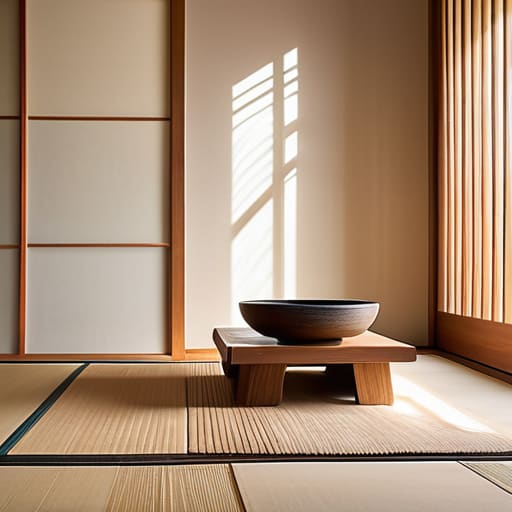
Looking back on everything we’ve discussed—from the imperfect beauty of wabi-sabi to the intentional breathing room found in the concept of ma—it becomes clear that Japanese minimalism isn’t a set of rigid rules or a way to empty your home. Instead, it’s a framework for intentionality. It’s about stripping away the excess noise so you can finally hear the quiet hum of your own life. By embracing the beauty of the weathered and the importance of empty space, we stop collecting things just to fill voids and start curating a life that actually reflects our values.
As I sit here in a small cafe, watching the steam rise from my matcha, I’m reminded that this way of living is a practice, not a destination. You don’t need to move to Kyoto to find this stillness; you just need to start noticing the small, meaningful details in your own kitchen or your own morning routine. Minimalism, at its heart, is a way to make room for what matters most. So, I encourage you to look around your own space today—not to see what you can throw away, but to see what you want to keep.
Frequently Asked Questions
How do you practice minimalism in a kitchen without losing the warmth and soul of cooking?
It’s a delicate balance, isn’t it? I used to think minimalism meant empty counters, but that felt sterile—like a showroom, not a home. Now, I keep only what I use daily within reach. The soul comes from the things that carry history: a well-worn wooden spoon, a ceramic bowl from a local potter, or the scent of toasted sesame. Minimalism isn’t about emptiness; it’s about clearing the clutter so the ingredients—and the ritual—can actually breathe.
Can I incorporate these principles into a small, cluttered apartment if I'm not living in Japan?
Absolutely. I’ve spent plenty of nights in cramped, one-room apartments where the clutter felt like it was closing in on me. You don’t need a Zen temple to practice this; it’s more about intention than square footage. Start by looking at your belongings through a wabi-sabi lens—keep the things that have a story or a soul, and let go of the rest. It’s about creating those tiny pockets of ma, even if it’s just a clear corner of a desk.
Is there a way to balance the "less is more" mindset with the joy of collecting meaningful, tactile objects?
I think about this constantly. My suitcase is a constant battle between my love for minimalism and my tendency to pick up hand-thrown ceramics or vintage film cameras. For me, it’s about curation over collection. Instead of gathering things that just fill space, I look for objects with a soul—pieces that tell a story or carry the weight of a memory. If an object doesn’t invite you to slow down or connect, it probably doesn’t belong.
