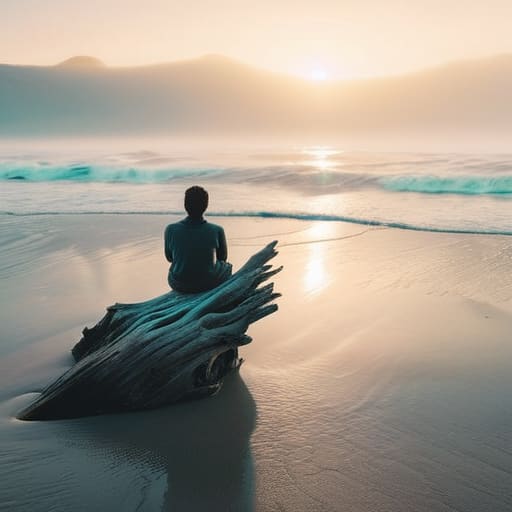
I was sitting in a cramped, overpriced boutique hotel in Biarritz last month, reading a glossy brochure that promised “transformative ocean therapy” through a series of expensive, guided meditation retreats. It felt so performative. To me, the idea that you need a specialized curriculum or a high-end wellness package to connect with the sea is nonsense. Real ocean therapy isn’t something you buy in a gift shop; it’s the grit of sand between your toes and that specific, sharp scent of decaying kelp and salt that hits you when the tide pulls back. It’s not a luxury service—it’s a visceral, unpolished necessity that belongs to everyone, regardless of their budget.
I’m not here to sell you on a lifestyle brand or a curated wellness itinerary. Instead, I want to share what I’ve actually learned from years of living out of a suitcase and seeking out the quiet corners of the coast. I’ll be sharing the unfiltered reality of how to actually use the sea to ground yourself, from finding the best local tide pools to the simple, quiet practice of just sitting still. No fluff, no expensive retreats—just the honest ways the water helps us find our way back to ourselves.
Table of Contents
The Psychological Impact of Sea Views From a Quiet Pier
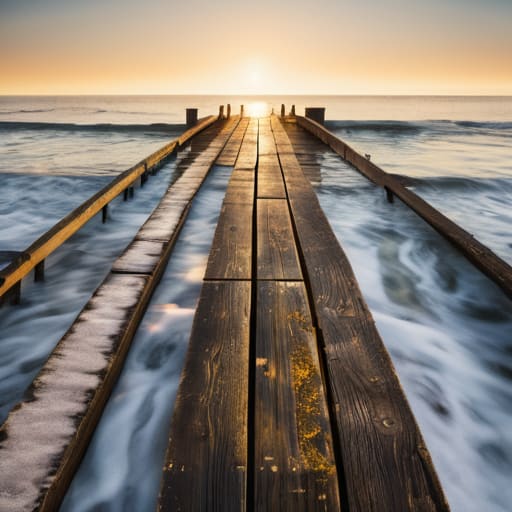
I found myself sitting at the end of a weathered wooden pier in a small fishing village last Tuesday, just watching the horizon. There is something about the way the light hits the water that forces your brain to slow down. When you stare out at that endless expanse, the frantic mental checklist of “what’s next” starts to dissolve. I’ve noticed that the psychological impact of sea views isn’t just a concept you read about in journals; it’s a physical sensation of the chest loosening.
The rhythm of the waves hitting the pilings below acts like a metronome for your breathing. I closed my eyes for a moment, letting the rhythmic ocean sounds for relaxation drown out the distant hum of the coastal road. It’s a form of unintentional meditation. You don’t need a formal guide or a quiet room; you just need to be present in a space where the scale of the world feels much larger than your own problems. In those moments, the salt air feels less like weather and more like a necessary reset for the soul.
Coastal Environments and Stress Reduction in Hidden Coves
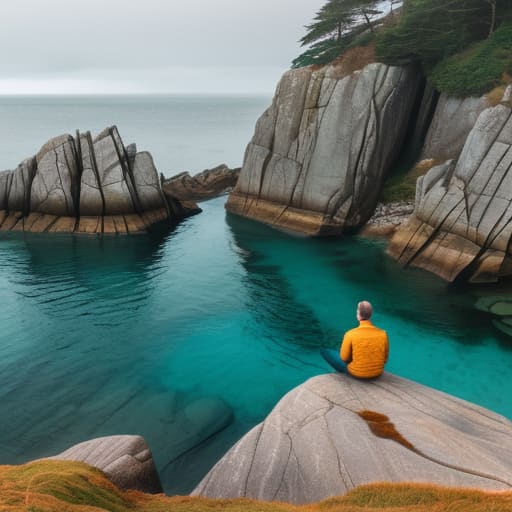
There is a specific kind of stillness you can only find in a hidden cove, tucked away from the main coastal paths where the crowds tend to cluster. Last week, I stumbled upon a small, rocky inlet near a village in Brittany, and the shift in my internal rhythm was immediate. Unlike the wide-open views of the pier, these enclosed spaces feel like a physical embrace. As I sat on a smooth granite boulder, I realized that coastal environments and stress reduction aren’t just abstract concepts; they are felt in the way the high cliffs dampen the wind, leaving you in a private sanctuary of sound and light.
I found myself closing my eyes, focusing entirely on the therapeutic effects of saltwater as the spray misted against my skin. It wasn’t about a structured meditation, but rather a natural drifting into a state of presence. The rhythmic, heavy pulse of the tide hitting the stones acts as a metronome for the mind, pulling you away from the frantic mental checklists of travel logistics and back into your own body. In these tucked-away corners, the world feels smaller, quieter, and infinitely more manageable.
Small ways to let the tide in
- Leave the headphones in your bag; the real magic happens when you actually listen to the rhythmic, messy dialogue between the waves and the pebbles.
- Find a spot where the sand is still damp and walk without a destination, letting the uneven ground force you to be present in your own body.
- Carry a small notebook—not for big life plans, but just to jot down how the salt air feels on your skin or the specific shade of grey the horizon turns before a storm.
- Don’t rush the experience to get a photo; sit still until the local birds stop seeing you as a threat and you start feeling like part of the landscape.
- Pay attention to the scent of the air, that sharp, briny tang that signals the ocean is close; it’s a sensory anchor that can pull you back whenever your mind starts to drift toward work or stress.
Finding Your Own Rhythm by the Water
It isn’t about grand gestures or expensive seaside retreats; it’s about the small, intentional moments, like sitting on a weathered pier or tucked into a hidden cove, that actually allow your nervous system to reset.
To truly experience the healing power of the coast, you have to step away from the crowded boardwalks and find the quiet corners where the only thing competing for your attention is the sound of the tide.
The ocean offers a unique kind of perspective that forces you to slow down, reminding us that there is a natural, restorative rhythm to life that exists entirely outside of our digital, city-driven schedules.
The Sensory Reset
There is a specific kind of clarity that only comes when the rhythm of your own breathing finally matches the heavy, slow pulse of the tide; it’s less about the view and more about the way the salt air seems to strip away everything that isn’t essential.
Anouk Verhoeven
Finding Your Own Rhythm
Looking back at the quiet piers and the hidden coves we’ve explored, it becomes clear that the ocean isn’t just a backdrop for a vacation photo; it is a profound tool for recalibration. Whether it is the way a vast horizon seems to pull the tension right out of your shoulders or how the rhythmic pulse of the tide forces your breathing to slow down, these spaces offer a specific kind of healing. We’ve seen how the simple act of witnessing the sea can strip away the mental clutter of city life, replacing it with a grounded sense of perspective that is hard to find anywhere else. It isn’t about grand gestures, but about the small, sensory shifts that happen when we finally allow ourselves to be still by the water.
As I pack my notebook and prepare for my next destination, I find myself thinking about how we often treat the coast as a place to visit, rather than a place to return to. I hope that the next time you feel the world getting a little too loud or the streets feeling a little too narrow, you seek out the salt air. You don’t need a grand itinerary or a luxury resort; you just need to find a patch of sand or a weathered wooden bench. Listen to the water, let the salt settle on your skin, and remember that sometimes, the most productive thing you can do is simply exist alongside the tide.
Frequently Asked Questions
How do you find these quiet, hidden spots without getting lost or ending up in a tourist trap?
I’ve learned to put the GPS away and follow my nose—or rather, my ears. I look for the places where the sound of the waves drowns out the traffic, not the crowds. I usually wander slightly off the main coastal paths, looking for small, unmarked trailheads or local bakeries. If a place smells like salt and old wood rather than sunscreen and overpriced gelato, I know I’m heading in the right direction.
Is there a specific time of day when the atmosphere near the water feels most grounding?
For me, it’s always that blue hour just before sunrise. There’s a specific, heavy stillness when the world hasn’t quite woken up yet, and the only thing cutting through the mist is the rhythmic pull of the tide. It’s not just the quiet, though; it’s the scent of cold salt and damp sand that feels most grounding. In that dim, pre-dawn light, the chaos of my travel schedule just… evaporates.
Do you find that the sensory details, like the smell of the salt or the sound of the waves, actually help you stay present when your mind starts to wander?
Every single time. I actually keep a notebook specifically for the scents of the places I visit, and the smell of brine and decaying kelp is one of my most effective anchors. When my thoughts start spiraling toward my next deadline or a missed flight, I focus on the rhythmic, heavy thrum of the waves. It’s hard to stay lost in your head when your entire body is busy processing the salt air.
