I remember sitting on a plastic stool in a humid kitchen in Oaxaca, the air thick with the scent of roasted chilies and woodsmoke, watching a woman’s hands move with a rhythmic, practiced grace as she pressed masa. I wasn’t there on some polished, high-priced “impact tour” designed for Instagram feeds; I was there because I wanted to understand how a community sustains itself. Most people think volunteering abroad is about checking a box on a resume or participating in a sanitized, pre-packaged experience that leaves you feeling more like a tourist than a guest. But the truth is often found in the unscripted moments—the quiet, messy, and sometimes uncomfortable reality of actually showing up for someone else.
I’m not here to sell you on a dream or a glossy brochure. Instead, I want to pull back the curtain on what it actually looks like to find meaningful connections through service. I’ll be sharing my honest, no-nonsense guide to navigating the complexities of volunteering, focusing on how to find projects that respect local culture rather than exploit it. We’re going to talk about finding the real stories, avoiding the ethical pitfalls, and ensuring your time spent overseas is as much about listening as it is about helping.
Table of Contents
Navigating Voluntourism Pros and Cons With a Quiet Heart
Navigating Voluntourism Pros and Cons with a Quiet Heart
I’ve sat in enough crowded plazas to know that there’s a fine line between genuine connection and a well-packaged experience. When we talk about the voluntourism pros and cons, it’s easy to get lost in the ethics of it all, but I try to approach it through the lens of presence. There is a real danger in showing up as a “savior” only to leave a week later, leaving a vacuum behind. For me, the most meaningful work happens when we step back and let community-led development take the driver’s seat, ensuring that our presence supports local agency rather than overshadowing it.
I’ve learned to look for the quiet indicators of quality: Is the organization actually integrated into the neighborhood, or is it just a polished storefront for travelers? I tend to gravitate toward non-profit international programs that prioritize long-term stability over short-term photo opportunities. It’s about finding those slow, intentional spaces where you aren’t just a visitor checking a box, but a guest learning the rhythm of a place—perhaps by helping a local cook prep a communal meal or sitting quietly in a market, observing how a community sustains itself.
Seeking True Cultural Immersion Experiences in Local Neighborhoods
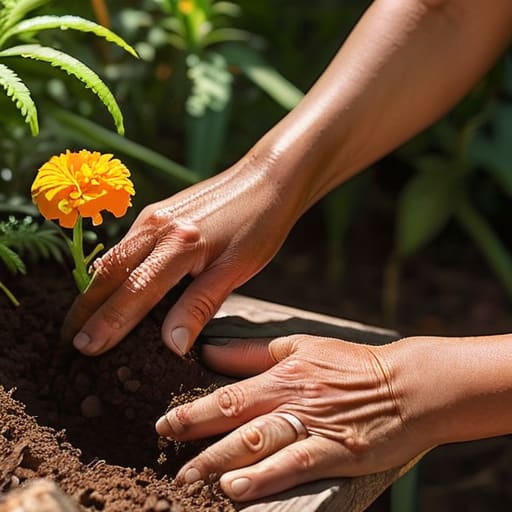
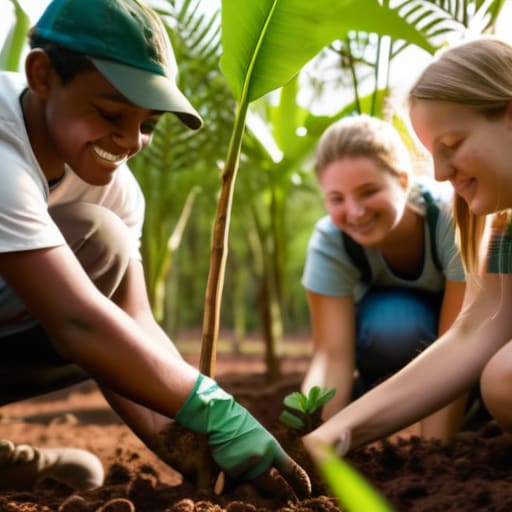
I’ve learned the hard way that true connection doesn’t happen in a scheduled workshop or a gated compound. It happens when you stop trying to “fix” things and start trying to listen. I found this most clearly while staying in a small neighborhood in Oaxaca, where I wasn’t there to lead a project, but to sit on a plastic stool and watch how the local women managed their communal garden. When we look for cultural immersion experiences, we often mistake activity for impact. In reality, the most profound shifts occur when we prioritize community-led development, ensuring that our presence supports existing rhythms rather than disrupting them with well-meaning but clumsy interventions.
Instead of signing up for the flashy, high-turnover packages, I’ve started looking for smaller, more intimate ways to engage. This might mean finding a local non-profit international program that focuses on long-term education rather than quick-fix construction. It’s about moving away from the ego of “helping” and moving toward responsible travel practices that honor the autonomy of the people who actually live there. If you want to find the soul of a place, look for the projects that are already breathing, rooted, and sustained by the neighbors themselves.
Small Gestures: How to Show Up Without Taking Over
- Look for roles that complement the community rather than replacing local workers. I’ve learned that the most meaningful way to help isn’t by trying to “fix” a situation with a Western lens, but by offering your hands for the tasks that actually lighten the load for the people living there.
- Prioritize the kitchen over the classroom. If you want to truly understand the rhythm of a village, volunteer in ways that bring you to the communal table. Helping prep vegetables or washing dishes in a local canteen often opens more doors to genuine conversation than any structured workshop ever could.
- Pack light, but bring a sense of curiosity. Instead of bringing a mountain of unnecessary supplies, bring a notebook or a small camera. My goal is always to be a witness to the beauty of the everyday, not a disruptor of it.
- Listen more than you speak. It’s tempting to arrive with a notebook full of ideas on how things “should” be done, but true immersion starts when you quiet your own ego and just observe. Let the locals teach you their methods, their timing, and their stories.
- Follow the scent of the local market. If you’re looking for where your efforts will have the most soul, find the places where the community naturally gathers. Whether it’s a community garden or a small neighborhood cooperative, that’s where the real pulse of the culture lives.
Finding the Real Rhythm of Connection
Look past the glossy brochures and polished itineraries; the most meaningful exchange happens when you step away from the organized “service” and into the slow, unscripted moments of daily life.
Prioritize reciprocity over a checklist, ensuring your presence supports the local community’s actual needs rather than just filling a slot in a pre-packaged volunteer program.
Listen more than you do, understanding that sometimes the best way to contribute is simply by being a quiet, respectful observer in someone else’s kitchen or marketplace.
Beyond the Surface Level
I’ve learned that the most profound way to serve isn’t through a scheduled program or a polished itinerary, but in those unscripted moments—like sitting on a low stool in a humid kitchen, peeling vegetables alongside a local family, and realizing that the real exchange happens in the silence between the stories we share and the meals we prepare together.
Anouk Verhoeven
Beyond the Itinerary
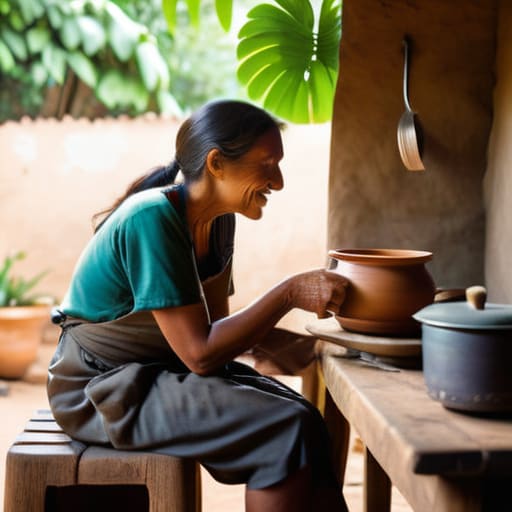
At the end of the day, moving through a new country with the intention to serve shouldn’t be about checking a box or collecting a certain kind of social currency. It’s about the messy, unscripted reality of showing up—understanding that true impact often happens in the quiet spaces between organized tasks, like when you’re sitting on a plastic stool in a humid kitchen, simply listening. We have to be careful to navigate the fine line between meaningful contribution and mere performative travel. By prioritizing local needs over our own desire for a “transformative” story, we ensure that our presence leaves something behind more substantial than just a footprint in a guidebook.
If you do decide to go, my only advice is to leave your expectations at the airport. Don’t look for the polished, cinematic version of service; look for the small, human connections that happen when you stop trying to be a hero and start trying to be a guest. Whether it’s helping a neighbor tend a garden or learning the precise way a spice is ground in a village market, these are the moments that actually change us. Travel is rarely about the grand gestures we plan; it is almost always about the quiet, honest exchange of being truly present in someone else’s world.
Frequently Asked Questions
How can I tell if a volunteer organization is actually helping the community or just using it as a backdrop for photos?
Look for the red flags in their social media. If their feed is a constant stream of smiling volunteers posing with local children, run. That’s performative, not purposeful. Real impact is usually much quieter. Ask them: “Who decided this project was needed?” If the community didn’t ask for it, or if the organization can’t name the local leaders they’re partnering with, you’re likely just paying for a photo op, not a contribution.
What are some ways to contribute meaningfully if I don't have specialized professional skills to offer?
Don’t let a lack of a specialized degree hold you back; sometimes, the most profound contributions are the simplest ones. I’ve found that showing up with a willing heart and a pair of hands is often enough. Whether it’s helping a local community garden with weeding, assisting in a neighborhood kitchen, or simply helping an elderly resident with small daily tasks, these quiet acts of service build real connections that no professional certificate can buy.
How do I find those small, grassroots opportunities that don't feel like a pre-packaged tourist experience?
Stop looking at the glossy brochures and start looking at the community boards in local libraries or small neighborhood cafes. I’ve found that the most meaningful connections happen when you skip the big agencies and ask around in the places where people actually live. Look for local NGOs or community gardens—places that aren’t trying to sell you a package. If they need an extra pair of hands for a community meal or a local festival, that’s where the real magic is.
