I was sitting on a low wooden stool in a cramped market in Oaxaca, the air thick with the scent of toasted cacao and damp earth, watching an elderly woman prepare masa. There was no aesthetic lighting or curated “wellness” playlist; there was just the rhythmic, hypnotic thud of her hands against the stone. It hit me then that we’ve completely misunderstood ritualistic living. We’ve turned it into this expensive, performative chore—something you need a $60 candle and a perfectly staged linen robe to achieve. But seeing her, I realized that true ritual isn’t about the props we buy; it’s about the quiet, intentional way we inhabit our own movements.
I’m not here to sell you a lifestyle makeover or a list of productivity hacks that feel like more work. Instead, I want to share what I’ve learned from living out of a suitcase and watching how different cultures find their center through food and habit. I’ll be sharing honest, unpolished observations on how to weave meaning into your everyday routine without needing a complete life overhaul. My goal is to help you find those small, grounding anchors that make even the most chaotic days feel a little more human.
Table of Contents
Transforming Habits Into Rituals Through Small Gestures
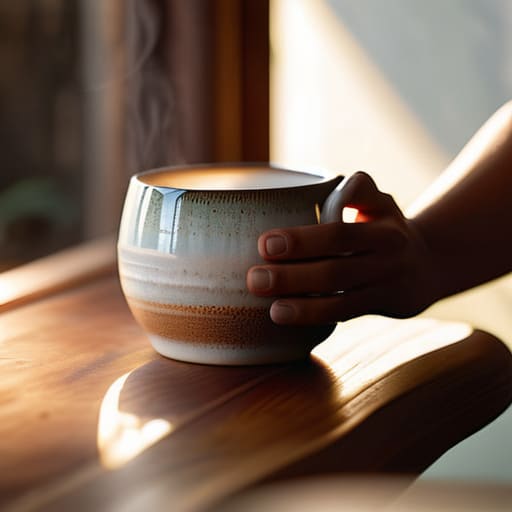
It’s easy to mistake a routine for a ritual, but there is a profound difference in the way we inhabit them. A routine is something we do to get through the day—checking emails, brushing teeth, or scrolling through news while the kettle boils. A ritual, however, requires a shift in attention. I’ve found that transforming habits into rituals often comes down to how we engage our senses. Instead of gulping down coffee while staring at a screen, I’ve started focusing on the warmth of the ceramic mug against my palms and the specific, nutty aroma of the beans. It sounds small, almost trivial, but it’s about claiming that moment as your own.
This isn’t about adding more tasks to an already overflowing to-do list; it’s about the psychology of ritual and how it anchors us. When we move with intention, we stop drifting through our lives and start actually living them. Even something as simple as lighting a single candle before sitting down to dinner can act as a signal to your brain that the chaos of the day is over. By incorporating these mindful daily practices, we create tiny pockets of stillness that make even the most mundane Tuesday feel a little more grounded.
The Psychology of Ritual in a Crowded World
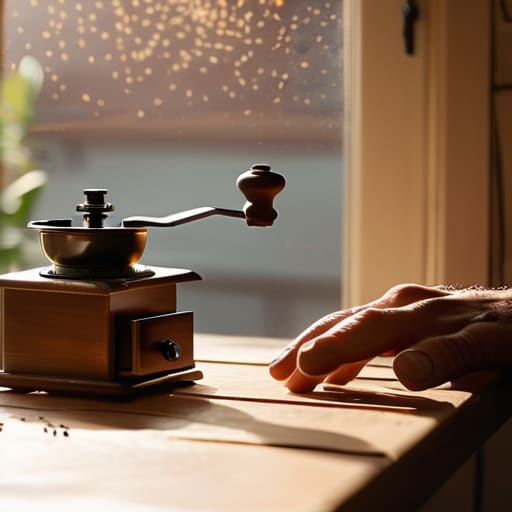
I’ve spent a lot of time in transit, moving from the chaotic, sensory overload of Marrakech’s spice markets to the hushed, sterile efficiency of high-speed trains in Europe. In those moments of constant motion, I noticed how easily the sense of self can start to fray. That’s where the psychology of ritual comes in. It isn’t about performing grand, sweeping gestures; it’s about the brain’s need for a predictable anchor. When the world outside feels loud and unpredictable, a small, repeated action—like the specific way I grind coffee beans every morning—acts as a psychological tether, signaling to my nervous system that, for this moment, I am safe and present.
By integrating mindful daily practices into our frantic schedules, we aren’t just checking off tasks; we are reclaiming our agency. It’s the difference between mindlessly scrolling through a phone while eating a sandwich and the deliberate act of sitting by a window to taste each bite. These tiny, intentional pauses create a mental buffer against the chaos, turning a life lived on autopilot into something that feels deeply, viscerally human.
My Small, Grounded Ways to Reclaim the Day
- Start with a sensory anchor. Instead of scrolling through your phone the second you wake up, try something tactile—the weight of a ceramic mug, the smell of freshly ground coffee, or even just the cool air from an open window. It signals to your brain that the day has actually begun.
- Stop eating on the move. I used to eat standing up over a sink in various hostels, but I’ve learned that even a ten-minute sit-down with a single piece of fruit can change your entire perspective. Make the act of nourishment a dedicated moment, not a task to be checked off.
- Create a “transition ritual” for your workspace. When I move from my laptop to my personal time, I light a specific candle or change my clothes. It’s a small, physical boundary that tells your mind it’s okay to stop producing and start simply being.
- Use your hands. There is something incredibly grounding about working with something analog—kneading dough, sketching in a notebook, or even just washing dishes by hand. These rhythmic, repetitive motions act as a natural reset button for a cluttered mind.
- Curate your evening wind-down like a slow meal. Rather than a frantic rush to sleep, treat the last hour of your day as a ritual of letting go. Dim the lights, put away the screens, and allow yourself the luxury of a slow, quiet descent into rest.
Finding Your Own Rhythm
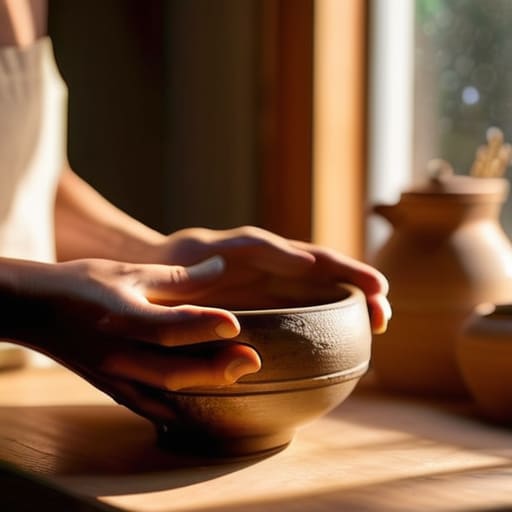
Rituals aren’t about perfection or elaborate setups; they are found in the small, intentional ways we interact with our surroundings, like the way we grind coffee beans or the specific way we arrange our notebook on a cafe table.
By turning repetitive daily tasks into mindful moments, we create mental anchors that help us stay grounded, no matter how fast the world—or our travel itineraries—might be moving.
True connection to a place or a person comes when we stop rushing through the “tourist” version of an experience and instead slow down to honor the quiet, repetitive traditions that make a moment feel real.
The Soul in the Small Things
“A ritual isn’t about the grand gestures or the expensive ingredients; it’s the quiet, intentional way you hold your coffee cup or the way you pause to breathe in the scent of a spice market. It’s how we stop merely passing through a place and start actually living in it.”
Anouk Verhoeven
Finding Your Own Rhythm
At the end of the day, ritualistic living isn’t about adding more tasks to an already overflowing to-do list or performing complex ceremonies that require perfect timing. It’s about the intentionality behind the small things—the way you choose to grind your coffee beans every morning or how you pause to feel the weight of a ceramic bowl in your hands. We’ve looked at how these tiny, rhythmic gestures can transform a mundane habit into something meaningful, and how they provide a much-needed psychological anchor when the rest of the world feels like it’s spinning too fast. By reclaiming these quiet moments, we stop merely reacting to our environment and start actually inhabiting it.
As I sit here in this sun-drenched cafe, watching the steam rise from my cup, I’m reminded that life isn’t lived in the grand, sweeping milestones we so often chase. It’s lived in the spaces between them—in the scent of rain on hot pavement or the shared silence of a meal with a stranger. I encourage you to look for your own small anchors. Don’t wait for a special occasion to feel present; instead, create the occasion through the simple, sacred acts you perform every single day. That is where the real magic of living resides.
Frequently Asked Questions
How do I distinguish between a mindless habit I do on autopilot and a meaningful ritual that actually changes my mood?
The difference is all in the presence. A habit is something I do while scrolling through my phone or thinking about tomorrow’s flight—it’s a blur of motion. A ritual requires me to actually arrive. If I’m grinding coffee beans and I can smell that sharp, earthy aroma filling the kitchen, I’m in a ritual. If I’m just hitting a button on a machine while checking emails, it’s just a habit.
Can I create rituals that help me feel grounded even when I’m traveling and staying in a new, unfamiliar place every week?
I’ve spent years living out of a suitcase, so I know that frantic feeling of losing your footing in a new city. For me, it’s about sensory anchors. I carry a specific ceramic mug from home, or I make it a rule to find a local market every Tuesday morning. It’s not about the location; it’s about the repetition. Find one small, tactile thing you do daily, and the world stops spinning so fast.
Is there a way to introduce these small rituals into my life without it feeling like just another overwhelming task on my to-do list?
The trick is to stop treating rituals like chores and start treating them like anchors. If it feels like a task, it’s a goal, not a ritual. I used to try to “schedule” mindfulness, and it just felt like more work. Instead, tie a new movement to something you already do without thinking—like how I only use my favorite ceramic mug when I’m actually sitting down to breathe. Keep it small. If it doesn’t feel like a relief, scale it back.
