The smell of burnt sage and woodsmoke always hits me before the sun even clears the horizon. I remember sitting on a woven rug in the middle of the Wadi Rum, my fingers stained with dust, watching a local Bedouin family turn a simple meal of flatbread and honey into something that felt more sacred than any five-star banquet. Most people think desert adventures require expensive, high-octane dune bashing or staying in those polished, air-conditioned luxury camps that feel like they were plucked straight from a brochure. But for me, the real magic happens when the engine stops and the quiet actually begins.
I’m not here to sell you on a curated itinerary or a checklist of “must-do” tourist traps. Instead, I want to share how you can find the heartbeat of the dunes through the people who live there and the flavors they cook over open flames. I’ll be guiding you through the unfiltered reality of navigating the sands, focusing on the small, sensory details—the grit of the wind, the taste of spiced tea, and the stillness of the stars—that turn a simple trip into a genuine connection with the land.
Table of Contents
The Rhythm of the Sands Best Time for Desert Travel
I’ve learned the hard way that the desert isn’t a place you just show up to; it’s a place you have to negotiate with. If you arrive during the height of summer, you aren’t really experiencing the landscape—you’re just surviving it. For me, the best time for desert travel is always during those transitional months, like late autumn or early spring, when the air holds a crispness that makes the midday heat feel like a gentle embrace rather than a heavy weight.
There is a specific magic in the early morning light during these seasons. I often find myself waking before dawn, camera in hand, hoping to catch a glimpse of a fox or a desert hare before the sun turns the dunes into a furnace. This window is also when desert wildlife photography truly comes alive, as the animals are most active before the heat settles in. If you’re planning a trip, don’t just pack for the sun; prioritize desert climate preparation by layering your clothes. The temperature can swing from a biting chill at night to a searing glow by noon, and being caught without the right layers is a mistake I don’t recommend making.
Oasis Exploration Seeking Quiet Waters and Ancient Stories
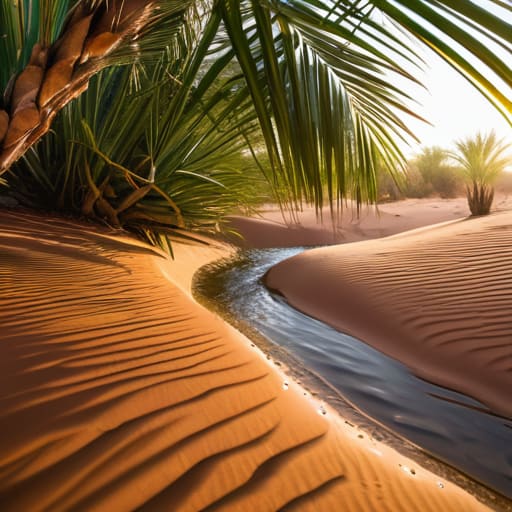
I remember stumbling upon a small, unnamed spring near the edge of the Erg Chebbi dunes just as the sun began to dip. While most travelers were preoccupied with the adrenaline of off-road desert driving, I found myself drawn to the sudden, cool stillness of the palms. There is a specific kind of magic in an oasis; it isn’t just the visual relief of green against the orange sand, but the way the air suddenly feels heavy and sweet with the scent of damp earth and ripening dates.
For me, oasis exploration is less about checking a landmark off a list and more about the sensory shift. I sat by the water’s edge, pulling out my notebook to record the smell of crushed mint and silt, listening to the birds that call this micro-climate home. If you are planning to venture into these pockets of life, I highly recommend bringing a decent lens for desert wildlife photography, as the sudden density of life near the water can be breathtaking. It’s in these quiet, shaded corners that the desert finally stops feeling like a void and starts feeling like a home.
Small Essentials for the Long Road
- Forget the fancy gear lists you see in brochures; just bring a high-quality linen scarf. It’s my constant companion, whether I’m using it to shield my neck from the midday sun or wrapping it around my head when a sudden dust storm turns the sky orange.
- Pack a notebook that isn’t just for thoughts, but for sensory details. The desert has a specific scent—dry earth, sun-baked stone, and occasionally, the sharp, sweet smell of wild sage—and I find that writing these down helps me stay grounded when the landscape feels overwhelming.
- Prioritize hydration through more than just water bottles. I’ve learned that carrying small packets of electrolytes or even dried dates makes a massive difference in how my body handles the relentless heat and the constant, fine grit in the air.
- Don’t rely solely on digital maps. I always carry a physical compass and a paper map tucked into my bag. When the vastness of the dunes starts to play tricks on your sense of direction, there is a profound, quiet comfort in holding something tangible.
- Pack light, but pack smart with textures. I stick to breathable, natural fibers in neutral tones. It’s not about fashion; it’s about staying functional so I can focus on the way the light hits the dunes at dusk rather than worrying about my clothes sticking to me.
Lessons from the Dust
Forget the itinerary; the real magic happens in the unplanned pauses, like when a sudden sandstorm forces you to seek shelter and share a meal with a stranger.
Respect the desert’s clock by moving with the light and the temperature, rather than fighting against the natural rhythm of the sun.
Pack for utility, not just aesthetics—your most important tools aren’t your camera lenses, but the ability to stay hydrated and the willingness to get a little grit under your fingernails.
Beyond the Mirage
“The desert isn’t a place you simply visit to see the dunes; it’s a place you go to listen to the silence, to taste the salt on your skin, and to realize that the most profound stories aren’t found in the grand landscapes, but in the small, shared warmth of a nomad’s tea by the fire.”
Anouk Verhoeven
Beyond the Horizon
As I pack my camera gear and check my notebook for the scent of woodsmoke and dried spices, I realize that a desert journey is never just about the logistics. It is about understanding the delicate balance of timing, knowing when to seek the shade of an ancient oasis, and respecting the slow, steady pulse of the dunes. Whether you are navigating the shifting sands during the perfect seasonal window or finding stillness by a hidden spring, the desert demands a certain kind of presence. It isn’t a place you simply visit; it is a landscape you must learn to read like a map of human survival and spirit.
Ultimately, the desert strips everything back to the essentials. It teaches you that the most profound moments aren’t found in a polished itinerary, but in the quiet spaces between the landmarks. It’s in the way the light hits a salt flat at dusk or the shared warmth of a meal cooked over embers under a canopy of stars. I hope you leave the guidebooks behind and allow yourself to get a little lost. After all, the real magic happens when you stop trying to conquer the wilderness and instead start listening to what it has to tell you.
Frequently Asked Questions
How do I find authentic local food in remote desert camps without ending up with a generic tourist menu?
Look for the smoke, not the signage. If a camp is tucked away from the main tracks and you see a small group of locals gathered around a single, low-burning fire, follow that scent. I usually ask the camp host if they’ve prepared anything specific to the season—like sun-dried fruits or slow-cooked lamb—rather than asking for a menu. If they can’t show you a printed list, you’re likely in the right place.
What are the essentials I should pack to stay comfortable while still keeping my gear minimal and functional?
Packing for the desert is a lesson in restraint. I always lean toward natural fibers—linen and lightweight cotton—to breathe when the sun hits. I keep my kit minimal: a sturdy wide-brimmed hat, high-SPF sunblock, and a reusable water flask that actually keeps things cold. Most importantly, I never leave without my analog camera and a small notebook. It’s about having enough to stay comfortable, but not so much that you’re too heavy to wander.
How can I navigate the desert safely while still avoiding the large, noisy tour groups?
To find the quiet, you have to leave the paved roads behind. I always steer clear of the big excursion buses; they tend to follow a loud, predictable script. Instead, I look for local guides who specialize in smaller, walking-based treks. It’s more intimate and far more respectful of the landscape. Just remember: never venture out without a reliable local, plenty of water, and a way to signal for help. Safety is the foundation of true freedom.
