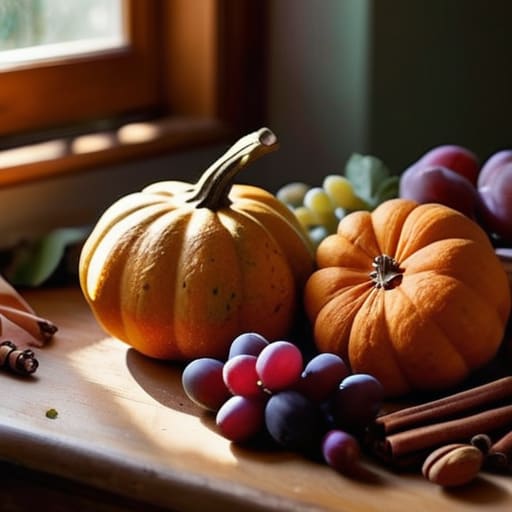
I was sitting in a cramped, overpriced bistro in Lyon last week, watching a chef garnish a dish with perfectly pristine, imported summer berries that had no business being on the table in October. It felt hollow. There is this pervasive, exhausting myth that eating well means chasing perfection or paying a premium for things that are out of sync with the earth. We’ve been conditioned to ignore the real magic of the transition, yet the most soul-warming flavors are actually found in the humble, slightly bruised seasonal autumn produce that arrives when the air finally turns crisp.
I’m not here to give you a glossy, curated list of “superfoods” or aesthetic pantry staples you’ll never actually use. Instead, I want to take you into the muddy, honest reality of the harvest. I’ll be sharing what I’ve learned from wandering through rain-slicked markets from Provence to the Pacific Northwest—the kind of unfiltered, sensory knowledge that tells you exactly which root vegetables are worth your time and how to cook them without a dozen unnecessary ingredients. This is about finding the connection between the soil and your table, one authentic bite at a time.
Table of Contents
Farmers Market Autumn Finds Stories in Every Stall
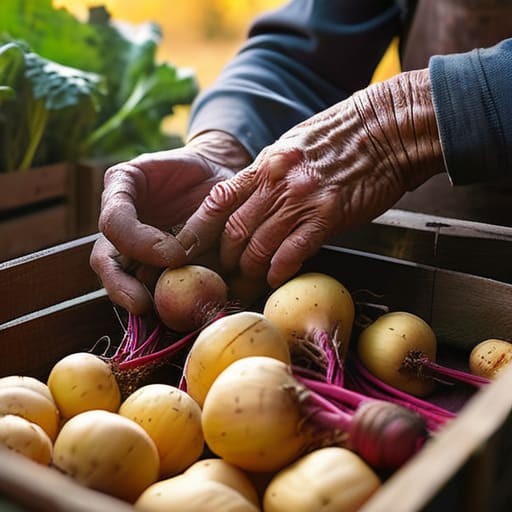
I found myself lingering by a stall near the edge of the square, where the air smelled faintly of damp earth and woodsmoke. An elderly man with hands as weathered as the bark of an oak tree was arranging crates of root vegetables for autumn. There’s something incredibly grounding about holding a beet that still has a bit of soil clinging to its skin; it reminds you that food isn’t just something that appears on a supermarket shelf, but a gift from the ground. I watched him carefully stack the parsnips, their pale, tapered shapes looking almost sculptural in the morning light.
As I moved deeper into the crowd, the vibrant colors of the fall harvest vegetables began to blur into a beautiful, chaotic tapestry. I picked up a handful of heirloom carrots, their deep purples and burnt oranges feeling like a direct connection to the shifting season. I ended up chatting with a vendor about her heirloom squash, learning how to properly care for them once I got back to my small rental kitchen. It’s these small, unscripted exchanges that turn a simple grocery run into a meaningful lesson in seasonality.
A Seasonal Eating Guide to the Earths Rhythms
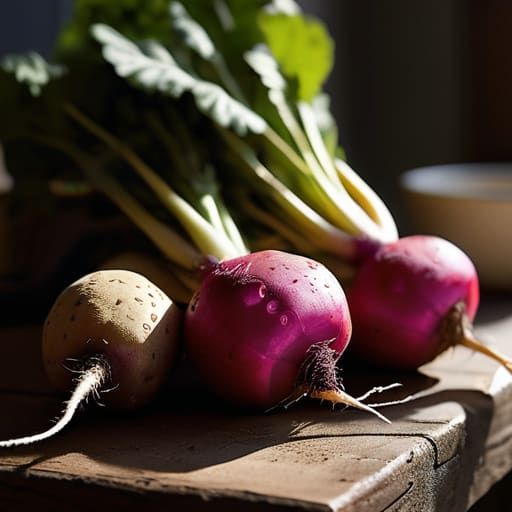
There is a certain rhythm to the way the earth prepares for sleep, a slow deceleration that I find reflected in the heavy, starchier textures of the food appearing on my plate. Transitioning into this season isn’t just about changing my grocery list; it’s about leaning into the nutritional benefits of autumn crops that seem designed to ground us as the days grow shorter. I’ve found myself reaching instinctively for the things that grow deep in the soil, seeking that quiet, subterranean energy.
When I sit down to plan my meals, I treat it less like a chore and more like a seasonal eating guide written by the land itself. I look for the knobby, dirt-dusted shapes of various root vegetables for autumn—beets that stain my fingers a deep crimson and parsnips that carry a surprising, honeyed sweetness when roasted. There is a profound sense of connection in eating what is actually ready to be eaten, rather than forcing the bright, watery flavors of summer into a month that clearly demands something warmer, darker, and far more substantial.
Small Rituals for a Seasonally Minded Kitchen
- Don’t be afraid of the “ugly” produce. I’ve found that the most gnarled, unevenly shaped heirloom carrots or bruised apples often carry the deepest, most concentrated sugars—they’ve worked harder to grow, and you can taste it.
- Follow the scent, not just the sight. When I’m wandering through a market, I look for the heavy, earthy perfume of damp soil clinging to root vegetables; it’s a foolproof sign that something has been pulled from the ground recently and hasn’t spent weeks in a refrigerated truck.
- Embrace the art of the slow roast. Autumn produce, especially dense squash and hearty tubers, demands patience. Instead of rushing them in a high-heat oven, let them caramelize slowly; it’s a way of honoring the time it took for them to reach your plate.
- Keep a “flavor journal” alongside your notebook. When you find a specific variety of pear or a certain type of bitter greens that hits just right, jot down the notes of spice or earthiness you detect. It helps you navigate the changing stalls more intuitively next season.
- Shop with the rhythm of the weather in mind. If a sudden cold snap hits, look for the heavier, more protective skins—like those on winter squashes or thick-skinned citrus. These are the ingredients designed by nature to hold onto their warmth and nutrients through the chill.
Small Lessons from the Autumn Harvest
Stop looking for perfection in the produce aisle; the real magic is in the bruised, dusty, and irregularly shaped vegetables that actually taste like the soil they grew in.
Use the changing ingredients as your compass to navigate the season, letting the arrival of squash and hardy greens dictate your rhythm rather than a grocery list.
Treat every market visit as a sensory ritual, using the scents and colors of the stalls to ground yourself in the specific time and place you happen to be living.
The Scent of the Season
There is a specific, grounding magic in the way an autumn market smells—a mixture of damp earth, woodsmoke, and the heavy, sweet perfume of ripening squash—that reminds you we aren’t just visiting these places, we are part of their cycle.
Anouk Verhoeven
The Slow Descent into Seasonality
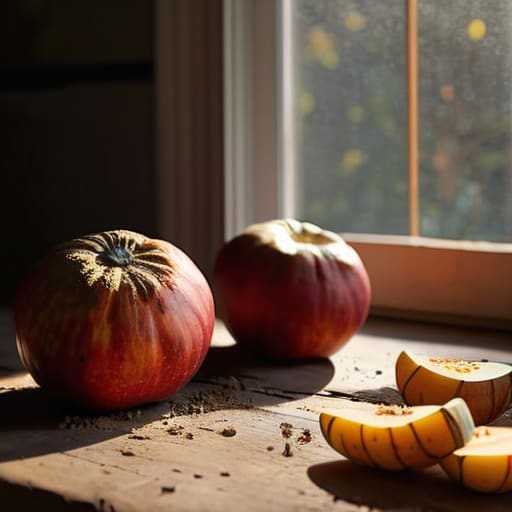
As the light shifts and the air takes on that familiar, sharp edge, our kitchens naturally begin to change. We’ve moved from the bright, watery abundance of summer into something much more grounded and textured. Whether it’s the earthy weight of a roasted squash, the subtle sweetness of a late-season apple, or the way a simple root vegetable can anchor a meal, these ingredients do more than just fill our plates; they act as a compass for the year. By choosing to shop the stalls and respect these natural rhythms, we aren’t just eating better—we are reconnecting with the actual pulse of the land we happen to be standing on at this moment.
Ultimately, I’ve learned that traveling through the seasons is less about checking items off a grocery list and more about noticing the subtle shifts in our environment. There is a quiet, profound joy in slowing down enough to taste the transition. So, the next time you find yourself wandering through a damp, morning market, don’t just look for what’s convenient. Look for what’s honest. Let the heavy scents of woodsmoke and bruised herbs guide you, and remember that every meal is a small, delicious way to belong to the world around you.
Frequently Asked Questions
How can I tell if a squash or pumpkin is actually ripe just by looking at it in a crowded market?
It’s a bit of a sensory game, honestly. I usually ignore the bright, polished ones that look like they were staged for a photoshoot. Instead, I look for weight—a truly ripe squash should feel heavy for its size, like it’s dense with moisture. I also give the skin a gentle tap; you want a dull, solid thud, not a hollow ring. If the skin feels tough and resists my fingernail, it’s usually ready.
Are there ways to preserve these seasonal flavors for the winter months without losing that fresh, earthy quality?
I’ve learned that the secret isn’t in high-tech gadgets, but in patience. I swear by quick-pickling—it keeps that bright, acidic snap of autumn vegetables alive through January. For deeper, earthier notes, I often slow-roast root vegetables with rosemary and store them in jars of their own juices. It’s a bit more work than a freezer bag, but it preserves the soul of the harvest rather than just the shape of it.
If I can't find everything locally, what are some good ways to honor the spirit of autumn eating with what's available?
If the local stalls are looking a bit thin, don’t panic. To me, honoring the season is more about an intention than a strict grocery list. Focus on the textures and warmth. If you can’t find fresh squash, lean into warming spices like cinnamon or nutmeg, or even a hearty, slow-cooked lentil stew. It’s about embracing that sense of coziness and grounding—even if it means using pantry staples to mimic the season’s soul.
