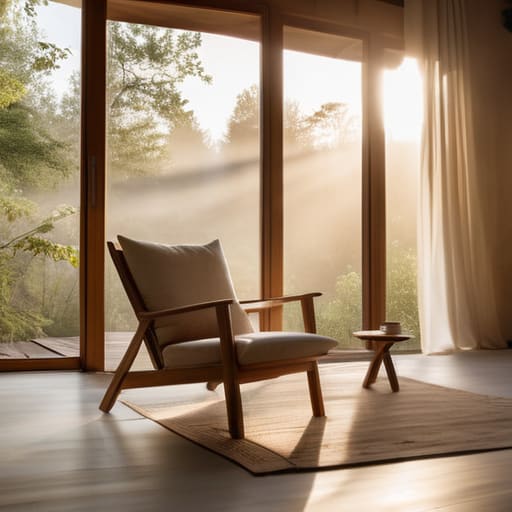
I was sitting in a tiny, sun-drenched courtyard in Oaxaca last Tuesday, the air thick with the scent of roasted cacao and damp stone, when I realized I hadn’t actually heard anything for hours. Not the roar of a motorbike or the frantic clatter of a kitchen, but just the rhythmic, heavy pulse of the city breathing. We’ve been sold this lie that quiet time has to be a curated, expensive ritual—think $80 wellness retreats or perfectly manicured meditation rooms that feel more like sterile laboratories than sanctuaries. But honestly? That kind of forced stillness is just another way to perform productivity, and it’s exhausting.
I’m not here to sell you on a lifestyle overhaul or a new set of breathing techniques you’ll forget by tomorrow. Instead, I want to talk about how to find those small, unscripted pockets of stillness that actually make a place feel like home. I’ll be sharing the honest, messy ways I use quiet time to reconnect with my senses while moving through the world, from the silence of a morning market to the stillness of a long train ride. This isn’t about escaping life; it’s about learning how to inhabit it more deeply.
Table of Contents
Reducing Anxiety Through Quiet Time in Crowded Markets
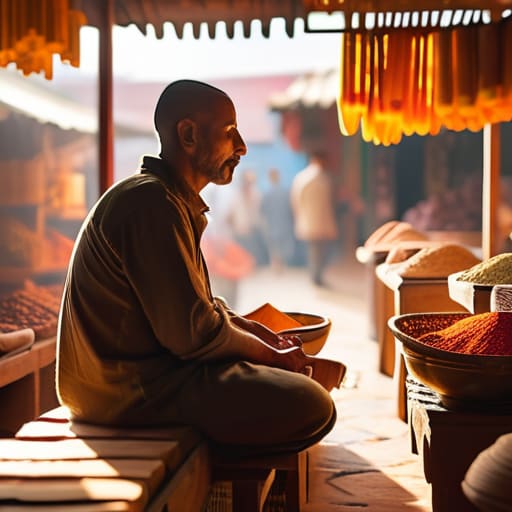
There is a specific kind of sensory overload that happens when you’re navigating a spice market in Marrakech or a fish stall in Tokyo. The shouting vendors, the heavy scent of coriander and diesel, the constant brushing of shoulders—it can feel like the world is pressing in on you. For a long time, I thought I had to be constantly “on” to capture the story, but I’ve learned that finding stillness in a busy world is actually the key to seeing it clearly.
Instead of fighting the chaos, I’ve started carving out small pockets of stillness. I’ll find a tiny, nondescript stool at the back of a stall, pull out my notebook, and just breathe. It’s a way of reducing anxiety through quiet time without actually leaving the heart of the action. By leaning into these moments of observation rather than participation, I find that the noise stops feeling like an attack and starts feeling like a rhythm. It’s a subtle shift, but it allows me to process the environment without feeling completely swallowed by it.
The Mental Health Benefits of Silence Amidst City Chaos
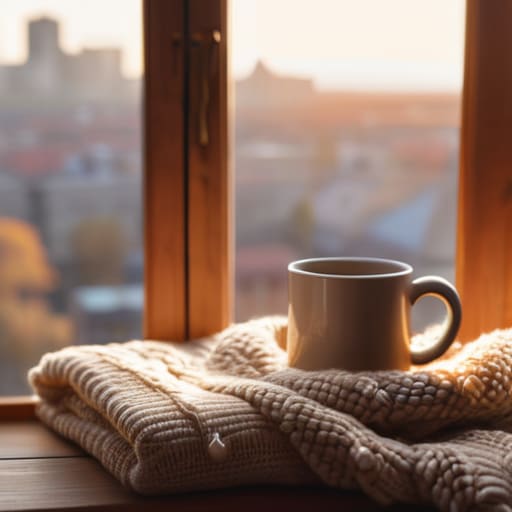
There is a specific kind of exhaustion that comes from living in a city that never seems to exhale. Between the screech of the subway and the constant hum of construction, your brain starts to feel like a browser with too many tabs open. I’ve found that the importance of solitude for creativity becomes incredibly apparent when I finally step away from the noise. It isn’t about being lonely; it’s about giving my thoughts enough room to breathe without being interrupted by a siren or a passing crowd.
When I sit in a park or a quiet library, I’m not just resting—I’m practicing finding stillness in a busy world. These moments of intentional disconnection act as a reset button for my nervous system. By leaning into these small pockets of calm, I can process the sensory overload of the day rather than just letting it pile up. It turns out that the mental health benefits of silence are far more profound than I ever realized when I was just a museum worker trying to keep up with the pace of the city.
My Little Rituals for Finding Stillness
- Carry a physical notebook, not a phone. When the noise of the city gets too loud, I stop writing digital notes and just focus on the texture of the paper or the scent of the air. It grounds me back in the physical world.
- Seek out the “in-between” spaces. I’ve found that the best quiet isn’t in a temple or a park, but in the small, dim corners of family-run cafes during the mid-afternoon lull when the lunch rush has finally died down.
- Use your senses as an anchor. If I feel my anxiety spiking in a crowded plaza, I close my eyes for a minute and try to isolate just one smell—maybe it’s roasting coffee or rain on warm pavement. It pulls me out of my head.
- Practice the art of the “slow walk.” Instead of rushing to the next landmark on my list, I let myself wander without a destination for twenty minutes. Moving slowly helps the city’s rhythm sync up with mine.
- Embrace the solo meal. There is a specific kind of peace in sitting at a small counter, eating a bowl of seasonal soup, and simply observing the world without the pressure to perform or converse.
Finding My Center: What I’ve Learned About Silence
Quiet time isn’t about escaping the world; it’s about finding a way to exist within the chaos without letting it consume you.
I’ve realized that the most profound cultural connections happen in the pauses—the moments between the noise where you can actually breathe and observe.
Protecting your mental space is a necessity, not a luxury, whether that means sitting in a dim corner of a cafe or simply closing your eyes amidst a bustling street market.
## The Space Between the Noise
“I’ve realized that quiet time isn’t about escaping the world; it’s about finding a small, still pocket of it so you can actually hear what the city is trying to tell you.”
Anouk Verhoeven
Finding the Rhythm in the Stillness
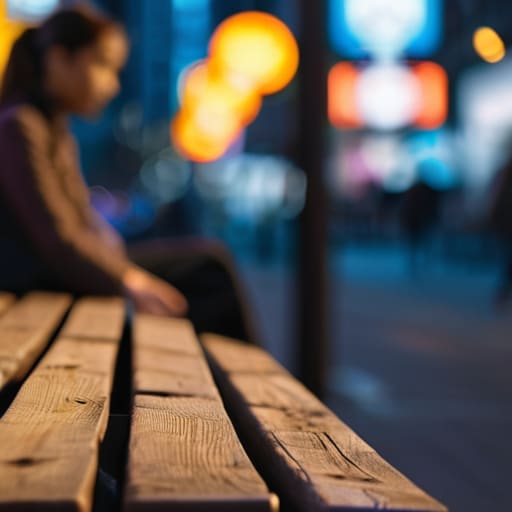
Looking back on these moments, I’ve realized that quiet time isn’t about escaping the world, but about finding a way to exist within it without losing yourself. Whether it’s finding that pocket of calm in the middle of a sensory-heavy market or simply sitting in silence while the city hums around you, these pauses are what prevent the chaos from becoming overwhelming. We’ve talked about how silence can act as an anchor for anxiety and how it offers a much-needed mental reset amidst the constant noise of urban life. It really comes down to protecting your internal landscape so that you can actually experience the beauty of the places you visit, rather than just rushing through them.
As I pack my notebook and prepare for my next train, I’m reminded that we don’t need a remote mountain retreat to find peace. We can find it in the small, intentional gaps between the noise—the quiet breath before a meal, or the stillness of a dim cafe corner. My hope is that you start looking for those tiny, sacred intervals in your own travels and your everyday life. Don’t be afraid to slow down or step out of the flow. Sometimes, the most profound way to truly see a culture, or even yourself, is to simply sit still and let the world come to you.
Frequently Asked Questions
How do you actually find these quiet pockets when you're traveling in a city that feels like it never sleeps?
I’ve learned to look for the “in-between” spaces. Instead of hunting for famous parks, I look for narrow residential alleys or the back corner of a small, family-run grocery store. I also follow the shadows; if a street looks too bright and loud, I turn a corner where the architecture leans in closer. Sometimes, the best quiet is just found by stepping into a local library or a small, dim chapel.
Do you find that intentional silence changes the way you experience the flavors of the food you're eating?
Honestly, it changes everything. When I stop trying to talk or listen to the background noise, the food becomes much more vivid. I’ve noticed that in a silent moment, I can actually pick up on the subtle, earthy scent of toasted cumin or the sharp brightness of a freshly squeezed lime. It stops being just “lunch” and becomes a sensory map. Silence lets the flavors actually speak to you.
Is it hard to stay present in those quiet moments without the urge to reach for a camera or start writing everything down?
Honestly? It’s a constant battle. My brain is wired to frame a shot or scribble a scent description in my notebook the second something feels “meaningful.” There’s this nagging fear that if I don’t document it, the moment will just evaporate. But lately, I’ve been practicing just… sitting. I tell myself the memory is enough. I let my hands stay in my pockets and just breathe in the air, letting the moment exist without needing to own it.
