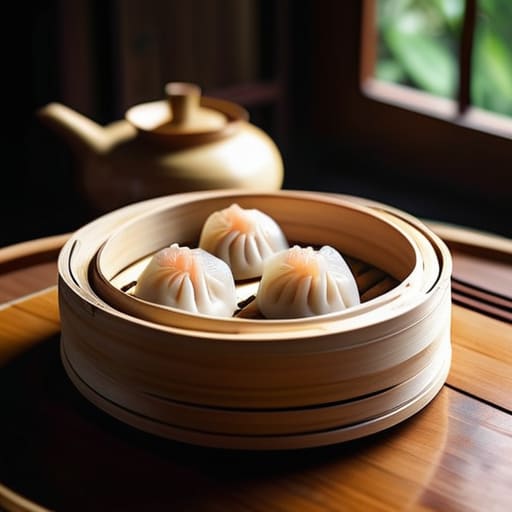
The humidity in those narrow Hong Kong alleys always hits me first—a thick, heavy mix of jasmine tea steam and the savory, toasted scent of sesame oil. I remember sitting on a wobbly plastic stool last spring, my notebook tucked precariously under my thigh, watching an elderly woman expertly fold translucent skins with a speed that felt almost meditative. There was no white tablecloth in sight, just the rhythmic clack-clack of bamboo steamers being stacked and the beautiful, chaotic roar of a morning rush. That is where you find the soul of traditional dim sum, not in the gold-leafed banquet halls where the prices are as inflated as the egos.
I’m not here to give you a polished list of “must-visit” tourist traps that serve lukewarm dumplings in air-conditioned luxury. Instead, I want to take you into the real kitchens—the cramped, loud, and unapologetic spaces where the recipes haven’t changed in decades. I’ll share what to actually look for in a steaming basket and how to navigate the tea culture like a local, focusing on the honest connection between the food and the hands that make it.
Table of Contents
The Art of the Har Gow Making Process
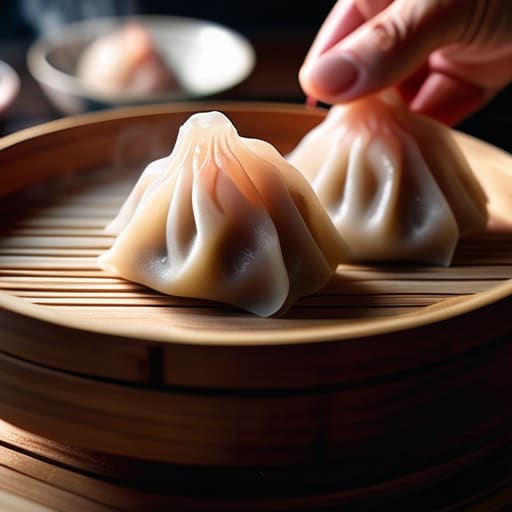
I spent a rainy Tuesday morning tucked into a corner of a tiny kitchen in Guangzhou, watching a woman whose hands moved with a speed that felt almost rhythmic. There is a specific kind of magic in the har gow making process that you just can’t grasp from a menu. It starts with the dough—a translucent wheat starch mixture that has to be handled with incredible precision. If the temperature is off by even a few degrees, the skin won’t achieve that signature, glass-like clarity.
Watching her pleat the edges was like watching a master weaver. Each dumpling needs those tiny, delicate folds to hold the succulent shrimp inside without breaking. It’s a far cry from the heavy, doughy versions you find in westernized takeout spots; this is about structural elegance. When you finally sit down to experience authentic chinese small plates, you realize that the translucent sheen of a perfect har gow isn’t just for show—it’s a testament to the chef’s patience and a deep respect for the ingredients.
Authentic Chinese Small Plates and Cantonese Brunch Culture
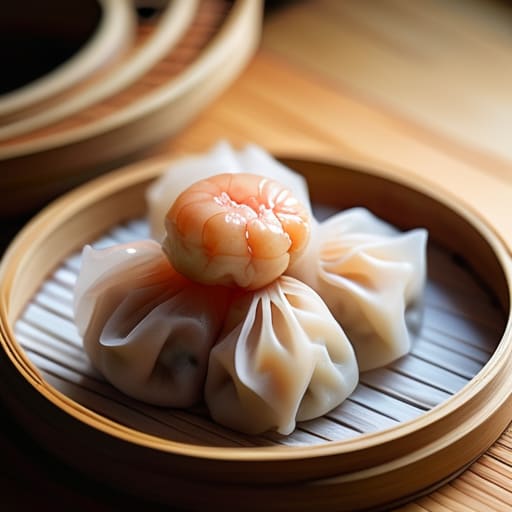
There is a specific rhythm to Cantonese brunch culture that you won’t find in a standard breakfast nook. It isn’t just about eating; it’s about the slow, rhythmic clinking of porcelain and the way the steam from bamboo baskets creates a sort of hazy veil over the room. You sit, you wait, and you observe. I’ve found that the real soul of the meal lies in the balance of textures—the delicate, translucent skin of a shrimp dumpling contrasted against the crunch of a golden, deep-fried taro puff. It’s this constant interplay between steamed vs fried dim sum that keeps the palate awake and curious.
Navigating a crowded tea house also requires a bit of unwritten grace. Learning the subtle nuances of yum cha etiquette—like tapping two fingers on the table to say thank you when someone pours your tea—makes you feel less like a spectator and more like a participant in the ritual. As I sit here with my notebook, the scent of jasmine and toasted grains filling the air, I’m reminded that these authentic Chinese small plates are more than just snacks; they are the edible threads that bind a community together over a shared pot of tea.
How to Navigate the Chaos Without Losing Your Mind (or Your Appetite)
- Skip the heavy breakfast at your hotel. Dim sum is a slow, communal marathon, not a quick pit stop, so save your appetite for the tea and the endless rounds of steaming baskets.
- Learn the rhythm of the tea service. In the real spots, the servers are moving at lightning speed; don’t be afraid to signal for a refill of your jasmine or pu-erh, and keep an eye on your pot so you don’t run dry mid-bite.
- Don’t be afraid of the noise. The best dim sum halls are loud, clattering, and a little bit overwhelming. If the place feels too quiet or too polished, you’re probably in a tourist trap rather than a neighborhood staple.
- Follow the steam, not the menu. If you see a crowd gathered around a specific station or a trolley pushing out something that smells incredible, jump on it. The most authentic dishes are often the ones that disappear the fastest.
- Embrace the communal spirit. Dim sum isn’t meant to be eaten in isolation. Order a variety of small plates to share with your table—it’s the only way to truly experience the breadth of the flavors and the social heartbeat of the meal.
Beyond the Bamboo Steamer: What to Remember
Skip the polished hotel dining rooms and look for the places where the steam is thick and the noise is loud; that’s usually where the soul of the food lives.
Dim sum isn’t just a meal; it’s a rhythm of shared plates and constant movement that forces you to slow down and actually connect with the people around you.
Pay attention to the small details—the way a dumpling skin holds its shape or the specific scent of jasmine tea—because those are the sensory markers of a kitchen that respects its heritage.
The Soul in the Steam
You can tell everything you need to know about a city by watching the way a grandmother carefully pleats a dumpling; it’s not just breakfast, it’s a quiet, rhythmic preservation of history served in a bamboo basket.
Anouk Verhoeven
More Than Just a Meal
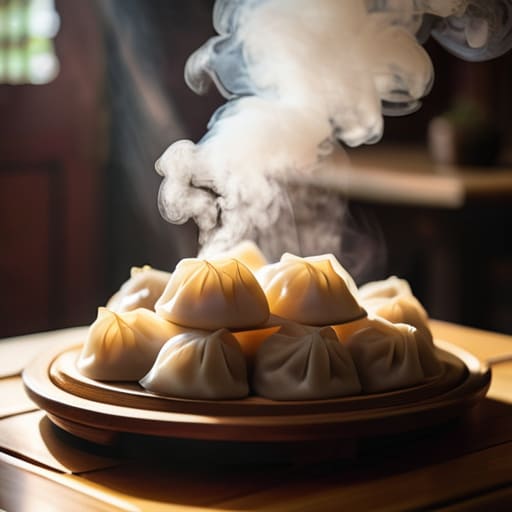
At the end of the day, dim sum is so much more than a collection of steamed buns and fried dumplings on a tray. It is the culmination of hours of meticulous labor—from the translucent, pleated skin of a perfectly executed har gow to the rhythmic clatter of tea cups in a crowded dining hall. When we sit down at these small, crowded tables, we aren’t just eating; we are participating in a centuries-old ritual of connection. Whether it’s the precision of the chef’s hands or the chaotic, beautiful energy of a Cantonese brunch, these flavors serve as a living map of a culture’s history and its heart.
As I pack my notebook and prepare for my next destination, I find myself thinking about those quiet moments spent over a bamboo steamer. I’ve learned that you don’t need a reservation at a Michelin-starred establishment to find the soul of a city. Sometimes, the most profound truths are found in the steam rising from a simple plate of siu mai in a back-alley shop. So, the next time you find yourself traveling, I encourage you to skip the polished buffets. Follow the scent of jasmine tea and toasted sesame, and let the small plates lead you to the real stories waiting to be told.
Frequently Asked Questions
How can I tell if I'm actually in a local spot rather than a tourist trap when looking for dim sum?
Look for the signs that aren’t on a glossy brochure. If the menu is only in Cantonese and the chairs feel a little too close to your neighbor, you’re likely in the right place. I always check the noise level; a real dim sum spot should hum with the sound of clinking tea cups and loud, overlapping conversations, not the hushed tones of people reading English-language guidebooks. If the steam is thick and the service is brisk, stay there.
Is there a specific etiquette I should follow when sharing small plates and tea with others?
It’s less about rigid rules and more about the rhythm of the table. When you’re sharing, keep an eye on your companions’ tea cups; if someone’s is empty, pour for them before yourself. It’s a small, silent way of showing you’re present. Also, if you’re using communal chopsticks, try to use the “serving” ends to move dumplings to your plate. It keeps things hygienic and keeps the connection to the meal feeling respectful.
What are the best seasonal ingredients to look for in dim sum to ensure everything is fresh?
When I’m scouting a new market, I look for the tells of freshness. For dim sum, keep an eye on the shrimp—they should be translucent and firm, never milky. If you’re ordering seasonal specialties, look for lotus root in the spring or wild mushrooms when they’re in peak. Honestly, the best indicator is the steam itself; if the dumplings arrive with a bright, clean scent rather than something heavy or oily, you’ve found the good stuff.
